
Phosphorus deficiency identification & organic treatment
N/A — abiotic (nutrient deficiency)
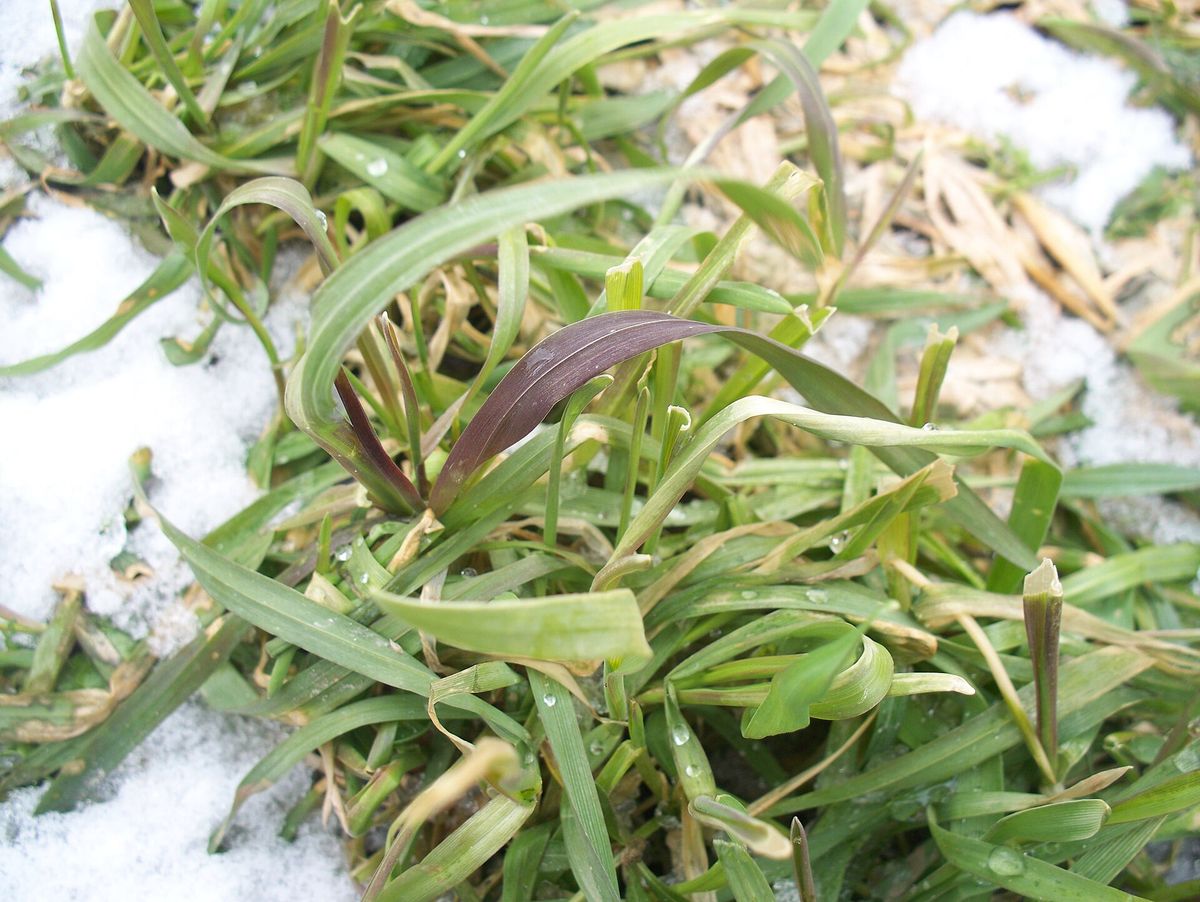
How to identify phosphorus deficiency
Phosphorus deficiency shows up most dramatically as a purple-red pigment building up in older leaves, especially on the undersides and veins, most visible in cool soil that slows phosphorus uptake.
Symptoms
- Dark green leaves with a purple-red tinge, especially on the underside and along veins of older leaves
- Stunted growth and delayed maturity
- Reduced root development
- Poor flowering and fruit set in severe cases
Host crops
Corn, Tomato, Pepper.
How it spreads
Not contagious; a soil fertility/availability issue, not a pathogen.
Favorable conditions
Cold soil (phosphorus uptake slows significantly below 55°F soil temperature), very acidic or very alkaline soil that locks up phosphorus, or genuinely low soil phosphorus.
Progression
- Reduced uptake (Cold soil or low/locked-up phosphorus) — Plant can't access enough phosphorus for normal metabolism.
- Purpling of older leaves (Days to weeks) — Anthocyanin pigment builds up as a stress response.
- Stunted growth (If uncorrected) — Delayed maturity and reduced yield follow.
Organic treatment for phosphorus deficiency
- 1. Apply bone meal or rock phosphate · low effort
Work an OMRI-listed bone meal or rock phosphate product into the root zone per label rate; phosphorus moves slowly in soil, so apply close to roots.
When: At planting or first sign of deficiency
- 2. Warm the soil · low effort
Use black plastic mulch or wait for soil to warm before transplanting cold-sensitive, phosphorus-hungry crops.
When: At planting, cool-soil seasons
Prevention
- Test soil pH; keep it near 6.0-7.0 where phosphorus stays most available.
- Amend with compost, which supplies phosphorus and improves availability over time.
- Avoid transplanting into soil that's still cold.
Easy to confuse with
Cold stress alone (purpling without a soil test confirming low phosphorus), Natural varietal purple pigmentation in some cultivars.