
How to grow acorn squash
Family Cucurbitaceae. Hardy to USDA hardiness zone 4a+ (U.S. Department of Agriculture). Full sun. Ready in 75-100 days.
Sun
Full sun
Spacing
24-36 in
Days to harvest
75-100 days
Hardiness
Zone 4a+
What growers actually recorded
Loading zone 7b results…
When to plant acorn squash
- Start indoors: ~3 weeks before last frost.
- Transplant out: ~2 weeks after last frost.
- Direct sow: ~2 weeks after last frost.
Companion plants for acorn squash
Plant with: Corn, Bean, Radish.
Avoid near: Potato.
Common pests & problems
Squash vine borer, squash bug.
Feeding & fertilizer
N-P-K ratio: Balanced 5-5-5, ease off N at flowering
Organic options: Compost + aged manure in the hill · Fish emulsion until first blossom · Kelp meal + wood ash at flowering
When to feed: Big feed at transplant, side-dress once vines run, potassium boost at flowering.
Watch for: Female flowers dropping = pollination issue, not fertilizer.
N = nitrogen (leaves), P = phosphorus (roots and flowers), K = potassium (fruit and disease resistance). How to read a fertilizer label →
Grower's tip
Ripe rind resists a fingernail poke and the ground spot has turned orange; harvest before frost damages the skin.
When to plant acorn squash in your zone
Free month-by-month sowing and transplanting lists, built from frost dates for your USDA (United States Department of Agriculture) hardiness zone.
Soil & water for acorn squash
Soil & pH
6.0-6.8
Warm, well-drained soil enriched with compost. Cool wet soil = damping-off in seedlings.
Build a low mound (hill) 12-18 in wide, mix in a shovel of compost per hill. Wait until soil hits 65°F to plant.
Watering
1.5-2 in / week: cucurbits are 90% water
Drip at the base. Never wet the leaves: powdery mildew loves damp foliage.
Morning leaf droop is normal; afternoon droop that hasn't recovered by sunset means water now. Dull, slightly blue-green leaves are the first sign before wilt even shows.
Knowing when to harvest
- Rind is deep green (or the variety's mature color) with a distinct orange-yellow ground spot where it touched the soil.
- Skin is dull, not glossy, and resists a thumbnail push.
- Stem is drying and starting to shrivel.
Storing & keeping
Cure only briefly, 5-7 days at 70-75°F (acorn squash doesn't cure as hard as butternut), then store at 50-55°F. Keeps 5-8 weeks, notably shorter than butternut or hubbard, so plan to use it earlier in the storage season.
What to expect
Per plant: 4-6 fruit per vine
Troubleshooting acorn squash
Squash goes soft within a month of storage
Likely cause: Acorn squash naturally has a shorter storage life than other winter squash types
What to do: Eat acorn squash first, within 5-8 weeks, and reserve longer-keeping types like hubbard for late-winter use.
Flat, pale patch instead of an orange ground spot
Likely cause: Fruit was flipped or the ground spot never developed properly from poor soil contact
What to do: This is mostly cosmetic; judge ripeness primarily by dull skin and thumbnail resistance.
Powdery white coating on leaves
Likely cause: Powdery mildew, common late-season on cucurbits
What to do: Spray potassium bicarbonate or a diluted milk solution at first sign; keep foliage dry when watering.
Varieties worth growing
Table Queen (heirloom acorn)
The classic ridged, dark green fruit most recipes assume.
Carnival
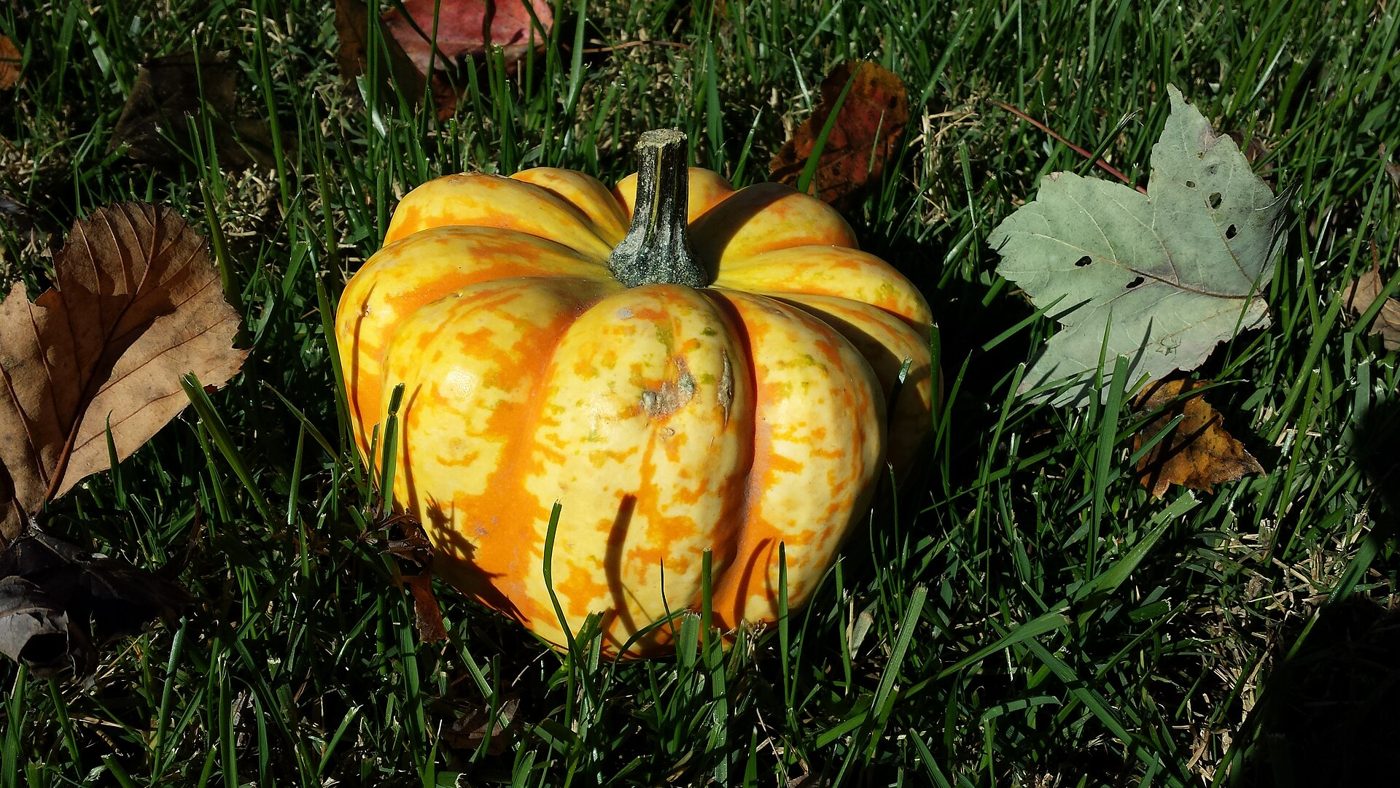
Ornamental cream-and-orange mottling that still cooks well, useful for fall displays that get eaten.
Honeybear (compact)
Small fruit on a short vine, well suited to small beds.
Growing acorn squash in containers
Compact types like Honeybear work in a 10-gallon pot; standard acorn vines need 20+ sq ft or a trellis with fruit support.
Nutrition
Beta-carotene (winter squash), silica, vitamin K, hydration mineral profile.
Common questions
Why did my acorn squash go bad faster than my neighbor's butternut?
It's not a mistake: acorn squash simply has a shorter shelf life (weeks, not months) than thicker-skinned types like butternut or hubbard.
Do I need to peel acorn squash before cooking?
No, the skin softens fully when roasted cut-side down and is edible.
Where these numbers come from
- USDA Plant Hardiness Zone Map (2023 revision). Zone assignment and the 30-year normals behind every cold-hardiness figure.
- NOAA NCEI 1991-2020 Climate Normals. Frost dates, growing-season length, and the probability bands on both.
- Cornell, UMN, and UC Davis Cooperative Extension crop guides. Spacing, days to maturity, soil pH targets, and per-plant yield ranges.
- USDA FSIS / FDA Produce Safety guidance. Wash, cure, and cold-storage handling numbers.
Ranges are regional guidance, not a promise for your yard. Your own logged results always override the published range.