Crop Library

Crop, fruit & herb profiles

Showing 158 varieties suited to Zone 6b. Timing rows use your saved frost dates when you're signed in.

Acorn Squash plant: Cucurbitaceae crop profile photo

Acorn Squash

Cucurbitaceae

Zone 4a+
Sun
Full sun
Spacing
24-36 in
Maturity
75-100 days
Companions
Corn, Bean, Radish

When to plant (from your frost dates)

  • Start seeds indoors~2026-04-04 (3 wks before last frost)
  • Transplant out~2026-05-09
  • Direct sow~2026-05-09

Tip · Ripe rind resists a fingernail poke and the ground spot has turned orange; harvest before frost damages the skin.

Pests: Squash vine borer, squash bug.

Avoid near: Potato

Fertilizer plan

Ratio · Balanced 5-5-5, ease off N at flowering

Organic options · Compost + aged manure in the hill · Fish emulsion until first blossom · Kelp meal + wood ash at flowering

When · Big feed at transplant, side-dress once vines run, potassium boost at flowering.

Watch for · Female flowers dropping = pollination issue, not fertilizer.

N = nitrogen (leaves), P = phosphorus (roots & flowers), K = potassium (fruit & disease resistance).
Almond

Rosaceae

Zone 6a+
Sun
Full sun
Spacing
15-25 ft
Maturity
3-5 years to bearing (perennial tree)
Companions
Chive, Garlic

When to plant (from your frost dates)

  • Transplant out~2026-05-09

Tip · Blooms very early, even earlier than apricot; late spring frost is the biggest threat to a nut crop, more than any pest.

Pests: Navel orangeworm, peach twig borer, brown rot.

Fertilizer plan

Ratio · Balanced 5-5-5, avoid fresh manure

Organic options · Compost mulch every spring · Blood meal + bone meal before flowering · Kelp meal after harvest

When · Once in spring, once after fruiting. Renovate strawberry beds every 3 yrs.

Watch for · Runner overload but few berries = too much N.

N = nitrogen (leaves), P = phosphorus (roots & flowers), K = potassium (fruit & disease resistance).
Zone 4a+
Sun
Full sun
Spacing
8-12 in
Maturity
30-45 days
Companions
Corn, Bean

When to plant (from your frost dates)

  • Direct sow~2026-05-09

Tip · Grows fast in real heat when lettuce won't; cut leaves regularly and the plant resprouts from the base.

Pests: Flea beetle, aphid, rarely serious.

Fertilizer plan

Ratio · Balanced 5-5-5, boron matters for beets

Organic options · Compost + wood ash · Kelp meal for micronutrients · Fish emulsion every 3 wks

When · Bed prep with compost + kelp, one side-dress mid-season.

Watch for · Black spot in beet roots = boron deficit; a pinch of borax per gallon foliar-sprayed fixes it.

N = nitrogen (leaves), P = phosphorus (roots & flowers), K = potassium (fruit & disease resistance).
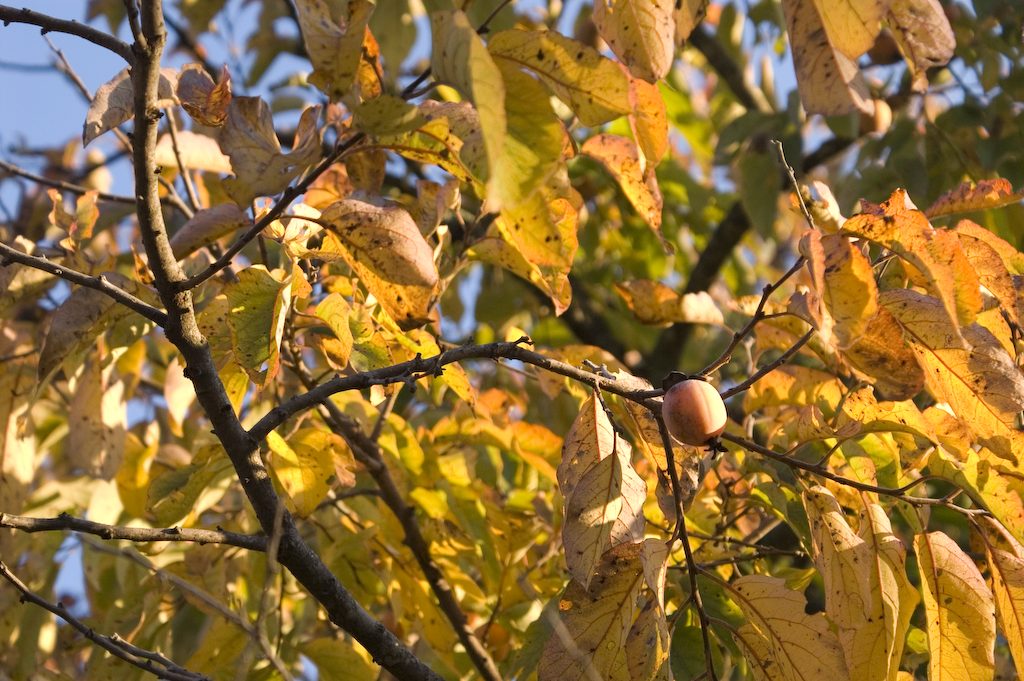
American Persimmon plant: Ebenaceae crop profile photo
Zone 4a+
Sun
Full sun
Spacing
20-35 ft
Maturity
5-7 years to bearing (perennial tree)
Companions
Pawpaw, Elderberry

When to plant (from your frost dates)

  • Transplant out~2026-05-09

Tip · Fruit is astringent until fully soft-ripe; wait until it looks nearly rotten and falls into your hand, not before.

Pests: Persimmon borer, rarely serious; deer browse young trees hard.

Anise

Apiaceae

Zone 5a+
Sun
Full sun
Spacing
8-12 in
Maturity
100-120 days
Companions
Coriander

When to plant (from your frost dates)

  • Start seeds indoors~2026-03-14 (6 wks before last frost)
  • Transplant out~2026-05-02
  • Direct sow~2026-05-02

Tip · Needs a long, warm, frost-free season to set seed; stake plants, as the thin stalks flop once seed heads fill out.

Pests: Aphid; otherwise rarely bothered.

Avoid near: Carrot, Dill (cross-pollinates and both bolt in competition)

Fertilizer plan

Ratio · Low N, higher P (3-6-6)

Organic options · Compost only in bed prep · Bone meal at sowing · Skip nitrogen top-dress

When · Feed the bed, not the plant. Carrots/parsnips fork or hair-root with fresh manure.

Watch for · Forked roots = too much N or fresh manure; use only well-aged compost.

N = nitrogen (leaves), P = phosphorus (roots & flowers), K = potassium (fruit & disease resistance).
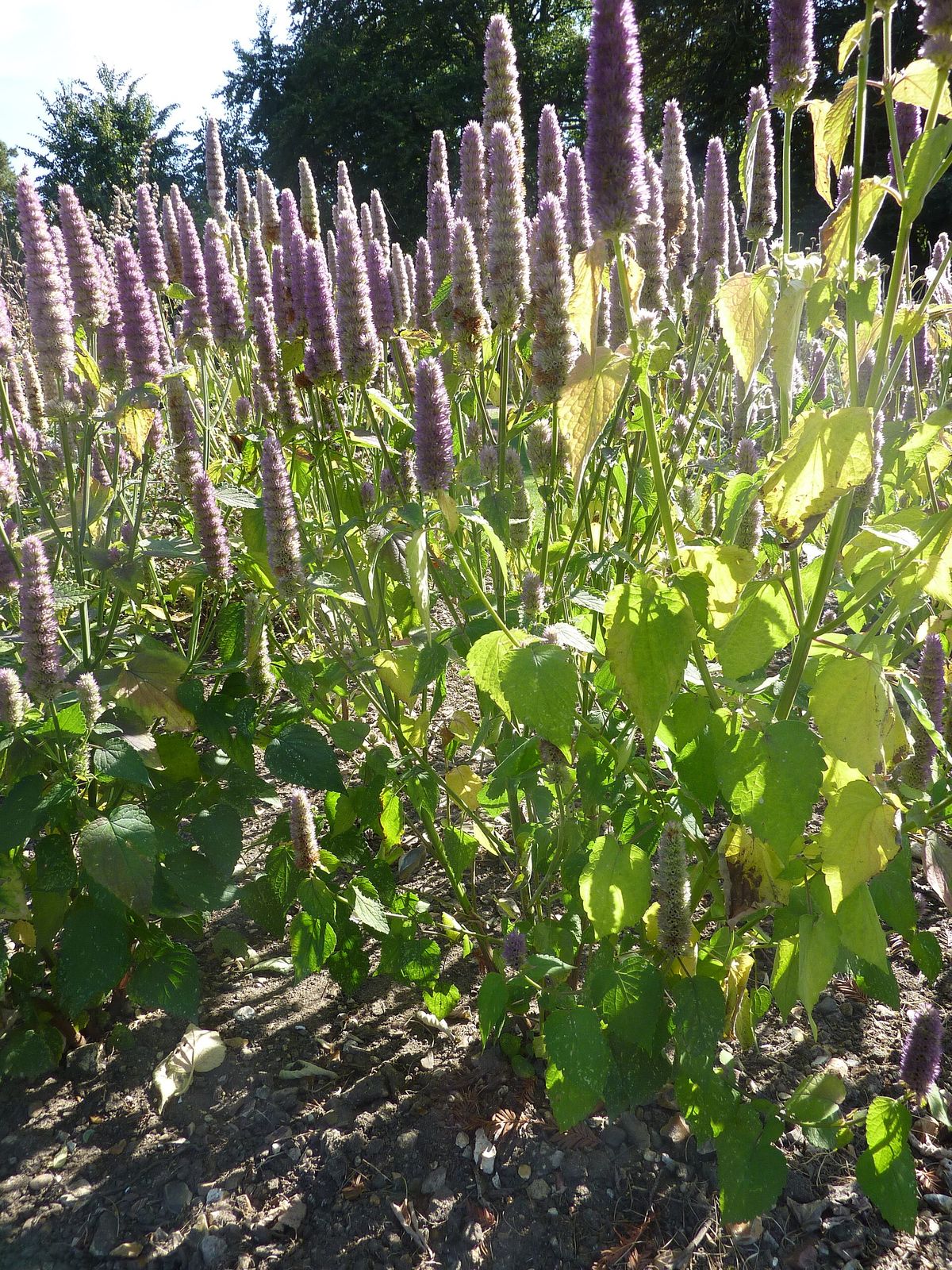
Anise Hyssop plant: Lamiaceae crop profile photo

Anise Hyssop

Lamiaceae

Zone 4a+
Sun
Full sun to part shade
Spacing
12-18 in
Maturity
90 days (perennial)
Companions
Squash, Bean

When to plant (from your frost dates)

  • Start seeds indoors~2026-02-28 (8 wks before last frost)
  • Transplant out~2026-05-09

Tip · Deadhead spent spikes to extend bloom all summer; bees and hummingbirds favor it over almost anything else nearby.

Pests: Rarely bothered.

Fertilizer plan

Ratio · Low fertilizer: herbs go bland when overfed

Organic options · Compost once at planting · Weak fish emulsion once mid-season if pale · Nothing after that

When · Feed lightly if at all. Mediterranean herbs (rosemary, thyme, oregano) thrive in lean soil.

Watch for · Fast, floppy, weak-flavored growth = too rich.

N = nitrogen (leaves), P = phosphorus (roots & flowers), K = potassium (fruit & disease resistance).
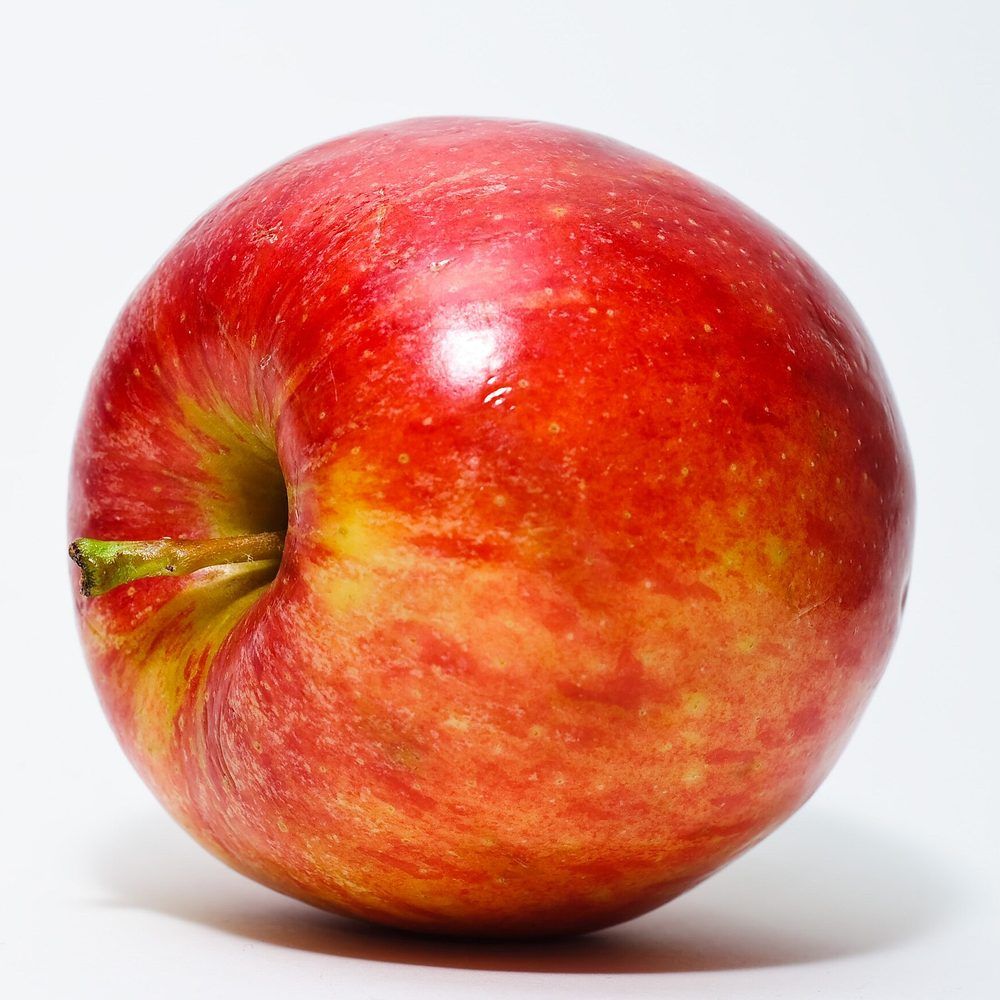
Apple plant: Rosaceae crop profile photo

Apple

Rosaceae

Zone 3a+
Sun
Full sun
Spacing
10-15 ft (semi-dwarf)
Maturity
Yr 3-5 fruiting (perennial tree)
Companions
Chives, Nasturtium, Garlic, Comfrey

When to plant (from your frost dates)

  • Transplant out~2026-03-14

Tip · Plant two different cultivars within 50 ft for cross-pollination. Prune to an open-vase shape.

Pests: Codling moth, apple maggot. Bag fruit or use kaolin clay.

Avoid near: Potato

Fertilizer plan

Ratio · Balanced 5-5-5, avoid fresh manure

Organic options · Compost mulch every spring · Blood meal + bone meal before flowering · Kelp meal after harvest

When · Once in spring, once after fruiting. Renovate strawberry beds every 3 yrs.

Watch for · Runner overload but few berries = too much N.

N = nitrogen (leaves), P = phosphorus (roots & flowers), K = potassium (fruit & disease resistance).
Apricot

Rosaceae

Zone 5a+
Sun
Full sun
Spacing
15-20 ft
Maturity
3-4 years to bearing (perennial tree)
Companions
Chive, Garlic

When to plant (from your frost dates)

  • Transplant out~2026-05-09

Tip · Blooms very early, so it's often frost-hit; plant on a north-facing slope or against a wall to delay bloom by a few key days.

Pests: Plum curculio, brown rot, aphid.

Avoid near: Black walnut

Fertilizer plan

Ratio · Balanced 5-5-5, avoid fresh manure

Organic options · Compost mulch every spring · Blood meal + bone meal before flowering · Kelp meal after harvest

When · Once in spring, once after fruiting. Renovate strawberry beds every 3 yrs.

Watch for · Runner overload but few berries = too much N.

N = nitrogen (leaves), P = phosphorus (roots & flowers), K = potassium (fruit & disease resistance).
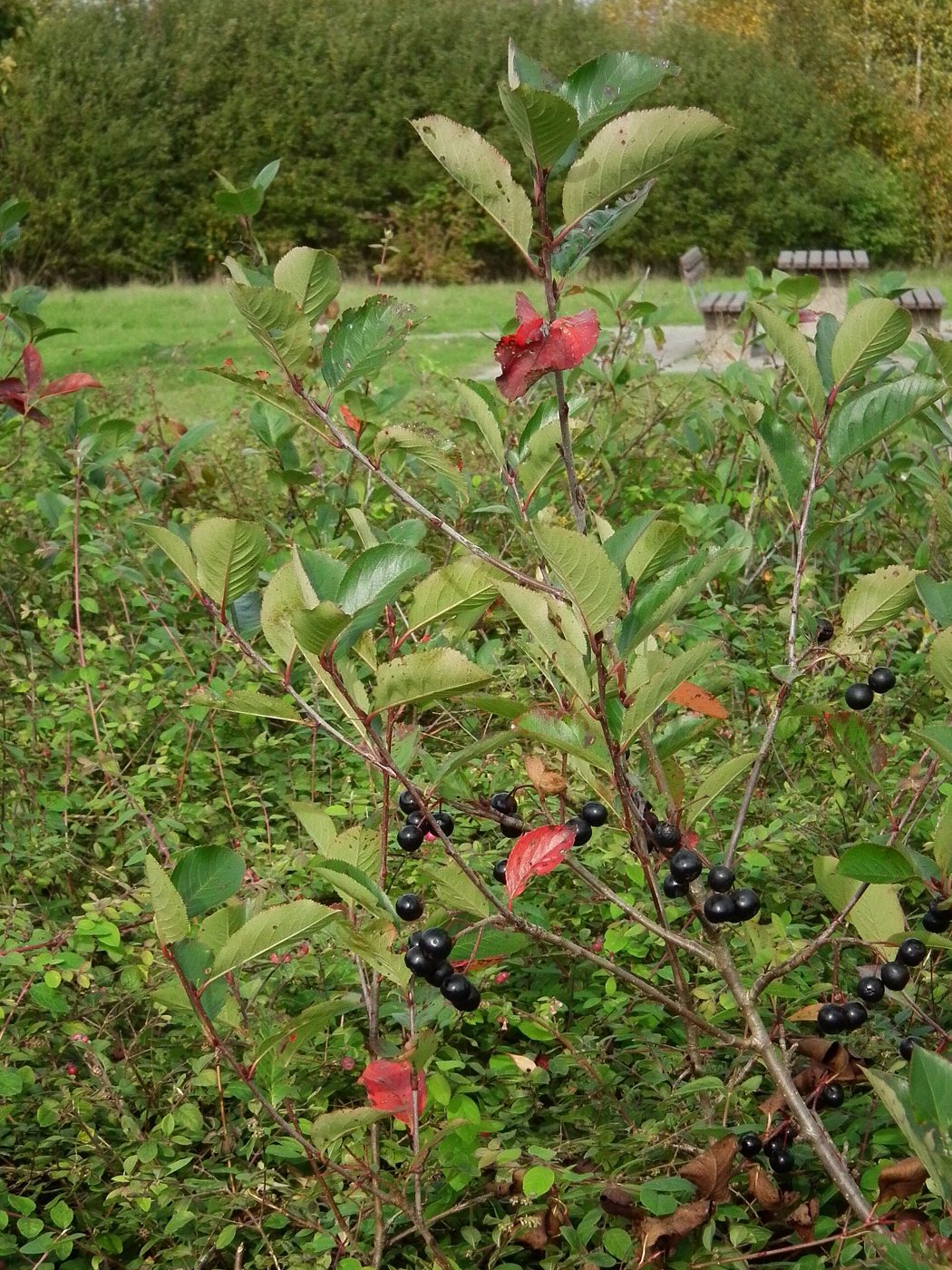
Aronia (Black Chokeberry) plant: Rosaceae crop profile photo
Sun
Full sun to part shade
Spacing
4-6 ft
Maturity
2-3 years to bearing (perennial shrub)
Companions
Elderberry, Blueberry

When to plant (from your frost dates)

  • Transplant out~2026-05-09

Tip · Fruit looks ripe well before it's ready; wait until berries turn nearly black and soften slightly to avoid the sharp astringency of early picking.

Pests: Rarely bothered; one of the toughest, most disease-resistant fruiting shrubs available.

Fertilizer plan

Ratio · Balanced 5-5-5, avoid fresh manure

Organic options · Compost mulch every spring · Blood meal + bone meal before flowering · Kelp meal after harvest

When · Once in spring, once after fruiting. Renovate strawberry beds every 3 yrs.

Watch for · Runner overload but few berries = too much N.

N = nitrogen (leaves), P = phosphorus (roots & flowers), K = potassium (fruit & disease resistance).
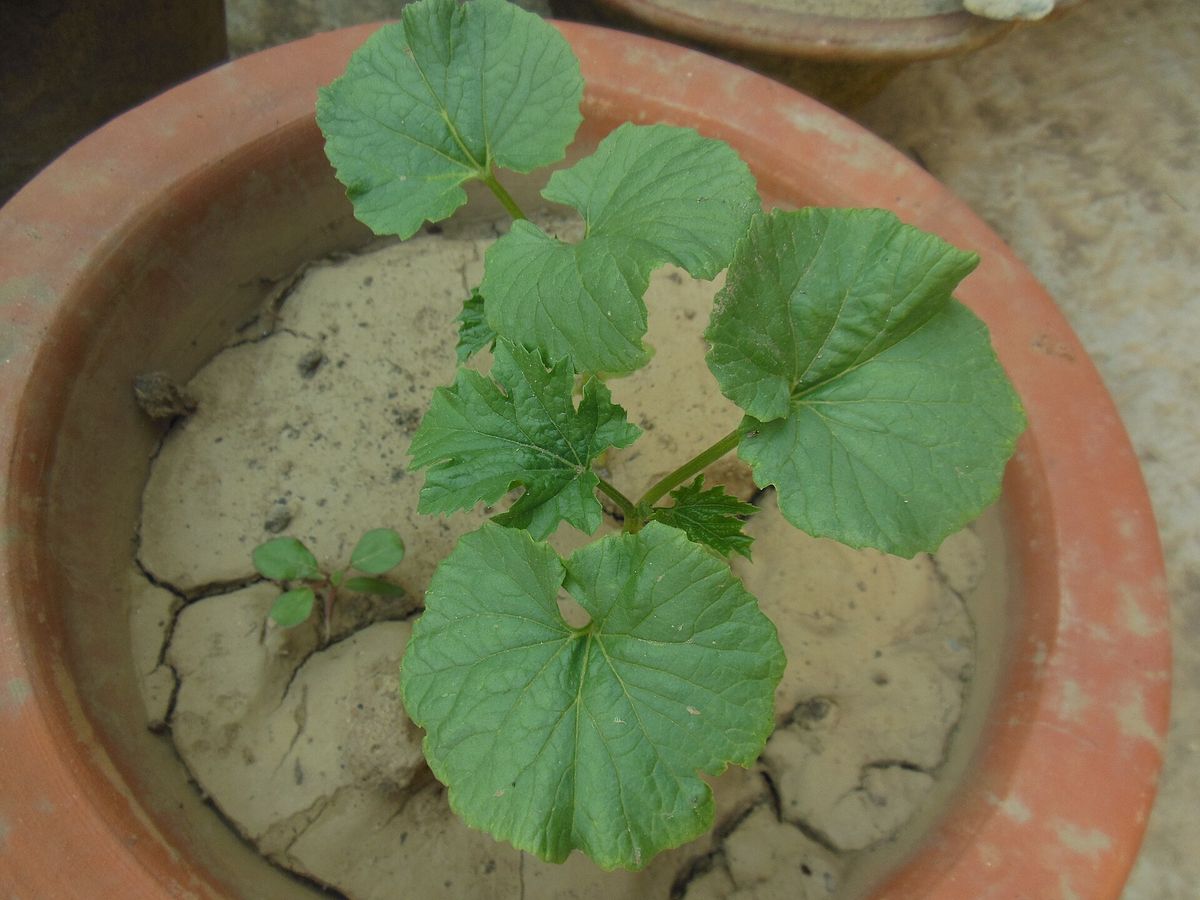
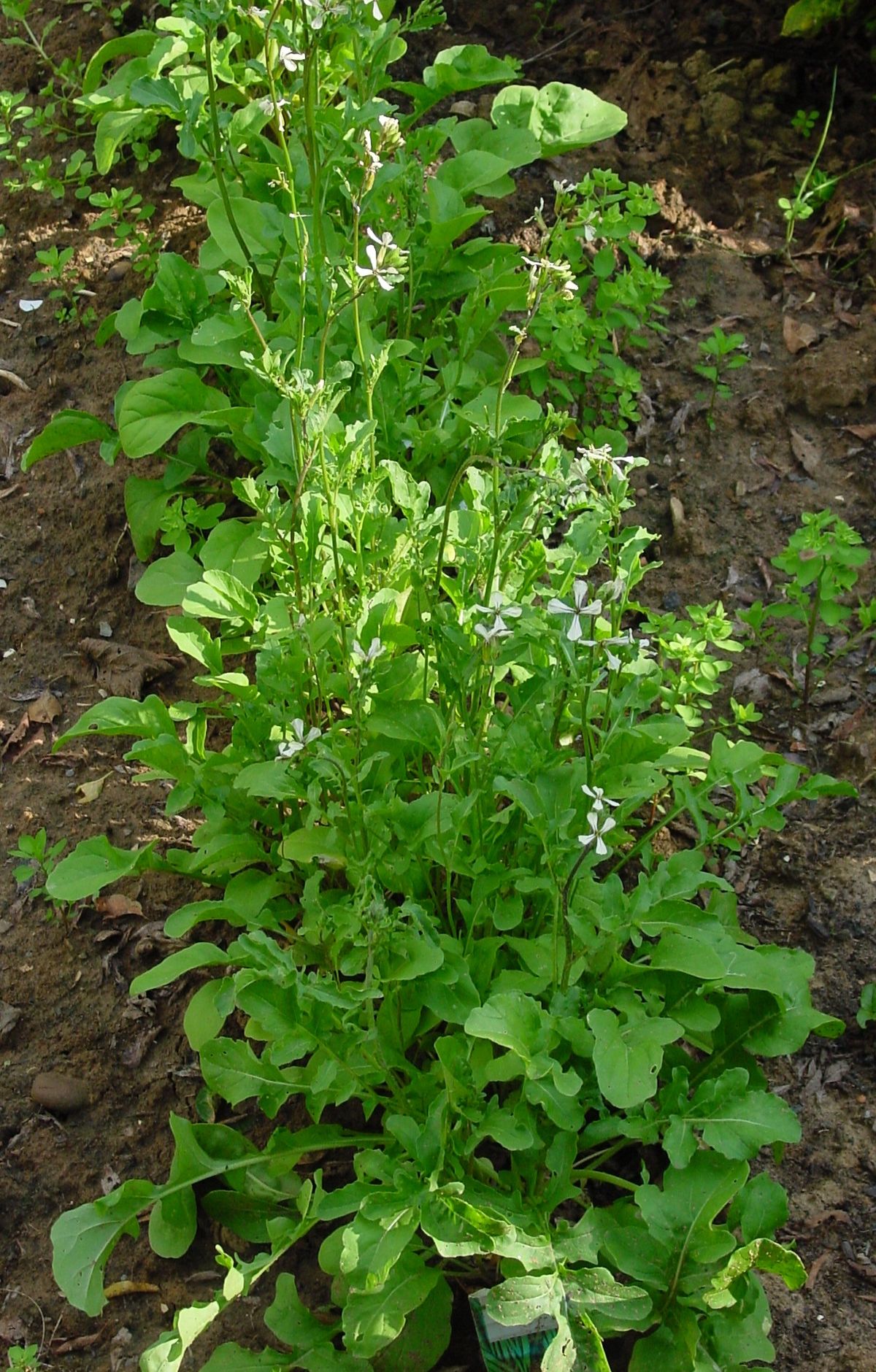
Arugula plant: Brassicaceae crop profile photo

Arugula

Brassicaceae

Zone 3a+
Sun
Full sun to part shade
Spacing
4-6 in
Maturity
25-40 days
Companions
Lettuce, Onion, Beet, Carrot

When to plant (from your frost dates)

  • Direct sow~2026-03-28

Tip · The fastest crop in the garden: sow a short row every two weeks. Cut leaves at 3-4 in for a mild peppery bite; heat and age make it sharp and bitter.

Pests: Flea beetle (the main one), aphid, slug.

Avoid near: Other brassicas in the same bed

Fertilizer plan

Ratio · High N (10-5-5): heavy feeders

Organic options · Aged manure or compost worked in deep · Blood meal or feather meal side-dress at 3 wks · Fish emulsion every 2 wks

When · Feed heavily every 2-3 weeks. Brassicas want steady nitrogen for tight heads.

Watch for · Pale/yellow leaves = needs N. Loose heads = feed harder next round.

N = nitrogen (leaves), P = phosphorus (roots & flowers), K = potassium (fruit & disease resistance).
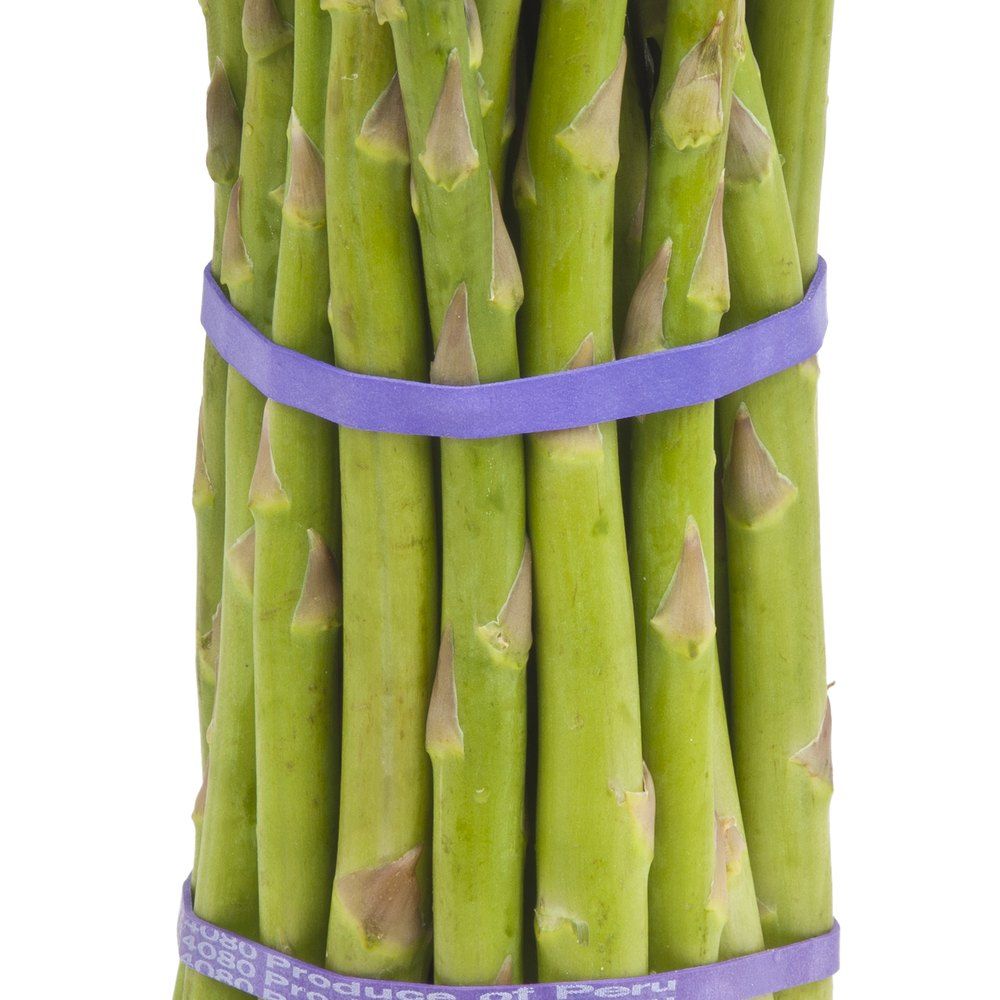
Asparagus plant: Asparagaceae crop profile photo

Asparagus

Asparagaceae

Zone 3a+
Sun
Full sun
Spacing
12-18 in, rows 48 in
Maturity
Yr 3 harvest (perennial)
Companions
Tomato, Basil, Parsley, Marigold

When to plant (from your frost dates)

  • Transplant out~2026-03-28

Tip · A 20-year bed, so prepare it once and properly: plant crowns 6 in deep in loose compost-rich soil. Don't cut spears year 1 or 2, take a light 2-week cut year 3, full harvest after that.

Pests: Asparagus beetle, slug on new spears, fusarium crown rot in wet soil.

Avoid near: Onion, Garlic, Potato

Fertilizer plan

Ratio · Balanced 5-10-10 for a perennial crown

Organic options · 2-3 in compost over the row each spring · Bone meal before spears emerge · Feed again after the cutting season ends

When · Twice a year: early spring before spears, then after the last cut while ferns build next year's crown.

Watch for · Thin, spindly spears = crown is under-fed or was cut too long last year.

N = nitrogen (leaves), P = phosphorus (roots & flowers), K = potassium (fruit & disease resistance).
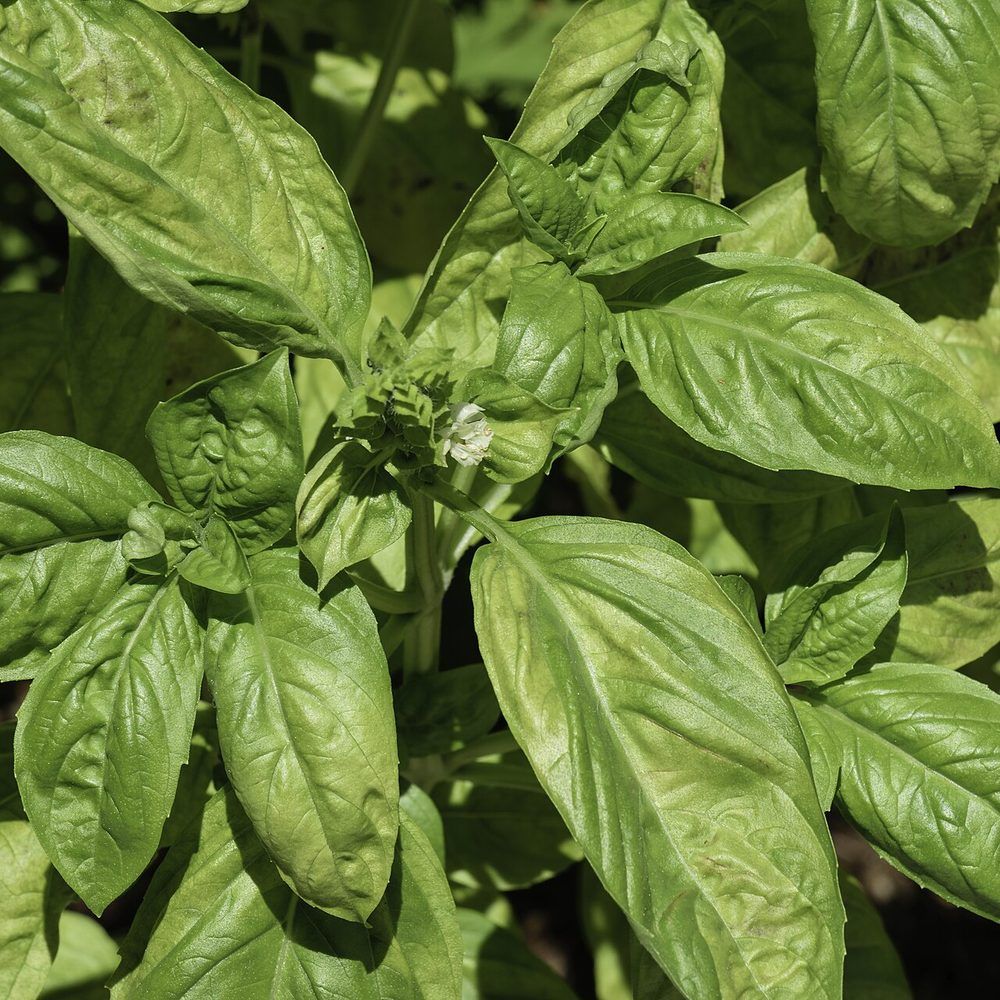
Basil plant: Lamiaceae crop profile photo

Basil

Lamiaceae

Zone 3a+
Sun
Full sun, 6-8 hrs
Spacing
10-12 in
Maturity
60-90 days
Companions
Tomato, Pepper, Oregano

When to plant (from your frost dates)

  • Start seeds indoors~2026-03-14 (6 wks before last frost)
  • Transplant out~2026-05-09
  • Direct sow~2026-05-09

Tip · Pinch flower spikes the moment you see them: leaves stay sweet all season.

Pests: Japanese beetle, aphids. Pinch weekly to keep it bushy.

Avoid near: Rue, Sage

Fertilizer plan

Ratio · Low fertilizer: herbs go bland when overfed

Organic options · Compost once at planting · Weak fish emulsion once mid-season if pale · Nothing after that

When · Feed lightly if at all. Mediterranean herbs (rosemary, thyme, oregano) thrive in lean soil.

Watch for · Fast, floppy, weak-flavored growth = too rich.

N = nitrogen (leaves), P = phosphorus (roots & flowers), K = potassium (fruit & disease resistance).
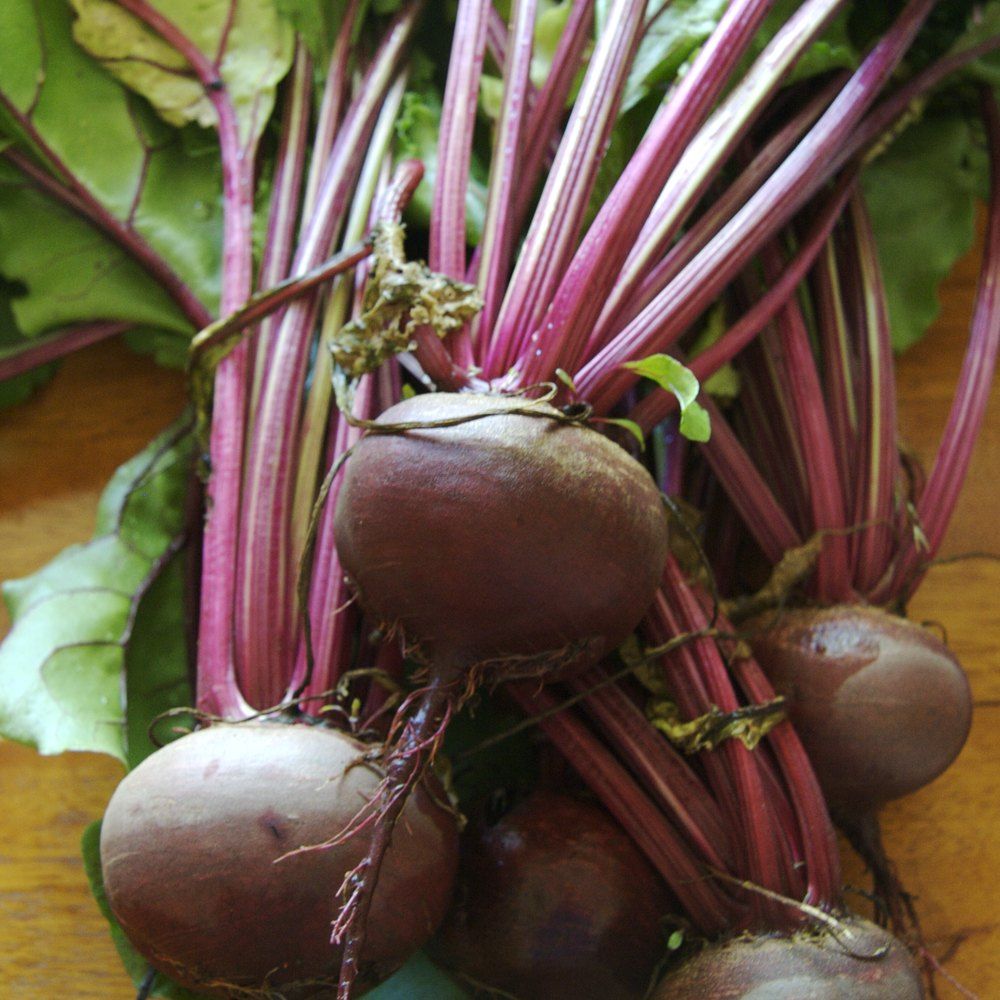
Beet plant: Amaranthaceae crop profile photo

Beet

Amaranthaceae

Zone 3a+
Sun
Full sun
Spacing
3-4 in
Maturity
50-70 days
Companions
Onion, Lettuce, Brassicas

When to plant (from your frost dates)

  • Direct sow~2026-04-04

Tip · Each 'seed' is a cluster. Thin ruthlessly, and eat the thinnings as greens.

Pests: Leaf miner.

Avoid near: Pole bean

Fertilizer plan

Ratio · Balanced 5-5-5, boron matters for beets

Organic options · Compost + wood ash · Kelp meal for micronutrients · Fish emulsion every 3 wks

When · Bed prep with compost + kelp, one side-dress mid-season.

Watch for · Black spot in beet roots = boron deficit; a pinch of borax per gallon foliar-sprayed fixes it.

N = nitrogen (leaves), P = phosphorus (roots & flowers), K = potassium (fruit & disease resistance).
Bitter Melon plant: Cucurbitaceae crop profile photo

Bitter Melon

Cucurbitaceae

Zone 6a+
Sun
Full sun, 8+ hrs
Spacing
12-18 in on a trellis
Maturity
60-90 days
Companions
Corn, Bean

When to plant (from your frost dates)

  • Start seeds indoors~2026-03-28 (4 wks before last frost)
  • Transplant out~2026-05-09
  • Direct sow~2026-05-09

Tip · Pick fruit while still green and firm; left to yellow and split, it turns bitter to the point of inedible.

Pests: Cucumber beetle, fruit fly, powdery mildew.

Avoid near: Potato

Fertilizer plan

Ratio · Balanced 5-5-5, ease off N at flowering

Organic options · Compost + aged manure in the hill · Fish emulsion until first blossom · Kelp meal + wood ash at flowering

When · Big feed at transplant, side-dress once vines run, potassium boost at flowering.

Watch for · Female flowers dropping = pollination issue, not fertilizer.

N = nitrogen (leaves), P = phosphorus (roots & flowers), K = potassium (fruit & disease resistance).
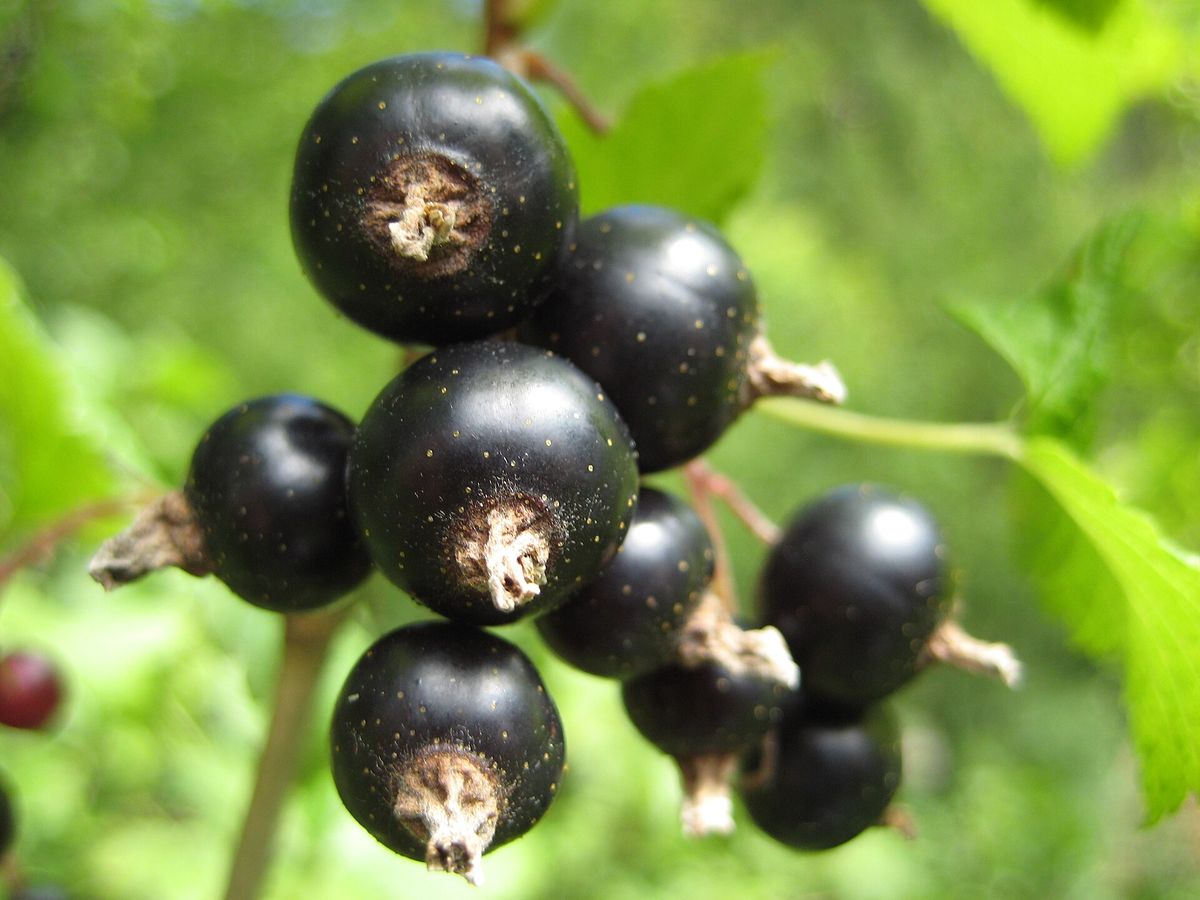
Black Currant plant: Grossulariaceae crop profile photo

Black Currant

Grossulariaceae

Zone 3a+
Sun
Full sun to part shade
Spacing
4-5 ft
Maturity
2-3 years to bearing (perennial shrub)
Companions
Gooseberry, Elderberry

When to plant (from your frost dates)

  • Transplant out~2026-05-09

Tip · Check state rules before planting: currants can be restricted near white pine stands due to blister rust; resistant cultivars exist where it's allowed.

Pests: Currant borer, aphid, white pine blister rust where restricted.

Avoid near: White pine (both host white pine blister rust; check local restrictions before planting)

Black Walnut

Juglandaceae

Zone 4a+
Sun
Full sun
Spacing
50-70 ft
Maturity
8-10 years to bearing (perennial tree)
Companions

When to plant (from your frost dates)

  • Transplant out~2026-05-09

Tip · Give it a wide berth from the vegetable garden and other fruit trees; juglone in fallen leaves and roots can persist in soil for years.

Pests: Walnut husk fly, aphid.

Avoid near: Tomato, Pepper, Apple, Blueberry (all sensitive to juglone toxicity from the roots)

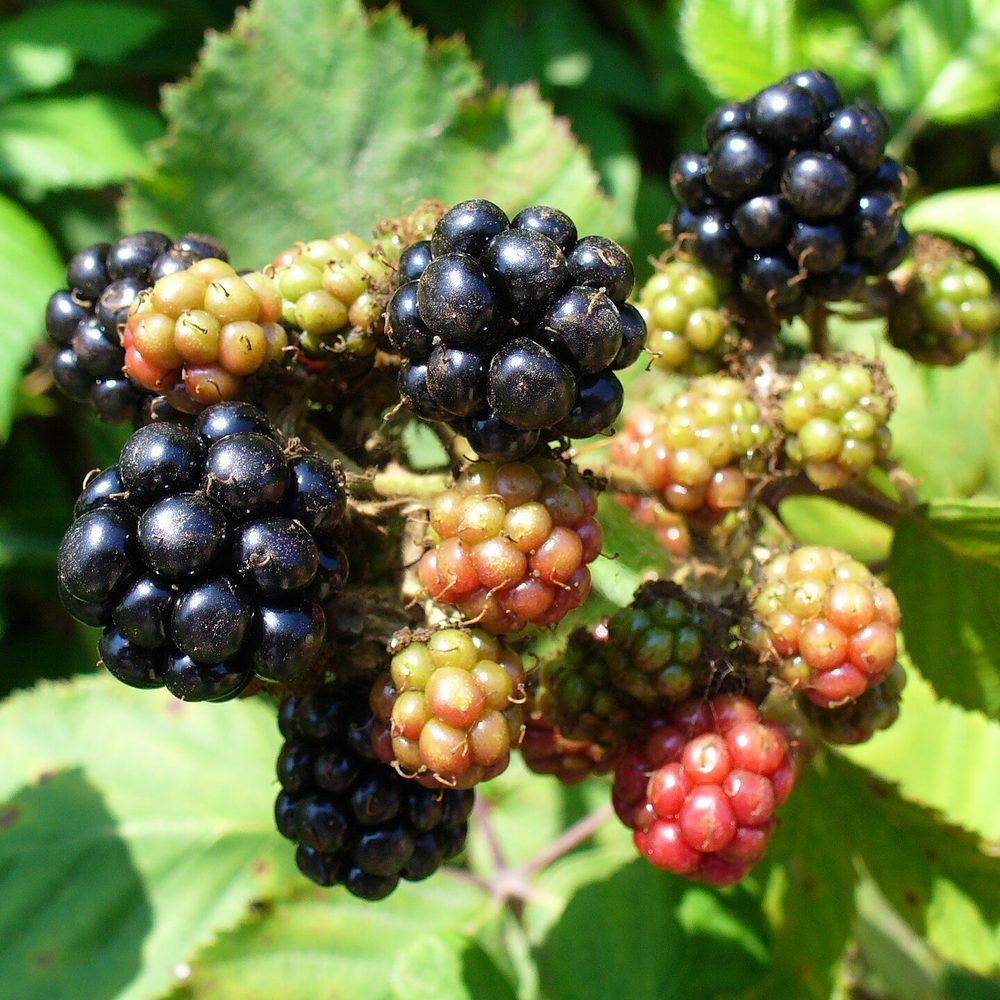
Blackberry plant: Rosaceae crop profile photo

Blackberry

Rosaceae

Zone 5a+
Sun
Full sun
Spacing
3-4 ft in rows 8 ft apart
Maturity
Yr 2 fruiting (perennial cane)
Companions
Bean, Garlic

When to plant (from your frost dates)

  • Transplant out~2026-03-14

Tip · Choose thornless cultivars (Triple Crown, Chester). Tip-prune primocanes at 4 ft to force branching.

Pests: Spotted-wing drosophila, cane borers.

Avoid near: Raspberry, Nightshades

Fertilizer plan

Ratio · Balanced 5-5-5, avoid fresh manure

Organic options · Compost mulch every spring · Blood meal + bone meal before flowering · Kelp meal after harvest

When · Once in spring, once after fruiting. Renovate strawberry beds every 3 yrs.

Watch for · Runner overload but few berries = too much N.

N = nitrogen (leaves), P = phosphorus (roots & flowers), K = potassium (fruit & disease resistance).
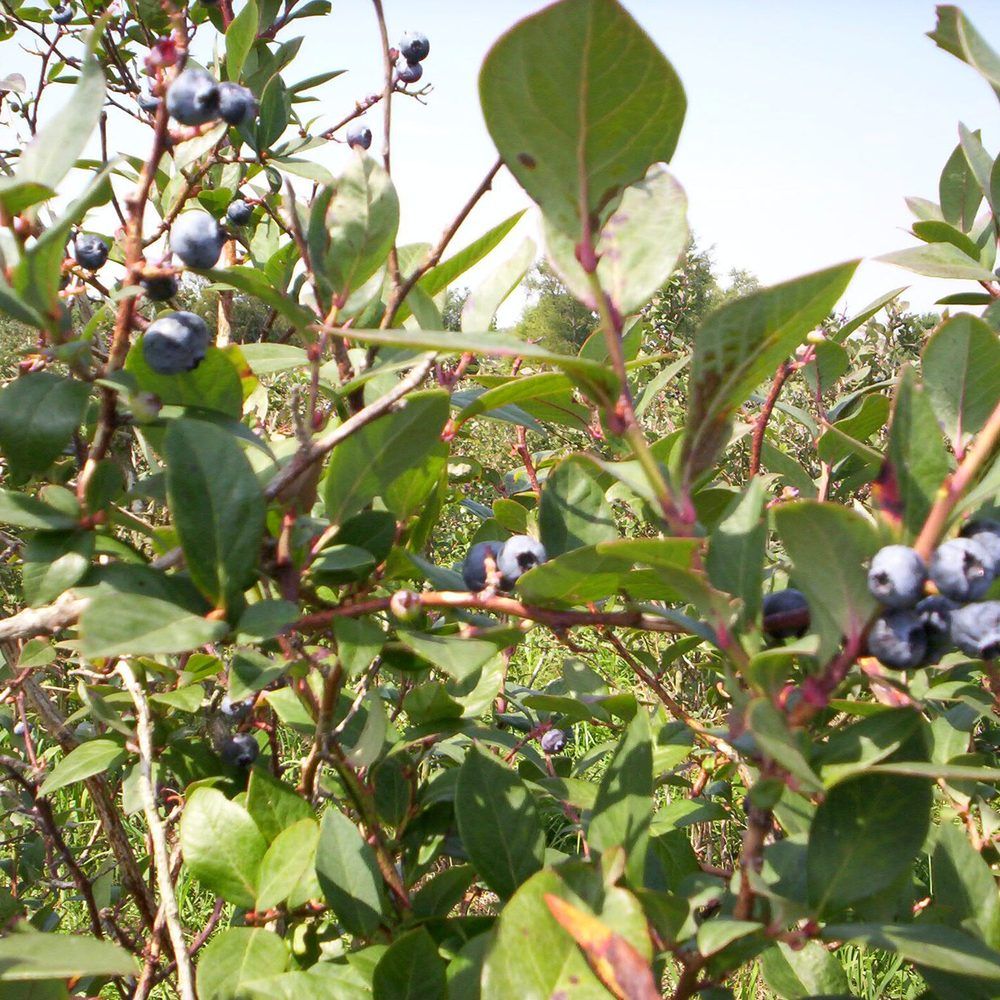
Blueberry plant: Ericaceae crop profile photo

Blueberry

Ericaceae

Zone 3a+
Sun
Full sun
Spacing
4-6 ft
Maturity
Yr 2-3 (perennial shrub)
Companions
Strawberry, Rhododendron

When to plant (from your frost dates)

  • Transplant out~2026-03-14

Tip · Needs acidic soil (pH 4.5-5.5). Mulch with pine needles or coffee grounds; test annually.

Pests: Birds are the main threat: net at pinking.

Avoid near: Anything needing lime

Fertilizer plan

Ratio · Acid-loving: 4-3-4 for blueberries, pH 4.5-5.5

Organic options · Pine bark or peat worked into the planting hole · Cottonseed meal or soy meal in spring · Elemental sulfur to hold pH down

When · Feed twice: bud break and again 6 weeks later. Never after midsummer.

Watch for · Yellow leaves with green veins = pH is too high, not a nitrogen shortage.

N = nitrogen (leaves), P = phosphorus (roots & flowers), K = potassium (fruit & disease resistance).
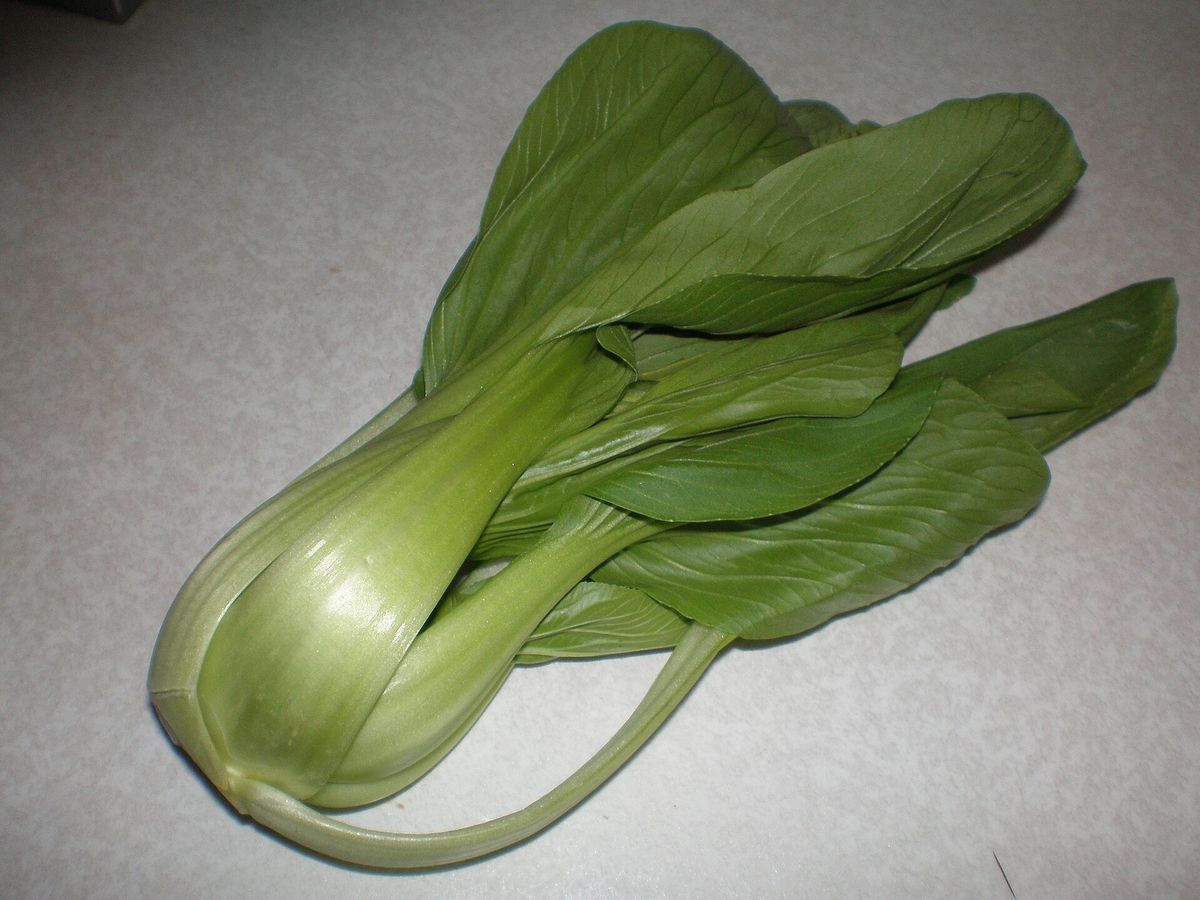
Bok Choy plant: Brassicaceae crop profile photo

Bok Choy

Brassicaceae

Zone 3a+
Sun
Full sun to part shade
Spacing
6-10 in
Maturity
45-60 days
Companions
Onion, Radish, Cilantro

When to plant (from your frost dates)

  • Start seeds indoors~2026-03-28 (4 wks before last frost)
  • Transplant out~2026-04-04
  • Direct sow~2026-04-04

Tip · Bolts fast once days lengthen past 14 hours. Grow it as an early spring or fall crop, not a summer one.

Pests: Flea beetle, cabbage worm, slugs on young leaves.

Avoid near: Tomato, Strawberry

Fertilizer plan

Ratio · High N (10-5-5): heavy feeders

Organic options · Aged manure or compost worked in deep · Blood meal or feather meal side-dress at 3 wks · Fish emulsion every 2 wks

When · Feed heavily every 2-3 weeks. Brassicas want steady nitrogen for tight heads.

Watch for · Pale/yellow leaves = needs N. Loose heads = feed harder next round.

N = nitrogen (leaves), P = phosphorus (roots & flowers), K = potassium (fruit & disease resistance).
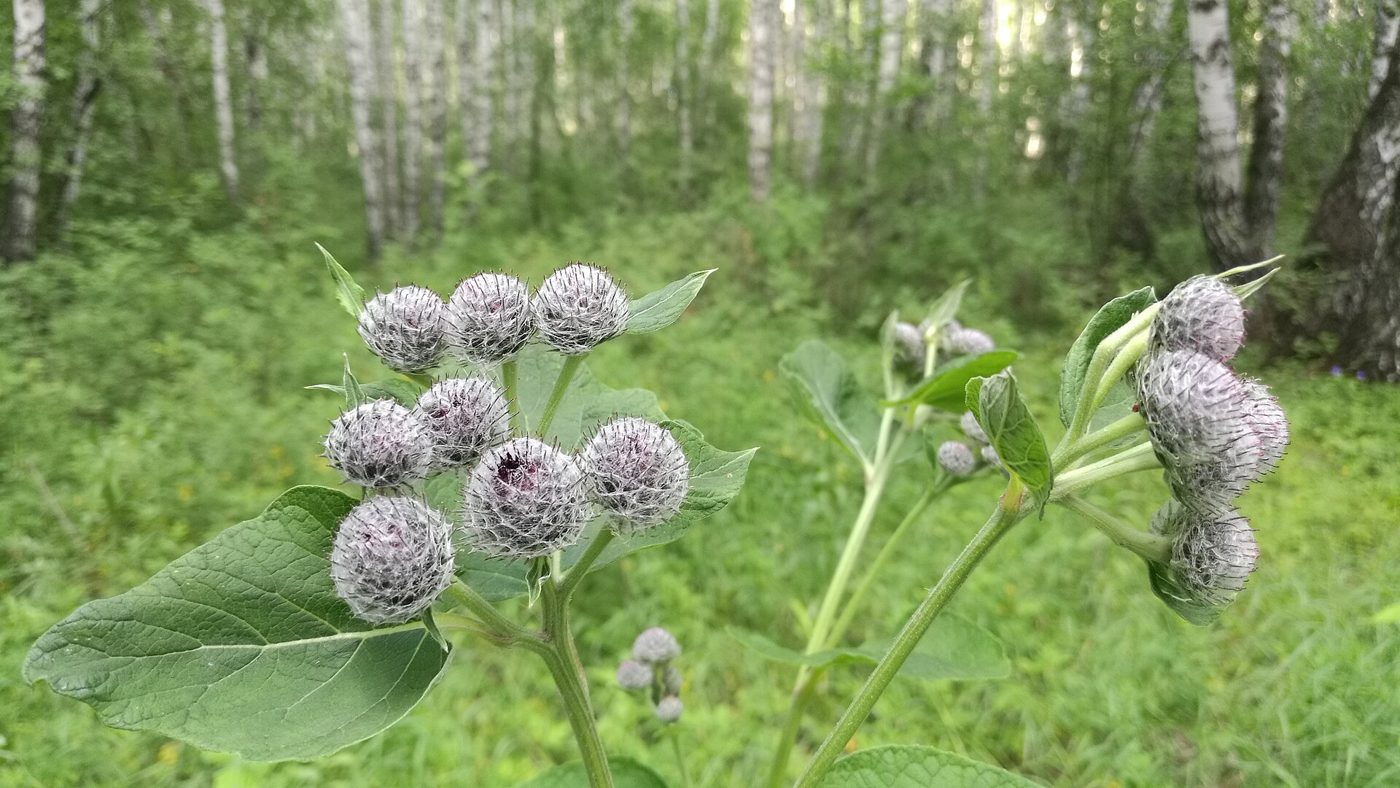
Borage

Boraginaceae

Zone 3a+
Sun
Full sun to part shade
Spacing
12-18 in
Maturity
55-75 days
Companions
Tomato, Squash, Strawberry

When to plant (from your frost dates)

  • Direct sow~2026-05-02

Tip · Self-sows readily; let one plant go to seed each year and it will keep reappearing on its own.

Pests: Rarely bothered.

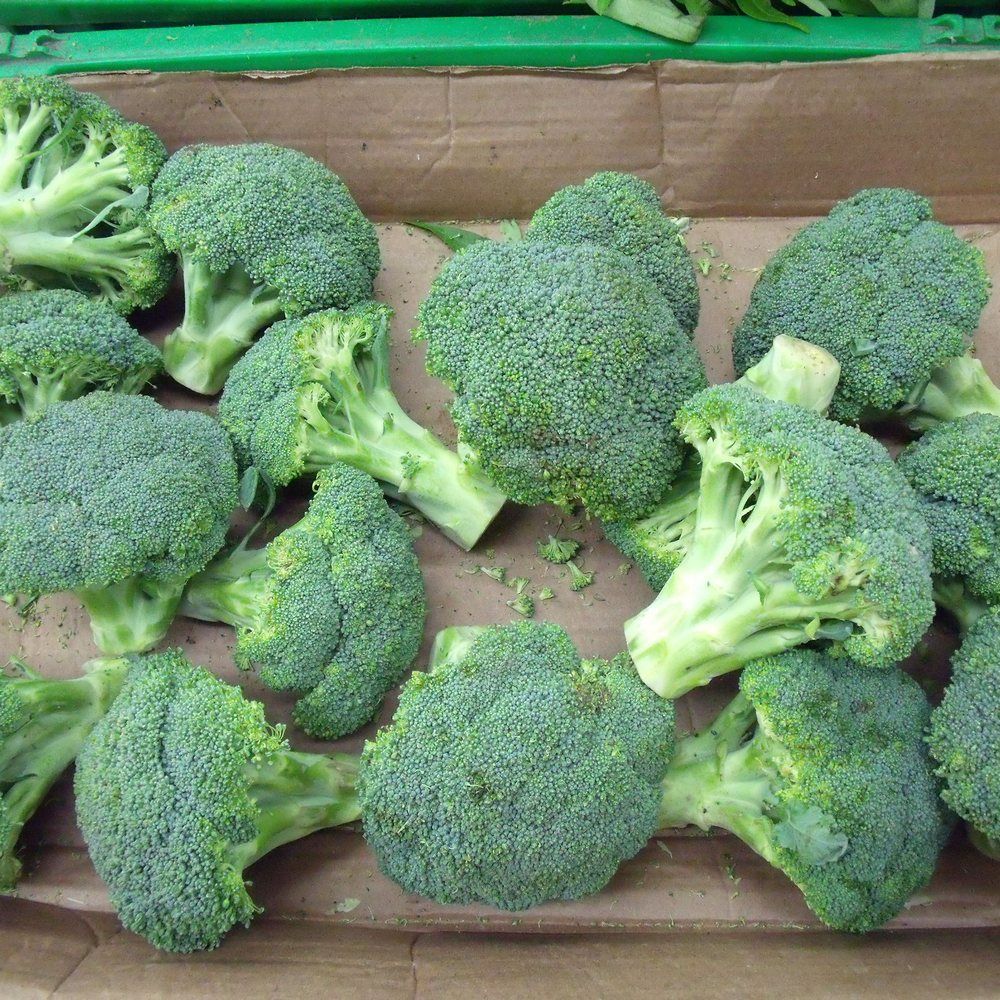
Broccoli plant: Brassicaceae crop profile photo

Broccoli

Brassicaceae

Zone 3a+
Sun
Full sun
Spacing
18-24 in
Maturity
60-90 days
Companions
Onion, Beet, Herbs

When to plant (from your frost dates)

  • Start seeds indoors~2026-03-14 (6 wks before last frost)
  • Transplant out~2026-04-04
  • Direct sow~2026-04-04

Tip · After cutting the main head, side shoots keep coming for weeks: don't pull the plant.

Pests: Cabbage worm, aphid. Row cover.

Avoid near: Tomato, Strawberry

Fertilizer plan

Ratio · High N (10-5-5): heavy feeders

Organic options · Aged manure or compost worked in deep · Blood meal or feather meal side-dress at 3 wks · Fish emulsion every 2 wks

When · Feed heavily every 2-3 weeks. Brassicas want steady nitrogen for tight heads.

Watch for · Pale/yellow leaves = needs N. Loose heads = feed harder next round.

N = nitrogen (leaves), P = phosphorus (roots & flowers), K = potassium (fruit & disease resistance).
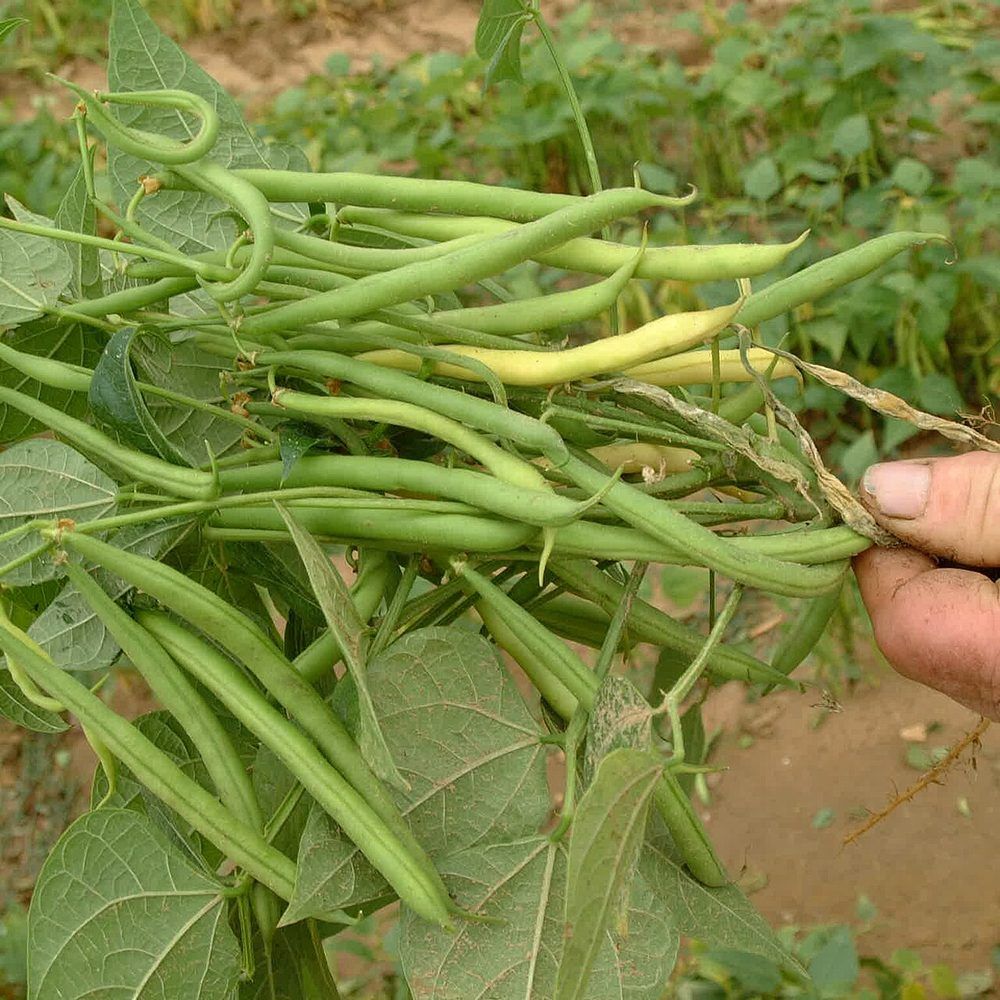
Broccoli Raab

Brassicaceae

Zone 3a+
Sun
Full sun
Spacing
6-8 in
Maturity
40-50 days
Companions
Onion, Dill, Beet

When to plant (from your frost dates)

  • Direct sow~2026-03-28

Tip · Harvest before the small yellow flowers fully open: once they're wide open the stems turn bitter.

Pests: Flea beetle, cabbage worm, aphid.

Avoid near: Tomato, Strawberry

Fertilizer plan

Ratio · High N (10-5-5): heavy feeders

Organic options · Aged manure or compost worked in deep · Blood meal or feather meal side-dress at 3 wks · Fish emulsion every 2 wks

When · Feed heavily every 2-3 weeks. Brassicas want steady nitrogen for tight heads.

Watch for · Pale/yellow leaves = needs N. Loose heads = feed harder next round.

N = nitrogen (leaves), P = phosphorus (roots & flowers), K = potassium (fruit & disease resistance).
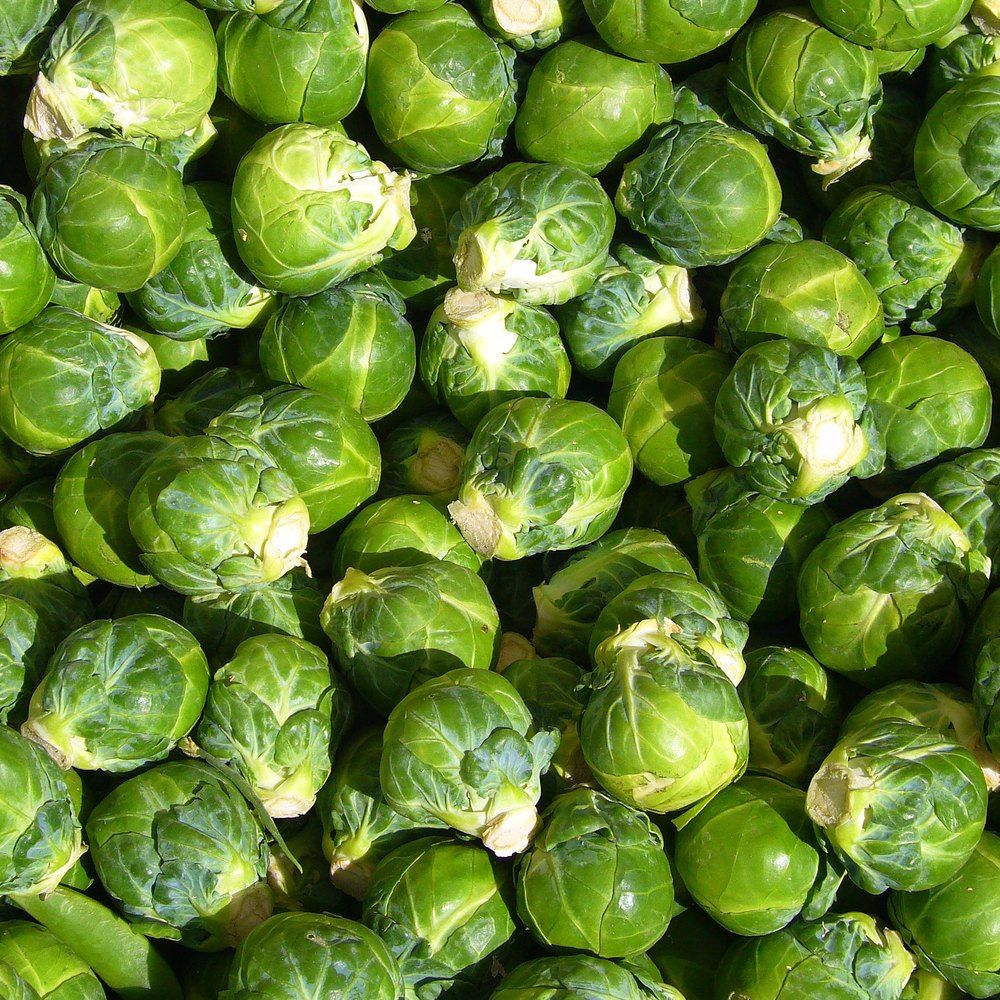
Brussels Sprouts plant: Brassicaceae crop profile photo

Brussels Sprouts

Brassicaceae

Zone 3a+
Sun
Full sun
Spacing
18-24 in
Maturity
90-130 days
Companions
Dill, Onion, Thyme, Beet

When to plant (from your frost dates)

  • Start seeds indoors~2026-03-14 (6 wks before last frost)
  • Transplant out~2026-05-09

Tip · This is a fall crop: frost is what turns the sprouts sweet. Around 4 weeks before harvest, top the growing tip so the plant pushes size into the sprouts.

Pests: Aphid clusters in the sprouts, cabbage worm, cabbage looper.

Avoid near: Tomato, Strawberry, Pole bean

Fertilizer plan

Ratio · High N (10-5-5): heavy feeders

Organic options · Aged manure or compost worked in deep · Blood meal or feather meal side-dress at 3 wks · Fish emulsion every 2 wks

When · Feed heavily every 2-3 weeks. Brassicas want steady nitrogen for tight heads.

Watch for · Pale/yellow leaves = needs N. Loose heads = feed harder next round.

N = nitrogen (leaves), P = phosphorus (roots & flowers), K = potassium (fruit & disease resistance).
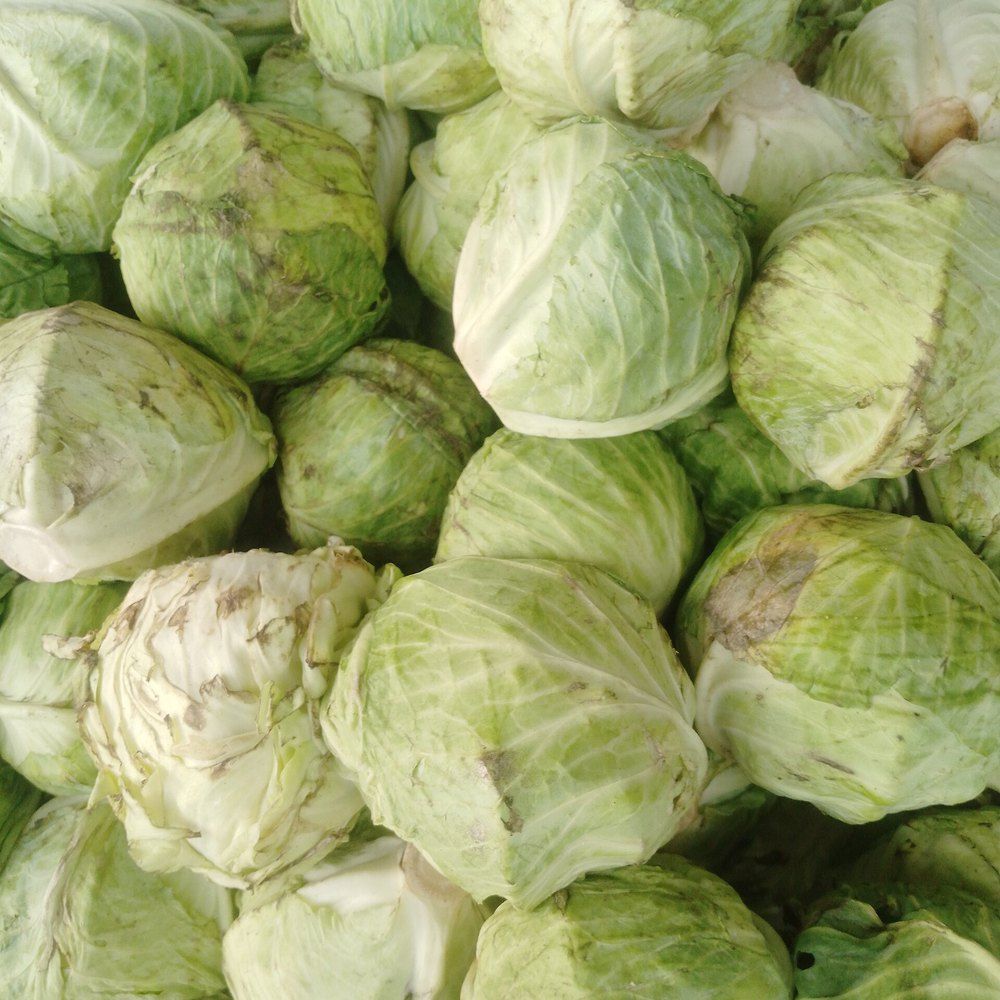
Buckwheat

Polygonaceae

Zone 3a+
Sun
Full sun to part shade
Spacing
3-6 in
Maturity
70-90 days
Companions
Squash, Bean

When to plant (from your frost dates)

  • Direct sow~2026-05-09

Tip · Grows fast enough to double as a summer cover crop; till it in at first flower for a quick fertility boost, or let it seed for grain.

Pests: Rarely bothered; grown as much for pollinator forage as grain.

Fertilizer plan

Ratio · High N (10-5-5): rhubarb is a heavy feeder

Organic options · 4 in aged manure over the crown each spring · Blood meal as leaves push · Compost again after harvest

When · Feed hard in early spring, then once more after the last pull.

Watch for · Thin, short stalks = the crown is hungry or overcrowded; divide every 5 years.

N = nitrogen (leaves), P = phosphorus (roots & flowers), K = potassium (fruit & disease resistance).
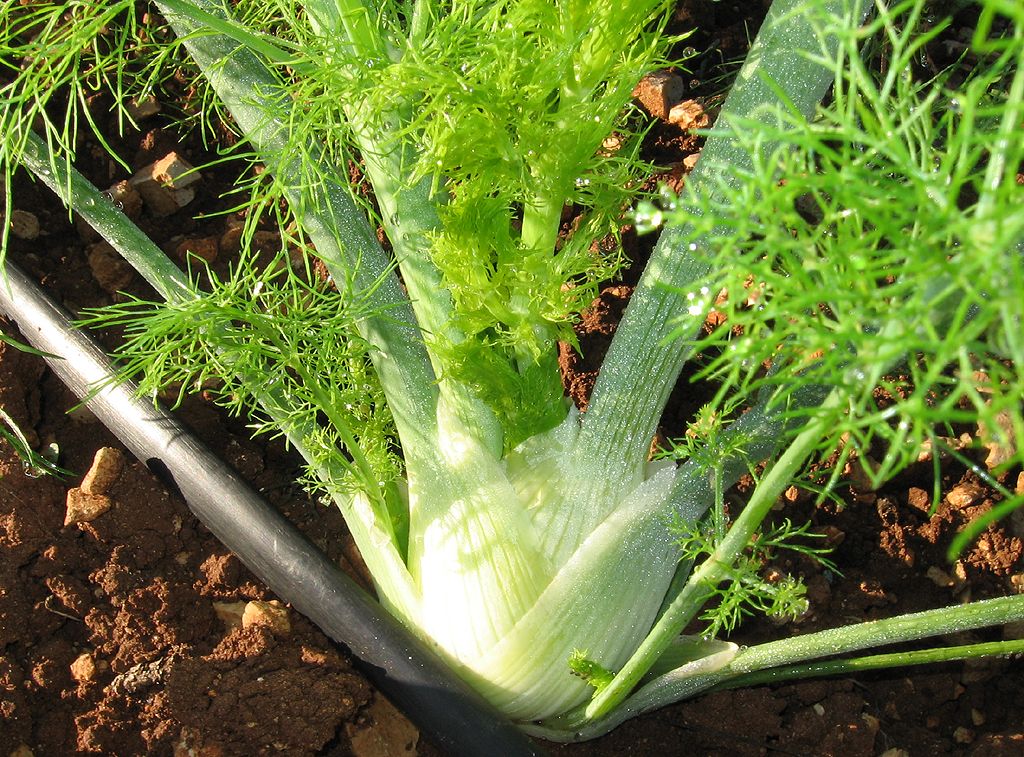
Bulb Fennel (Florence Fennel) plant: Apiaceae crop profile photo
Sun
Full sun
Spacing
8-12 in
Maturity
65-90 days
Companions
Nothing reliably good: fennel inhibits many neighbors

When to plant (from your frost dates)

  • Start seeds indoors~2026-03-28 (4 wks before last frost)
  • Transplant out~2026-04-11
  • Direct sow~2026-04-11

Tip · Bolts fast in heat or from a check in growth; keep it evenly watered and harvest the bulb once it's baseball-sized, before it flowers.

Pests: Aphid, swallowtail caterpillar (a welcome visitor, not a pest to control).

Avoid near: Tomato, Bean, Pepper, Dill (crosses and both bolt)

Fertilizer plan

Ratio · Low N, higher P (3-6-6)

Organic options · Compost only in bed prep · Bone meal at sowing · Skip nitrogen top-dress

When · Feed the bed, not the plant. Carrots/parsnips fork or hair-root with fresh manure.

Watch for · Forked roots = too much N or fresh manure; use only well-aged compost.

N = nitrogen (leaves), P = phosphorus (roots & flowers), K = potassium (fruit & disease resistance).
Burdock (Gobo) plant: Asteraceae crop profile photo

Burdock (Gobo)

Asteraceae

Zone 3a+
Sun
Full sun to part shade
Spacing
8-12 in
Maturity
100-120 days
Companions
Lettuce, Radish

When to plant (from your frost dates)

  • Direct sow~2026-04-11

Tip · Needs 18-24 in of loose, stone-free soil for the taproot to run straight; raised beds or deeply dug trenches work best.

Pests: Rarely bothered.

Avoid near: Shallow beds: the taproot needs real depth

Fertilizer plan

Ratio · Balanced 5-5-5 with steady N

Organic options · Compost tea every 2 wks · Fish emulsion between cuttings · Aged manure in bed prep

When · Light and steady. Lettuce wants constant slow N to stay tender and mild.

Watch for · Bitter greens = heat or under-water, not fertilizer.

N = nitrogen (leaves), P = phosphorus (roots & flowers), K = potassium (fruit & disease resistance).
Bush bean plant: Fabaceae crop profile photo

Bush bean

Fabaceae

Zone 3a+
Sun
Full sun
Spacing
4-6 in
Maturity
50-65 days
Companions
Corn, Cucumber, Carrot, Squash

When to plant (from your frost dates)

  • Direct sow~2026-05-02

Tip · Don't fertilize with nitrogen. Beans fix their own. Pick pods every 2-3 days.

Pests: Mexican bean beetle. Handpick early.

Avoid near: Onion, Garlic

Fertilizer plan

Ratio · LOW N: beans fix their own nitrogen

Organic options · Compost at planting is enough · Rock phosphate for pods · Wood ash for potassium if soil is deficient

When · Do not add nitrogen fertilizer. You'll get leaves, no pods. One compost dose at planting.

Watch for · Inoculate seeds with rhizobia the first time you grow legumes in a bed.

N = nitrogen (leaves), P = phosphorus (roots & flowers), K = potassium (fruit & disease resistance).
Butternut Squash plant: Cucurbitaceae crop profile photo

Butternut Squash

Cucurbitaceae

Zone 4a+
Sun
Full sun
Spacing
36-48 in
Maturity
80-110 days
Companions
Corn, Bean, Nasturtium

When to plant (from your frost dates)

  • Start seeds indoors~2026-04-04 (3 wks before last frost)
  • Transplant out~2026-05-09
  • Direct sow~2026-05-09

Tip · One of the best keepers: cure in the sun 10 days, then store at 55F and it holds for 3-6 months.

Pests: Squash vine borer, squash bug, powdery mildew.

Avoid near: Potato

Fertilizer plan

Ratio · Balanced 5-5-5, ease off N at flowering

Organic options · Compost + aged manure in the hill · Fish emulsion until first blossom · Kelp meal + wood ash at flowering

When · Big feed at transplant, side-dress once vines run, potassium boost at flowering.

Watch for · Female flowers dropping = pollination issue, not fertilizer.

N = nitrogen (leaves), P = phosphorus (roots & flowers), K = potassium (fruit & disease resistance).
Cabbage plant: Brassicaceae crop profile photo

Cabbage

Brassicaceae

Zone 3a+
Sun
Full sun
Spacing
12-18 in
Maturity
70-100 days
Companions
Dill, Onion, Beet, Thyme

When to plant (from your frost dates)

  • Start seeds indoors~2026-03-14 (6 wks before last frost)
  • Transplant out~2026-04-11

Tip · Firm heads need steady water and steady nitrogen. Once a head feels solid, cut it: leaving it in summer heat splits it open overnight.

Pests: Cabbage worm, cabbage looper, aphid, cabbage root maggot.

Avoid near: Tomato, Strawberry, Pole bean

Fertilizer plan

Ratio · High N (10-5-5): heavy feeders

Organic options · Aged manure or compost worked in deep · Blood meal or feather meal side-dress at 3 wks · Fish emulsion every 2 wks

When · Feed heavily every 2-3 weeks. Brassicas want steady nitrogen for tight heads.

Watch for · Pale/yellow leaves = needs N. Loose heads = feed harder next round.

N = nitrogen (leaves), P = phosphorus (roots & flowers), K = potassium (fruit & disease resistance).
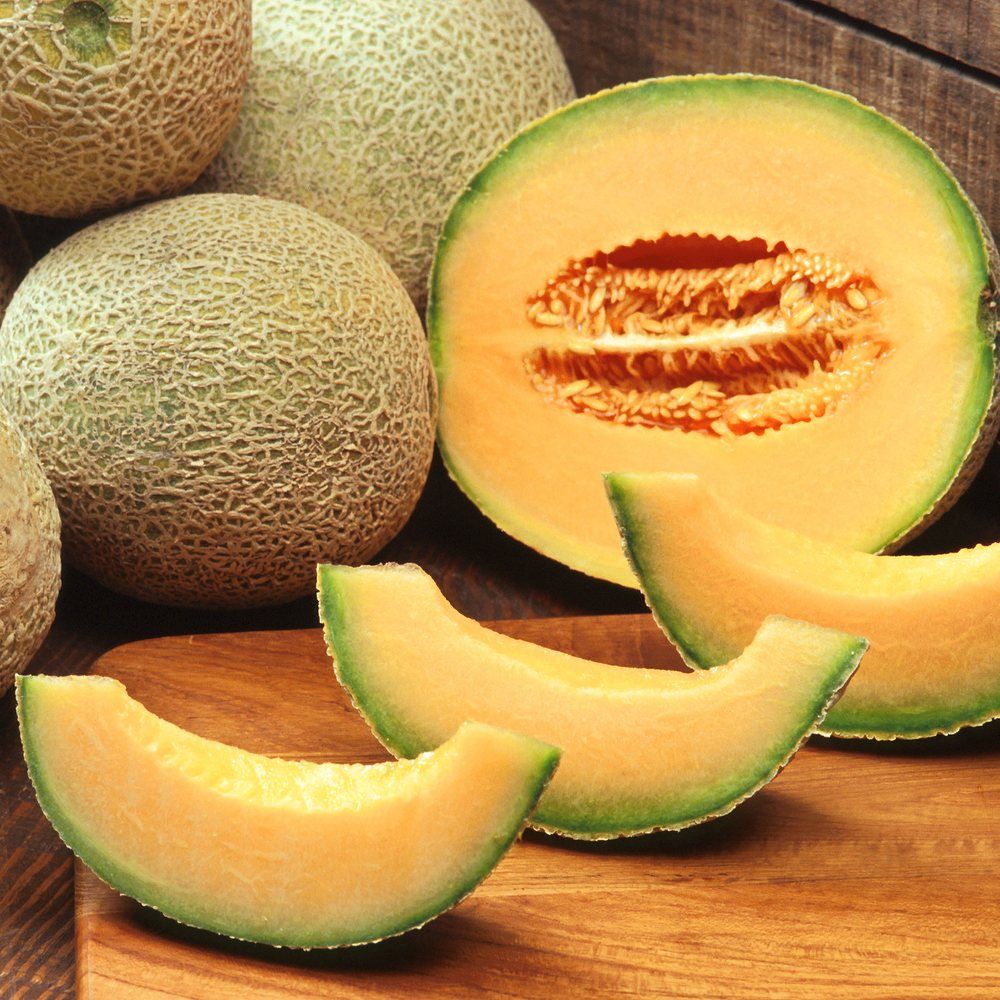
Cantaloupe / Melon plant: Cucurbitaceae crop profile photo

Cantaloupe / Melon

Cucurbitaceae

Zone 4a+
Sun
Full sun
Spacing
24-36 in on a mound
Maturity
70-90 days
Companions
Corn, Radish, Bean

When to plant (from your frost dates)

  • Start seeds indoors~2026-04-04 (3 wks before last frost)
  • Transplant out~2026-05-09
  • Direct sow~2026-05-09

Tip · Ripe fruit slips off the vine with a gentle tug. The smell alone tells you.

Pests: Cucumber beetle, aphid.

Avoid near: Potato

Fertilizer plan

Ratio · Balanced 5-5-5, ease off N at flowering

Organic options · Compost + aged manure in the hill · Fish emulsion until first blossom · Kelp meal + wood ash at flowering

When · Big feed at transplant, side-dress once vines run, potassium boost at flowering.

Watch for · Female flowers dropping = pollination issue, not fertilizer.

N = nitrogen (leaves), P = phosphorus (roots & flowers), K = potassium (fruit & disease resistance).
Caraway

Apiaceae

Zone 3a+
Sun
Full sun
Spacing
6-8 in
Maturity
365 days (biennial, seed in year two)
Companions
Pea, Onion

When to plant (from your frost dates)

  • Direct sow~2026-04-11

Tip · It's biennial: leaves the first year, seed heads the second. Mark the row so it isn't tilled under before it flowers.

Pests: Rarely bothered; carrot rust fly on occasion since it shares the family.

Avoid near: Fennel, Dill

Fertilizer plan

Ratio · Low N, higher P (3-6-6)

Organic options · Compost only in bed prep · Bone meal at sowing · Skip nitrogen top-dress

When · Feed the bed, not the plant. Carrots/parsnips fork or hair-root with fresh manure.

Watch for · Forked roots = too much N or fresh manure; use only well-aged compost.

N = nitrogen (leaves), P = phosphorus (roots & flowers), K = potassium (fruit & disease resistance).
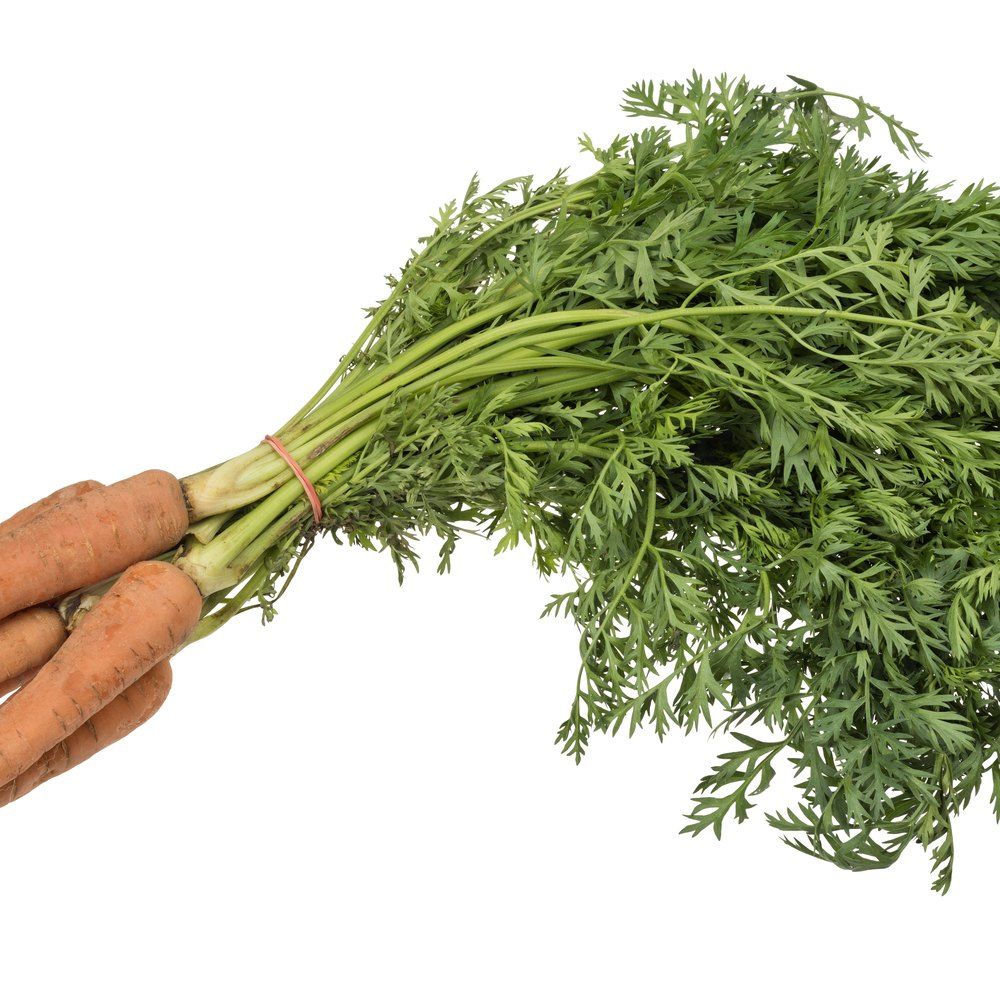
Carrot plant: Apiaceae crop profile photo

Carrot

Apiaceae

Zone 3a+
Sun
Full sun
Spacing
2-3 in
Maturity
60-80 days
Companions
Onion, Rosemary, Lettuce, Tomato

When to plant (from your frost dates)

  • Direct sow~2026-04-04

Tip · Keep soil surface consistently moist for 14 days after sowing: carrot seed hates a dry crust.

Pests: Carrot rust fly. Row cover; avoid disturbing tops.

Avoid near: Dill

Fertilizer plan

Ratio · Low N, higher P (3-6-6)

Organic options · Compost only in bed prep · Bone meal at sowing · Skip nitrogen top-dress

When · Feed the bed, not the plant. Carrots/parsnips fork or hair-root with fresh manure.

Watch for · Forked roots = too much N or fresh manure; use only well-aged compost.

N = nitrogen (leaves), P = phosphorus (roots & flowers), K = potassium (fruit & disease resistance).
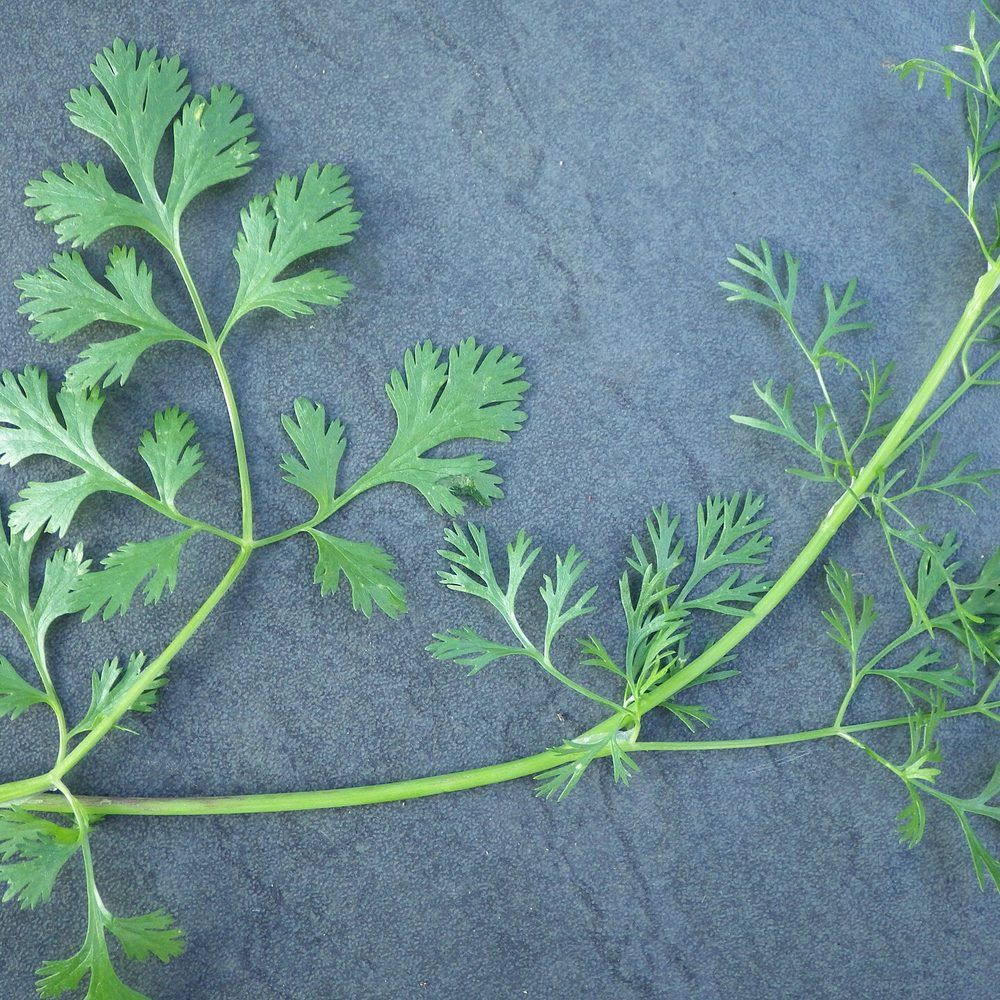
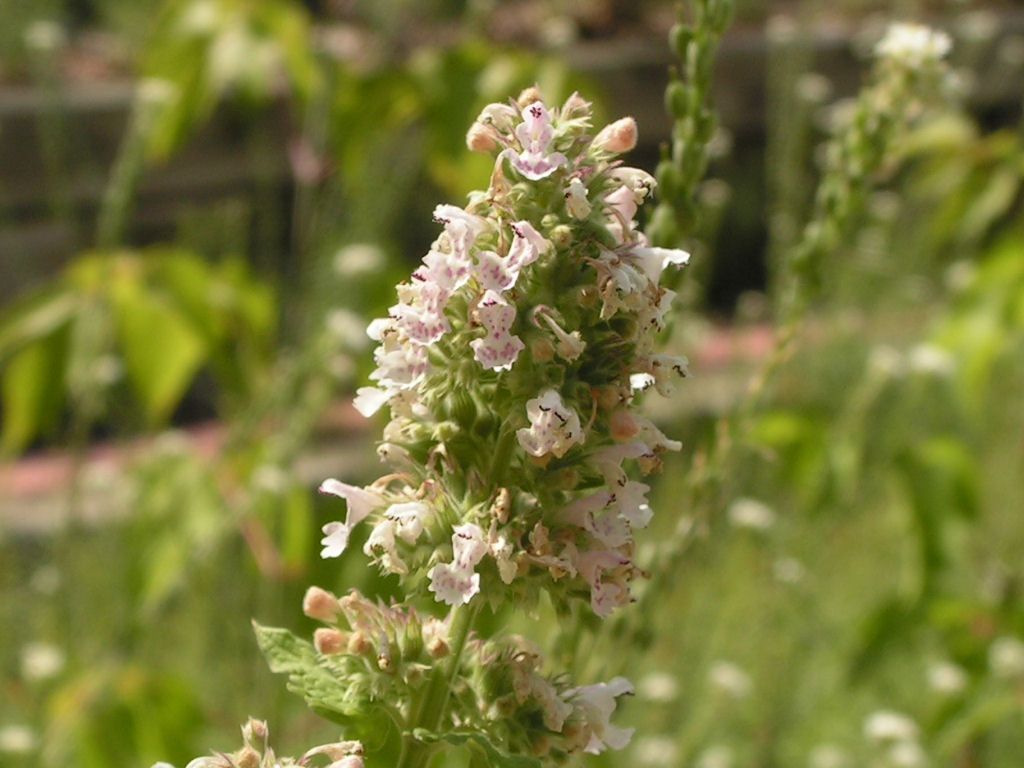
Catnip plant: Lamiaceae crop profile photo

Catnip

Lamiaceae

Zone 3a+
Sun
Full sun to part shade
Spacing
18-24 in
Maturity
60-90 days (perennial)
Companions
Squash, Cucumber

When to plant (from your frost dates)

  • Start seeds indoors~2026-02-28 (8 wks before last frost)
  • Transplant out~2026-05-09

Tip · Fence it off if cats roam the neighborhood: they'll flatten the plant and any seedlings around it rolling in the scent.

Pests: Rarely bothered; the plant itself is a known deterrent to flea beetle and squash bug in field trials.

Avoid near: Anywhere neighborhood cats will trample nearby seedlings

Fertilizer plan

Ratio · Low fertilizer: herbs go bland when overfed

Organic options · Compost once at planting · Weak fish emulsion once mid-season if pale · Nothing after that

When · Feed lightly if at all. Mediterranean herbs (rosemary, thyme, oregano) thrive in lean soil.

Watch for · Fast, floppy, weak-flavored growth = too rich.

N = nitrogen (leaves), P = phosphorus (roots & flowers), K = potassium (fruit & disease resistance).
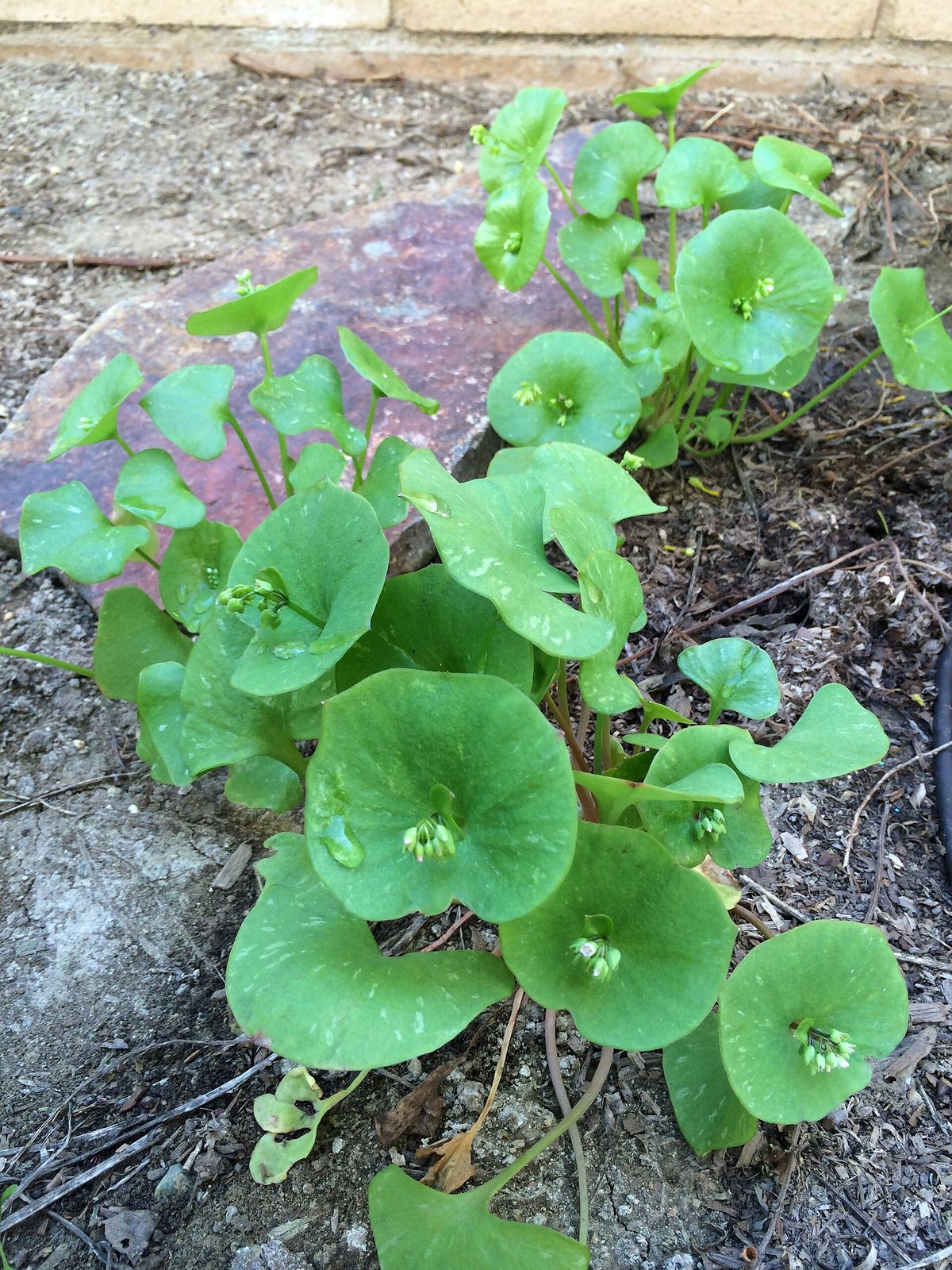
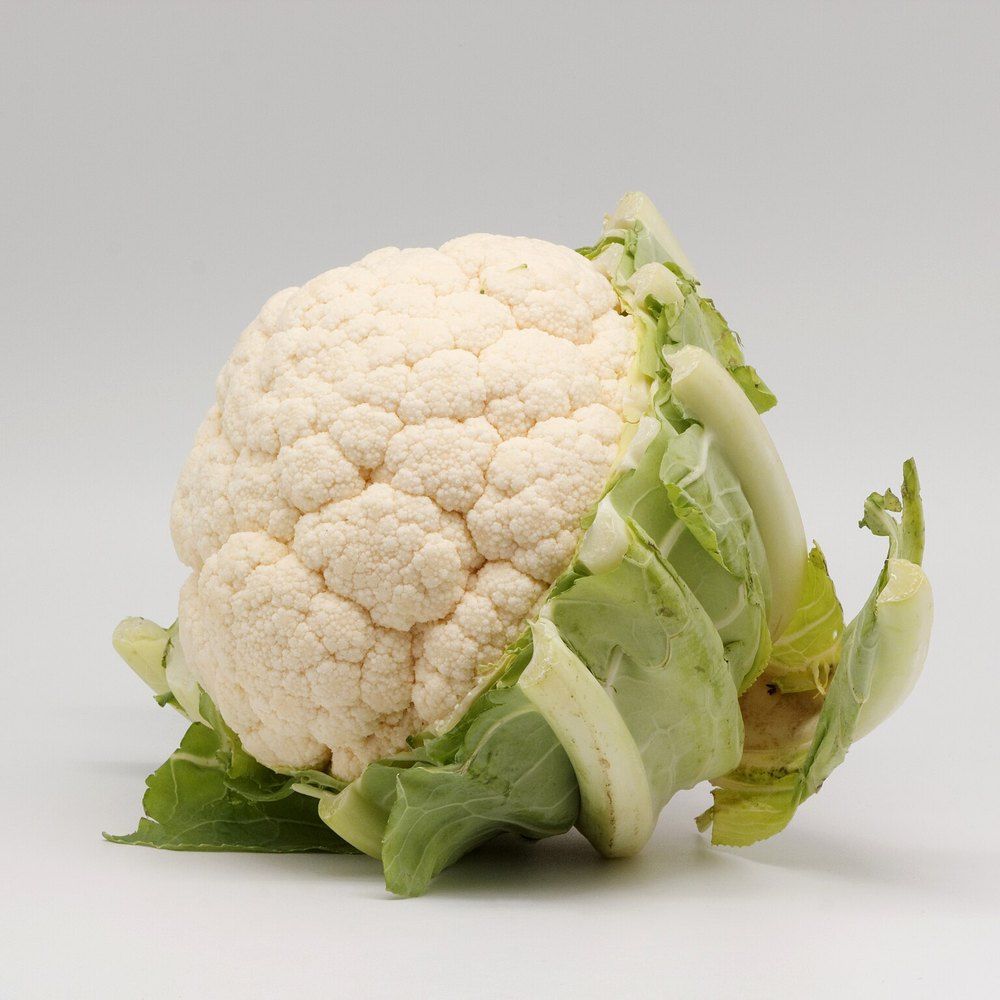
Cauliflower plant: Brassicaceae crop profile photo

Cauliflower

Brassicaceae

Zone 3a+
Sun
Full sun
Spacing
18-24 in
Maturity
60-85 days
Companions
Dill, Onion, Spinach, Beet

When to plant (from your frost dates)

  • Start seeds indoors~2026-03-14 (6 wks before last frost)
  • Transplant out~2026-04-11

Tip · Cauliflower is the fussiest brassica: any check in water or nitrogen makes it button into a tiny head. Blanch white types by tying outer leaves over the curd.

Pests: Cabbage worm, aphid, flea beetle, clubroot in acidic soil.

Avoid near: Tomato, Strawberry

Fertilizer plan

Ratio · High N (10-5-5): heavy feeders

Organic options · Aged manure or compost worked in deep · Blood meal or feather meal side-dress at 3 wks · Fish emulsion every 2 wks

When · Feed heavily every 2-3 weeks. Brassicas want steady nitrogen for tight heads.

Watch for · Pale/yellow leaves = needs N. Loose heads = feed harder next round.

N = nitrogen (leaves), P = phosphorus (roots & flowers), K = potassium (fruit & disease resistance).
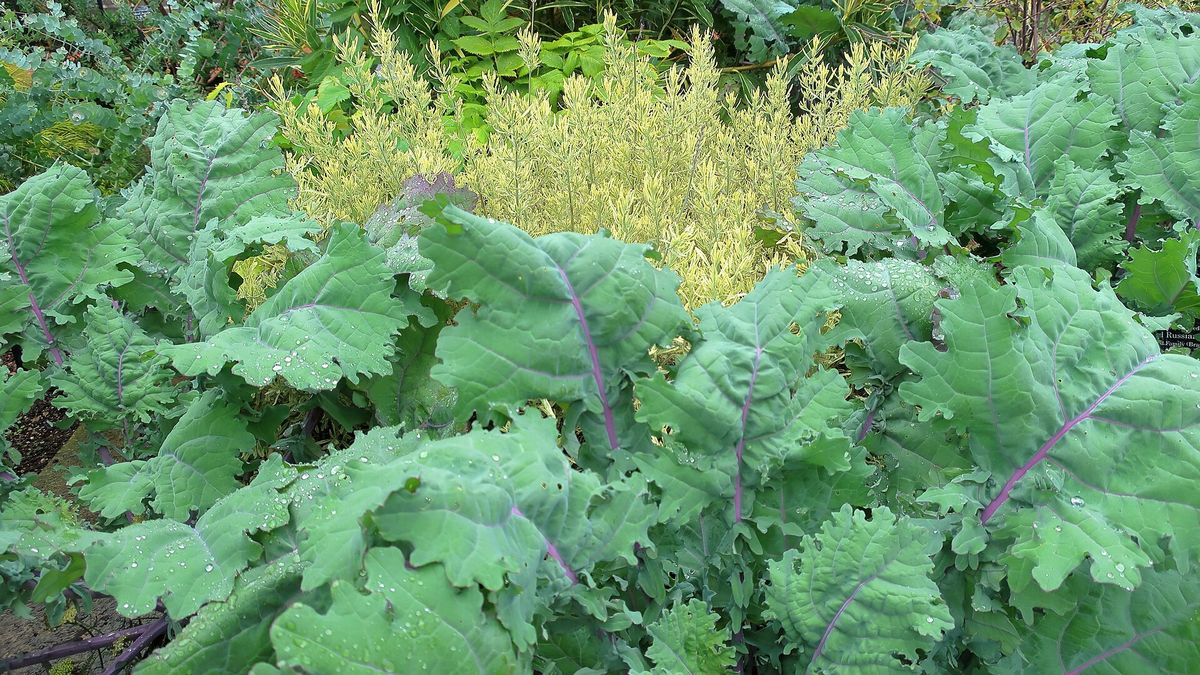
Cayenne Pepper

Solanaceae

Zone 4a+
Sun
Full sun
Spacing
18 in
Maturity
70-90 days
Companions
Basil, Onion, Carrot

When to plant (from your frost dates)

  • Start seeds indoors~2026-02-28 (8 wks before last frost)
  • Transplant out~2026-05-09

Tip · Thin-walled pods dry easily on the plant or strung indoors; harvest for drying once fully red.

Pests: Aphids, flea beetles.

Avoid near: Beans, Fennel

Fertilizer plan

Ratio · Low N (5-10-10) once fruiting starts

Organic options · Compost 2-3 in. at planting · Fish emulsion every 2 wks while young · Bone meal + kelp at flowering for calcium/potassium

When · Compost at planting → light nitrogen through vegetative → switch to P/K when flowers appear.

Watch for · All leaves, no fruit = too much N. Blossom-end rot = calcium deficit + uneven watering.

N = nitrogen (leaves), P = phosphorus (roots & flowers), K = potassium (fruit & disease resistance).
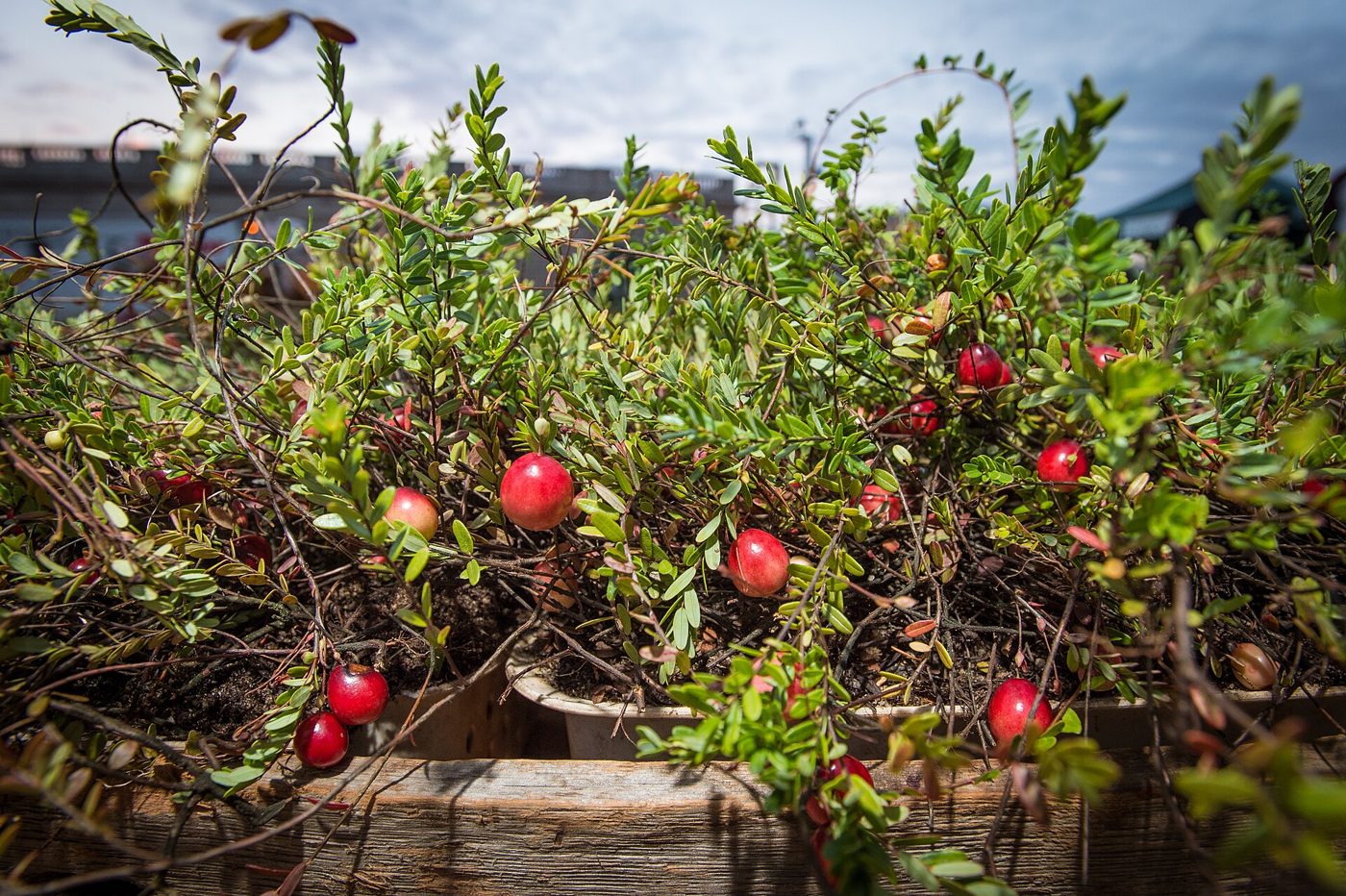
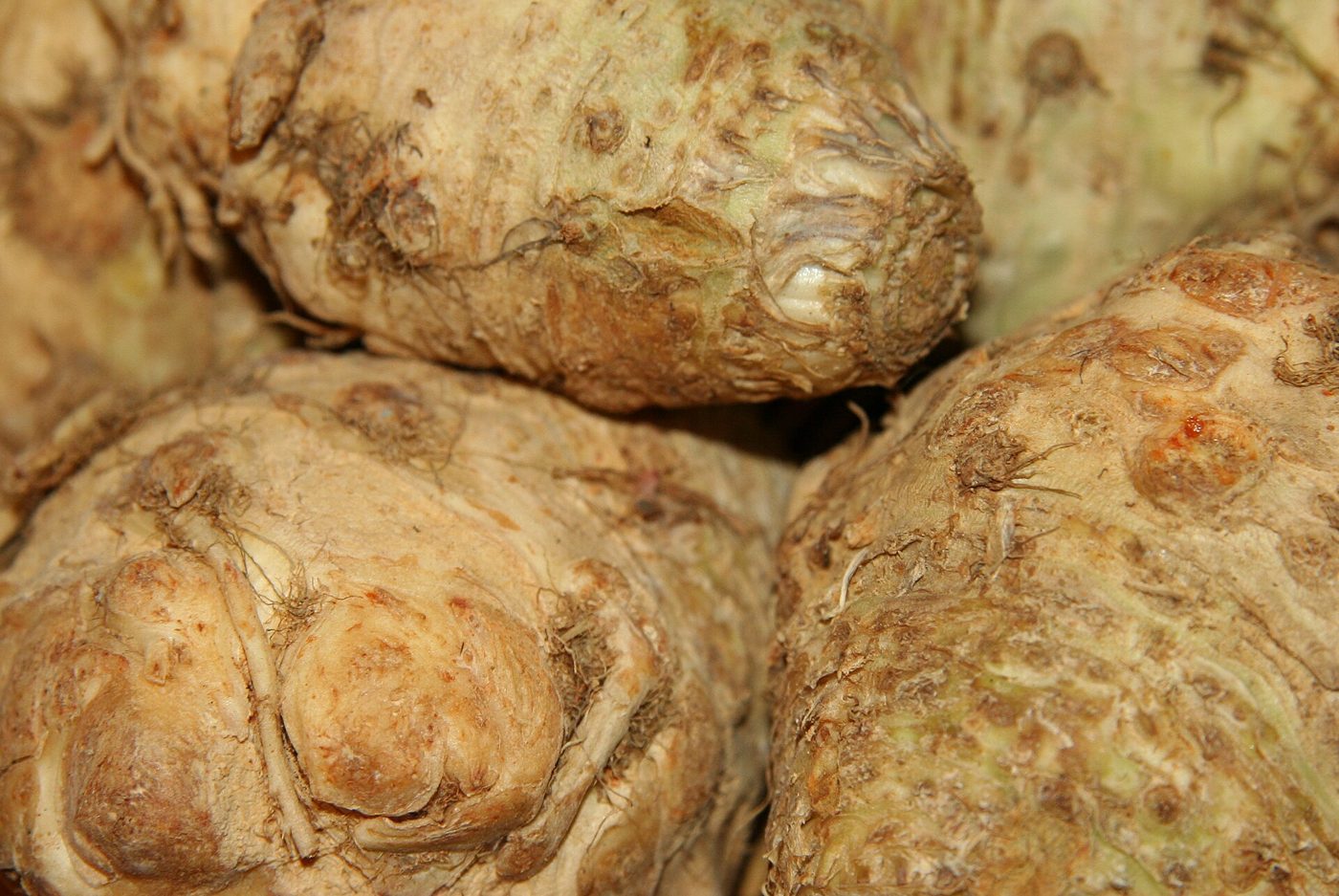
Celeriac plant: Apiaceae crop profile photo

Celeriac

Apiaceae

Zone 4a+
Sun
Full sun to part shade
Spacing
8-10 in
Maturity
100-120 days
Companions
Leek, Bean, Tomato

When to plant (from your frost dates)

  • Start seeds indoors~2026-02-14 (10 wks before last frost)
  • Transplant out~2026-05-09

Tip · Needs a long, steady season: start indoors early and keep soil evenly moist the entire time or the knob stays small.

Pests: Celery leaf tier, slug.

Avoid near: Carrot, Parsnip

Fertilizer plan

Ratio · Low N, higher P (3-6-6)

Organic options · Compost only in bed prep · Bone meal at sowing · Skip nitrogen top-dress

When · Feed the bed, not the plant. Carrots/parsnips fork or hair-root with fresh manure.

Watch for · Forked roots = too much N or fresh manure; use only well-aged compost.

N = nitrogen (leaves), P = phosphorus (roots & flowers), K = potassium (fruit & disease resistance).
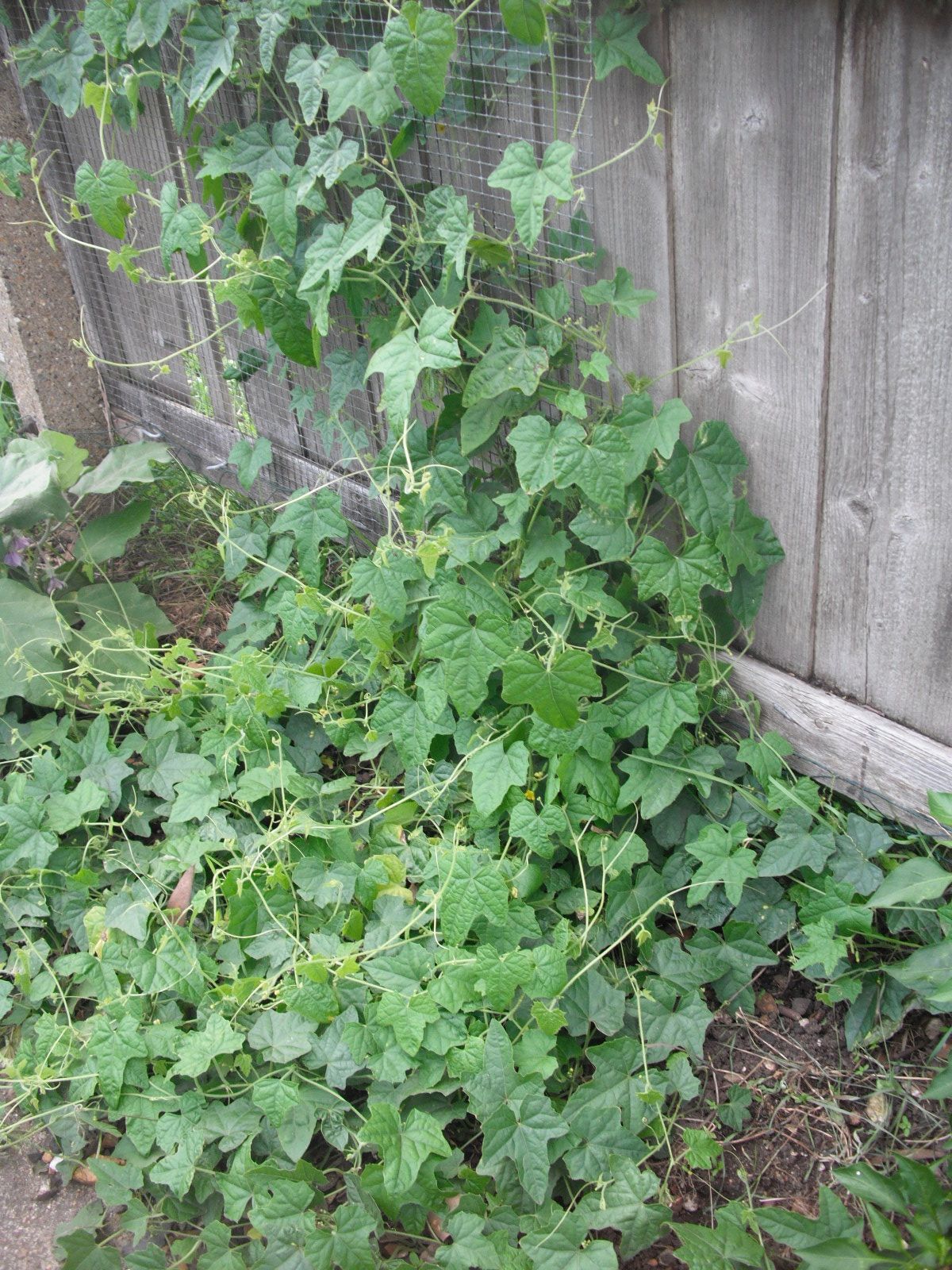
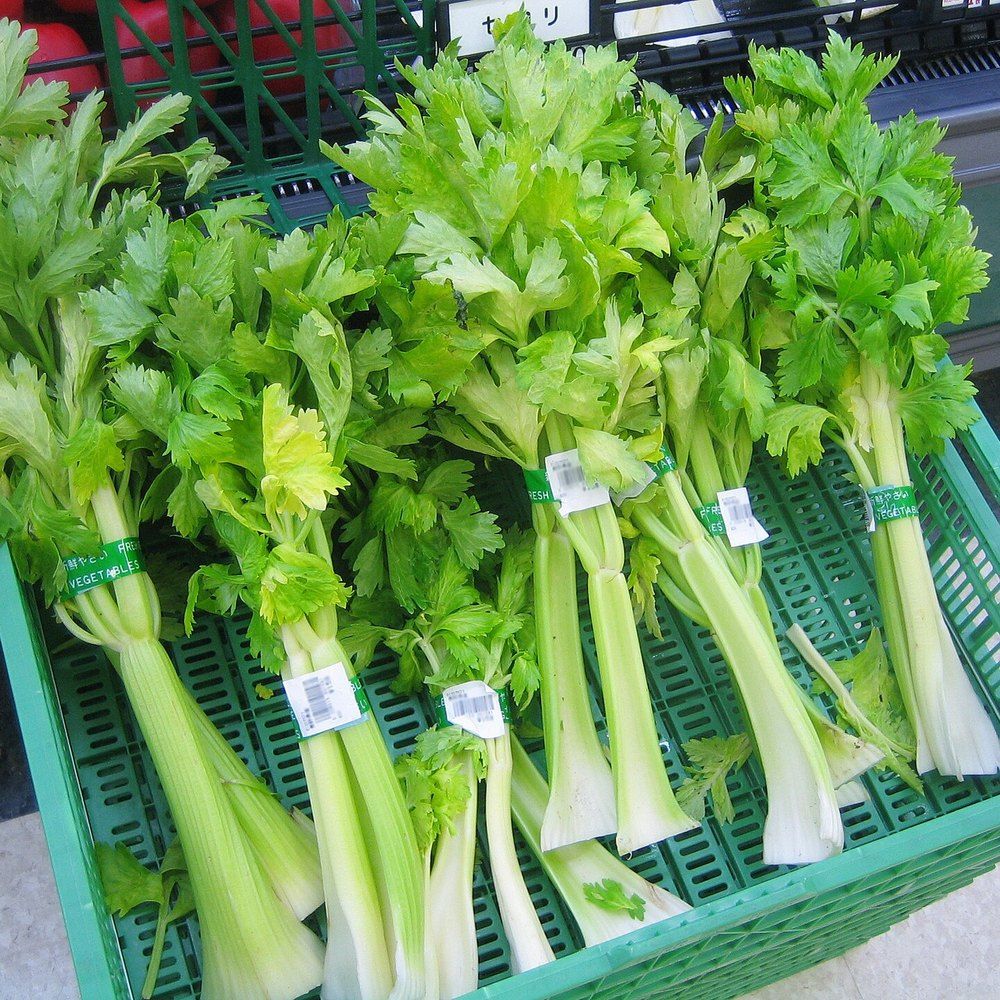
Celery plant: Apiaceae crop profile photo

Celery

Apiaceae

Zone 4a+
Sun
Full sun to part shade
Spacing
8-10 in
Maturity
100-130 days
Companions
Leek, Cabbage, Bean, Tomato

When to plant (from your frost dates)

  • Start seeds indoors~2026-02-14 (10 wks before last frost)
  • Transplant out~2026-05-09

Tip · Celery is a water crop: it turns stringy and bitter the moment it dries out. Keep soil consistently moist and feed steadily. Homegrown stalks are thinner and far more flavorful than store celery.

Pests: Celery leaf tier, aphid, slug, early blight in crowded rows.

Avoid near: Carrot, Parsnip, Corn

Fertilizer plan

Ratio · Low N, higher P (3-6-6)

Organic options · Compost only in bed prep · Bone meal at sowing · Skip nitrogen top-dress

When · Feed the bed, not the plant. Carrots/parsnips fork or hair-root with fresh manure.

Watch for · Forked roots = too much N or fresh manure; use only well-aged compost.

N = nitrogen (leaves), P = phosphorus (roots & flowers), K = potassium (fruit & disease resistance).
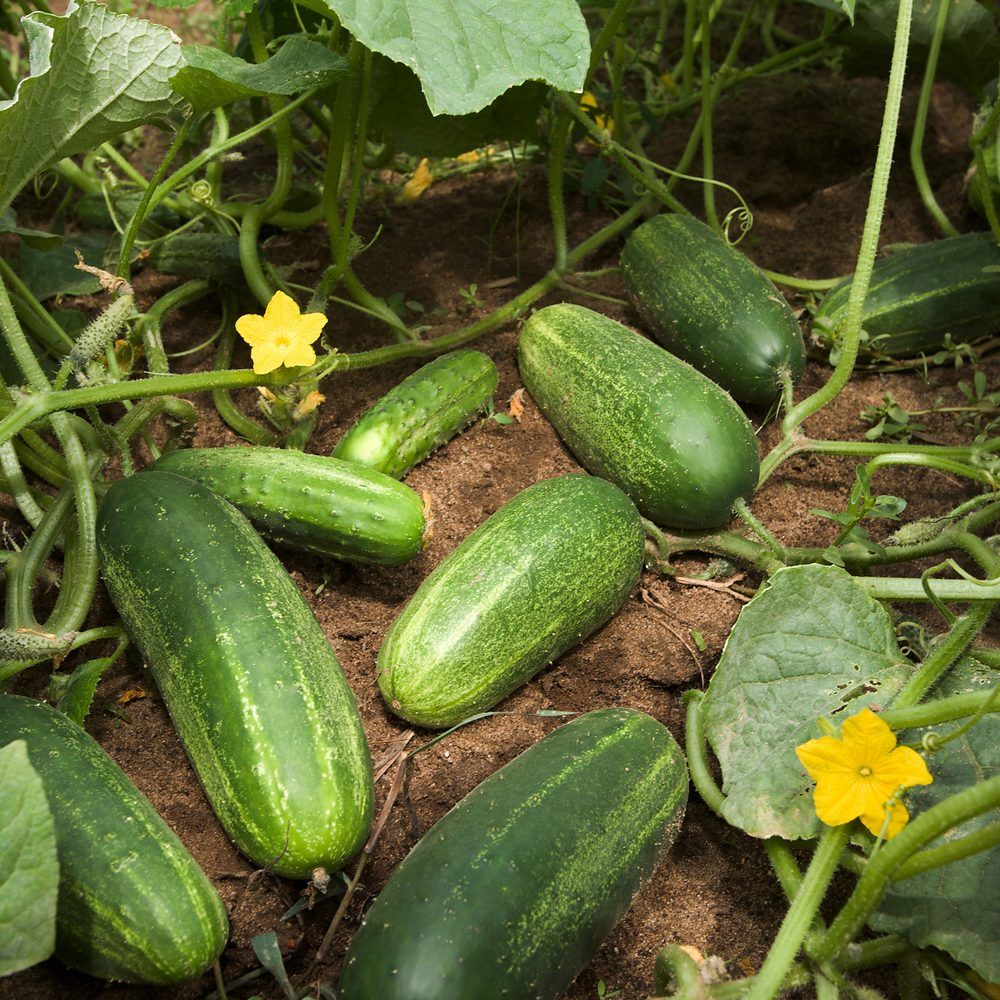
Zone 3a+
Sun
Full sun to part shade
Spacing
6-8 in
Maturity
60-65 days
Companions
Cabbage, Onion, Cucumber

When to plant (from your frost dates)

  • Start seeds indoors~2026-03-14 (6 wks before last frost)
  • Transplant out~2026-04-11
  • Direct sow~2026-04-11

Tip · Pick flowers at midday once fully open, on a dry day, for the strongest tea; it dries quickly on a screen out of direct sun.

Pests: Rarely bothered; aphid on occasion.

Fertilizer plan

Ratio · Balanced 5-5-5 with steady N

Organic options · Compost tea every 2 wks · Fish emulsion between cuttings · Aged manure in bed prep

When · Light and steady. Lettuce wants constant slow N to stay tender and mild.

Watch for · Bitter greens = heat or under-water, not fertilizer.

N = nitrogen (leaves), P = phosphorus (roots & flowers), K = potassium (fruit & disease resistance).
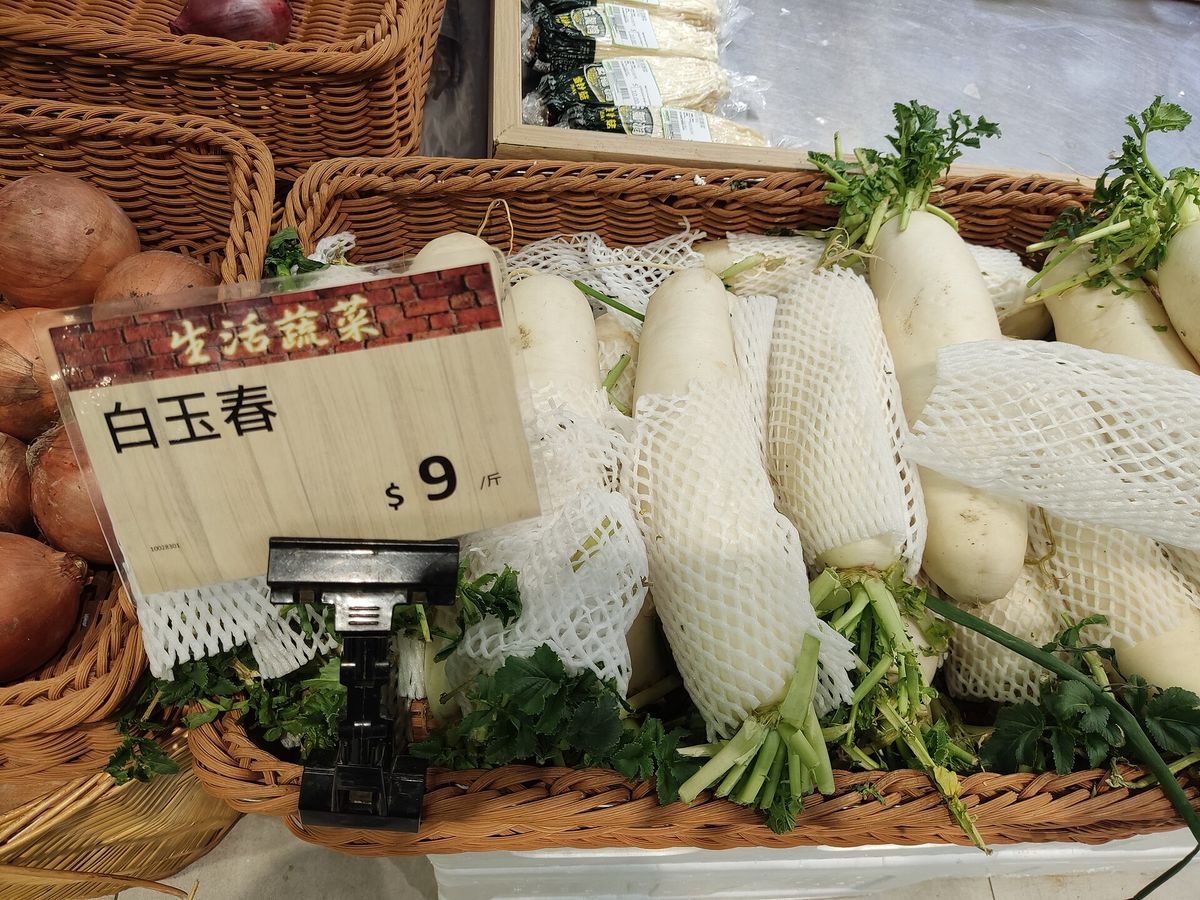
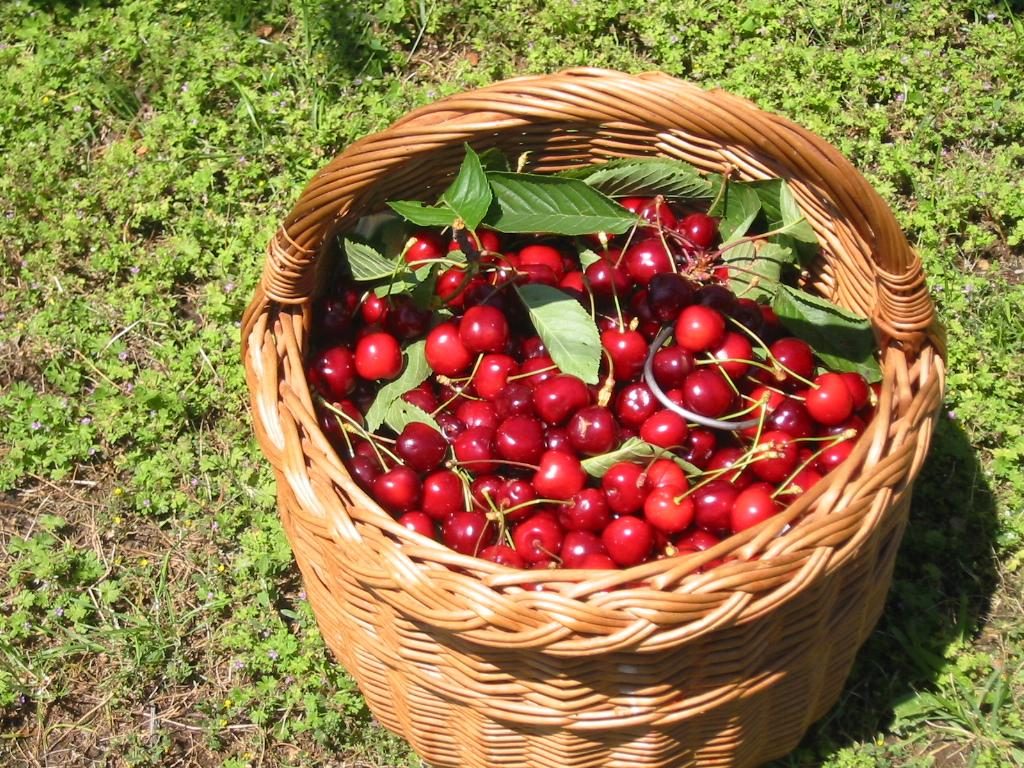
Cherry plant: Rosaceae crop profile photo

Cherry

Rosaceae

Zone 4a+
Sun
Full sun
Spacing
15-25 ft (8-10 ft dwarf)
Maturity
Yr 3-5 fruiting (tree)
Companions
Chives, Garlic, Clover understory, Marigold

When to plant (from your frost dates)

  • Transplant out~2026-03-14

Tip · Sour cherries are self-fertile and far easier for beginners; sweet cherries usually need a pollinator partner. Net the tree a week before ripening or the birds will beat you to every one.

Pests: Birds above all, cherry fruit fly, aphid, brown rot in wet springs.

Avoid near: Walnut (juglone)

Fertilizer plan

Ratio · Balanced 5-5-5, avoid fresh manure

Organic options · Compost mulch every spring · Blood meal + bone meal before flowering · Kelp meal after harvest

When · Once in spring, once after fruiting. Renovate strawberry beds every 3 yrs.

Watch for · Runner overload but few berries = too much N.

N = nitrogen (leaves), P = phosphorus (roots & flowers), K = potassium (fruit & disease resistance).
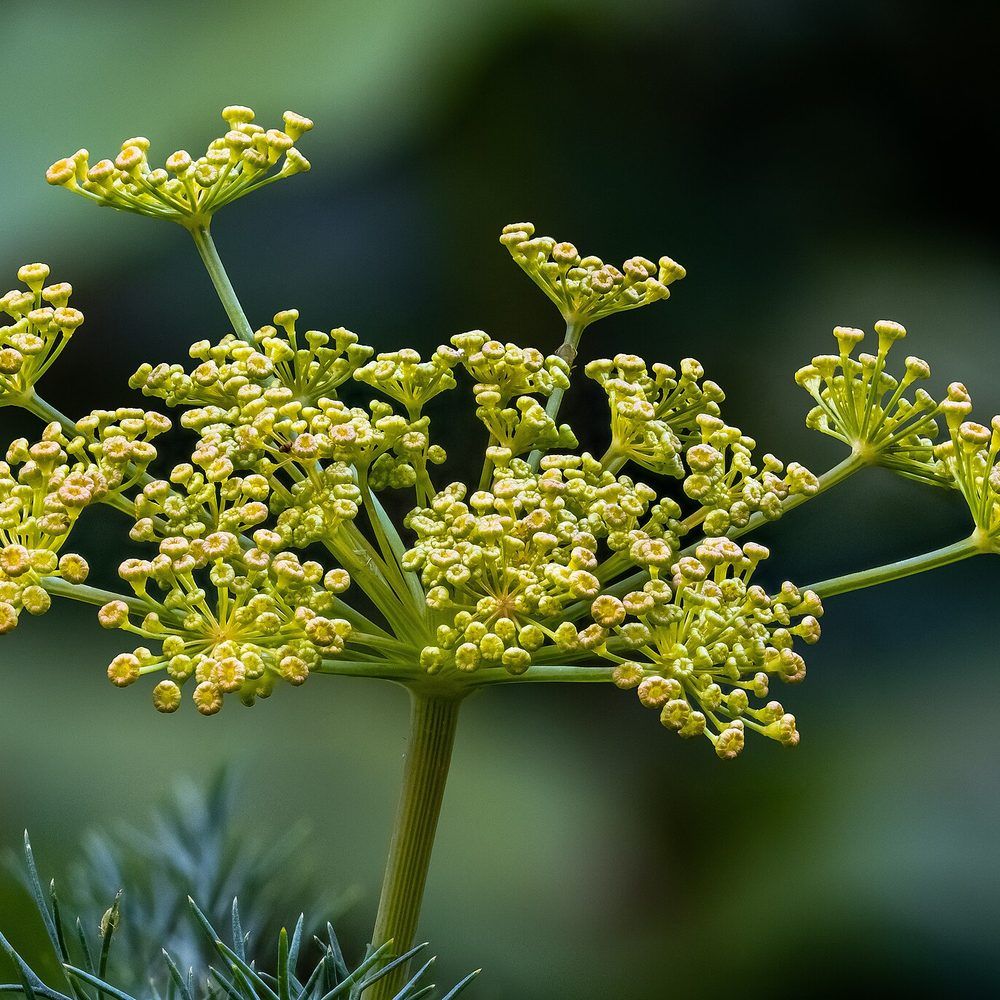
Chestnut

Fagaceae

Zone 4a+
Sun
Full sun
Spacing
35-50 ft
Maturity
3-5 years to bearing (perennial tree)
Companions

When to plant (from your frost dates)

  • Transplant out~2026-05-09

Tip · Choose blight-resistant Chinese or hybrid cultivars; the American chestnut itself was nearly wiped out by chestnut blight last century.

Pests: Chestnut weevil, gall wasp; plant blight-resistant hybrids to avoid chestnut blight.

Zone 5a+
Sun
Full sun
Spacing
4-6 in
Maturity
90-120 days
Companions
Carrot, Cucumber, Cabbage

When to plant (from your frost dates)

  • Direct sow~2026-04-18

Tip · Needs a dry finish: stop watering once pods fill out so the seed cures instead of rotting.

Pests: Pod borer, rarely serious in home gardens.

Avoid near: Onion, Garlic

Fertilizer plan

Ratio · LOW N: beans fix their own nitrogen

Organic options · Compost at planting is enough · Rock phosphate for pods · Wood ash for potassium if soil is deficient

When · Do not add nitrogen fertilizer. You'll get leaves, no pods. One compost dose at planting.

Watch for · Inoculate seeds with rhizobia the first time you grow legumes in a bed.

N = nitrogen (leaves), P = phosphorus (roots & flowers), K = potassium (fruit & disease resistance).
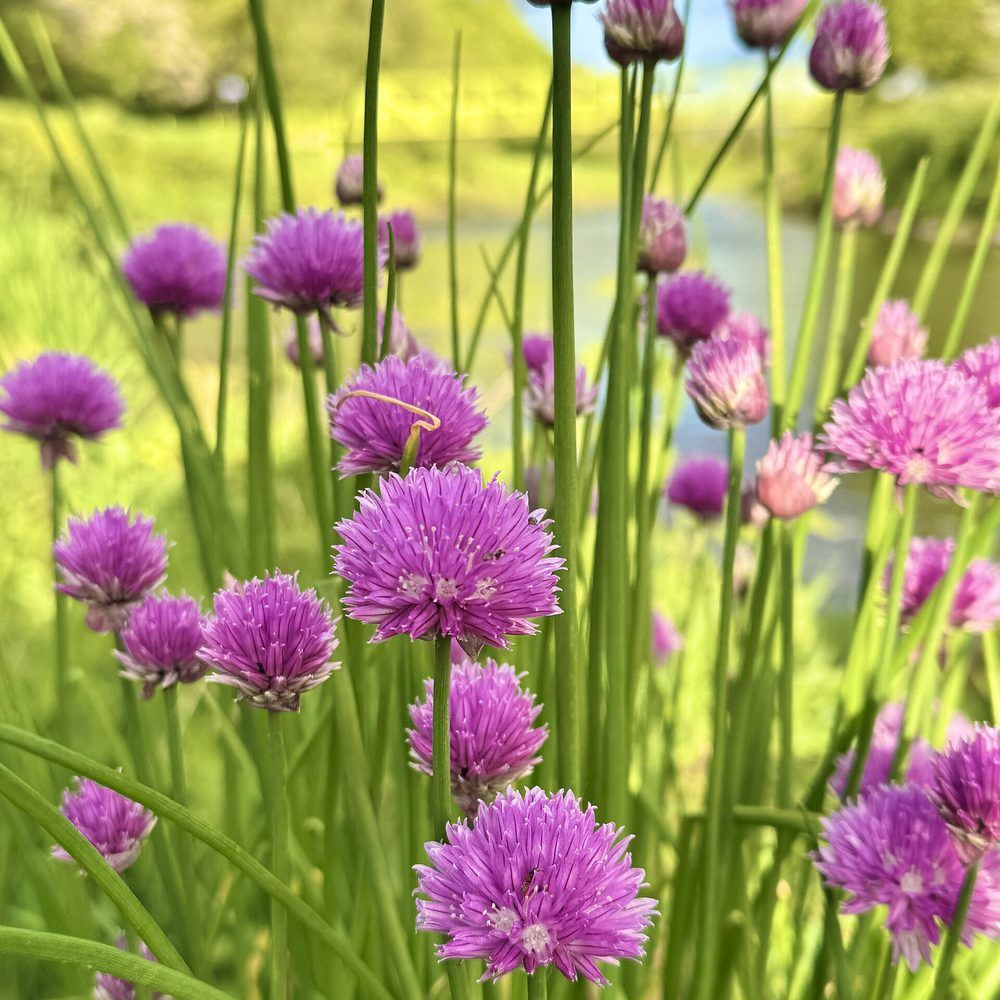
Chives plant: Amaryllidaceae crop profile photo

Chives

Amaryllidaceae

Zone 3a+
Sun
Full sun to part shade
Spacing
6-8 in
Maturity
80-90 days (perennial)
Companions
Carrot, Tomato, Apple, Strawberry

When to plant (from your frost dates)

  • Start seeds indoors~2026-02-28 (8 wks before last frost)
  • Transplant out~2026-04-04
  • Direct sow~2026-04-04

Tip · Divide the clump every 3 years: one plant becomes six with no effort.

Pests: Rarely bothered. Repels aphids and Japanese beetles nearby.

Avoid near: Bean, Pea

Fertilizer plan

Ratio · Moderate N + high P (5-10-10)

Organic options · Compost + bone meal at planting · Fish emulsion monthly through spring · Stop feeding as bulbs swell

When · Feed through spring leaf growth, then stop once tops start to yellow so bulbs cure hard.

Watch for · Thick, soft necks = too much late nitrogen; bulbs won't store.

N = nitrogen (leaves), P = phosphorus (roots & flowers), K = potassium (fruit & disease resistance).
Chokecherry

Rosaceae

Zone 3a+
Sun
Full sun to part shade
Spacing
10-15 ft
Maturity
3-4 years to bearing (perennial shrub)
Companions
Currant, Serviceberry

When to plant (from your frost dates)

  • Transplant out~2026-05-09

Tip · Leaves, twigs, and pits contain cyanogenic compounds and are toxic to people and livestock. Use only the cooked, strained pulp, and keep wilted prunings away from animals.

Pests: Black knot fungus, tent caterpillars, birds.

Fertilizer plan

Ratio · Balanced 5-5-5, avoid fresh manure

Organic options · Compost mulch every spring · Blood meal + bone meal before flowering · Kelp meal after harvest

When · Once in spring, once after fruiting. Renovate strawberry beds every 3 yrs.

Watch for · Runner overload but few berries = too much N.

N = nitrogen (leaves), P = phosphorus (roots & flowers), K = potassium (fruit & disease resistance).
Cilantro plant: Apiaceae crop profile photo

Cilantro

Apiaceae

Zone 3a+
Sun
Full sun to part shade
Spacing
6-8 in
Maturity
45-70 days
Companions
Spinach, Bean, Tomato

When to plant (from your frost dates)

  • Direct sow~2026-04-11

Tip · Succession sow every 3 weeks. Let a plant bolt at the end. The seed is coriander.

Pests: Aphids. Bolts fast in heat: sow in shoulder seasons.

Avoid near: Fennel

Fertilizer plan

Ratio · Low N, higher P (3-6-6)

Organic options · Compost only in bed prep · Bone meal at sowing · Skip nitrogen top-dress

When · Feed the bed, not the plant. Carrots/parsnips fork or hair-root with fresh manure.

Watch for · Forked roots = too much N or fresh manure; use only well-aged compost.

N = nitrogen (leaves), P = phosphorus (roots & flowers), K = potassium (fruit & disease resistance).
Claytonia (Miner's Lettuce) plant: Montiaceae crop profile photo
Zone 4a+
Sun
Part shade
Spacing
4-6 in
Maturity
40-60 days
Companions
Lettuce, Spinach

When to plant (from your frost dates)

  • Direct sow~2026-03-14

Tip · Thrives in shade where lettuce struggles; let a few plants go to seed for a self-sustaining patch.

Pests: Rarely bothered.

Collards plant: Brassicaceae crop profile photo

Collards

Brassicaceae

Zone 3a+
Sun
Full sun to part shade
Spacing
18-24 in
Maturity
60-85 days
Companions
Onion, Dill, Thyme, Beet

When to plant (from your frost dates)

  • Start seeds indoors~2026-03-21 (5 wks before last frost)
  • Transplant out~2026-04-11
  • Direct sow~2026-04-11

Tip · The most forgiving green in the garden. Harvest bottom leaves upward and it produces for months. Leaves picked after a frost are noticeably sweeter.

Pests: Cabbage worm, aphid, harlequin bug, flea beetle.

Avoid near: Tomato, Strawberry

Fertilizer plan

Ratio · High N (10-5-5): heavy feeders

Organic options · Aged manure or compost worked in deep · Blood meal or feather meal side-dress at 3 wks · Fish emulsion every 2 wks

When · Feed heavily every 2-3 weeks. Brassicas want steady nitrogen for tight heads.

Watch for · Pale/yellow leaves = needs N. Loose heads = feed harder next round.

N = nitrogen (leaves), P = phosphorus (roots & flowers), K = potassium (fruit & disease resistance).
Zone 5a+
Sun
Full sun
Spacing
4-6 in
Maturity
60-90 days
Companions
Corn, Squash, Okra

When to plant (from your frost dates)

  • Direct sow~2026-05-09

Tip · Thrives in heat that stalls other beans; direct sow after soil is reliably above 65F.

Pests: Aphid, cowpea curculio, stink bug on pods.

Avoid near: Onion, Garlic

Fertilizer plan

Ratio · LOW N: beans fix their own nitrogen

Organic options · Compost at planting is enough · Rock phosphate for pods · Wood ash for potassium if soil is deficient

When · Do not add nitrogen fertilizer. You'll get leaves, no pods. One compost dose at planting.

Watch for · Inoculate seeds with rhizobia the first time you grow legumes in a bed.

N = nitrogen (leaves), P = phosphorus (roots & flowers), K = potassium (fruit & disease resistance).
Cranberry plant: Ericaceae crop profile photo

Cranberry

Ericaceae

Zone 3a+
Sun
Full sun
Spacing
6-12 in (dense groundcover)
Maturity
2-3 years to bearing (perennial groundcover)
Companions
Blueberry

When to plant (from your frost dates)

  • Transplant out~2026-05-09

Tip · Needs boggy, acidic soil, pH 4-5; without a naturally wet, peaty spot, grow it in a lined bed you can flood periodically.

Pests: Cranberry fruitworm, tipworm; needs consistently acidic, wet soil.

Fertilizer plan

Ratio · Acid-loving: 4-3-4 for blueberries, pH 4.5-5.5

Organic options · Pine bark or peat worked into the planting hole · Cottonseed meal or soy meal in spring · Elemental sulfur to hold pH down

When · Feed twice: bud break and again 6 weeks later. Never after midsummer.

Watch for · Yellow leaves with green veins = pH is too high, not a nitrogen shortage.

N = nitrogen (leaves), P = phosphorus (roots & flowers), K = potassium (fruit & disease resistance).
Cucamelon plant: Cucurbitaceae crop profile photo

Cucamelon

Cucurbitaceae

Zone 4a+
Sun
Full sun
Spacing
12 in on a trellis
Maturity
60-75 days
Companions
Bean, Radish

When to plant (from your frost dates)

  • Start seeds indoors~2026-03-14 (6 wks before last frost)
  • Transplant out~2026-05-09

Tip · Grows from a small tuberous root that overwinters indoors in pots north of zone 7; pick fruit at grape size for the best crunch.

Pests: Rarely bothered; notably pest-resistant compared to cucumber.

Avoid near: Potato

Fertilizer plan

Ratio · Balanced 5-5-5, ease off N at flowering

Organic options · Compost + aged manure in the hill · Fish emulsion until first blossom · Kelp meal + wood ash at flowering

When · Big feed at transplant, side-dress once vines run, potassium boost at flowering.

Watch for · Female flowers dropping = pollination issue, not fertilizer.

N = nitrogen (leaves), P = phosphorus (roots & flowers), K = potassium (fruit & disease resistance).
Cucumber plant: Cucurbitaceae crop profile photo

Cucumber

Cucurbitaceae

Zone 4a+
Sun
Full sun
Spacing
12 in (trellis)
Maturity
50-70 days
Companions
Bean, Corn, Radish, Dill

When to plant (from your frost dates)

  • Start seeds indoors~2026-04-04 (3 wks before last frost)
  • Transplant out~2026-05-09
  • Direct sow~2026-05-02

Tip · Trellis vertically to double yield in the same footprint and cut mildew.

Pests: Cucumber beetle, squash bug. Row cover until flowering.

Avoid near: Sage, Melons (share pests)

Fertilizer plan

Ratio · Balanced 5-5-5, ease off N at flowering

Organic options · Compost + aged manure in the hill · Fish emulsion until first blossom · Kelp meal + wood ash at flowering

When · Big feed at transplant, side-dress once vines run, potassium boost at flowering.

Watch for · Female flowers dropping = pollination issue, not fertilizer.

N = nitrogen (leaves), P = phosphorus (roots & flowers), K = potassium (fruit & disease resistance).
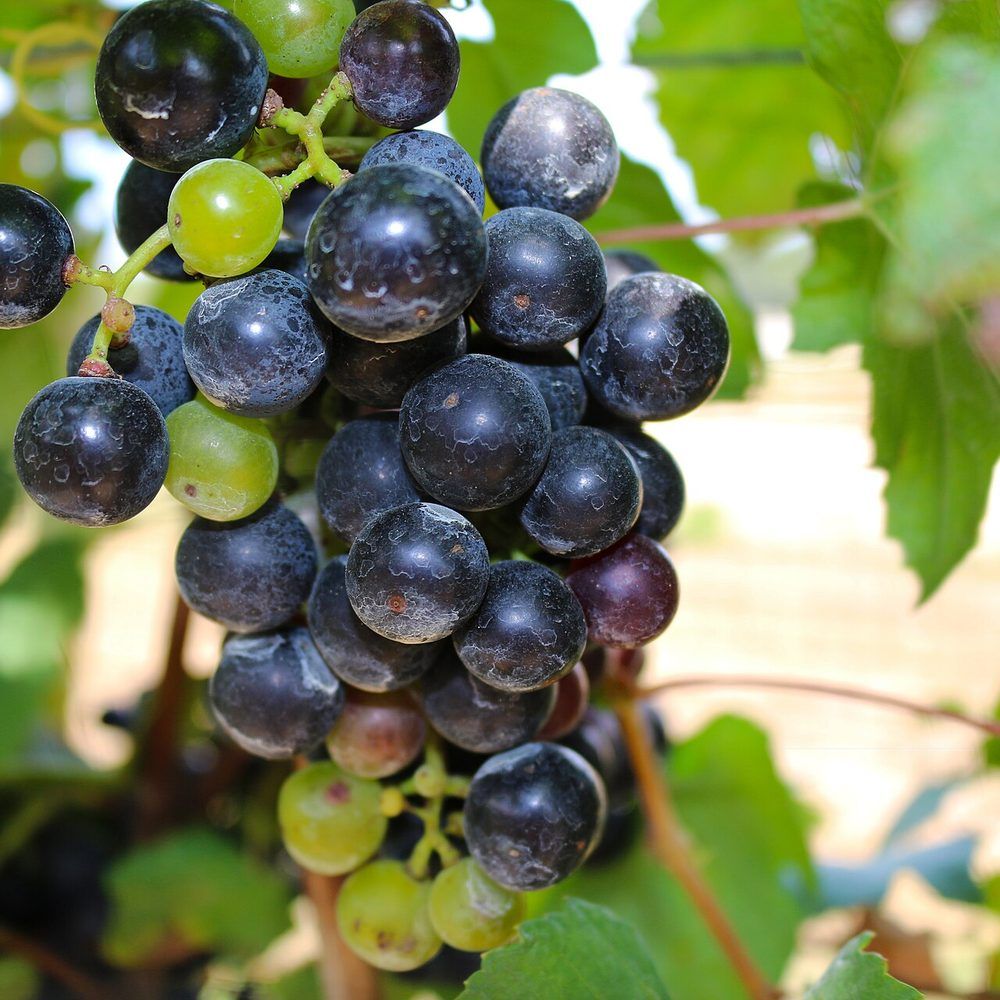
Daikon Radish plant: Brassicaceae crop profile photo

Daikon Radish

Brassicaceae

Zone 3a+
Sun
Full sun
Spacing
4-6 in
Maturity
50-70 days
Companions
Carrot, Lettuce, Pea

When to plant (from your frost dates)

  • Direct sow~2026-02-28

Tip · Best sown in late summer for fall harvest: spring-sown daikon bolts fast once heat arrives.

Pests: Flea beetle, root maggot.

Avoid near: Hyssop

Fertilizer plan

Ratio · High N (10-5-5): heavy feeders

Organic options · Aged manure or compost worked in deep · Blood meal or feather meal side-dress at 3 wks · Fish emulsion every 2 wks

When · Feed heavily every 2-3 weeks. Brassicas want steady nitrogen for tight heads.

Watch for · Pale/yellow leaves = needs N. Loose heads = feed harder next round.

N = nitrogen (leaves), P = phosphorus (roots & flowers), K = potassium (fruit & disease resistance).
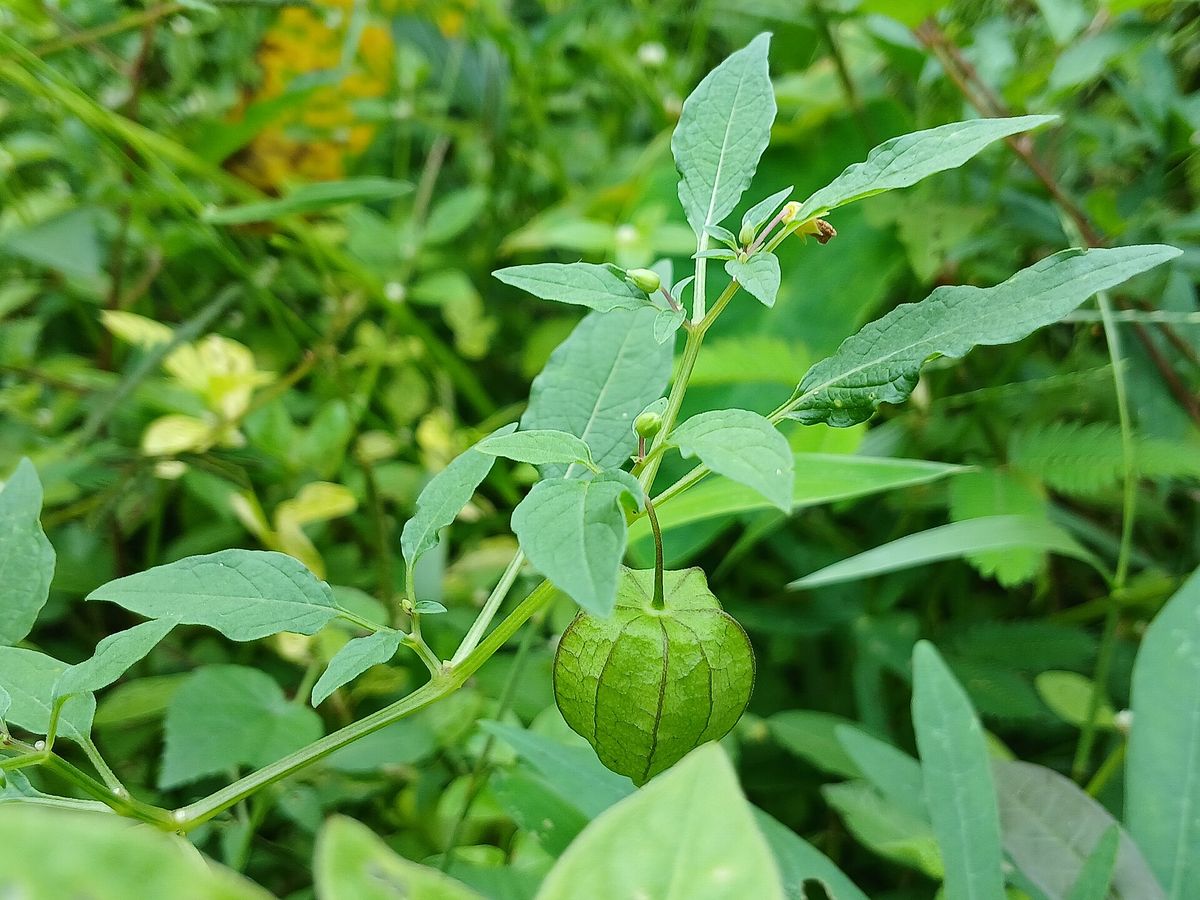
Delicata Squash

Cucurbitaceae

Zone 4a+
Sun
Full sun
Spacing
24-36 in
Maturity
80-100 days
Companions
Corn, Bean, Nasturtium

When to plant (from your frost dates)

  • Start seeds indoors~2026-04-04 (3 wks before last frost)
  • Transplant out~2026-05-09
  • Direct sow~2026-05-09

Tip · The skin is thin enough to eat, so skip the long cure other winter squash need; use it within a month or two of harvest.

Pests: Squash vine borer, squash bug.

Avoid near: Potato

Fertilizer plan

Ratio · Balanced 5-5-5, ease off N at flowering

Organic options · Compost + aged manure in the hill · Fish emulsion until first blossom · Kelp meal + wood ash at flowering

When · Big feed at transplant, side-dress once vines run, potassium boost at flowering.

Watch for · Female flowers dropping = pollination issue, not fertilizer.

N = nitrogen (leaves), P = phosphorus (roots & flowers), K = potassium (fruit & disease resistance).
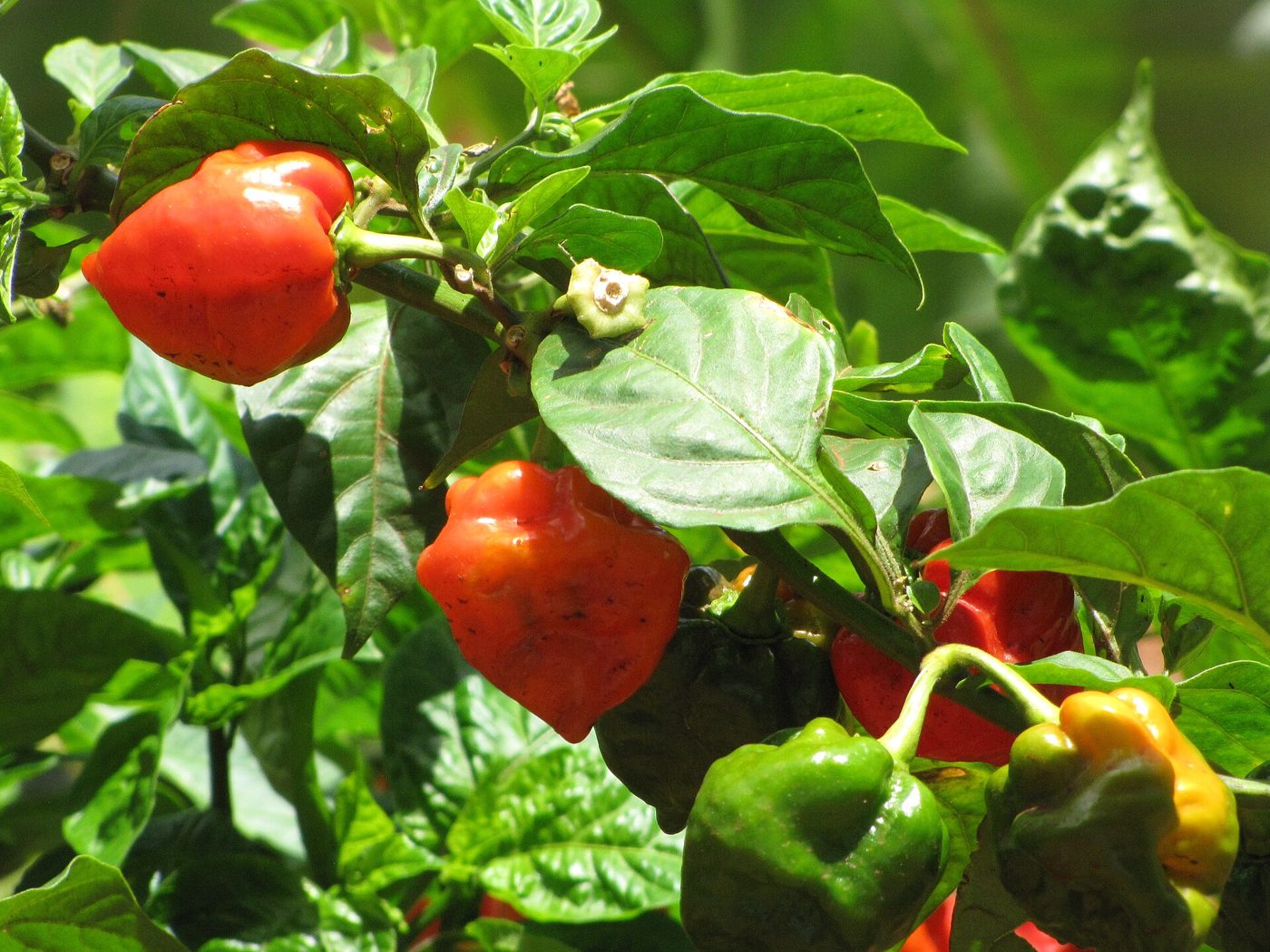
Dill plant: Apiaceae crop profile photo

Dill

Apiaceae

Zone 3a+
Sun
Full sun
Spacing
10-12 in
Maturity
40-60 days
Companions
Cabbage, Cucumber, Lettuce, Onion

When to plant (from your frost dates)

  • Direct sow~2026-04-25

Tip · Let a few plants flower. Dill flowers are pollinator magnets and self-sow reliably.

Pests: Attracts beneficial wasps: a garden ally.

Avoid near: Carrot, Tomato

Fertilizer plan

Ratio · Low N, higher P (3-6-6)

Organic options · Compost only in bed prep · Bone meal at sowing · Skip nitrogen top-dress

When · Feed the bed, not the plant. Carrots/parsnips fork or hair-root with fresh manure.

Watch for · Forked roots = too much N or fresh manure; use only well-aged compost.

N = nitrogen (leaves), P = phosphorus (roots & flowers), K = potassium (fruit & disease resistance).
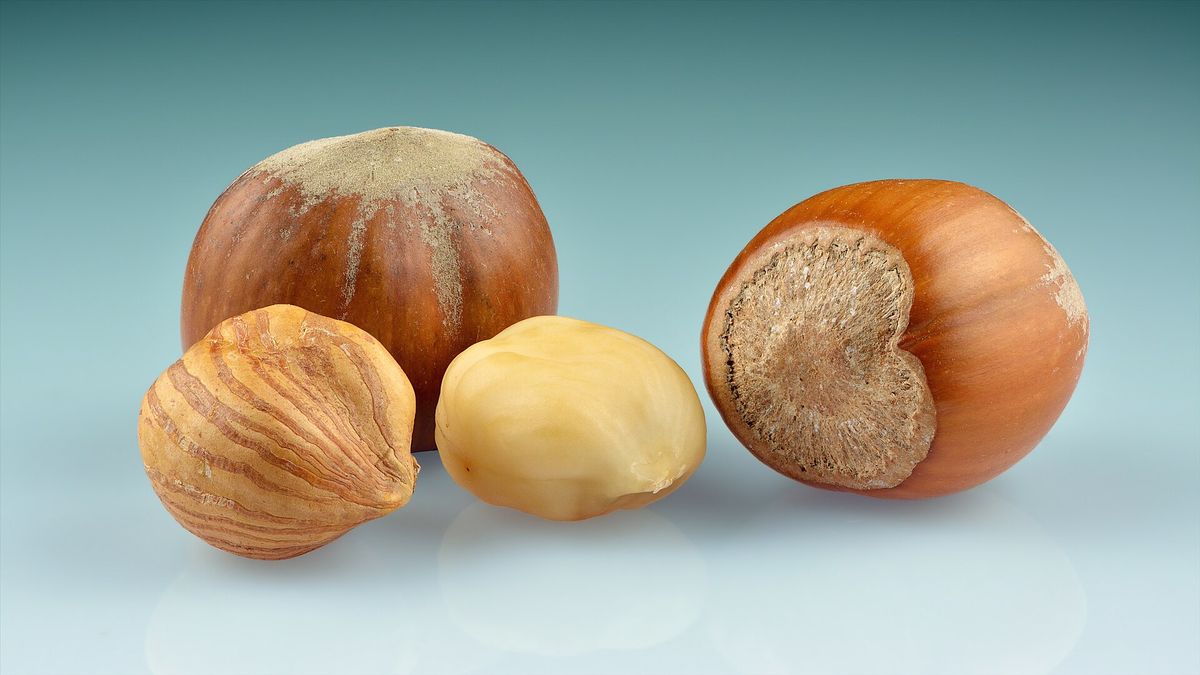
Zone 3a+
Sun
Full sun
Spacing
4-6 in
Maturity
85-100 days
Companions
Corn, Squash, Carrot

When to plant (from your frost dates)

  • Direct sow~2026-05-02

Tip · Leave pods on the plant until they rattle and the leaves have dropped; pull whole plants to finish drying under cover if rain threatens.

Pests: Mexican bean beetle, bean weevil in storage.

Avoid near: Onion, Garlic

Fertilizer plan

Ratio · LOW N: beans fix their own nitrogen

Organic options · Compost at planting is enough · Rock phosphate for pods · Wood ash for potassium if soil is deficient

When · Do not add nitrogen fertilizer. You'll get leaves, no pods. One compost dose at planting.

Watch for · Inoculate seeds with rhizobia the first time you grow legumes in a bed.

N = nitrogen (leaves), P = phosphorus (roots & flowers), K = potassium (fruit & disease resistance).
Sun
Full sun
Spacing
3-4 in
Maturity
75-90 days
Companions
Corn, Carrot, Cucumber

When to plant (from your frost dates)

  • Direct sow~2026-05-09

Tip · Harvest when pods are bright green and plump but before they yellow; taste-test a pod to time the whole row.

Pests: Japanese beetle, stink bug on pods, bean leaf beetle.

Avoid near: Onion, Garlic

Fertilizer plan

Ratio · LOW N: beans fix their own nitrogen

Organic options · Compost at planting is enough · Rock phosphate for pods · Wood ash for potassium if soil is deficient

When · Do not add nitrogen fertilizer. You'll get leaves, no pods. One compost dose at planting.

Watch for · Inoculate seeds with rhizobia the first time you grow legumes in a bed.

N = nitrogen (leaves), P = phosphorus (roots & flowers), K = potassium (fruit & disease resistance).
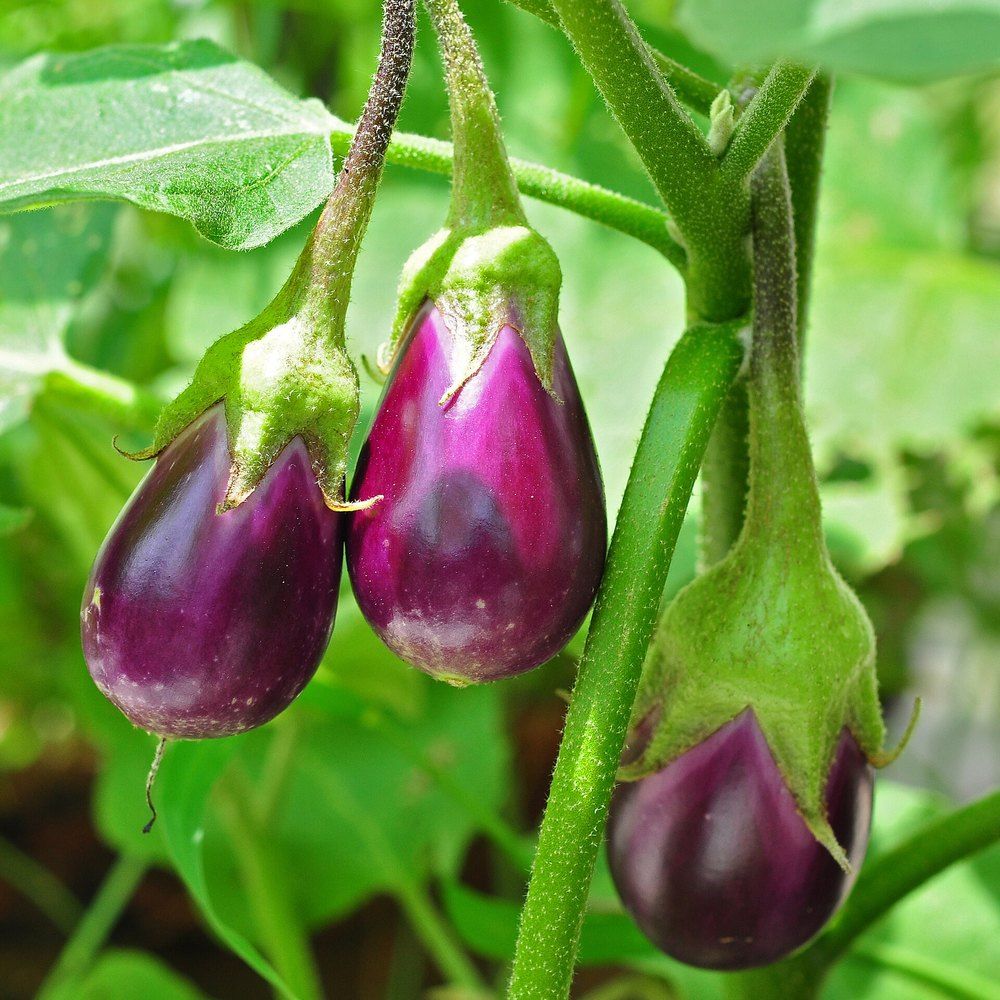
Eggplant plant: Solanaceae crop profile photo

Eggplant

Solanaceae

Zone 4a+
Sun
Full sun, 8+ hrs
Spacing
18-24 in
Maturity
70-85 days
Companions
Bush bean, Marigold, Thyme, Pepper

When to plant (from your frost dates)

  • Start seeds indoors~2026-02-28 (8 wks before last frost)
  • Transplant out~2026-05-16

Tip · Eggplant sulks in cold soil. Transplant 3 weeks after last frost, not on it. Harvest while skin is glossy: dull skin means bitter, seedy flesh.

Pests: Flea beetle, Colorado potato beetle, spider mite in dry heat.

Avoid near: Fennel, Potato

Fertilizer plan

Ratio · Low N (5-10-10) once fruiting starts

Organic options · Compost 2-3 in. at planting · Fish emulsion every 2 wks while young · Bone meal + kelp at flowering for calcium/potassium

When · Compost at planting → light nitrogen through vegetative → switch to P/K when flowers appear.

Watch for · All leaves, no fruit = too much N. Blossom-end rot = calcium deficit + uneven watering.

N = nitrogen (leaves), P = phosphorus (roots & flowers), K = potassium (fruit & disease resistance).
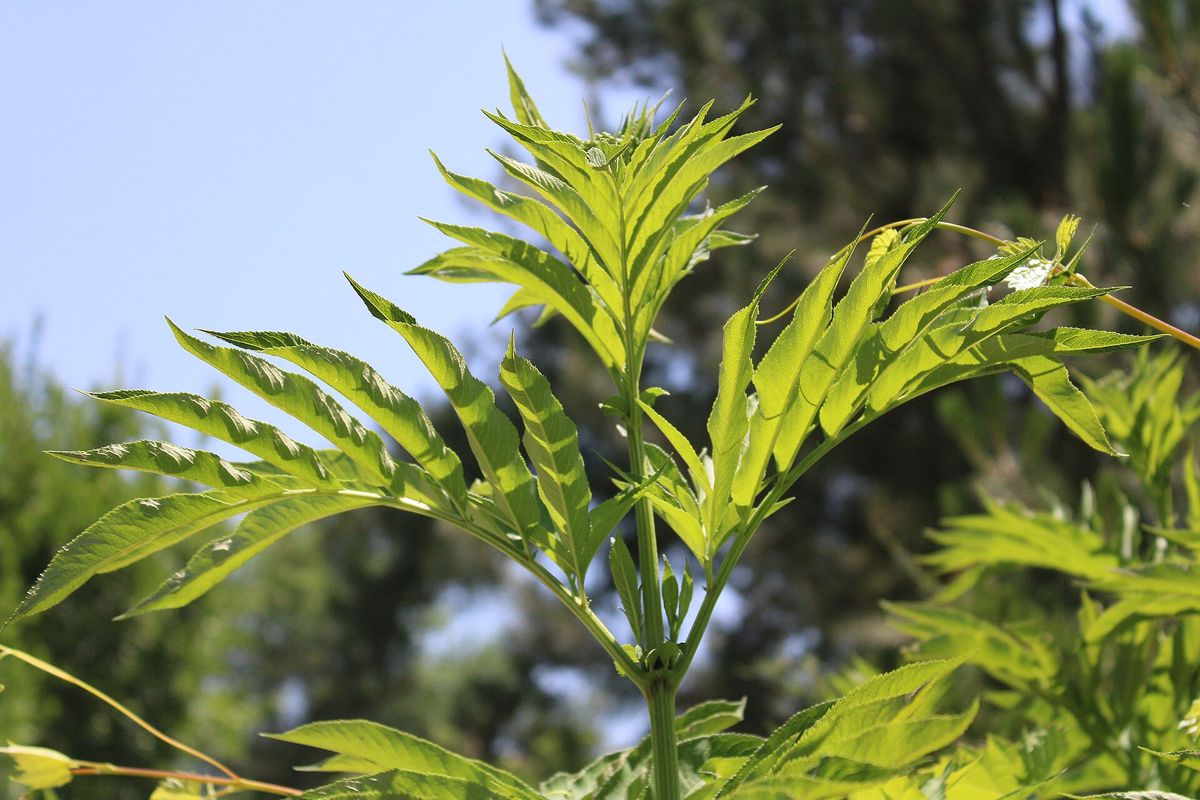
Elderberry plant: Adoxaceae crop profile photo

Elderberry

Adoxaceae

Zone 3a+
Sun
Full sun to part shade
Spacing
6-10 ft
Maturity
2-3 years to bearing (perennial shrub)
Companions
Pawpaw, Currant

When to plant (from your frost dates)

  • Transplant out~2026-05-09

Tip · Plant two different cultivars for better fruit set; cut clusters when berries turn deep purple-black and cook before eating, never raw.

Pests: Elder borer, aphid; birds strip fruit fast once ripe.

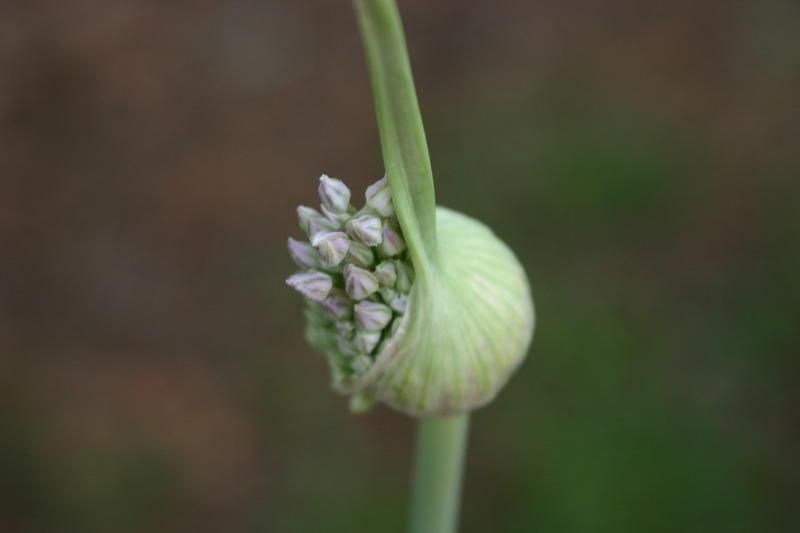
Elephant Garlic plant: Amaryllidaceae crop profile photo

Elephant Garlic

Amaryllidaceae

Zone 4a+
Sun
Full sun
Spacing
8-10 in
Maturity
240-270 days
Companions
Tomato, Cabbage, Beet

Tip · Plant cloves 4-6 weeks before hard frost, twice as deep and spaced as regular garlic: the bulbs are much larger.

Pests: Few: mild deterrent to many insects nearby.

Avoid near: Bean, Pea

Fertilizer plan

Ratio · Moderate N + high P (5-10-10)

Organic options · Compost + bone meal at planting · Fish emulsion monthly through spring · Stop feeding as bulbs swell

When · Feed through spring leaf growth, then stop once tops start to yellow so bulbs cure hard.

Watch for · Thick, soft necks = too much late nitrogen; bulbs won't store.

N = nitrogen (leaves), P = phosphorus (roots & flowers), K = potassium (fruit & disease resistance).
Endive

Asteraceae

Zone 3a+
Sun
Full sun to part shade
Spacing
8-12 in
Maturity
60-90 days
Companions
Carrot, Onion, Radish

When to plant (from your frost dates)

  • Start seeds indoors~2026-03-28 (4 wks before last frost)
  • Transplant out~2026-04-11
  • Direct sow~2026-03-28

Tip · Blanch heads by tying outer leaves shut 2 weeks before harvest to mellow the natural bitterness.

Pests: Slugs, aphid.

Avoid near: Fennel

Fertilizer plan

Ratio · Balanced 5-5-5 with steady N

Organic options · Compost tea every 2 wks · Fish emulsion between cuttings · Aged manure in bed prep

When · Light and steady. Lettuce wants constant slow N to stay tender and mild.

Watch for · Bitter greens = heat or under-water, not fertilizer.

N = nitrogen (leaves), P = phosphorus (roots & flowers), K = potassium (fruit & disease resistance).
Epazote

Amaranthaceae

Zone 5a+
Sun
Full sun
Spacing
12-18 in
Maturity
60-80 days
Companions
Bean, Squash

When to plant (from your frost dates)

  • Start seeds indoors~2026-03-14 (6 wks before last frost)
  • Transplant out~2026-05-09
  • Direct sow~2026-05-02

Tip · Self-sows freely once established; use a light hand in cooking, since the flavor is strong and a little goes a long way.

Pests: Rarely bothered.

Fertilizer plan

Ratio · Balanced 5-5-5, boron matters for beets

Organic options · Compost + wood ash · Kelp meal for micronutrients · Fish emulsion every 3 wks

When · Bed prep with compost + kelp, one side-dress mid-season.

Watch for · Black spot in beet roots = boron deficit; a pinch of borax per gallon foliar-sprayed fixes it.

N = nitrogen (leaves), P = phosphorus (roots & flowers), K = potassium (fruit & disease resistance).
Escarole

Asteraceae

Zone 3a+
Sun
Full sun to part shade
Spacing
10-12 in
Maturity
60-90 days
Companions
Carrot, Onion, Radish

When to plant (from your frost dates)

  • Start seeds indoors~2026-03-28 (4 wks before last frost)
  • Transplant out~2026-04-11
  • Direct sow~2026-03-28

Tip · Broader and milder than curly endive; a light frost sweetens the outer leaves before harvest.

Pests: Slugs, aphid.

Avoid near: Fennel

Fertilizer plan

Ratio · Balanced 5-5-5 with steady N

Organic options · Compost tea every 2 wks · Fish emulsion between cuttings · Aged manure in bed prep

When · Light and steady. Lettuce wants constant slow N to stay tender and mild.

Watch for · Bitter greens = heat or under-water, not fertilizer.

N = nitrogen (leaves), P = phosphorus (roots & flowers), K = potassium (fruit & disease resistance).
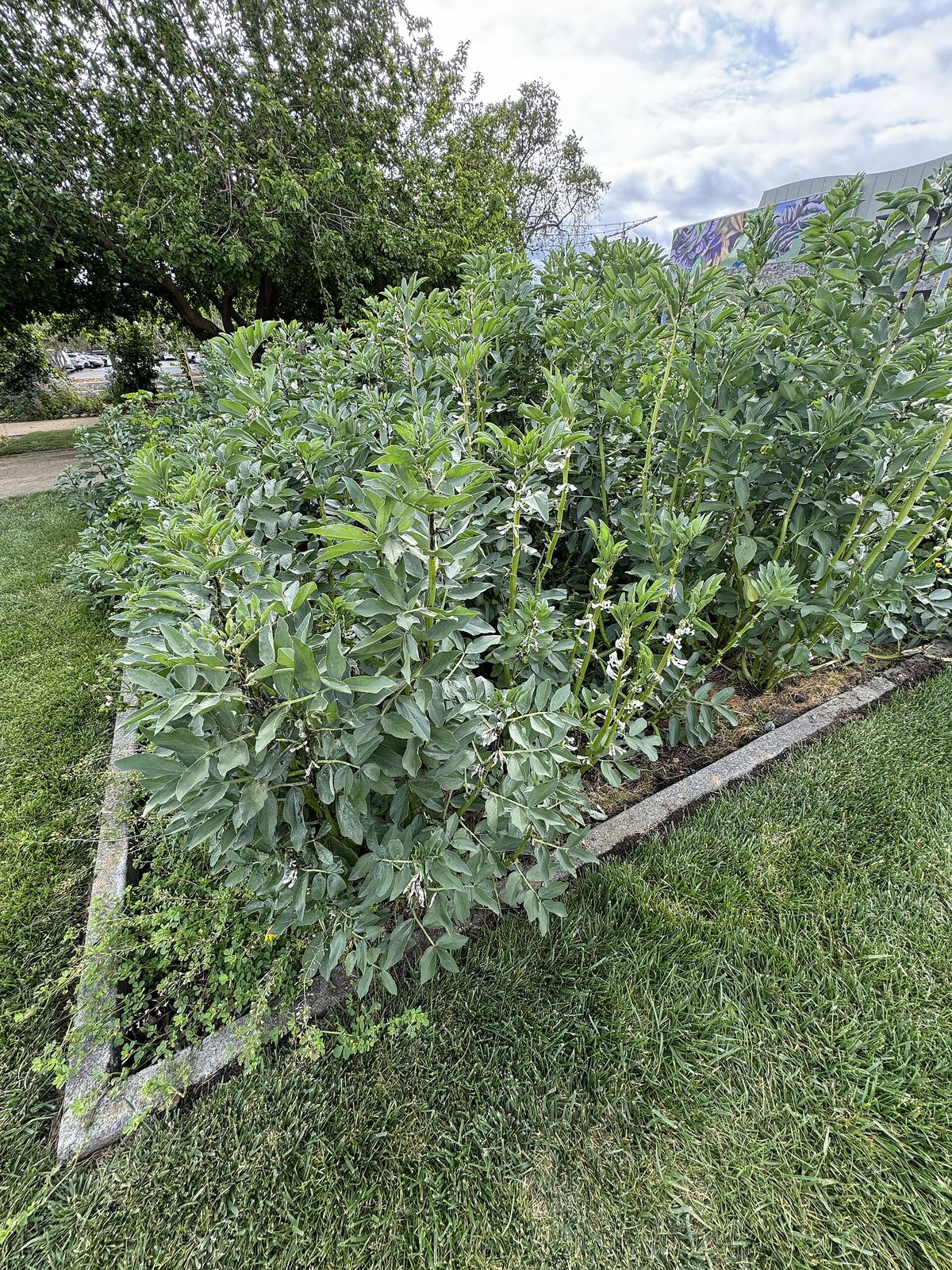
Fava Bean plant: Fabaceae crop profile photo

Fava Bean

Fabaceae

Zone 3a+
Sun
Full sun
Spacing
6-10 in
Maturity
80-100 days
Companions
Potato, Cabbage, Corn

When to plant (from your frost dates)

  • Direct sow~2026-03-14

Tip · One of the few legumes that thrives in cold soil: sow as soon as ground can be worked, well before last frost.

Pests: Black bean aphid clusters at the growing tip, chocolate spot in wet weather.

Avoid near: Onion, Garlic

Fertilizer plan

Ratio · LOW N: beans fix their own nitrogen

Organic options · Compost at planting is enough · Rock phosphate for pods · Wood ash for potassium if soil is deficient

When · Do not add nitrogen fertilizer. You'll get leaves, no pods. One compost dose at planting.

Watch for · Inoculate seeds with rhizobia the first time you grow legumes in a bed.

N = nitrogen (leaves), P = phosphorus (roots & flowers), K = potassium (fruit & disease resistance).
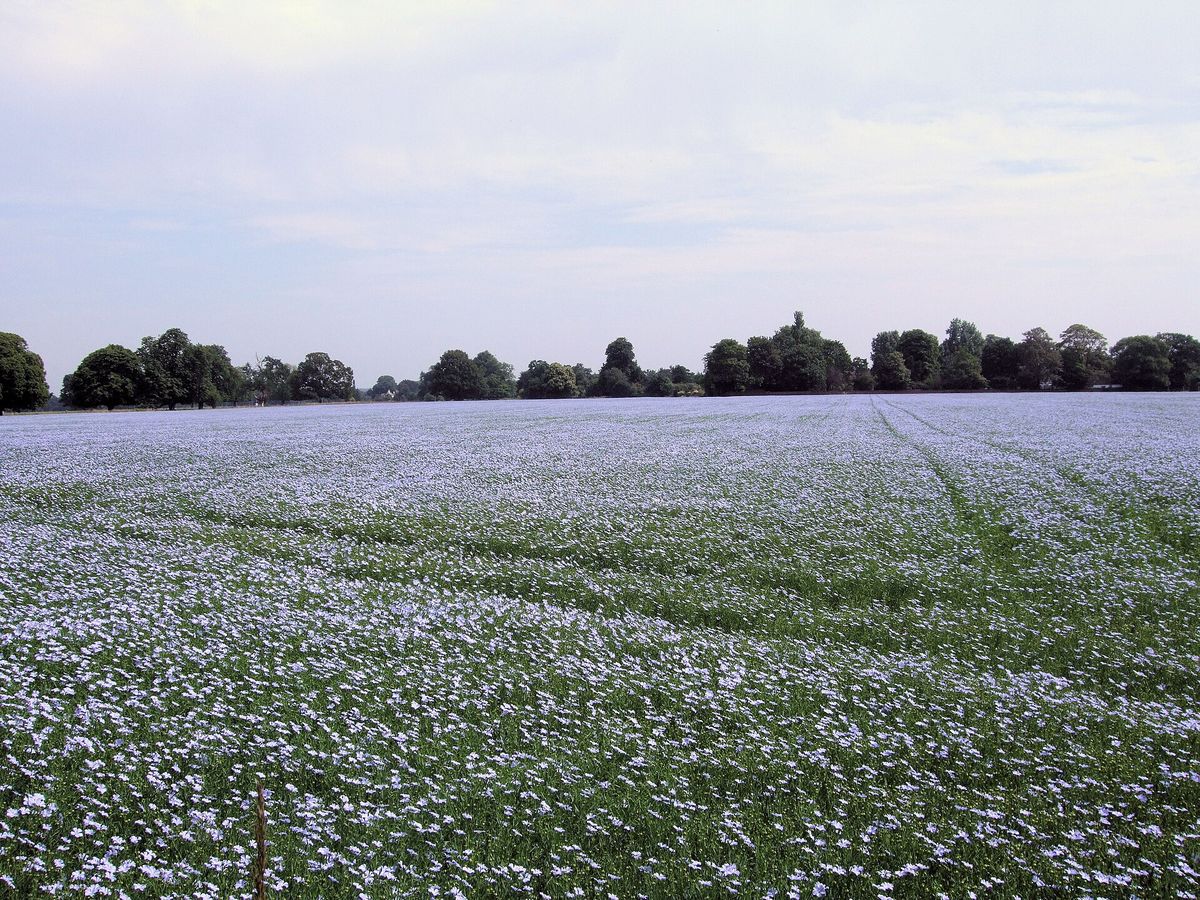
Flax (Seed) plant: Linaceae crop profile photo

Flax (Seed)

Linaceae

Zone 3a+
Sun
Full sun
Spacing
2-4 in
Maturity
90-110 days
Companions
Carrot, Potato

When to plant (from your frost dates)

  • Direct sow~2026-04-04

Tip · Pull whole plants once seed pods rattle and stems yellow; hang in bundles to finish drying before threshing.

Pests: Rarely bothered; flax wilt in soil grown too many years running.

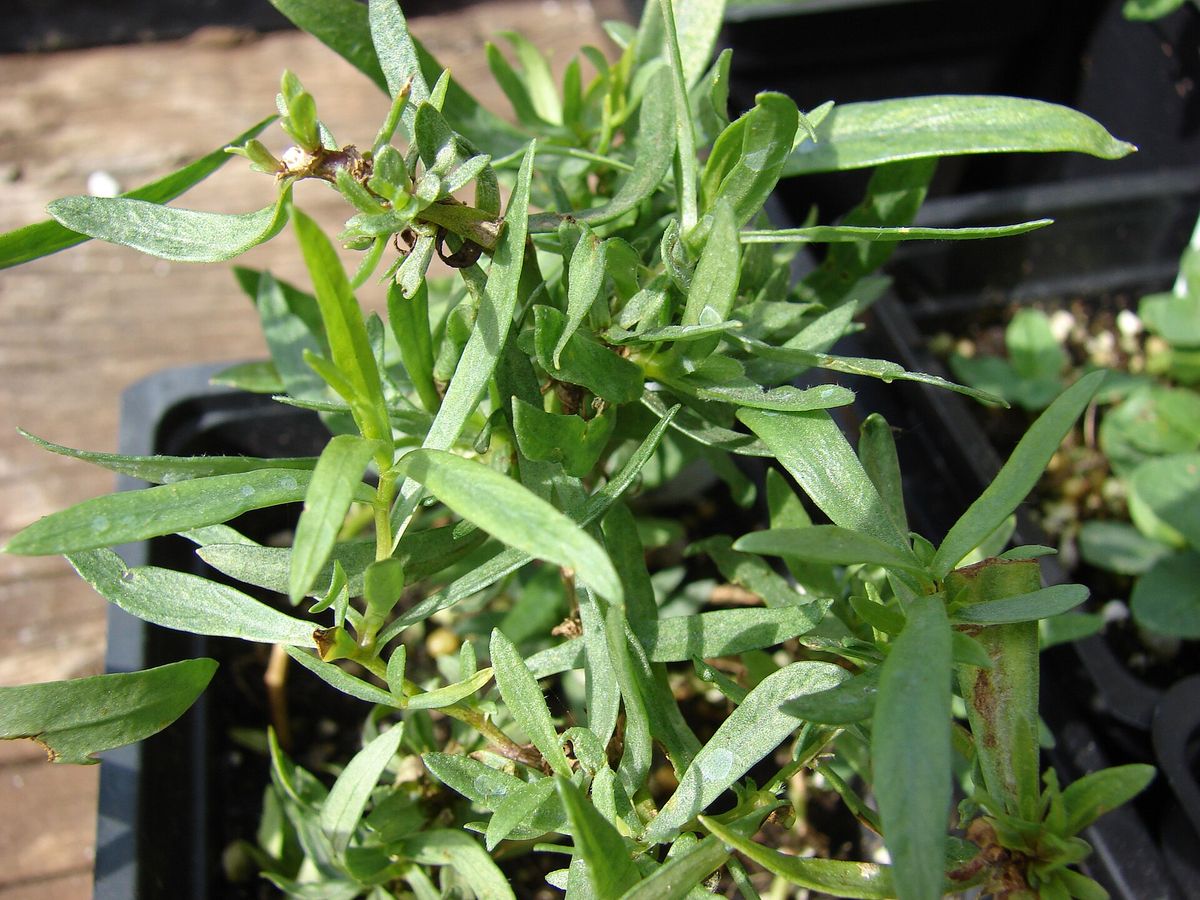
French Tarragon plant: Asteraceae crop profile photo

French Tarragon

Asteraceae

Zone 4a+
Sun
Full sun to part shade
Spacing
18-24 in
Maturity
60-90 days (perennial)
Companions
Eggplant, Tomato

When to plant (from your frost dates)

  • Transplant out~2026-05-09

Tip · Doesn't come true from seed; buy or divide root cuttings, and divide the clump every 3 years to keep it vigorous.

Pests: Rarely bothered.

Fertilizer plan

Ratio · Balanced 5-5-5 with steady N

Organic options · Compost tea every 2 wks · Fish emulsion between cuttings · Aged manure in bed prep

When · Light and steady. Lettuce wants constant slow N to stay tender and mild.

Watch for · Bitter greens = heat or under-water, not fertilizer.

N = nitrogen (leaves), P = phosphorus (roots & flowers), K = potassium (fruit & disease resistance).
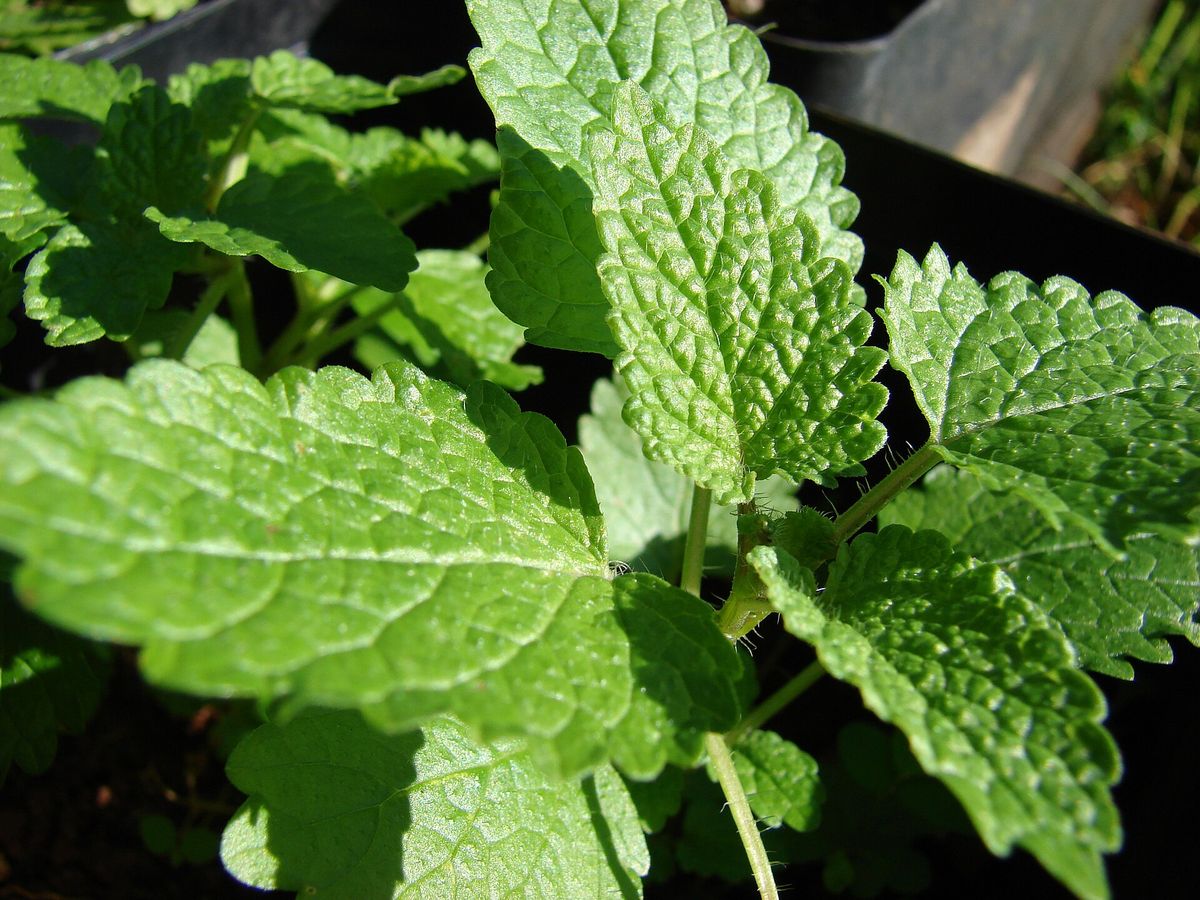
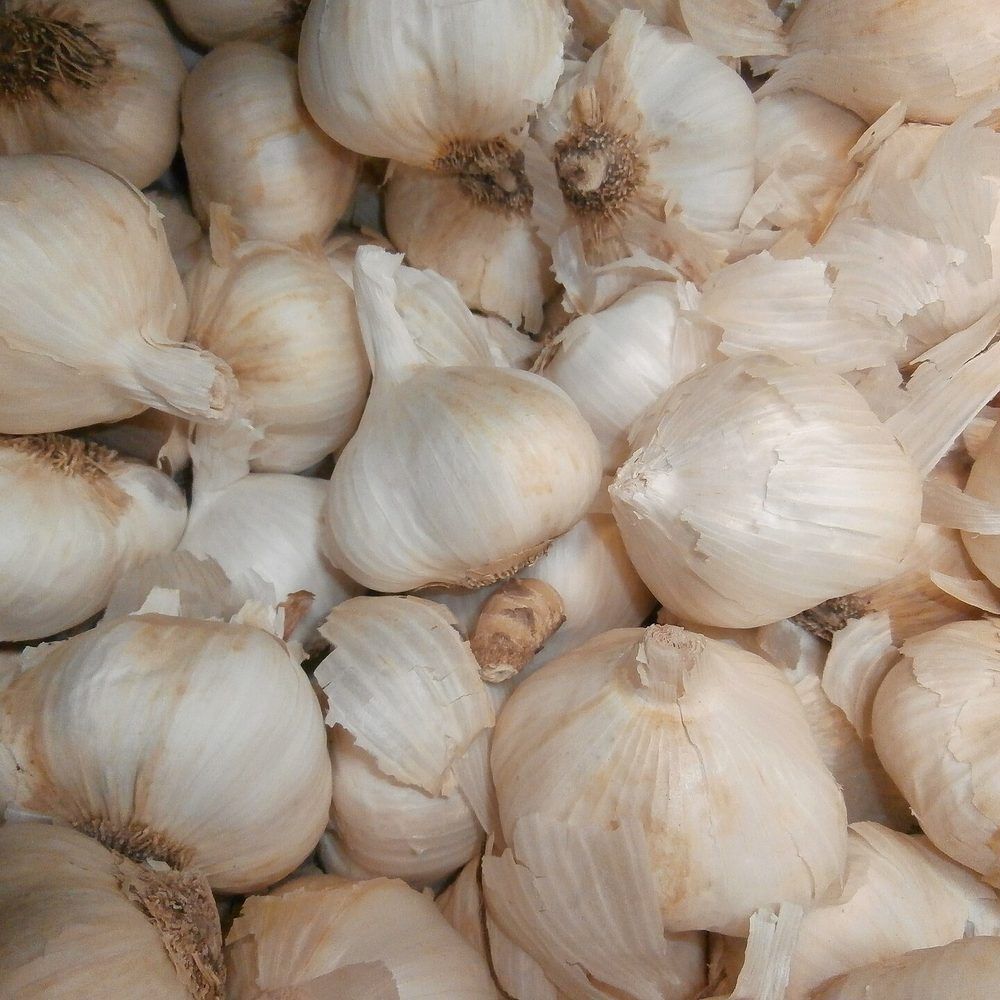
Garlic plant: Amaryllidaceae crop profile photo

Garlic

Amaryllidaceae

Zone 3a+
Sun
Full sun
Spacing
4-6 in
Maturity
240 days
Companions
Tomato, Cabbage, Beet

Tip · Plant cloves 4-6 weeks before first fall frost. Mulch heavily and forget until June.

Pests: Few: a garden protector.

Avoid near: Bean, Pea

Fertilizer plan

Ratio · Moderate N + high P (5-10-10)

Organic options · Compost + bone meal at planting · Fish emulsion monthly through spring · Stop feeding as bulbs swell

When · Feed through spring leaf growth, then stop once tops start to yellow so bulbs cure hard.

Watch for · Thick, soft necks = too much late nitrogen; bulbs won't store.

N = nitrogen (leaves), P = phosphorus (roots & flowers), K = potassium (fruit & disease resistance).
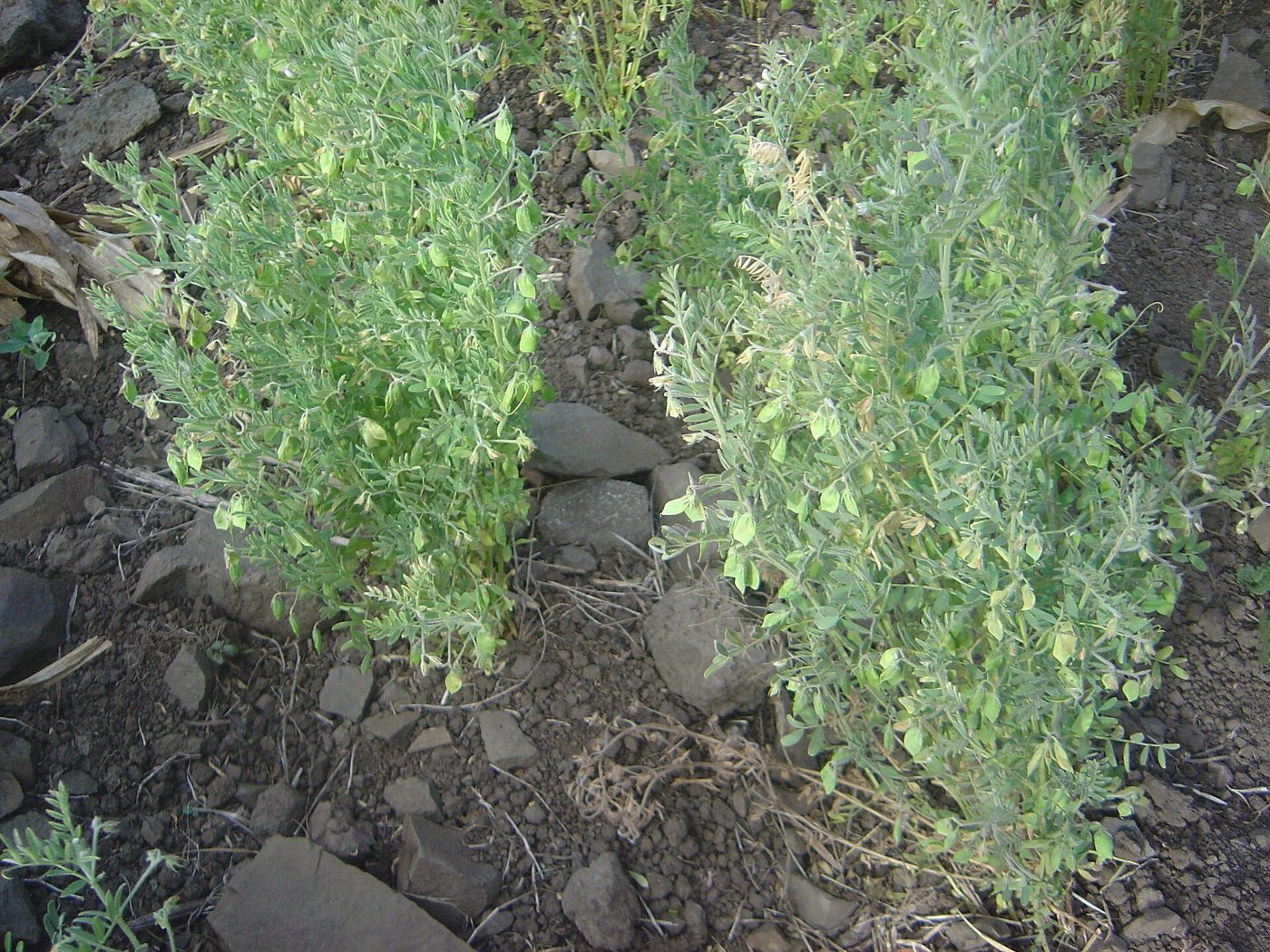
Goji Berry

Solanaceae

Zone 5a+
Sun
Full sun
Spacing
4-6 ft
Maturity
2 years to bearing (perennial shrub)
Companions

When to plant (from your frost dates)

  • Transplant out~2026-05-09

Tip · Prune hard each dormant season; it suckers and sprawls readily, and untended plants turn into an unmanageable thicket fast.

Pests: Aphid, spider mite; shares pest pressure with other nightshades.

Avoid near: Tomato, Pepper, Eggplant (shares nightshade pests and diseases)

Fertilizer plan

Ratio · Low N (5-10-10) once fruiting starts

Organic options · Compost 2-3 in. at planting · Fish emulsion every 2 wks while young · Bone meal + kelp at flowering for calcium/potassium

When · Compost at planting → light nitrogen through vegetative → switch to P/K when flowers appear.

Watch for · All leaves, no fruit = too much N. Blossom-end rot = calcium deficit + uneven watering.

N = nitrogen (leaves), P = phosphorus (roots & flowers), K = potassium (fruit & disease resistance).
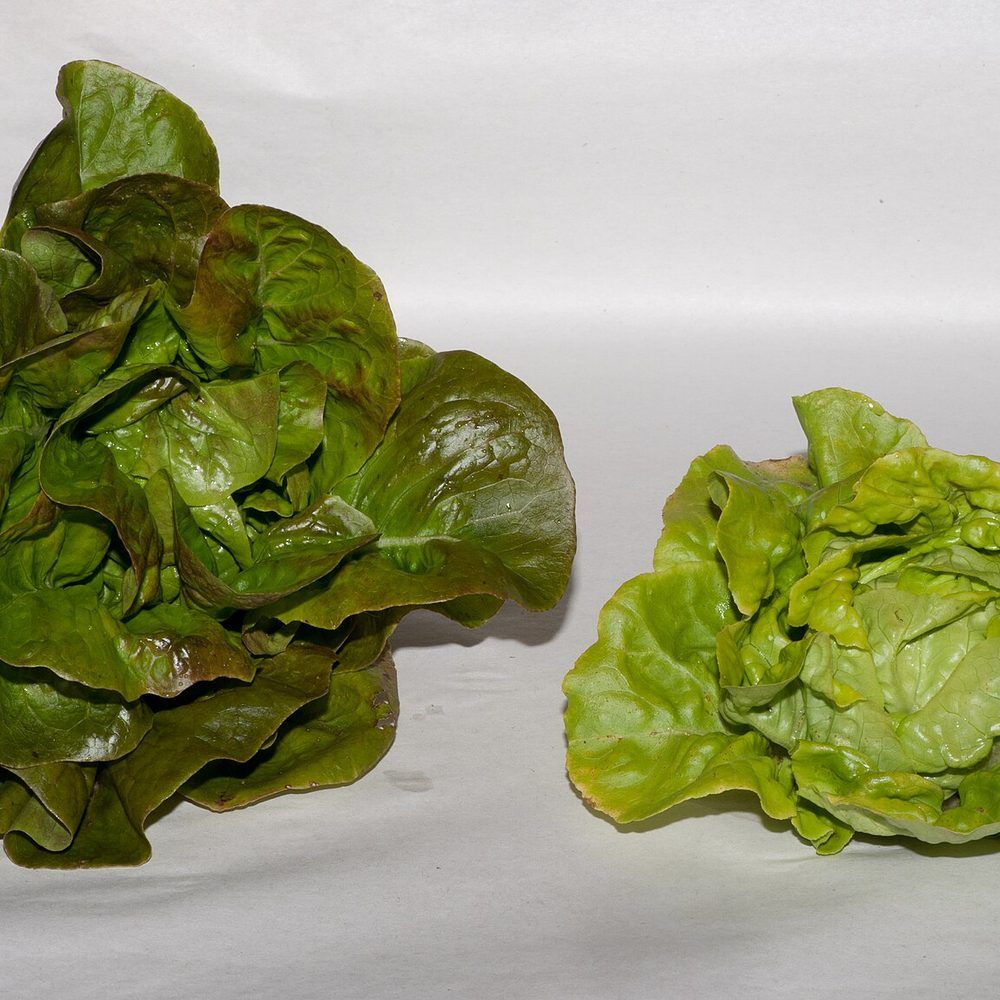
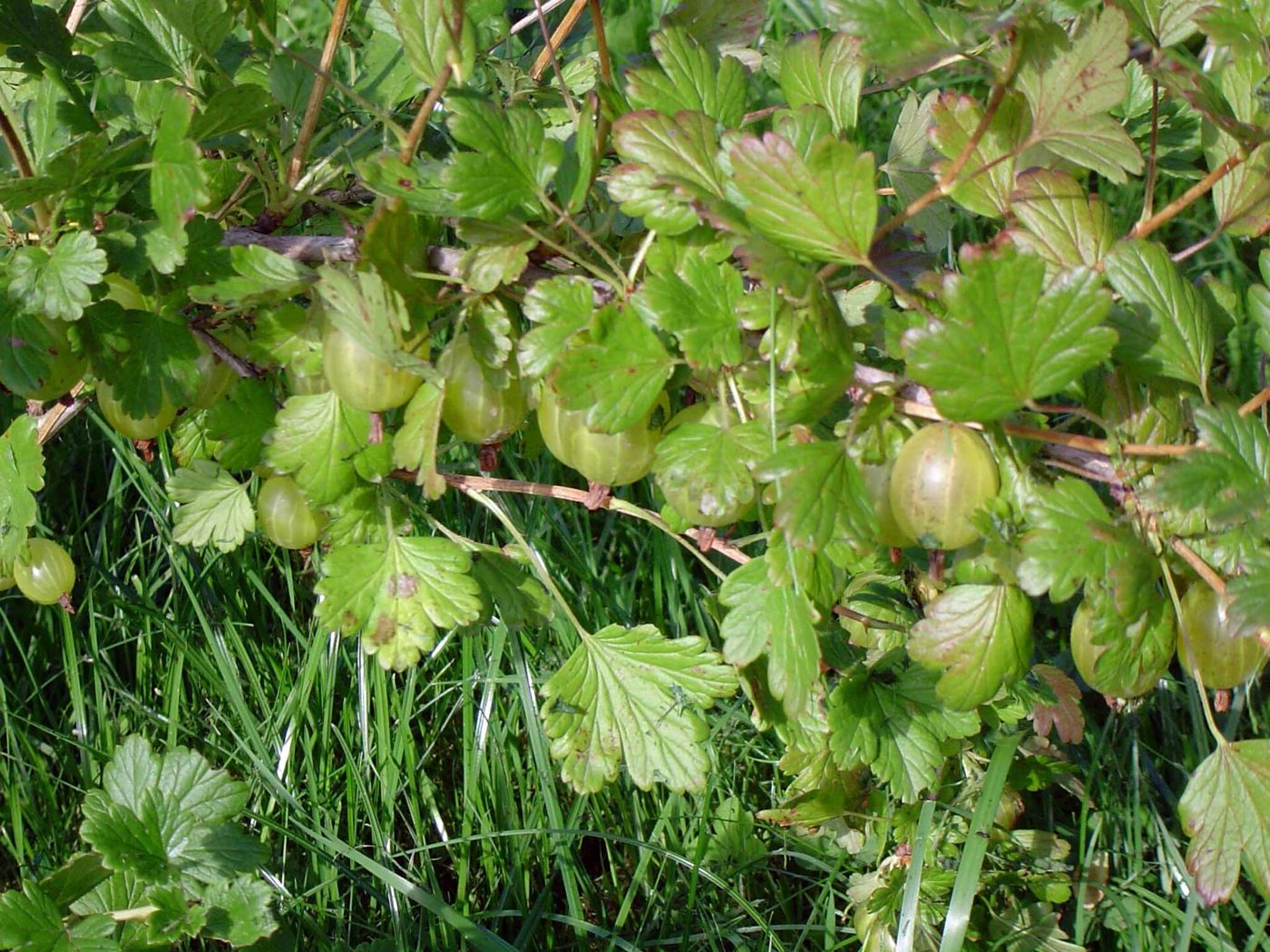
Gooseberry plant: Grossulariaceae crop profile photo

Gooseberry

Grossulariaceae

Zone 3a+
Sun
Full sun to part shade
Spacing
4-5 ft
Maturity
2-3 years to bearing (perennial shrub)
Companions
Black currant, Raspberry

When to plant (from your frost dates)

  • Transplant out~2026-05-09

Tip · Prune to an open vase shape each dormant season; good airflow through the center is the best defense against mildew.

Pests: Gooseberry sawfly, powdery mildew.

Grain Amaranth

Amaranthaceae

Zone 4a+
Sun
Full sun
Spacing
10-14 in
Maturity
90-120 days
Companions
Corn, Bean

When to plant (from your frost dates)

  • Direct sow~2026-05-09

Tip · Shake a seed head into your palm; when seed falls free and ripe, cut heads into a paper bag to finish drying indoors.

Pests: Flea beetle on seedlings; birds at seed set.

Avoid near: Beet, Spinach

Fertilizer plan

Ratio · Balanced 5-5-5, boron matters for beets

Organic options · Compost + wood ash · Kelp meal for micronutrients · Fish emulsion every 3 wks

When · Bed prep with compost + kelp, one side-dress mid-season.

Watch for · Black spot in beet roots = boron deficit; a pinch of borax per gallon foliar-sprayed fixes it.

N = nitrogen (leaves), P = phosphorus (roots & flowers), K = potassium (fruit & disease resistance).
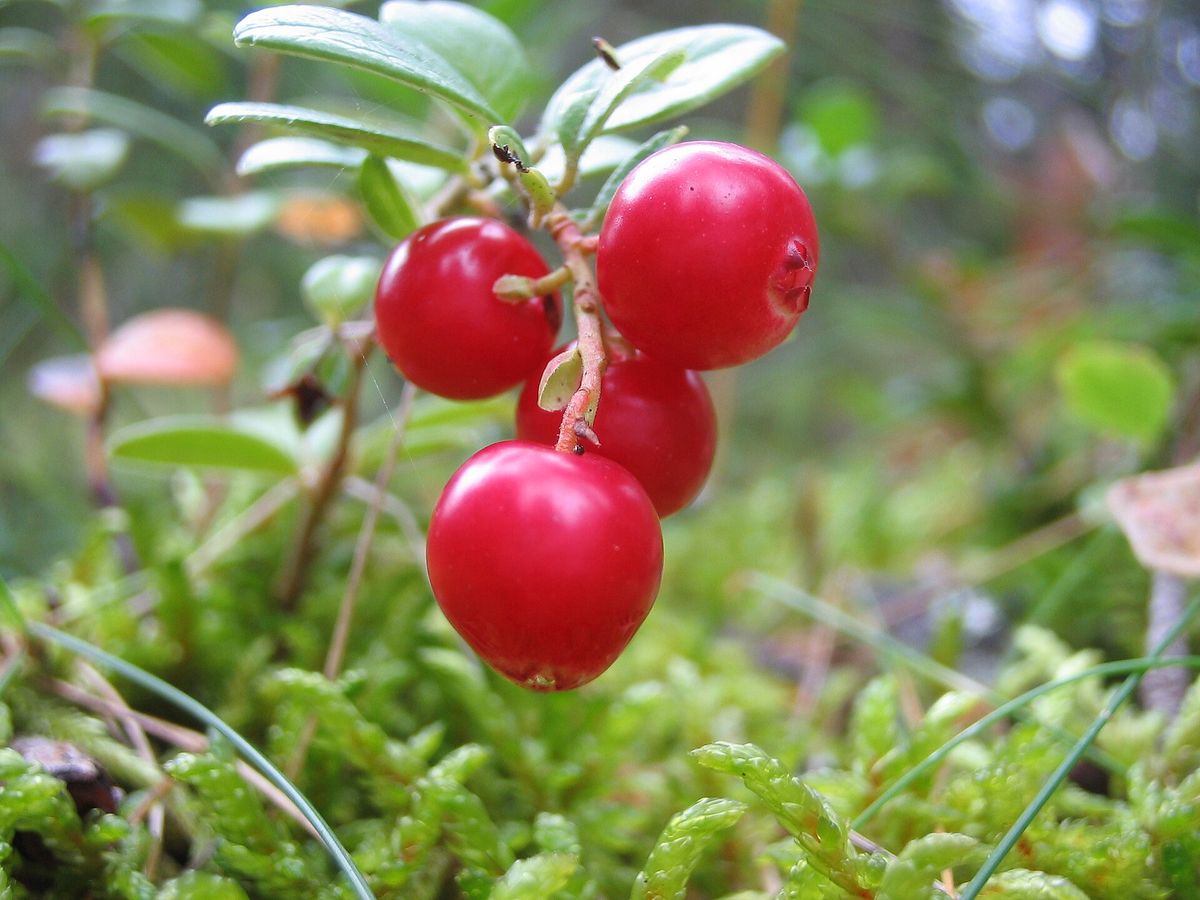
Grape plant: Vitaceae crop profile photo

Grape

Vitaceae

Zone 5a+
Sun
Full sun, 8+ hrs
Spacing
6-8 ft on a trellis
Maturity
Yr 3 fruiting (perennial vine)
Companions
Basil, Hyssop, Chives

When to plant (from your frost dates)

  • Transplant out~2026-03-14

Tip · Dormant-prune hard every winter. Remove 90% of last year's growth. Grapes fruit on new wood.

Pests: Japanese beetle, birds, powdery mildew.

Avoid near: Cabbage, Radish

Fertilizer plan

Ratio · Low N, moderate K (5-5-10)

Organic options · Compost in the row at planting · Kelp meal at fruit set · Only light nitrogen on weak vines

When · One spring feed. Grapes fruit best in lean soil with hard annual pruning.

Watch for · Rank leafy growth and poor clusters = too much nitrogen, too little pruning.

N = nitrogen (leaves), P = phosphorus (roots & flowers), K = potassium (fruit & disease resistance).
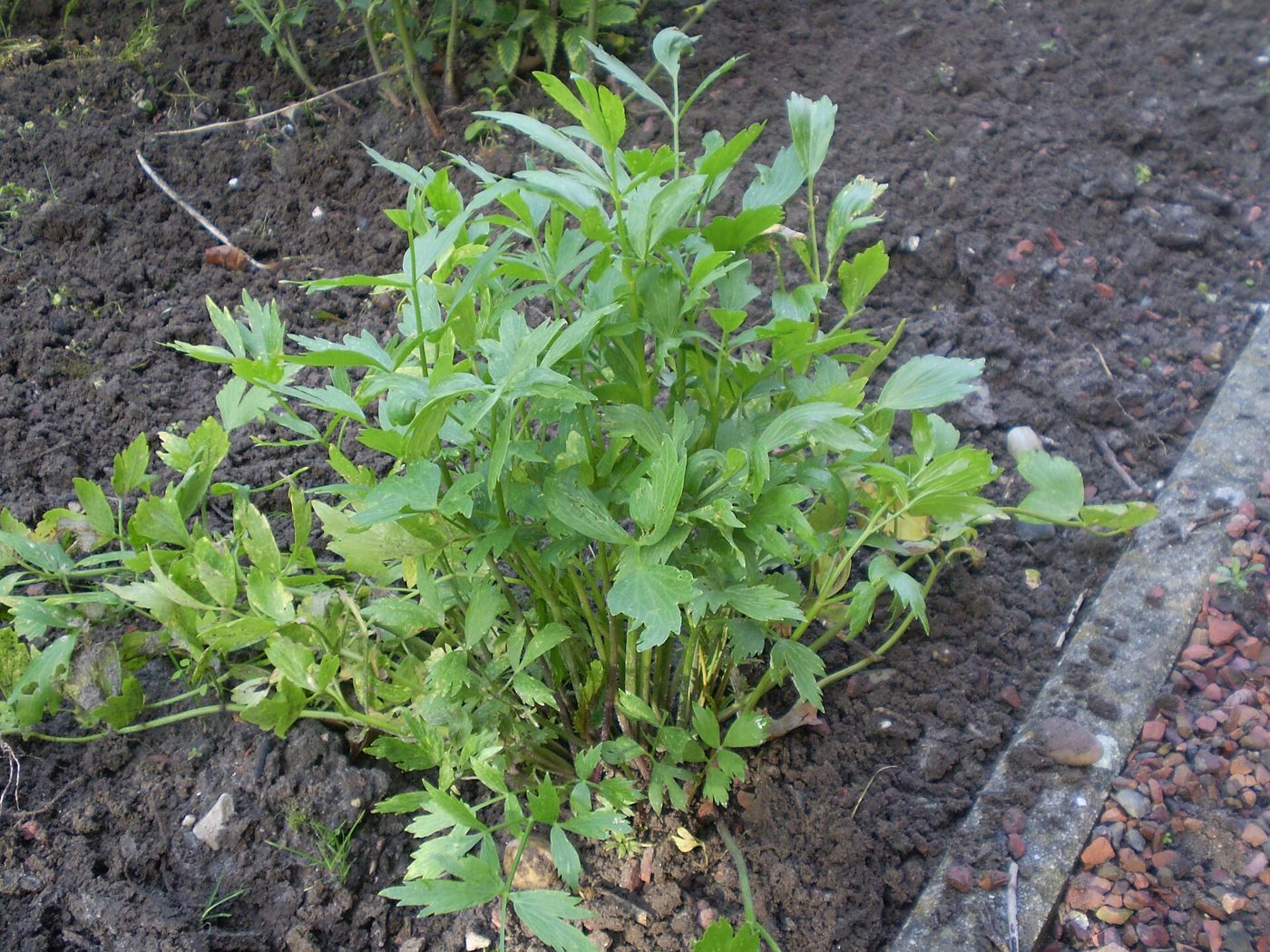
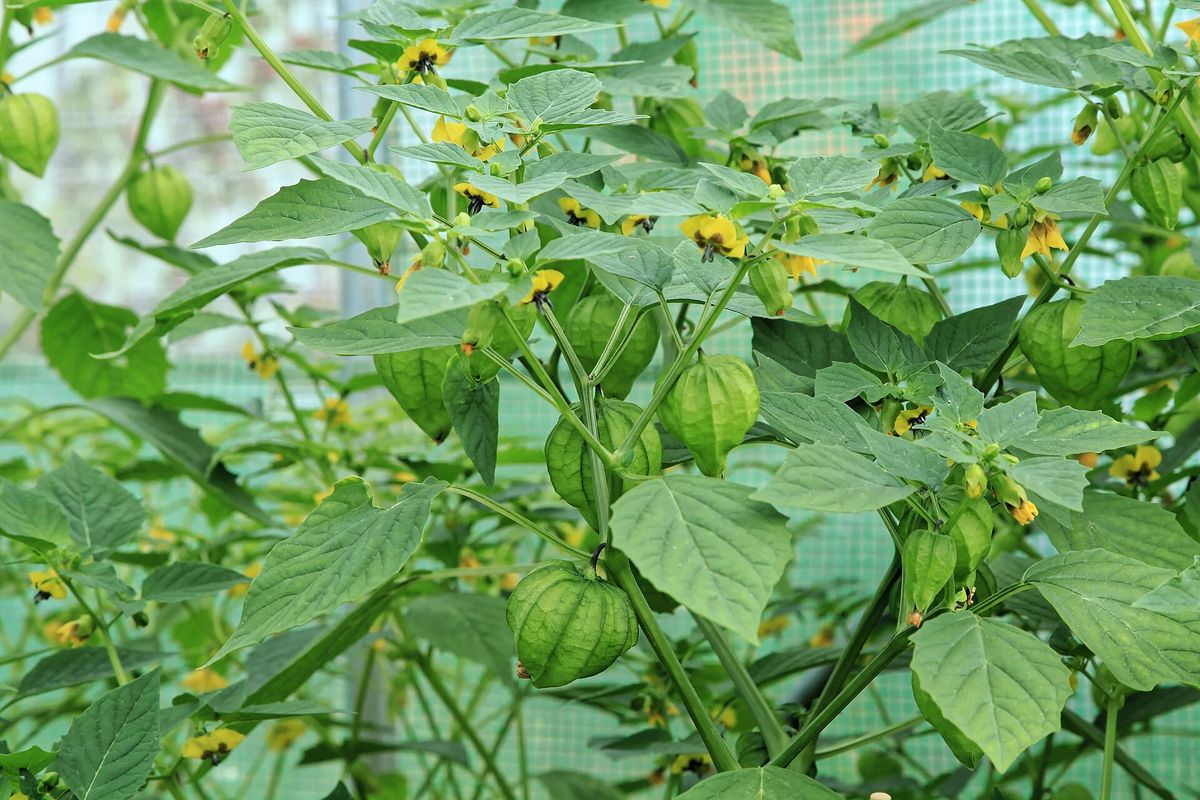
Ground Cherry plant: Solanaceae crop profile photo

Ground Cherry

Solanaceae

Zone 4a+
Sun
Full sun
Spacing
18-24 in
Maturity
70-90 days
Companions
Basil, Pepper

When to plant (from your frost dates)

  • Start seeds indoors~2026-03-14 (6 wks before last frost)
  • Transplant out~2026-05-09

Tip · Fruit drops when ripe, husk and all: rake or hand-pick off the ground every few days rather than picking from the plant.

Pests: Flea beetle, cutworm on young transplants.

Avoid near: Fennel

Fertilizer plan

Ratio · Low N (5-10-10) once fruiting starts

Organic options · Compost 2-3 in. at planting · Fish emulsion every 2 wks while young · Bone meal + kelp at flowering for calcium/potassium

When · Compost at planting → light nitrogen through vegetative → switch to P/K when flowers appear.

Watch for · All leaves, no fruit = too much N. Blossom-end rot = calcium deficit + uneven watering.

N = nitrogen (leaves), P = phosphorus (roots & flowers), K = potassium (fruit & disease resistance).
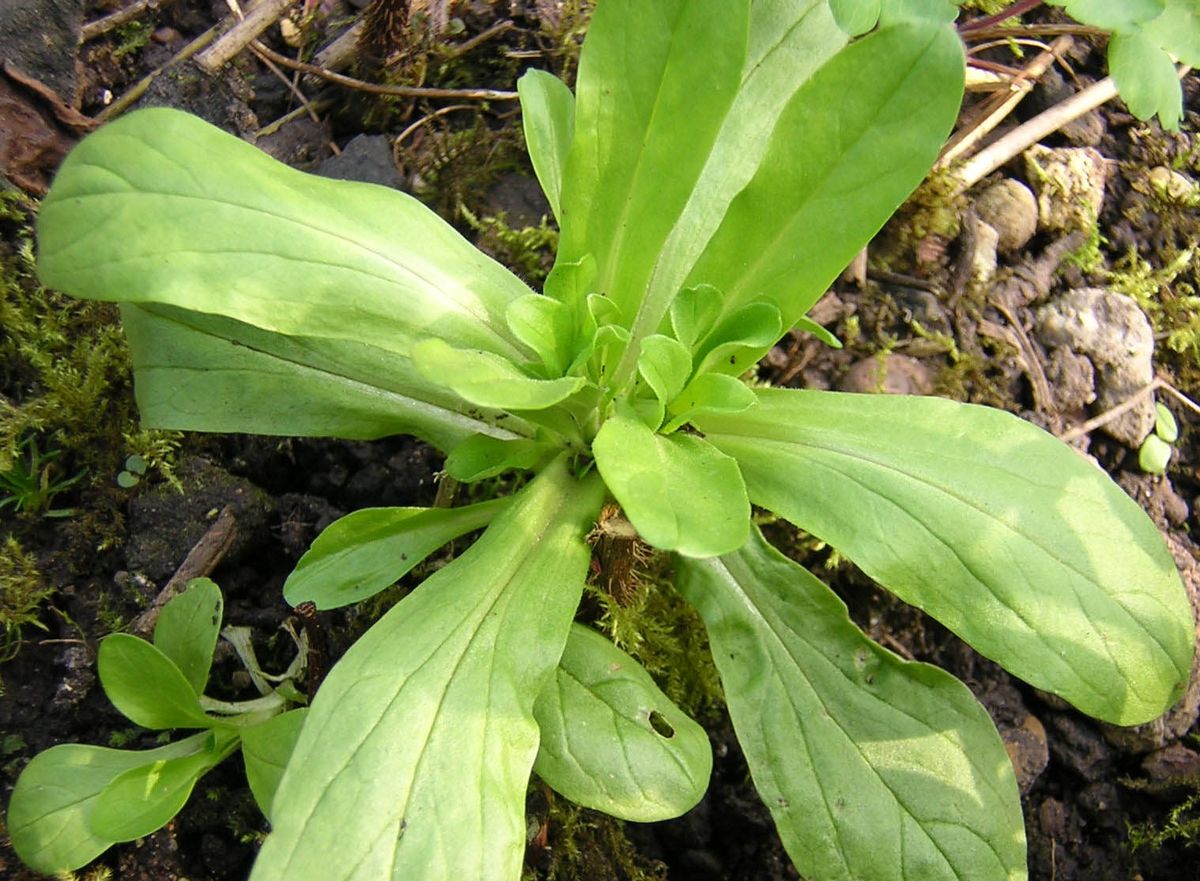
Habanero Pepper plant: Solanaceae crop profile photo

Habanero Pepper

Solanaceae

Zone 5a+
Sun
Full sun
Spacing
18-24 in
Maturity
90-110 days
Companions
Basil, Onion, Carrot

When to plant (from your frost dates)

  • Start seeds indoors~2026-02-14 (10 wks before last frost)
  • Transplant out~2026-05-09

Tip · Needs more heat and a longer season than bell peppers; start indoors early and don't rush it outside until nights stay above 55F.

Pests: Aphids, flea beetles.

Avoid near: Beans, Fennel

Fertilizer plan

Ratio · Low N (5-10-10) once fruiting starts

Organic options · Compost 2-3 in. at planting · Fish emulsion every 2 wks while young · Bone meal + kelp at flowering for calcium/potassium

When · Compost at planting → light nitrogen through vegetative → switch to P/K when flowers appear.

Watch for · All leaves, no fruit = too much N. Blossom-end rot = calcium deficit + uneven watering.

N = nitrogen (leaves), P = phosphorus (roots & flowers), K = potassium (fruit & disease resistance).
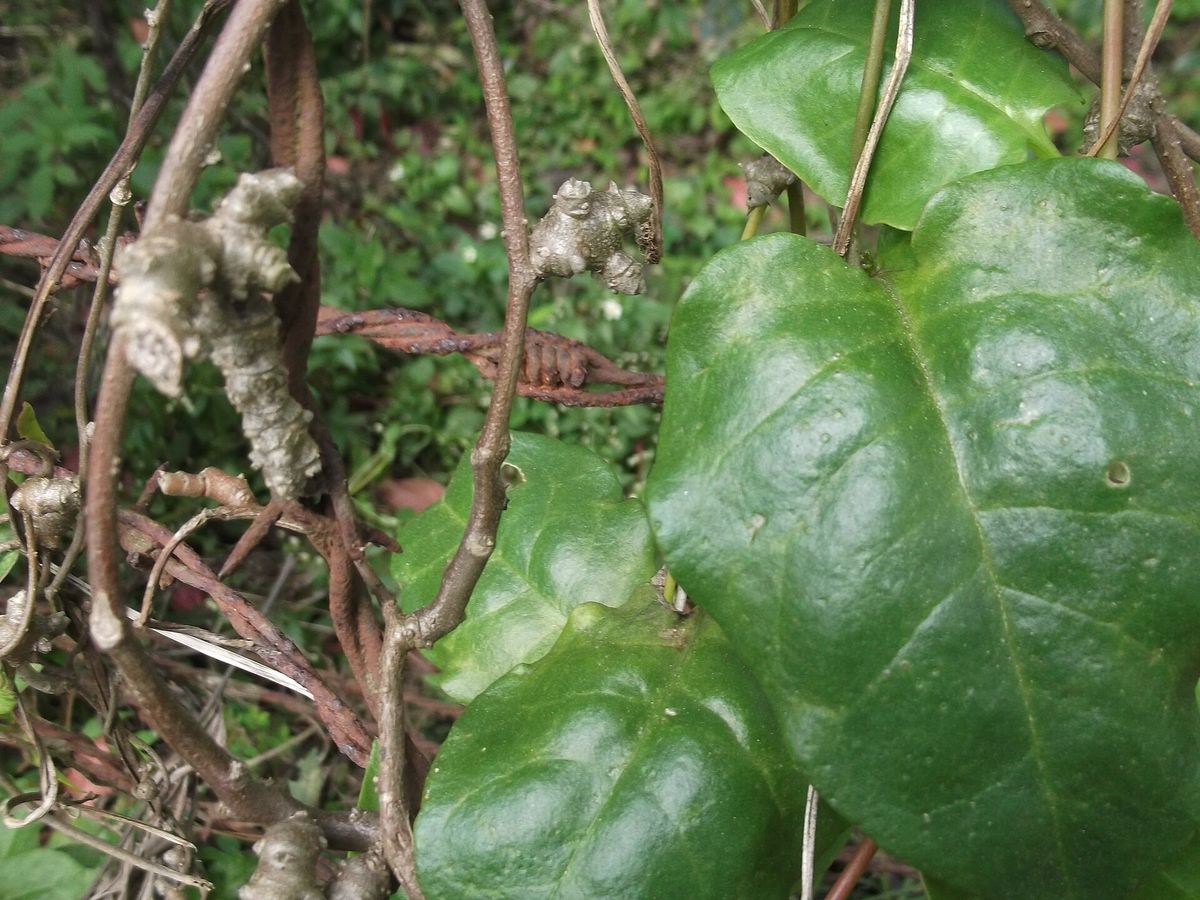
Hardy Kiwi

Actinidiaceae

Zone 4a+
Sun
Full sun to part shade
Spacing
10-15 ft on a sturdy trellis
Maturity
3-4 years to bearing (perennial vine)
Companions

When to plant (from your frost dates)

  • Transplant out~2026-05-09

Tip · Plant one male vine for every 6-8 females; unlike fuzzy kiwi, the smooth skin means fruit can be eaten whole, no peeling.

Pests: Rarely bothered; deer and cats are drawn to the foliage.

Hazelnut (Filbert) plant: Betulaceae crop profile photo
Zone 4a+
Sun
Full sun to part shade
Spacing
15-20 ft
Maturity
3-4 years to bearing (perennial shrub/tree)
Companions

When to plant (from your frost dates)

  • Transplant out~2026-05-09

Tip · Harvest as husks turn brown and nuts start dropping on their own; squirrels usually beat gardeners who wait too long.

Pests: Eastern filbert blight, filbert weevil, squirrels at harvest.

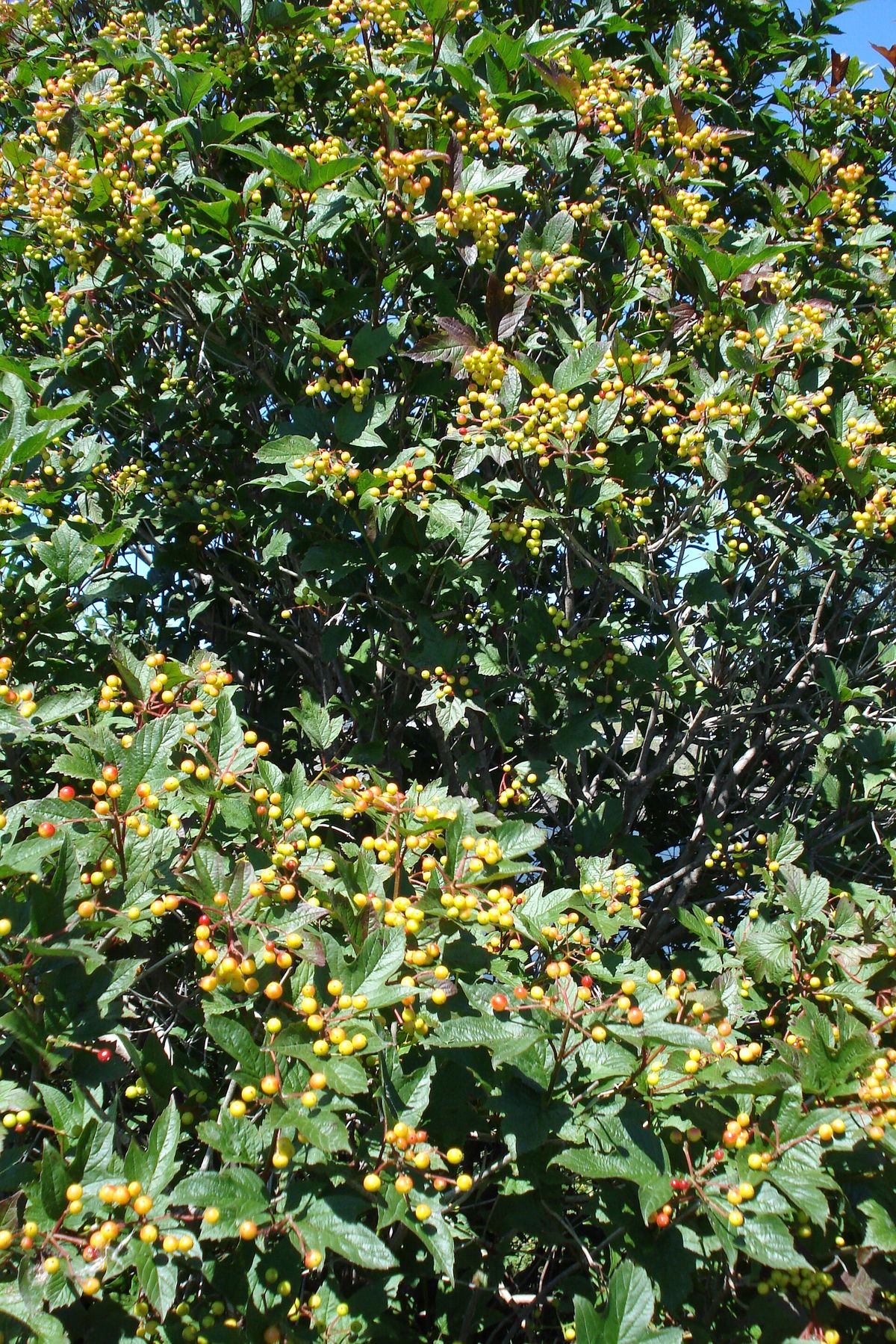
Highbush Cranberry plant: Adoxaceae crop profile photo
Zone 3a+
Sun
Full sun to part shade
Spacing
8-10 ft
Maturity
3-4 years to bearing (perennial shrub)
Companions
Elderberry, Serviceberry

When to plant (from your frost dates)

  • Transplant out~2026-05-09

Tip · Fruit is sour and best after frost; buy the American species rather than the European lookalike, whose fruit is bitter and far less useful.

Pests: Viburnum leaf beetle, aphids.

Honeyberry (Haskap)

Caprifoliaceae

Zone 3a+
Sun
Full sun to part shade
Spacing
4-6 ft
Maturity
2-3 years to bearing (perennial shrub)
Companions
Currant, Blueberry

When to plant (from your frost dates)

  • Transplant out~2026-05-09

Tip · Plant two different cultivars for pollination; it flowers and fruits earlier than almost any other berry, often before strawberries.

Pests: Rarely bothered; birds are the main competition at ripening.

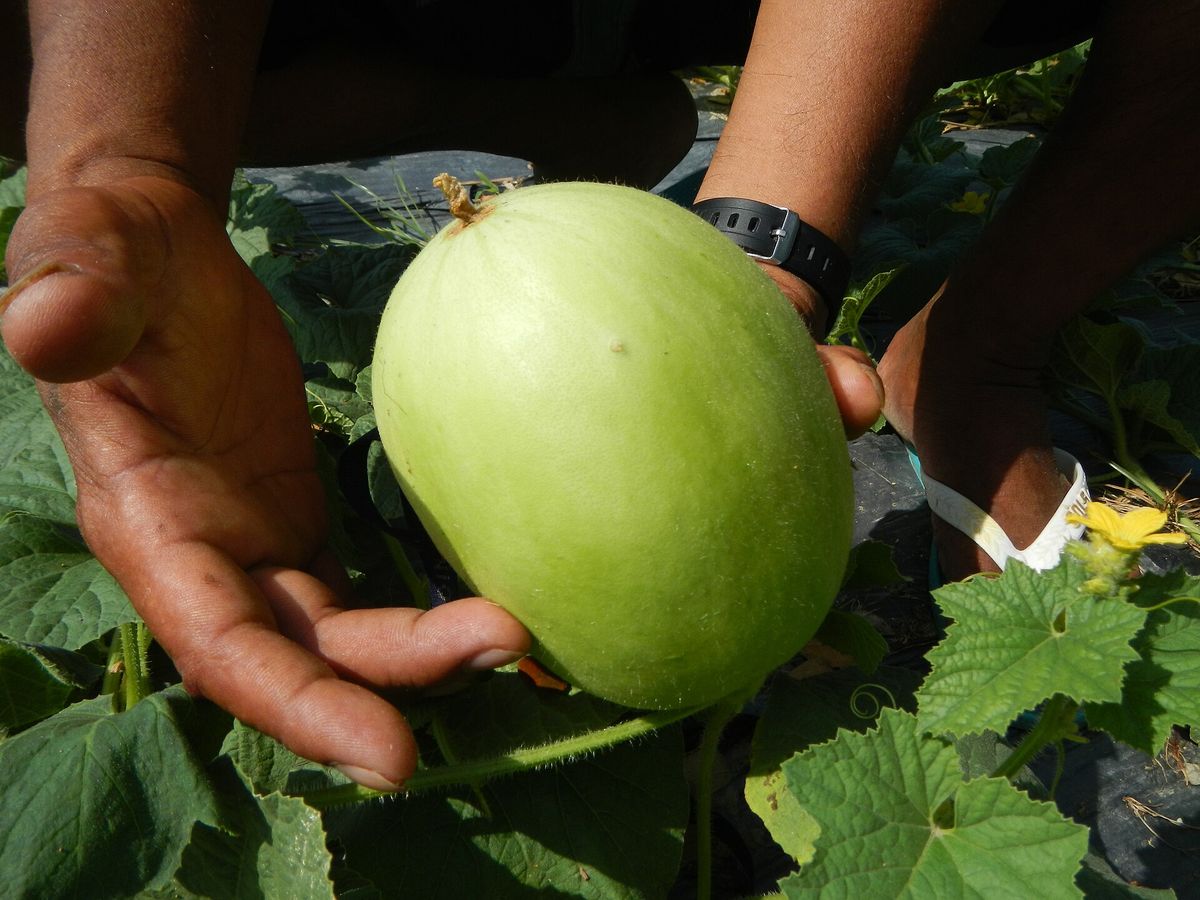
Honeydew Melon plant: Cucurbitaceae crop profile photo

Honeydew Melon

Cucurbitaceae

Zone 5a+
Sun
Full sun, 8+ hrs
Spacing
24-36 in on a mound
Maturity
80-100 days
Companions
Corn, Radish, Bean

When to plant (from your frost dates)

  • Start seeds indoors~2026-04-04 (3 wks before last frost)
  • Transplant out~2026-05-09
  • Direct sow~2026-05-09

Tip · Unlike cantaloupe, honeydew doesn't slip from the vine when ripe; judge by a faint sweet smell and a slight give at the blossom end.

Pests: Cucumber beetle, aphid, powdery mildew.

Avoid near: Potato

Fertilizer plan

Ratio · Balanced 5-5-5, ease off N at flowering

Organic options · Compost + aged manure in the hill · Fish emulsion until first blossom · Kelp meal + wood ash at flowering

When · Big feed at transplant, side-dress once vines run, potassium boost at flowering.

Watch for · Female flowers dropping = pollination issue, not fertilizer.

N = nitrogen (leaves), P = phosphorus (roots & flowers), K = potassium (fruit & disease resistance).
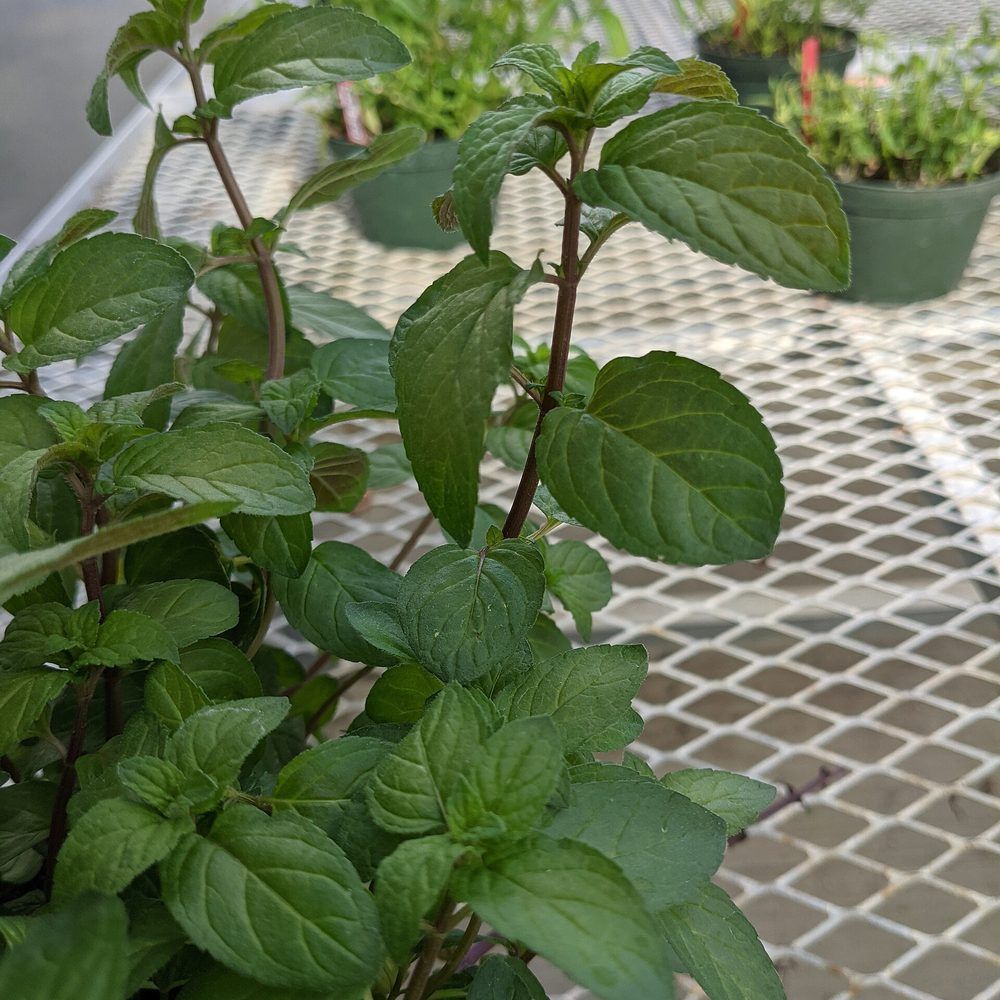
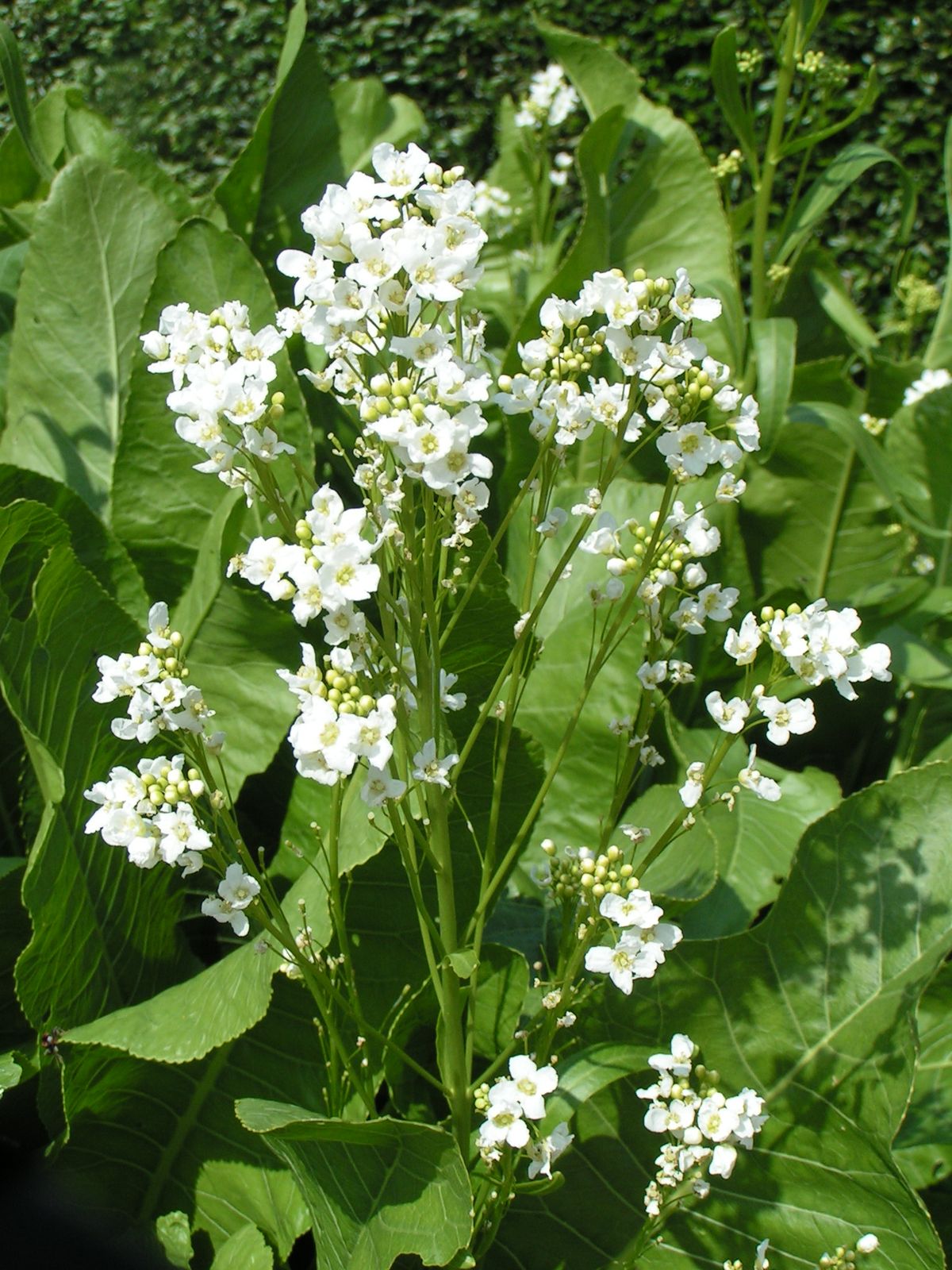
Horseradish plant: Brassicaceae crop profile photo

Horseradish

Brassicaceae

Zone 3a+
Sun
Full sun to part shade
Spacing
12-18 in
Maturity
140-180 days (perennial)
Companions
Potato, Cabbage

When to plant (from your frost dates)

  • Transplant out~2026-03-28

Tip · Plant root cuttings in a bottomless bucket sunk in the ground or it will colonize the whole bed within two years.

Pests: Flea beetle, rarely serious on established plants.

Avoid near: Nothing serious, but confine it: it spreads aggressively

Fertilizer plan

Ratio · High N (10-5-5): heavy feeders

Organic options · Aged manure or compost worked in deep · Blood meal or feather meal side-dress at 3 wks · Fish emulsion every 2 wks

When · Feed heavily every 2-3 weeks. Brassicas want steady nitrogen for tight heads.

Watch for · Pale/yellow leaves = needs N. Loose heads = feed harder next round.

N = nitrogen (leaves), P = phosphorus (roots & flowers), K = potassium (fruit & disease resistance).
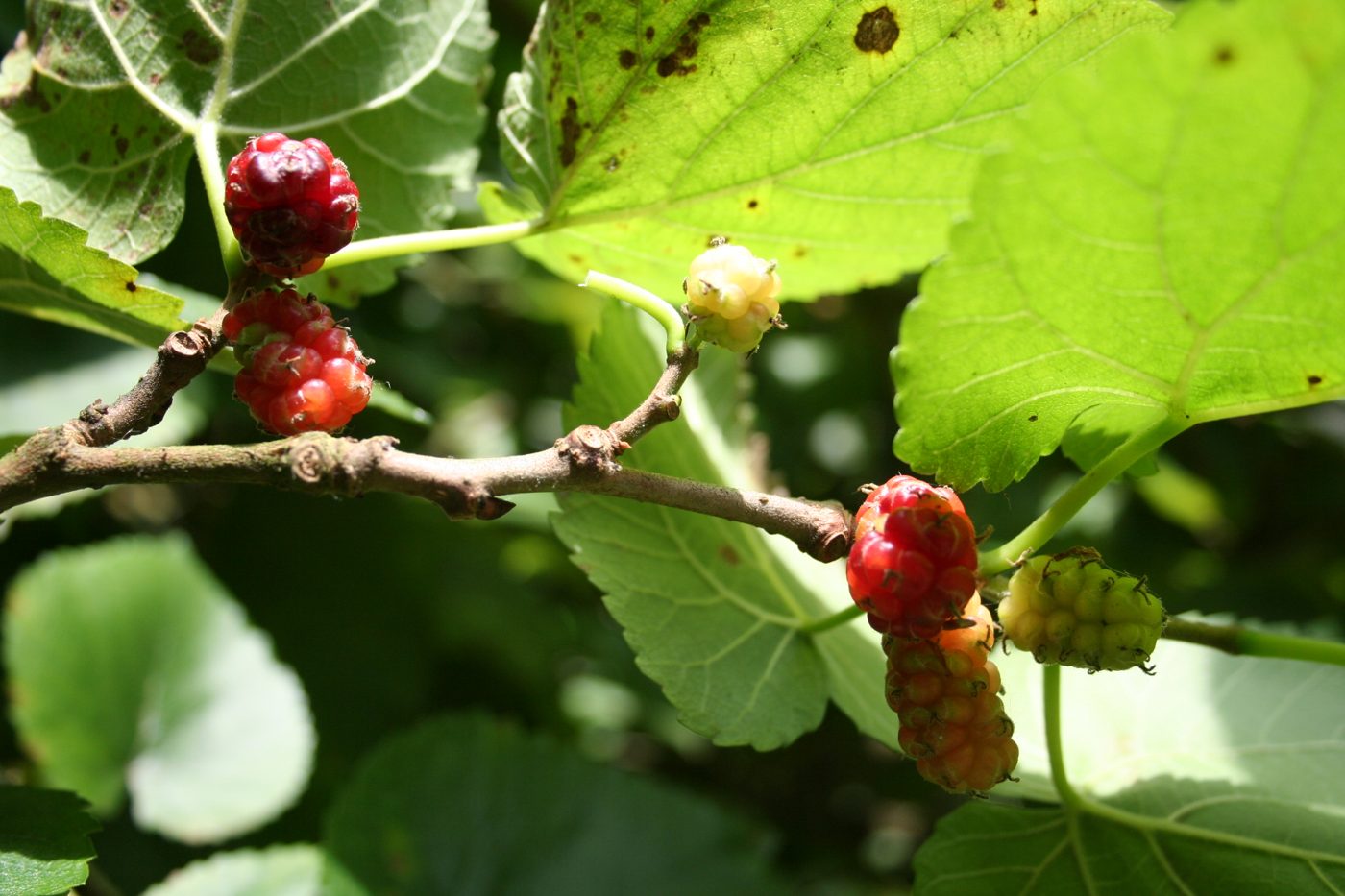
Hubbard Squash

Cucurbitaceae

Zone 4a+
Sun
Full sun
Spacing
48-60 in
Maturity
100-120 days
Companions
Corn, Bean

When to plant (from your frost dates)

  • Start seeds indoors~2026-04-04 (3 wks before last frost)
  • Transplant out~2026-05-09
  • Direct sow~2026-05-09

Tip · Needs the most space of any winter squash; give it a full corner of the garden or let it run into the lawn edge.

Pests: Squash vine borer, squash bug; its tough rind resists most rot in storage.

Avoid near: Potato

Fertilizer plan

Ratio · Balanced 5-5-5, ease off N at flowering

Organic options · Compost + aged manure in the hill · Fish emulsion until first blossom · Kelp meal + wood ash at flowering

When · Big feed at transplant, side-dress once vines run, potassium boost at flowering.

Watch for · Female flowers dropping = pollination issue, not fertilizer.

N = nitrogen (leaves), P = phosphorus (roots & flowers), K = potassium (fruit & disease resistance).
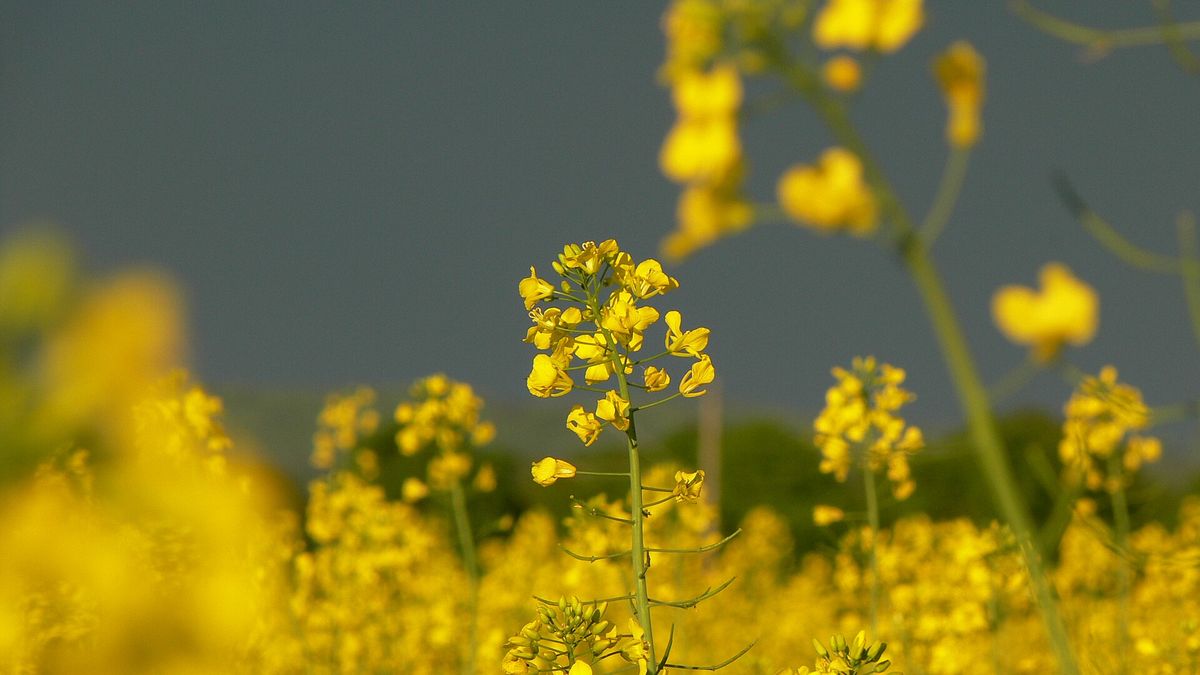
Zone 4a+
Sun
Full sun
Spacing
18 in
Maturity
70-80 days
Companions
Basil, Onion, Carrot

When to plant (from your frost dates)

  • Start seeds indoors~2026-02-28 (8 wks before last frost)
  • Transplant out~2026-05-09

Tip · Corking (light brown cracks near the stem) means the pepper is fully ripe and at peak heat, not damaged.

Pests: Aphids, flea beetles.

Avoid near: Beans, Fennel

Fertilizer plan

Ratio · Low N (5-10-10) once fruiting starts

Organic options · Compost 2-3 in. at planting · Fish emulsion every 2 wks while young · Bone meal + kelp at flowering for calcium/potassium

When · Compost at planting → light nitrogen through vegetative → switch to P/K when flowers appear.

Watch for · All leaves, no fruit = too much N. Blossom-end rot = calcium deficit + uneven watering.

N = nitrogen (leaves), P = phosphorus (roots & flowers), K = potassium (fruit & disease resistance).
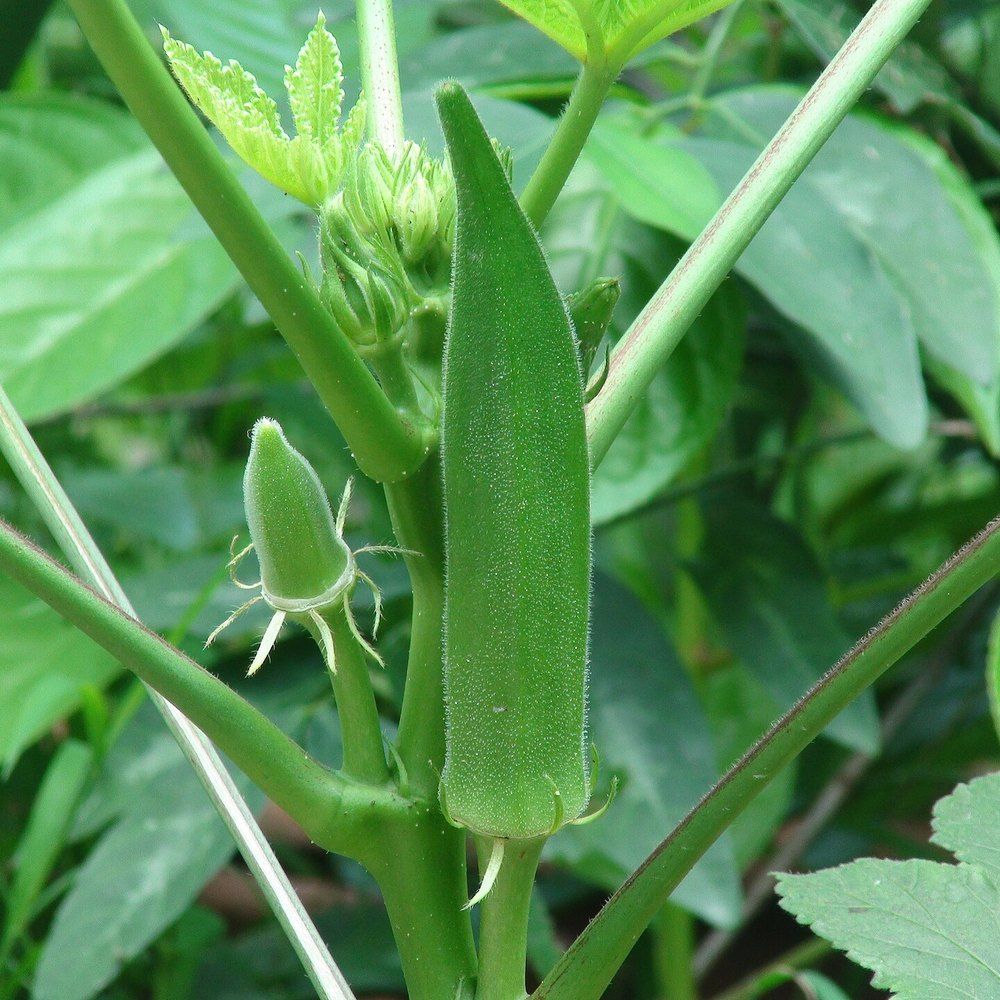
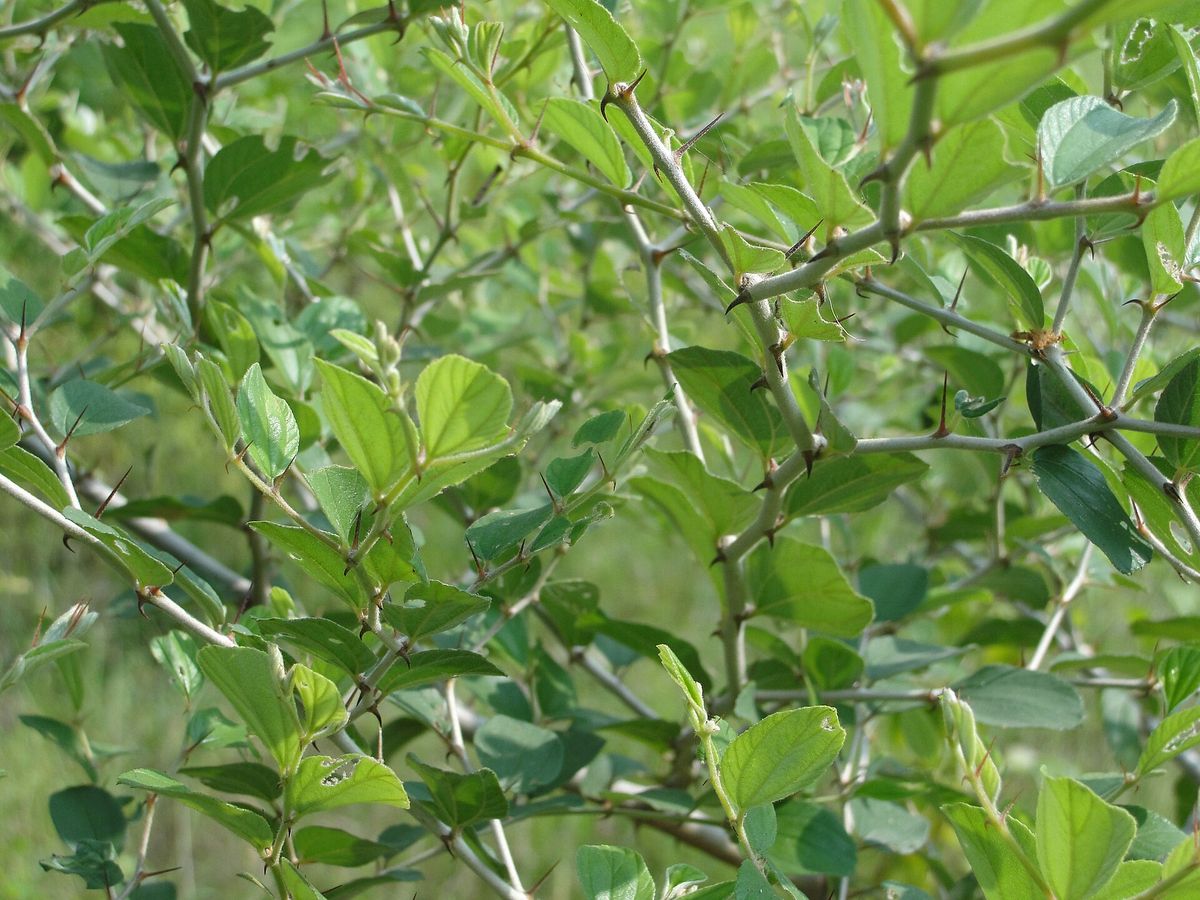
Jujube (Chinese Date) plant: Rhamnaceae crop profile photo
Zone 6a+
Sun
Full sun
Spacing
15-20 ft
Maturity
2-3 years to bearing (perennial tree)
Companions

When to plant (from your frost dates)

  • Transplant out~2026-05-09

Tip · Fruit can be eaten crisp and green-ripe like an apple, or left to wrinkle and turn mahogany-brown for a chewy, date-like texture.

Pests: Rarely bothered; one of the most pest-free fruit trees available.

Kabocha Squash

Cucurbitaceae

Zone 5a+
Sun
Full sun
Spacing
36-48 in
Maturity
85-100 days
Companions
Corn, Bean, Radish

When to plant (from your frost dates)

  • Start seeds indoors~2026-04-04 (3 wks before last frost)
  • Transplant out~2026-05-09
  • Direct sow~2026-05-09

Tip · Cure 1-2 weeks after harvest; the starchy flesh actually sweetens in storage over the following month.

Pests: Squash vine borer, squash bug, powdery mildew.

Avoid near: Potato

Fertilizer plan

Ratio · Balanced 5-5-5, ease off N at flowering

Organic options · Compost + aged manure in the hill · Fish emulsion until first blossom · Kelp meal + wood ash at flowering

When · Big feed at transplant, side-dress once vines run, potassium boost at flowering.

Watch for · Female flowers dropping = pollination issue, not fertilizer.

N = nitrogen (leaves), P = phosphorus (roots & flowers), K = potassium (fruit & disease resistance).
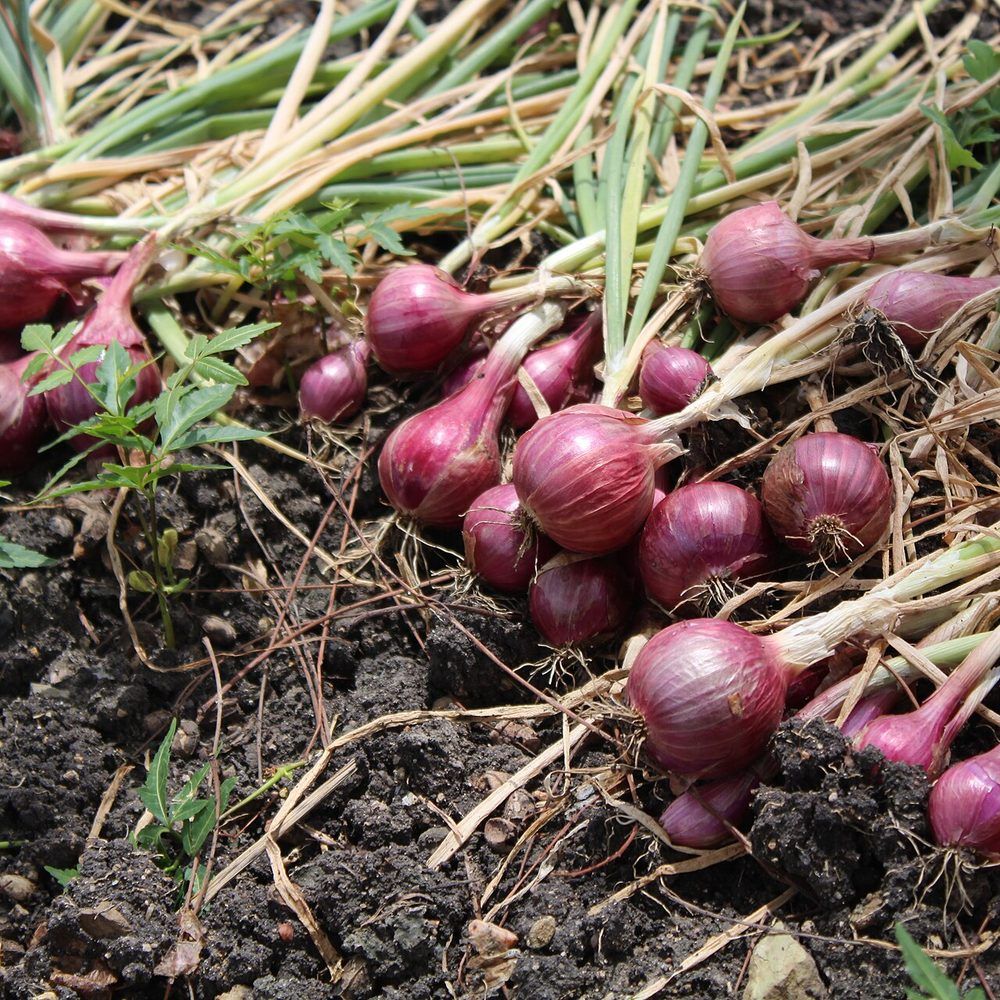
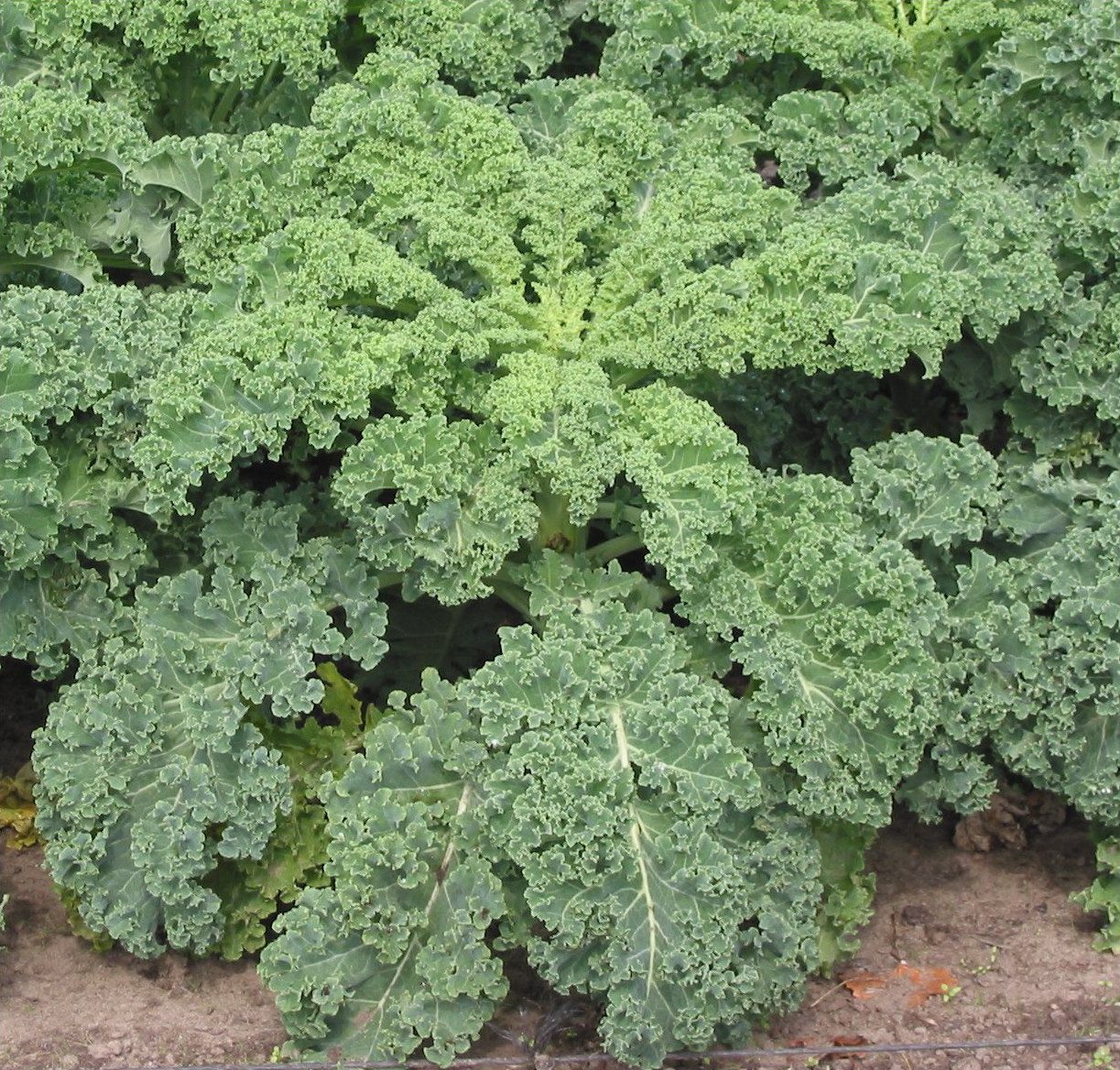
Kale plant: Brassicaceae crop profile photo

Kale

Brassicaceae

Zone 3a+
Sun
Full sun to part shade
Spacing
18 in
Maturity
50-65 days
Companions
Onion, Beet, Herbs

When to plant (from your frost dates)

  • Start seeds indoors~2026-03-14 (6 wks before last frost)
  • Transplant out~2026-04-04
  • Direct sow~2026-04-04

Tip · Fall crop sweetens after first frost. Plan a July sowing for the best flavor.

Pests: Cabbage worm. Row cover or Bt spray.

Avoid near: Tomato, Strawberry

Fertilizer plan

Ratio · High N (10-5-5): heavy feeders

Organic options · Aged manure or compost worked in deep · Blood meal or feather meal side-dress at 3 wks · Fish emulsion every 2 wks

When · Feed heavily every 2-3 weeks. Brassicas want steady nitrogen for tight heads.

Watch for · Pale/yellow leaves = needs N. Loose heads = feed harder next round.

N = nitrogen (leaves), P = phosphorus (roots & flowers), K = potassium (fruit & disease resistance).
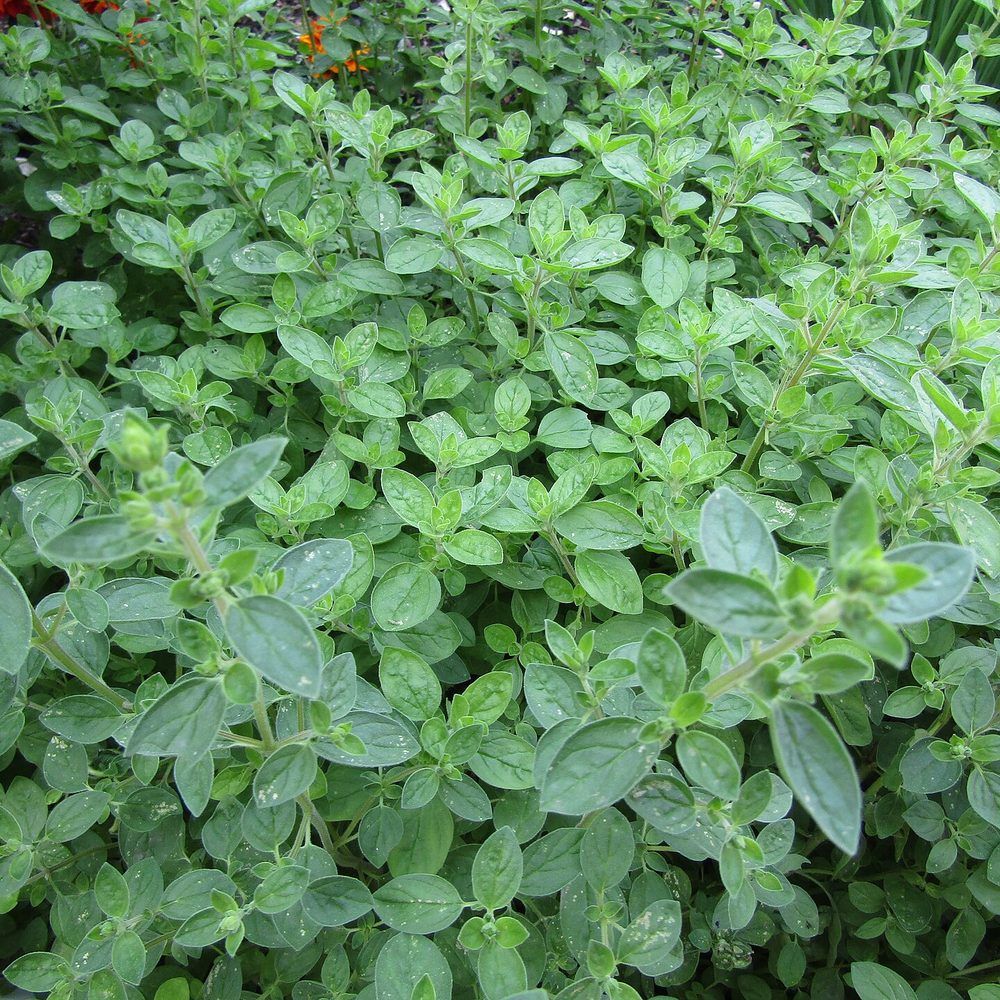
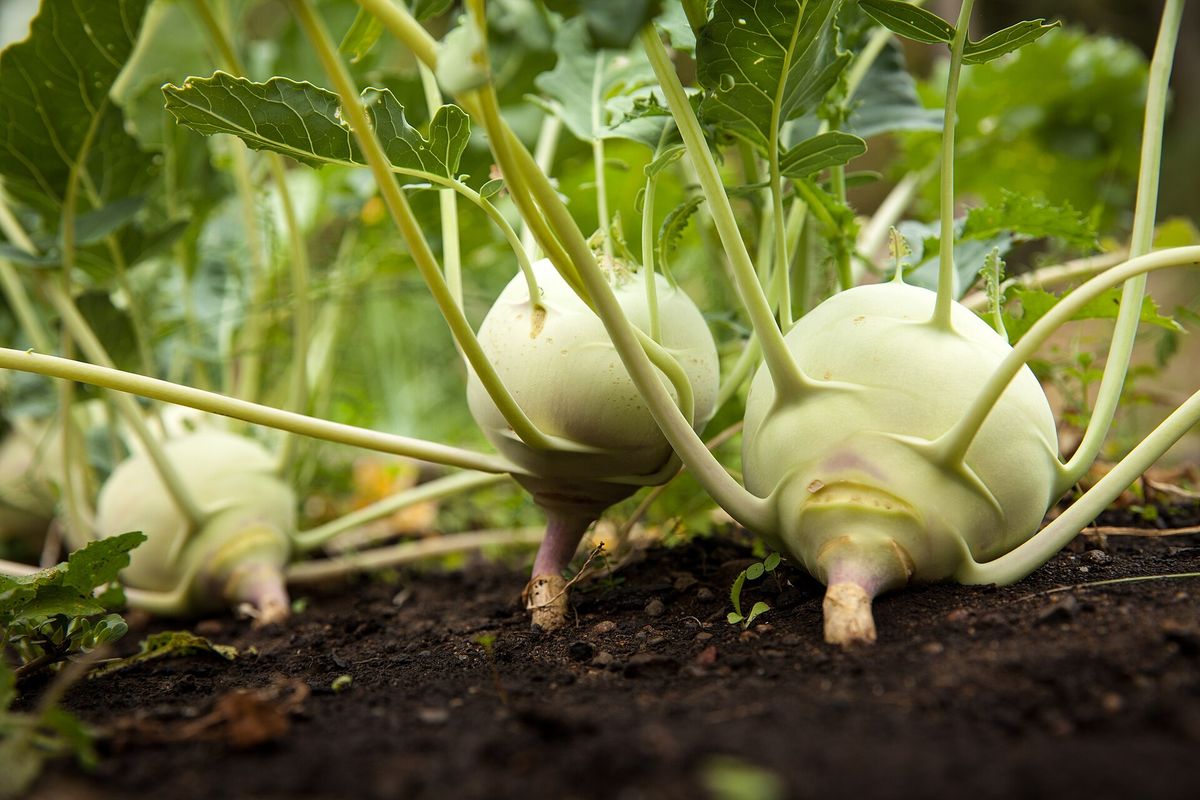
Kohlrabi plant: Brassicaceae crop profile photo

Kohlrabi

Brassicaceae

Zone 3a+
Sun
Full sun to part shade
Spacing
6-8 in
Maturity
45-60 days
Companions
Onion, Beet, Cucumber, Dill

When to plant (from your frost dates)

  • Start seeds indoors~2026-03-14 (6 wks before last frost)
  • Transplant out~2026-04-04
  • Direct sow~2026-04-04

Tip · Harvest the swollen stem at tennis-ball size, no bigger: past that it turns woody and fibrous fast.

Pests: Cabbage worm, flea beetle, aphid.

Avoid near: Tomato, Pole bean

Fertilizer plan

Ratio · High N (10-5-5): heavy feeders

Organic options · Aged manure or compost worked in deep · Blood meal or feather meal side-dress at 3 wks · Fish emulsion every 2 wks

When · Feed heavily every 2-3 weeks. Brassicas want steady nitrogen for tight heads.

Watch for · Pale/yellow leaves = needs N. Loose heads = feed harder next round.

N = nitrogen (leaves), P = phosphorus (roots & flowers), K = potassium (fruit & disease resistance).
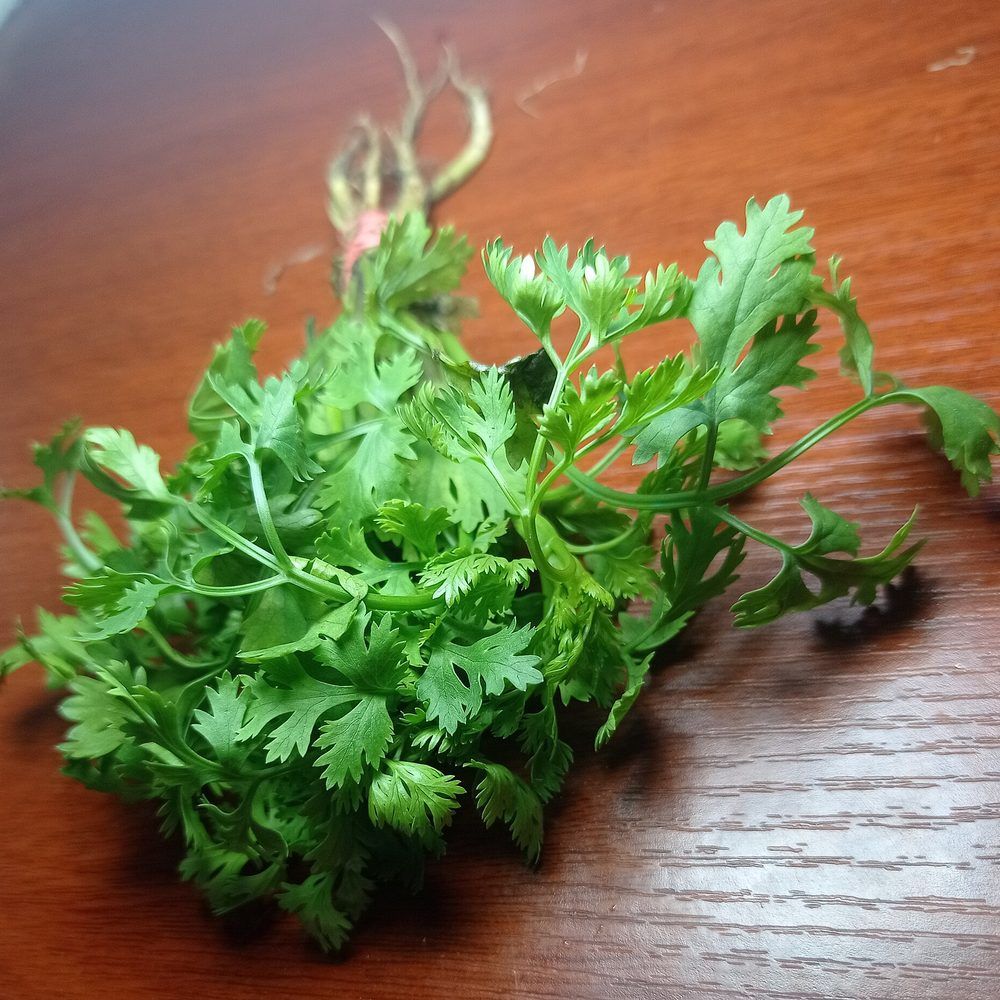
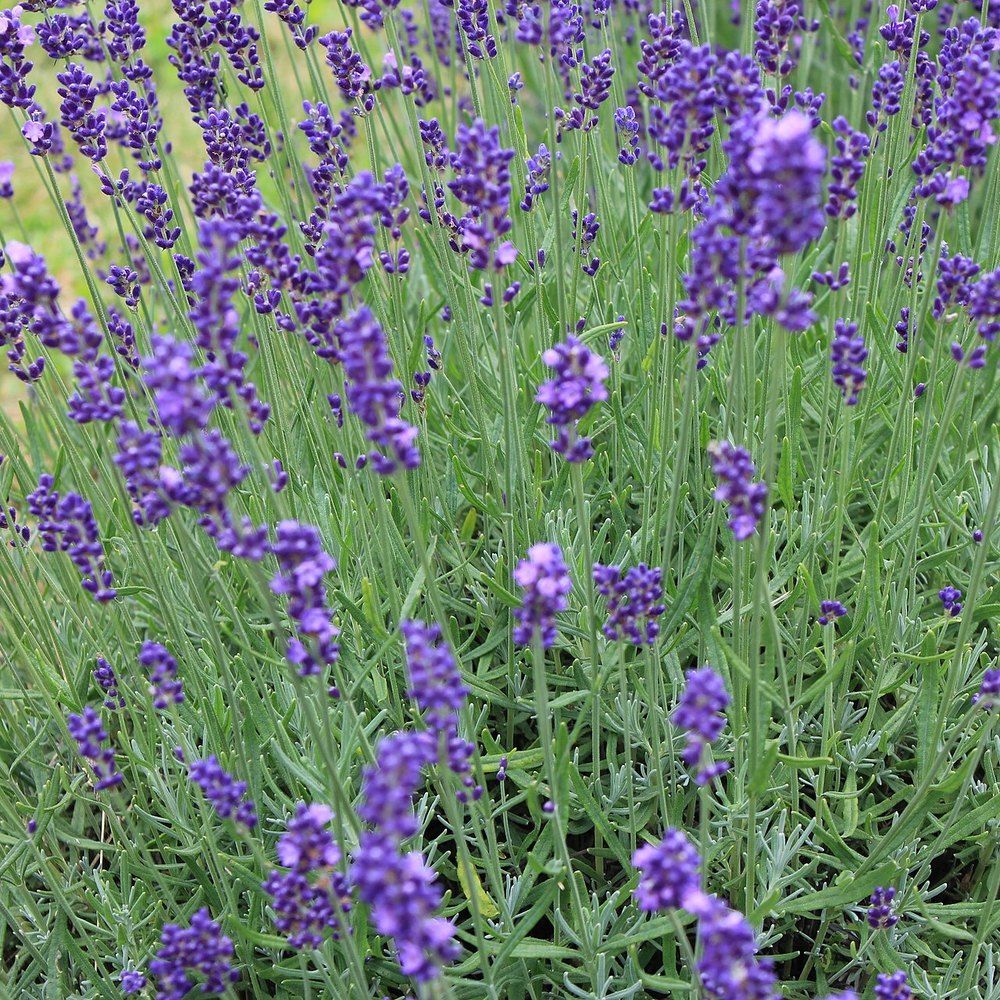
Lavender plant: Lamiaceae crop profile photo

Lavender

Lamiaceae

Zone 5a+
Sun
Full sun, 8+ hrs
Spacing
18-24 in
Maturity
Yr 2 full bloom (perennial)
Companions
Rosemary, Thyme, Sage, Roses

When to plant (from your frost dates)

  • Start seeds indoors~2026-02-14 (10 wks before last frost)
  • Transplant out~2026-05-09

Tip · Lean, gritty, well-drained soil and no coddling. Plant on a slight mound, skip the fertilizer, and prune a third of the plant after bloom to stop it going woody.

Pests: Almost none. Root rot from wet feet is the real killer.

Avoid near: Mint, Water-hungry vegetables

Fertilizer plan

Ratio · Low fertilizer: herbs go bland when overfed

Organic options · Compost once at planting · Weak fish emulsion once mid-season if pale · Nothing after that

When · Feed lightly if at all. Mediterranean herbs (rosemary, thyme, oregano) thrive in lean soil.

Watch for · Fast, floppy, weak-flavored growth = too rich.

N = nitrogen (leaves), P = phosphorus (roots & flowers), K = potassium (fruit & disease resistance).
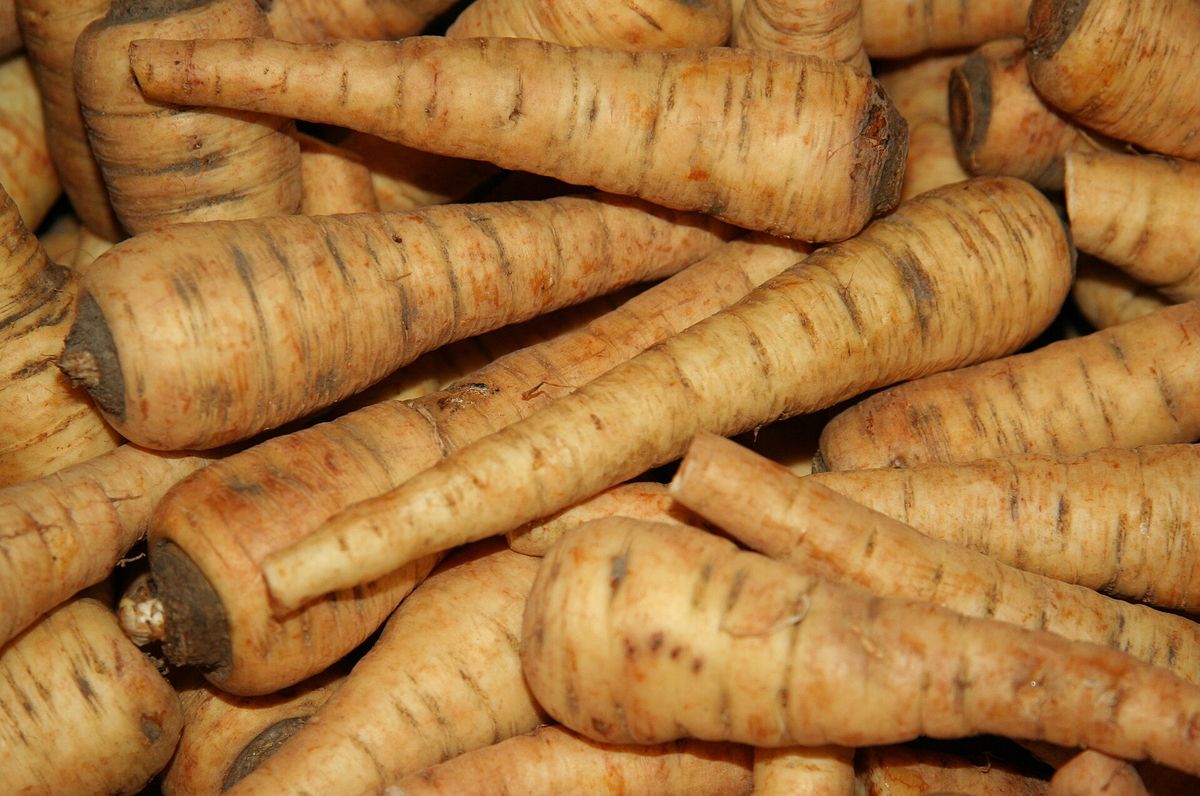
Leek plant: Alliaceae crop profile photo

Leek

Alliaceae

Zone 3a+
Sun
Full sun
Spacing
6 in, rows 12 in
Maturity
100-120 days
Companions
Carrot, Beet, Celery, Cabbage

When to plant (from your frost dates)

  • Start seeds indoors~2026-02-14 (10 wks before last frost)
  • Transplant out~2026-04-11

Tip · Plant seedlings deep in a 6 in trench and hill soil up the stem twice during the season. That buried length is the tender white shaft you're growing for.

Pests: Leek moth, onion thrips, allium leaf miner.

Avoid near: Bean, Pea

Fertilizer plan

Ratio · Moderate N + high P (5-10-10)

Organic options · Compost + bone meal at planting · Fish emulsion monthly through spring · Stop feeding once bulbs start swelling

When · Feed spring, stop feeding when tops start to fall over: feeding late = rot in storage.

Watch for · Thick necks = too much N; onions won't cure properly.

N = nitrogen (leaves), P = phosphorus (roots & flowers), K = potassium (fruit & disease resistance).
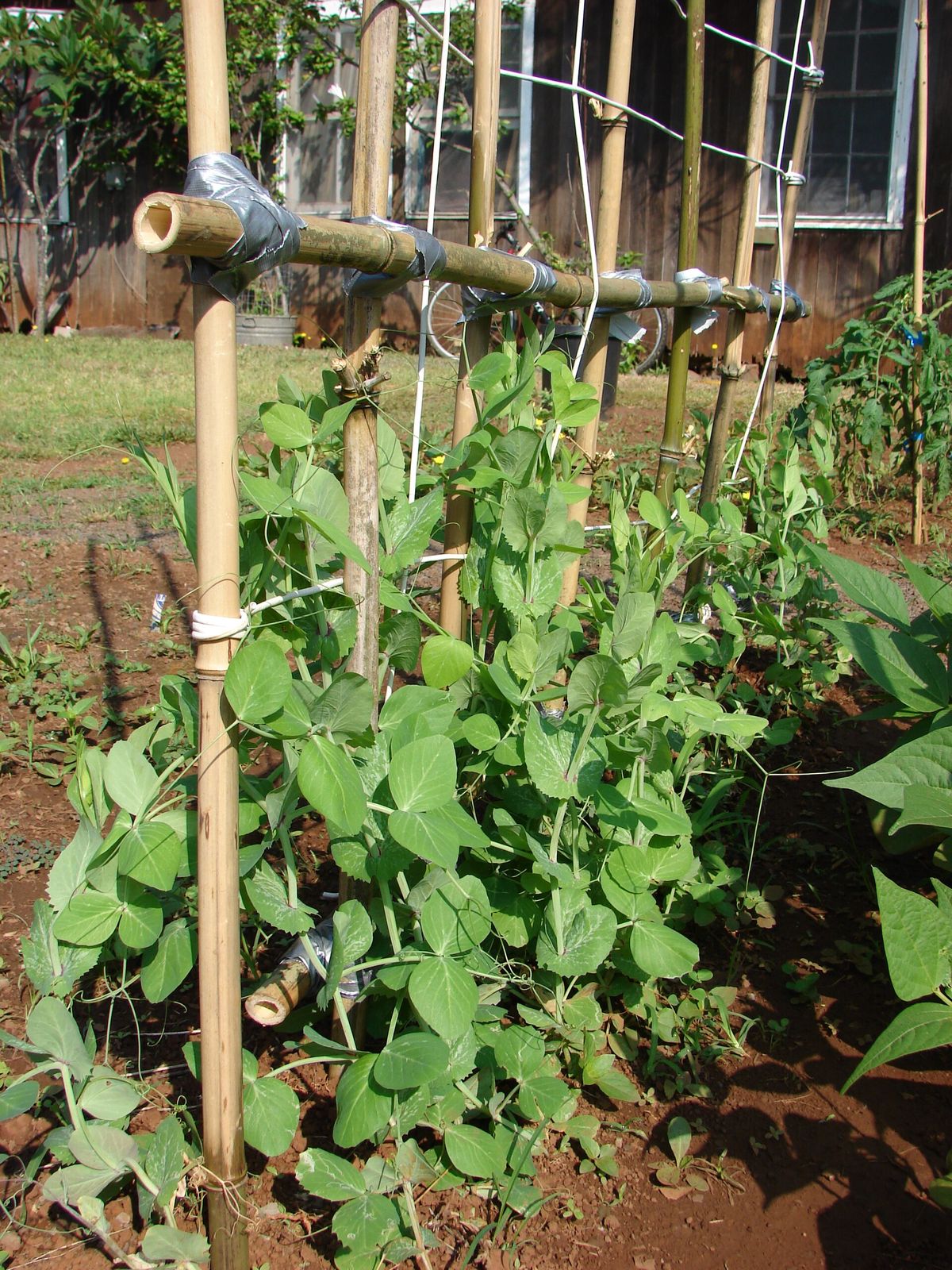
Lemon Balm plant: Lamiaceae crop profile photo

Lemon Balm

Lamiaceae

Zone 4a+
Sun
Full sun to part shade
Spacing
18-24 in
Maturity
70-75 days (perennial)
Companions
Tomato, Squash

When to plant (from your frost dates)

  • Start seeds indoors~2026-02-28 (8 wks before last frost)
  • Transplant out~2026-05-09

Tip · Cut back hard before it flowers and sets seed, or it self-sows into every corner of the garden.

Pests: Rarely bothered; the citronella-like scent deters mosquitoes and some aphids nearby.

Avoid near: Anything it can crowd out: it self-sows aggressively

Fertilizer plan

Ratio · Low fertilizer: herbs go bland when overfed

Organic options · Compost once at planting · Weak fish emulsion once mid-season if pale · Nothing after that

When · Feed lightly if at all. Mediterranean herbs (rosemary, thyme, oregano) thrive in lean soil.

Watch for · Fast, floppy, weak-flavored growth = too rich.

N = nitrogen (leaves), P = phosphorus (roots & flowers), K = potassium (fruit & disease resistance).
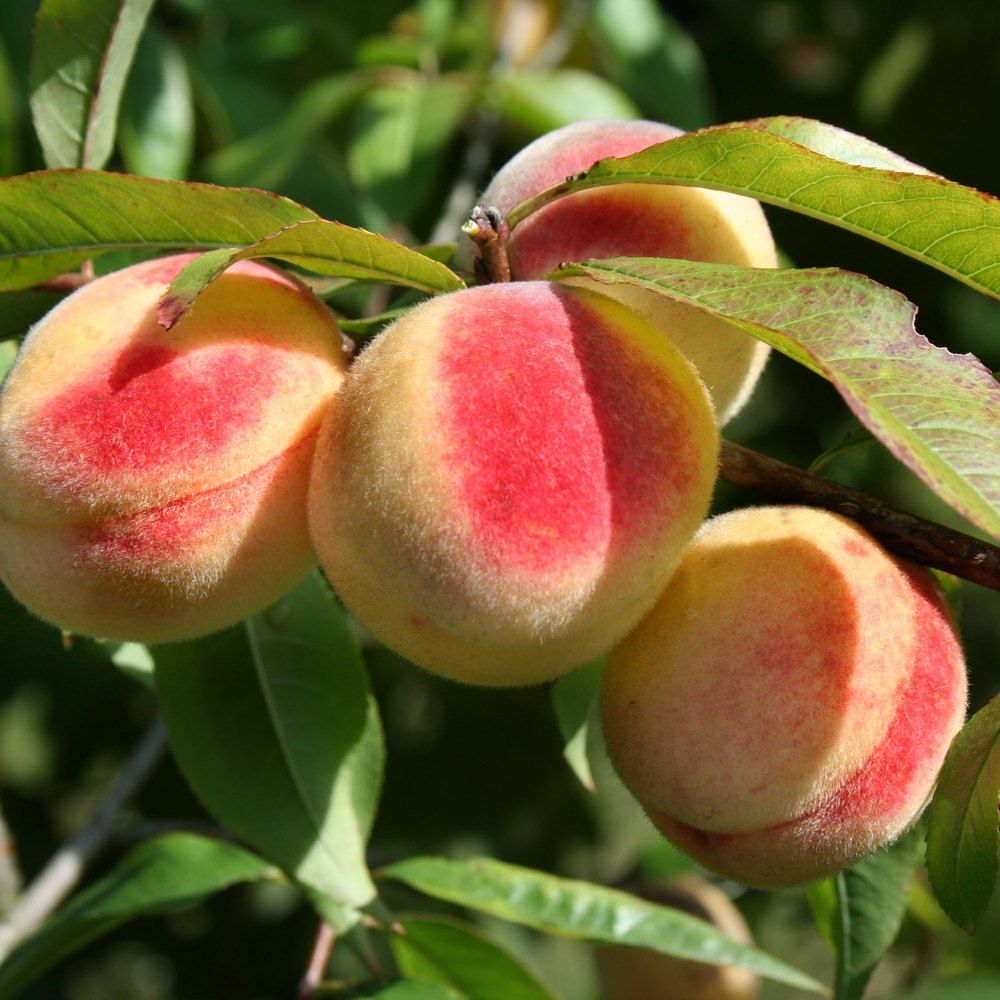
Lentil plant: Fabaceae crop profile photo

Lentil

Fabaceae

Zone 4a+
Sun
Full sun
Spacing
2-3 in
Maturity
80-110 days
Companions
Carrot, Cucumber

When to plant (from your frost dates)

  • Direct sow~2026-04-04

Tip · Let pods dry brown on the plant before threshing; a light frost doesn't hurt maturing lentils.

Pests: Aphid, rarely serious.

Avoid near: Onion, Garlic

Fertilizer plan

Ratio · LOW N: beans fix their own nitrogen

Organic options · Compost at planting is enough · Rock phosphate for pods · Wood ash for potassium if soil is deficient

When · Do not add nitrogen fertilizer. You'll get leaves, no pods. One compost dose at planting.

Watch for · Inoculate seeds with rhizobia the first time you grow legumes in a bed.

N = nitrogen (leaves), P = phosphorus (roots & flowers), K = potassium (fruit & disease resistance).
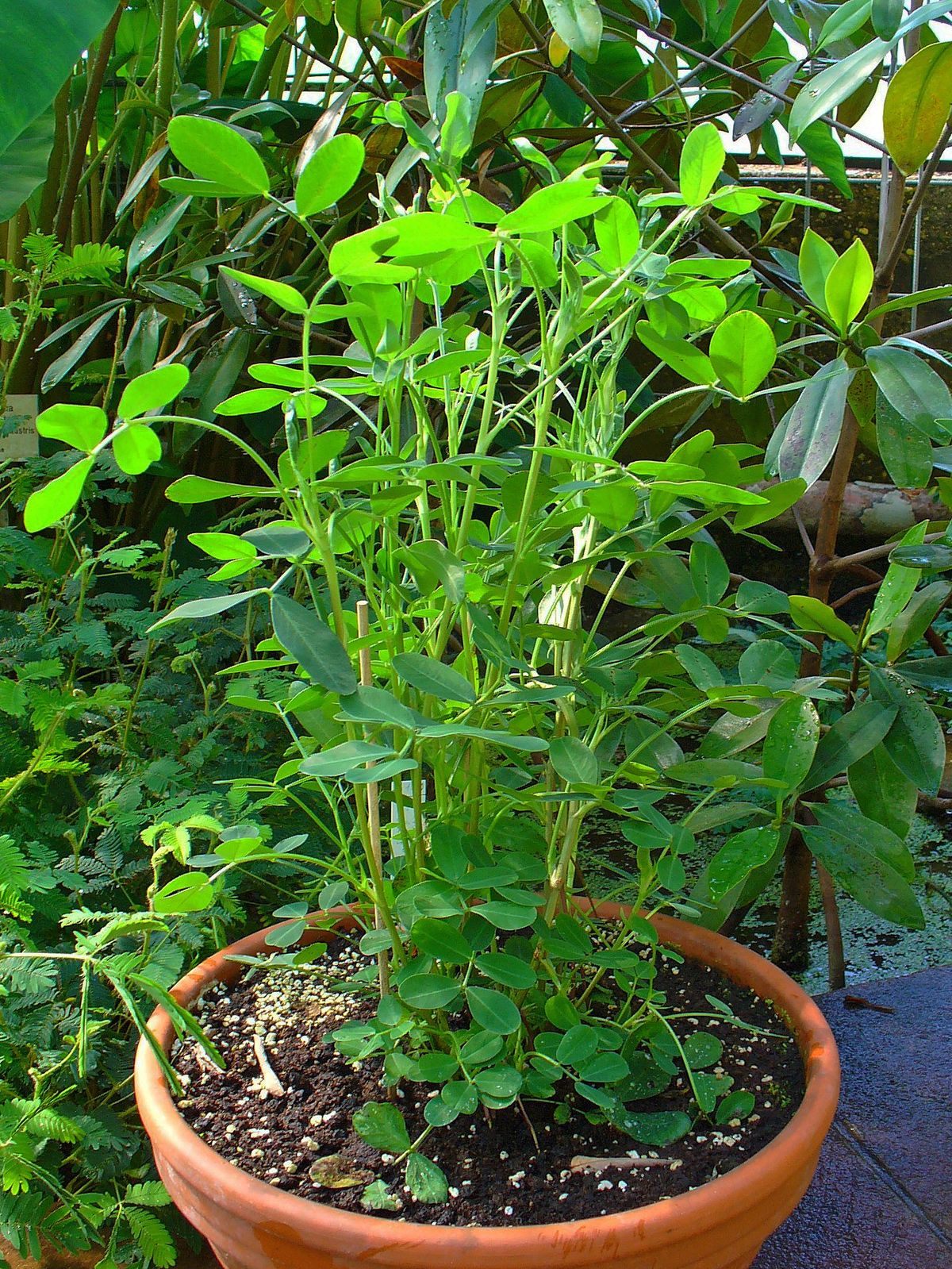
Lettuce plant: Asteraceae crop profile photo

Lettuce

Asteraceae

Zone 3a+
Sun
Full sun to part shade
Spacing
8-12 in
Maturity
30-60 days
Companions
Radish, Carrot, Onion, Strawberry

When to plant (from your frost dates)

  • Start seeds indoors~2026-03-28 (4 wks before last frost)
  • Transplant out~2026-04-11
  • Direct sow~2026-03-28

Tip · Succession sow every 2 weeks. Harvest outer leaves for a cut-and-come-again supply.

Pests: Slugs, aphids. Water in the morning.

Avoid near: Broccoli (competes for water)

Fertilizer plan

Ratio · Balanced 5-5-5 with steady N

Organic options · Compost tea every 2 wks · Fish emulsion between cuttings · Aged manure in bed prep

When · Light and steady. Lettuce wants constant slow N to stay tender and mild.

Watch for · Bitter greens = heat or under-water, not fertilizer.

N = nitrogen (leaves), P = phosphorus (roots & flowers), K = potassium (fruit & disease resistance).
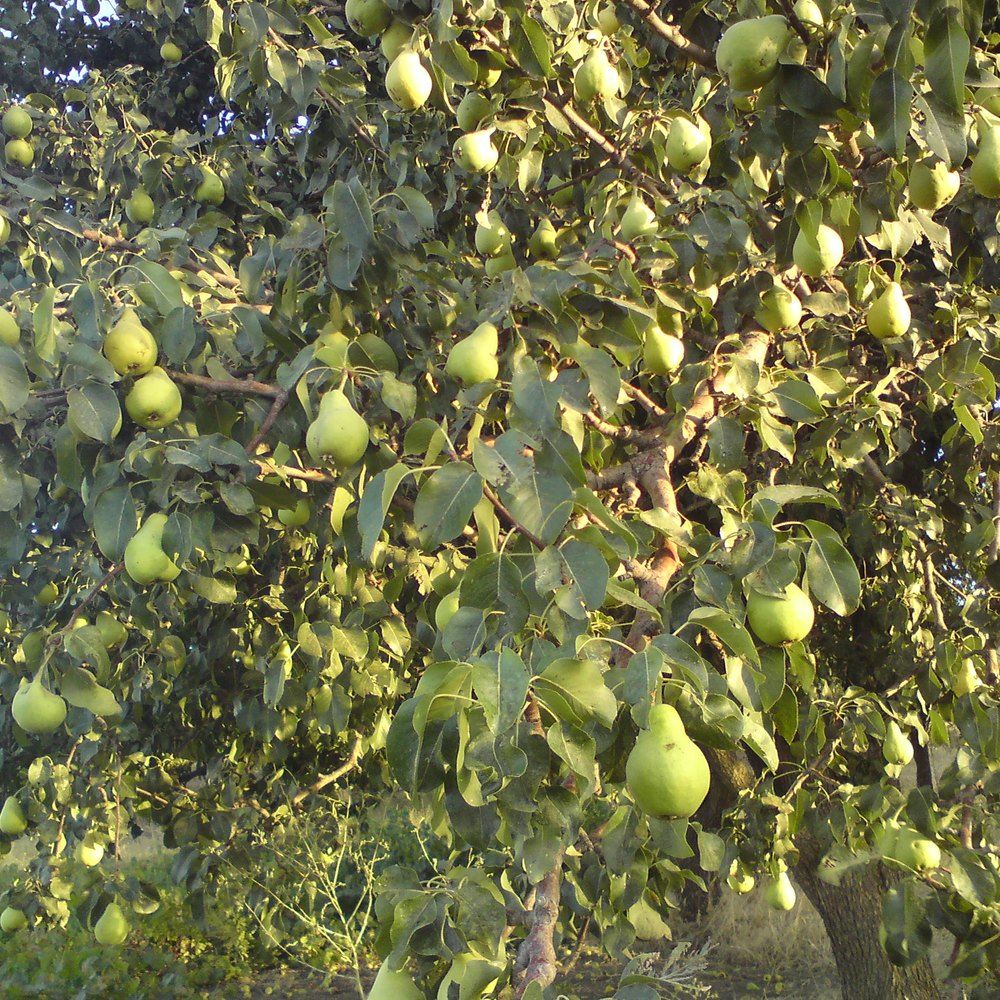
Lima Bean

Fabaceae

Zone 5a+
Sun
Full sun
Spacing
4-6 in bush, 6-8 in pole
Maturity
65-90 days
Companions
Corn, Squash, Carrot

When to plant (from your frost dates)

  • Direct sow~2026-05-09

Tip · Needs warm soil, 65F+, to germinate; started too early the seed just rots.

Pests: Mexican bean beetle, spider mite in dry heat.

Avoid near: Onion, Garlic

Fertilizer plan

Ratio · LOW N: beans fix their own nitrogen

Organic options · Compost at planting is enough · Rock phosphate for pods · Wood ash for potassium if soil is deficient

When · Do not add nitrogen fertilizer. You'll get leaves, no pods. One compost dose at planting.

Watch for · Inoculate seeds with rhizobia the first time you grow legumes in a bed.

N = nitrogen (leaves), P = phosphorus (roots & flowers), K = potassium (fruit & disease resistance).
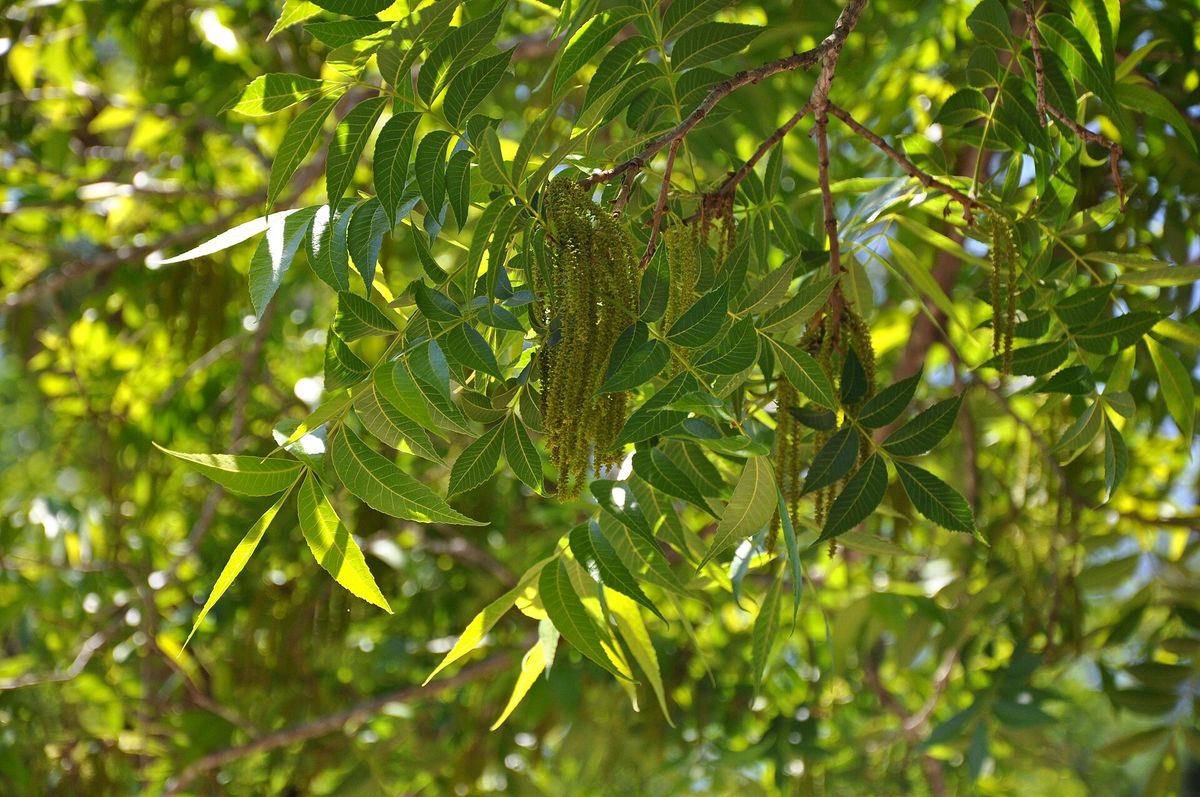
Lingonberry plant: Ericaceae crop profile photo

Lingonberry

Ericaceae

Zone 3a+
Sun
Part shade to full sun
Spacing
12-18 in
Maturity
2-3 years to bearing (perennial groundcover)
Companions
Blueberry, Cranberry

When to plant (from your frost dates)

  • Transplant out~2026-05-09

Tip · Mulch with pine needles or peat to hold the acidic soil pH it needs; it can produce two crops a year in longer seasons.

Pests: Rarely bothered.

Fertilizer plan

Ratio · Acid-loving: 4-3-4 for blueberries, pH 4.5-5.5

Organic options · Pine bark or peat worked into the planting hole · Cottonseed meal or soy meal in spring · Elemental sulfur to hold pH down

When · Feed twice: bud break and again 6 weeks later. Never after midsummer.

Watch for · Yellow leaves with green veins = pH is too high, not a nitrogen shortage.

N = nitrogen (leaves), P = phosphorus (roots & flowers), K = potassium (fruit & disease resistance).
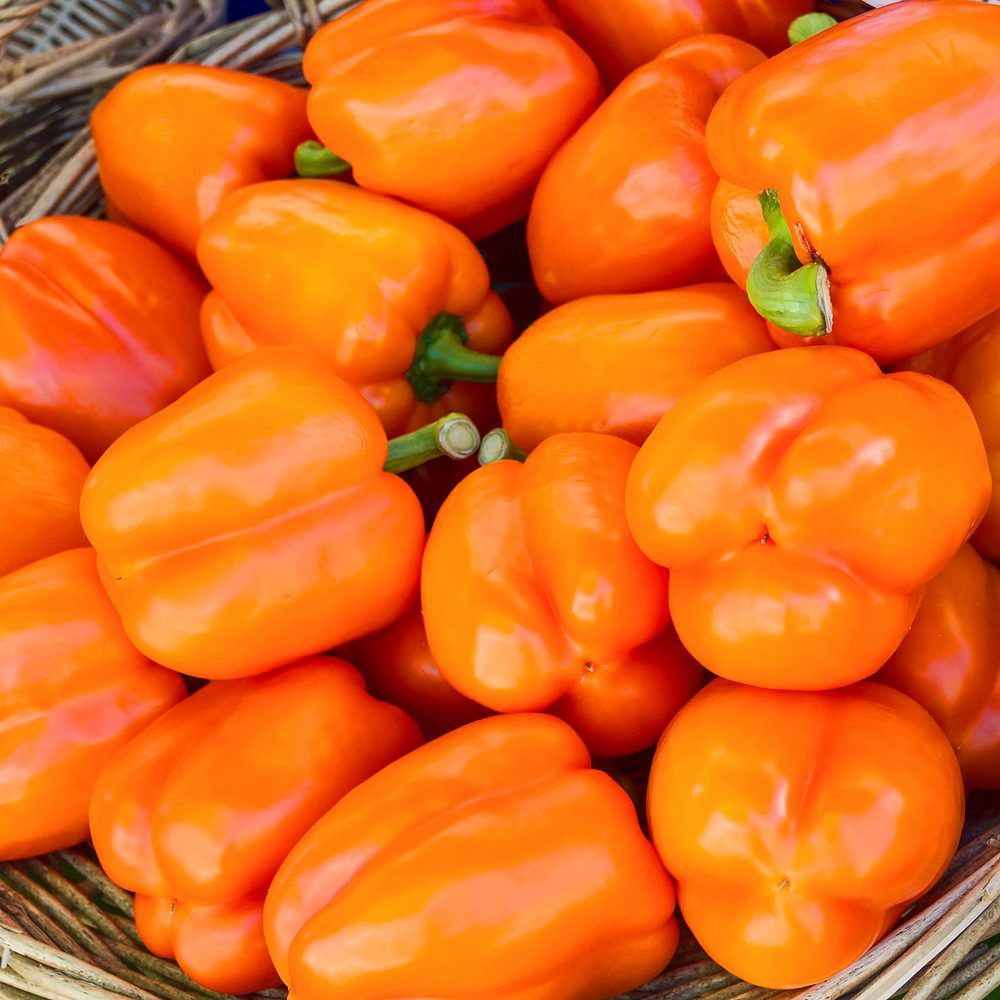
Lovage plant: Apiaceae crop profile photo

Lovage

Apiaceae

Zone 3a+
Sun
Full sun to part shade
Spacing
24-36 in
Maturity
75-85 days (perennial)
Companions
Bean, Potato

When to plant (from your frost dates)

  • Start seeds indoors~2026-02-28 (8 wks before last frost)
  • Transplant out~2026-05-09

Tip · Grows 4-6 ft tall once established; give it the back of the bed and divide the crown every few years to keep it productive.

Pests: Leaf miner, aphid; rarely serious.

Fertilizer plan

Ratio · Low N, higher P (3-6-6)

Organic options · Compost only in bed prep · Bone meal at sowing · Skip nitrogen top-dress

When · Feed the bed, not the plant. Carrots/parsnips fork or hair-root with fresh manure.

Watch for · Forked roots = too much N or fresh manure; use only well-aged compost.

N = nitrogen (leaves), P = phosphorus (roots & flowers), K = potassium (fruit & disease resistance).
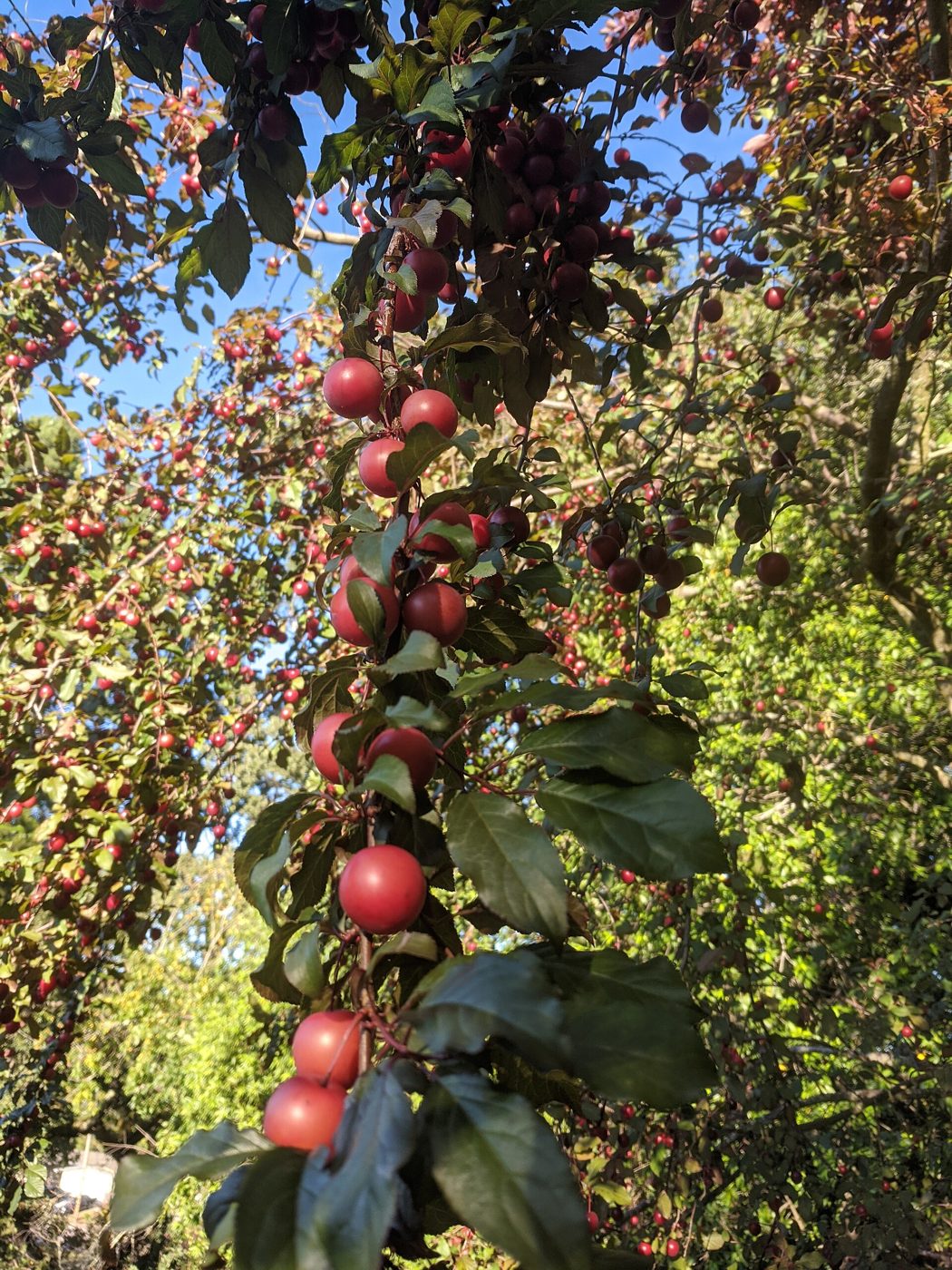
Zone 6a+
Sun
Full sun, 8+ hrs
Spacing
24-36 in on a sturdy trellis
Maturity
90-150 days
Companions
Corn, Bean

When to plant (from your frost dates)

  • Start seeds indoors~2026-03-28 (4 wks before last frost)
  • Transplant out~2026-05-09
  • Direct sow~2026-05-09

Tip · Pick young for eating like a squash, or leave on the vine until the skin browns and dries for a bath sponge.

Pests: Cucumber beetle, squash bug, powdery mildew.

Avoid near: Potato

Fertilizer plan

Ratio · Balanced 5-5-5, ease off N at flowering

Organic options · Compost + aged manure in the hill · Fish emulsion until first blossom · Kelp meal + wood ash at flowering

When · Big feed at transplant, side-dress once vines run, potassium boost at flowering.

Watch for · Female flowers dropping = pollination issue, not fertilizer.

N = nitrogen (leaves), P = phosphorus (roots & flowers), K = potassium (fruit & disease resistance).
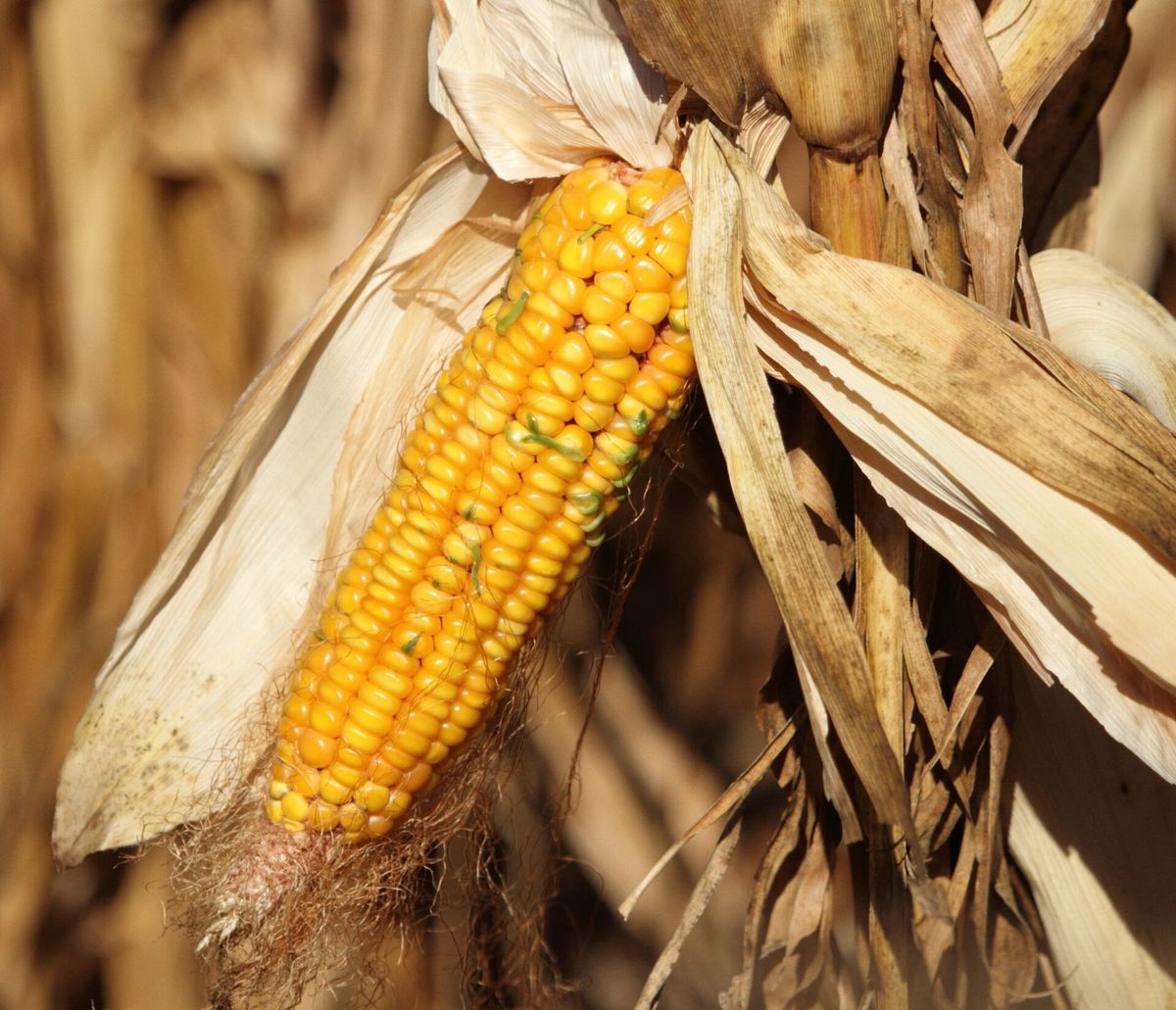
Mâche (Corn Salad) plant: Valerianaceae crop profile photo

Mâche (Corn Salad)

Valerianaceae

Zone 3a+
Sun
Full sun to part shade
Spacing
4-6 in
Maturity
45-60 days
Companions
Lettuce, Spinach

When to plant (from your frost dates)

  • Direct sow~2026-03-14

Tip · Cold-hardy to near 0F under mulch or a cold frame: sow in fall for a harvest that lasts through winter.

Pests: Rarely bothered; one of the hardiest salad greens.

Malabar Spinach plant: Basellaceae crop profile photo

Malabar Spinach

Basellaceae

Zone 6a+
Sun
Full sun
Spacing
12 in on a trellis
Maturity
55-70 days
Companions
Bean, Corn

When to plant (from your frost dates)

  • Start seeds indoors~2026-03-14 (6 wks before last frost)
  • Transplant out~2026-05-16

Tip · Not a true spinach; it's a vigorous heat-loving vine that replaces greens through the hottest weeks other greens can't survive.

Pests: Rarely bothered.

Medlar

Rosaceae

Zone 5a+
Sun
Full sun
Spacing
12-15 ft
Maturity
3-5 years to bearing (perennial tree)
Companions
Comfrey, Chives

When to plant (from your frost dates)

  • Transplant out~2026-05-09

Tip · Fruit is inedible until it bletts. Pick after a hard frost and hold it in a cool place for two to three weeks until the flesh turns soft and brown.

Pests: Very few; occasional fire blight.

Fertilizer plan

Ratio · Balanced 5-5-5, avoid fresh manure

Organic options · Compost mulch every spring · Blood meal + bone meal before flowering · Kelp meal after harvest

When · Once in spring, once after fruiting. Renovate strawberry beds every 3 yrs.

Watch for · Runner overload but few berries = too much N.

N = nitrogen (leaves), P = phosphorus (roots & flowers), K = potassium (fruit & disease resistance).
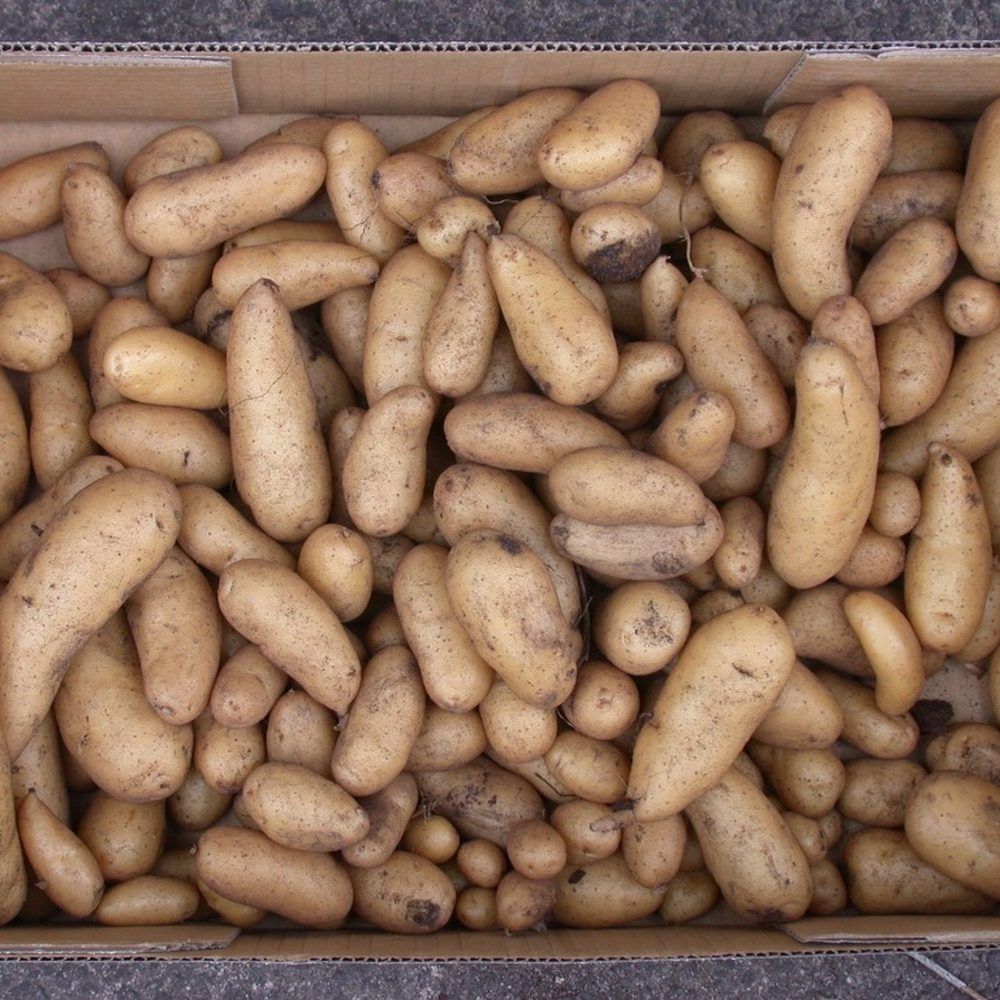
Mint plant: Lamiaceae crop profile photo

Mint

Lamiaceae

Zone 3a+
Sun
Part shade to full sun
Spacing
18-24 in (contain!)
Maturity
60-90 days (perennial)
Companions
Cabbage, Tomato

When to plant (from your frost dates)

  • Transplant out~2026-04-11

Tip · Grow only in a pot or sunk container. In-ground mint will swallow a bed in one season.

Pests: None serious; deters cabbage moths and ants.

Avoid near: Everything perennial nearby: it takes over

Fertilizer plan

Ratio · Low fertilizer: herbs go bland when overfed

Organic options · Compost once at planting · Weak fish emulsion once mid-season if pale · Nothing after that

When · Feed lightly if at all. Mediterranean herbs (rosemary, thyme, oregano) thrive in lean soil.

Watch for · Fast, floppy, weak-flavored growth = too rich.

N = nitrogen (leaves), P = phosphorus (roots & flowers), K = potassium (fruit & disease resistance).
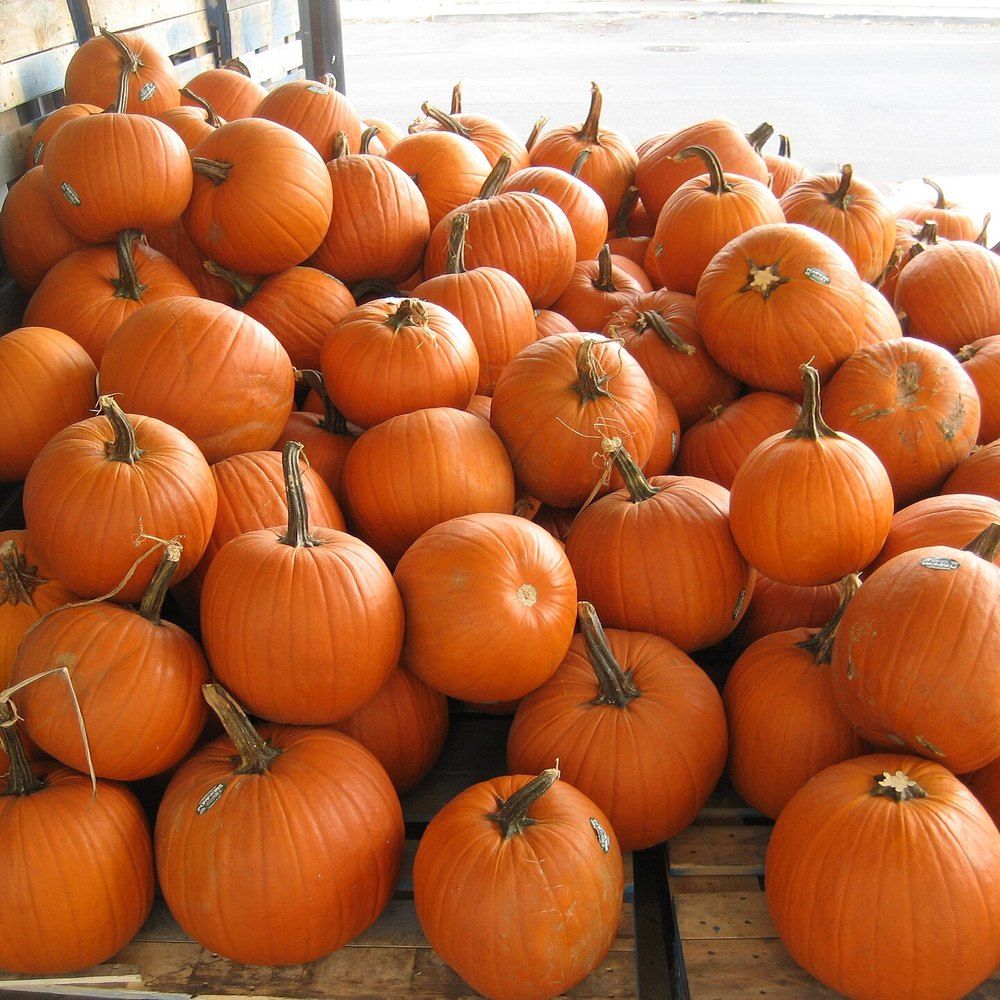
Mizuna

Brassicaceae

Zone 3a+
Sun
Full sun to part shade
Spacing
6-8 in
Maturity
21-40 days
Companions
Lettuce, Carrot, Onion

When to plant (from your frost dates)

  • Direct sow~2026-03-28

Tip · Cut-and-come-again: shear leaves to an inch above the crown and it regrows for several harvests.

Pests: Flea beetle, aphid.

Avoid near: Other brassicas crowded in the same block

Fertilizer plan

Ratio · High N (10-5-5): heavy feeders

Organic options · Aged manure or compost worked in deep · Blood meal or feather meal side-dress at 3 wks · Fish emulsion every 2 wks

When · Feed heavily every 2-3 weeks. Brassicas want steady nitrogen for tight heads.

Watch for · Pale/yellow leaves = needs N. Loose heads = feed harder next round.

N = nitrogen (leaves), P = phosphorus (roots & flowers), K = potassium (fruit & disease resistance).
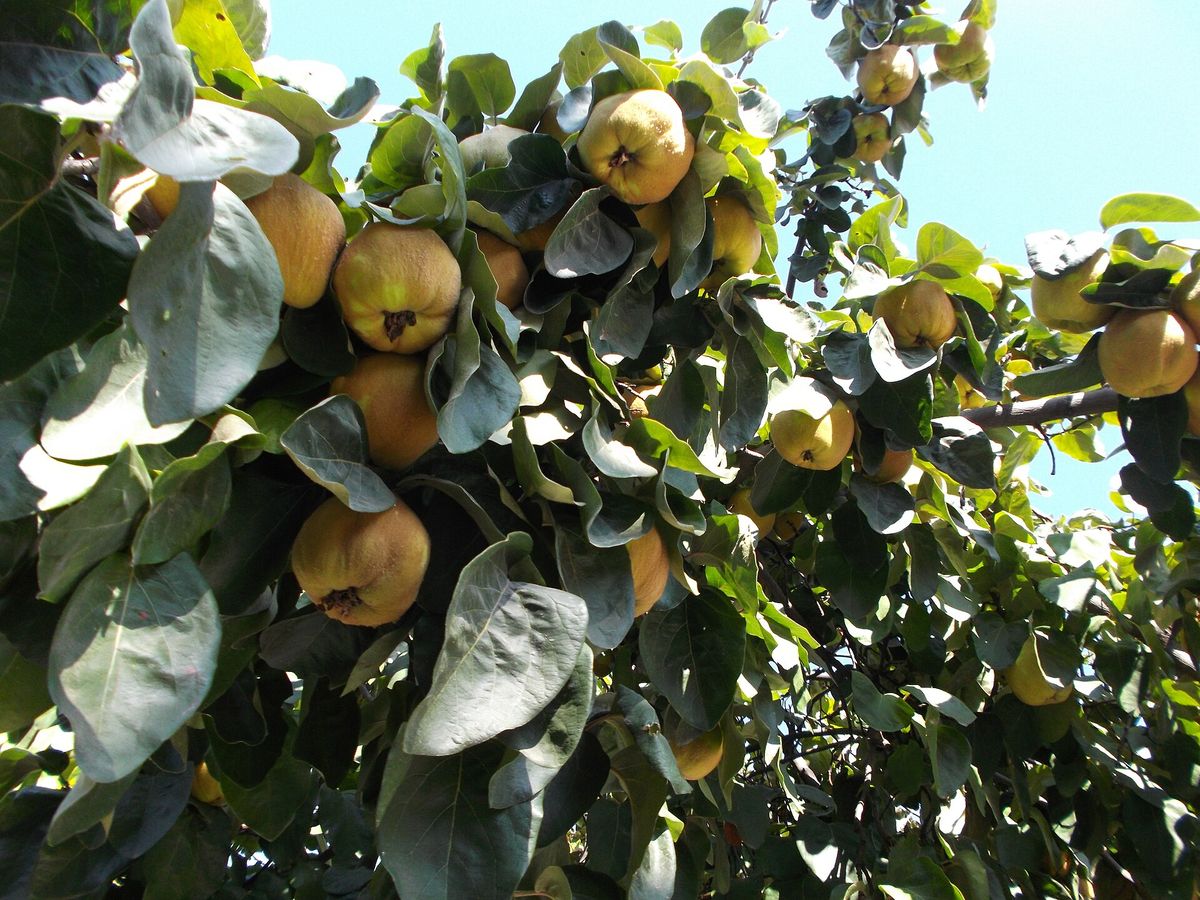
Mulberry plant: Moraceae crop profile photo

Mulberry

Moraceae

Zone 4a+
Sun
Full sun
Spacing
15-30 ft
Maturity
2-3 years to bearing (perennial tree)
Companions
Currant, Raspberry

When to plant (from your frost dates)

  • Transplant out~2026-05-09

Tip · Plant it as a decoy near berry patches: birds strongly prefer mulberries and will often leave raspberries alone if both are ripening.

Pests: Rarely bothered; birds are the main competition for fruit.

Fertilizer plan

Ratio · Low N (3-5-5): figs fruit better lean

Organic options · Compost mulch each spring · Wood ash or kelp for potassium · Skip nitrogen on established trees

When · One compost mulch in spring. Feed potted figs monthly, in-ground figs almost never.

Watch for · Big leaves, no figs = too much nitrogen or too much shade.

N = nitrogen (leaves), P = phosphorus (roots & flowers), K = potassium (fruit & disease resistance).
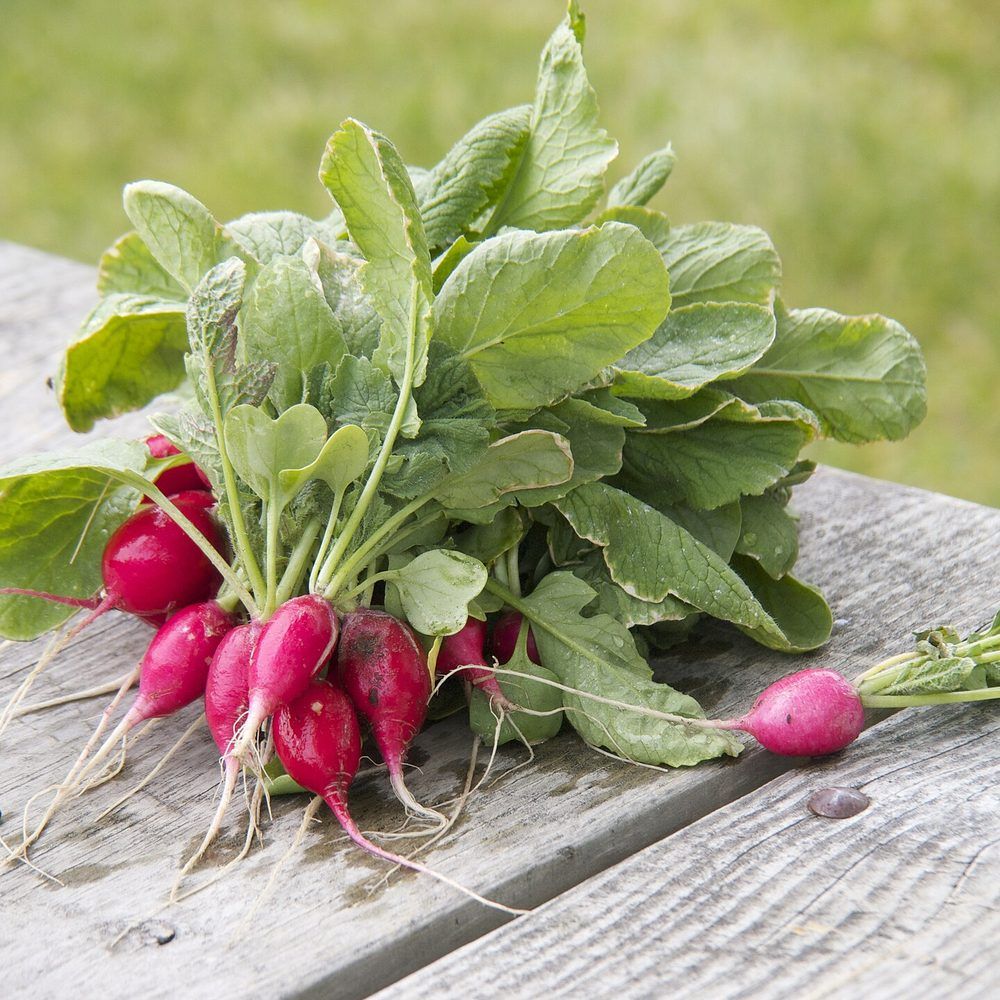
Mustard Greens plant: Brassicaceae crop profile photo

Mustard Greens

Brassicaceae

Zone 3a+
Sun
Full sun to part shade
Spacing
6-10 in
Maturity
30-50 days
Companions
Onion, Radish, Dill

When to plant (from your frost dates)

  • Direct sow~2026-03-28

Tip · Baby leaves at 3 in are mild; let them go to 8 in and the flavor turns sharply peppery.

Pests: Flea beetle, cabbage worm, aphid.

Avoid near: Other brassicas crowded together

Fertilizer plan

Ratio · High N (10-5-5): heavy feeders

Organic options · Aged manure or compost worked in deep · Blood meal or feather meal side-dress at 3 wks · Fish emulsion every 2 wks

When · Feed heavily every 2-3 weeks. Brassicas want steady nitrogen for tight heads.

Watch for · Pale/yellow leaves = needs N. Loose heads = feed harder next round.

N = nitrogen (leaves), P = phosphorus (roots & flowers), K = potassium (fruit & disease resistance).
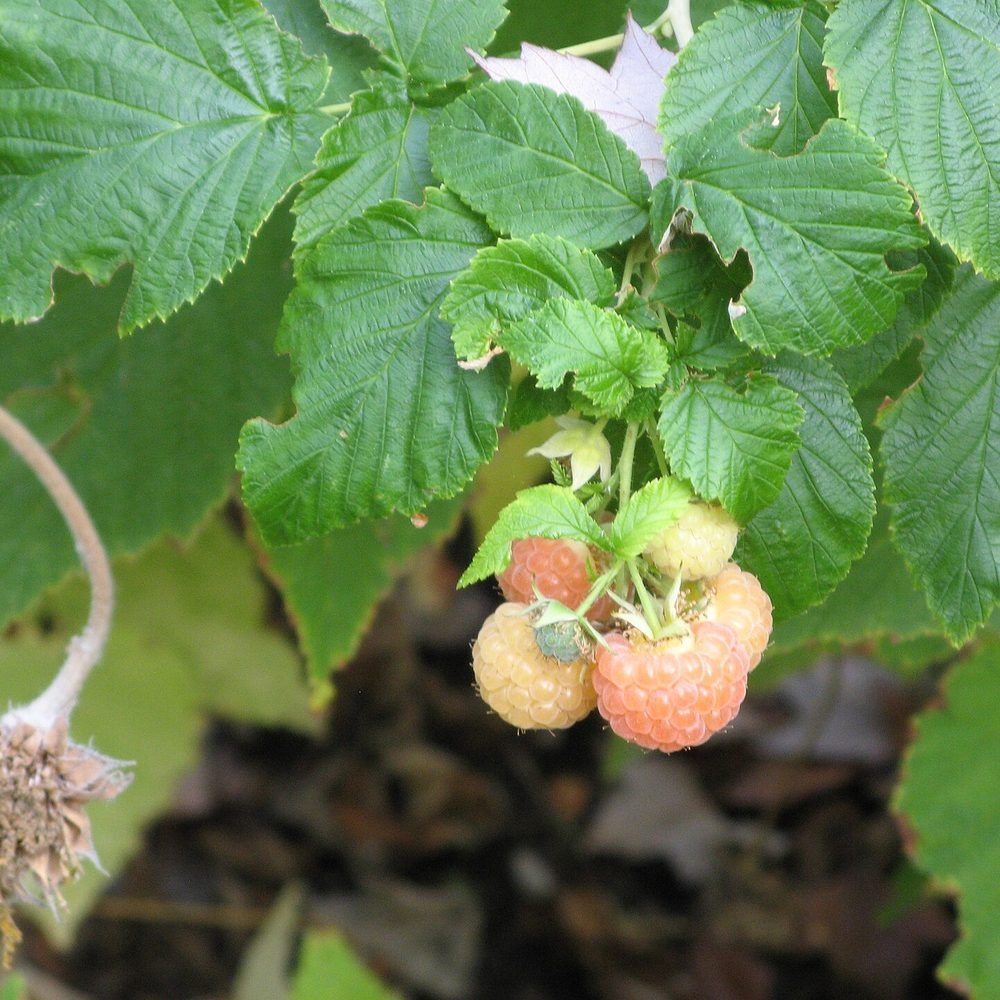
Napa Cabbage

Brassicaceae

Zone 3a+
Sun
Full sun to part shade
Spacing
12-18 in
Maturity
55-80 days
Companions
Onion, Dill, Beet

When to plant (from your frost dates)

  • Start seeds indoors~2026-03-21 (5 wks before last frost)
  • Transplant out~2026-04-11
  • Direct sow~2026-03-14

Tip · Grow it as a fall crop where possible: napa bolts in spring heat but forms a tight, sweet head in cooling fall days.

Pests: Cabbage worm, aphid, flea beetle, slugs.

Avoid near: Tomato, Strawberry

Fertilizer plan

Ratio · High N (10-5-5): heavy feeders

Organic options · Aged manure or compost worked in deep · Blood meal or feather meal side-dress at 3 wks · Fish emulsion every 2 wks

When · Feed heavily every 2-3 weeks. Brassicas want steady nitrogen for tight heads.

Watch for · Pale/yellow leaves = needs N. Loose heads = feed harder next round.

N = nitrogen (leaves), P = phosphorus (roots & flowers), K = potassium (fruit & disease resistance).
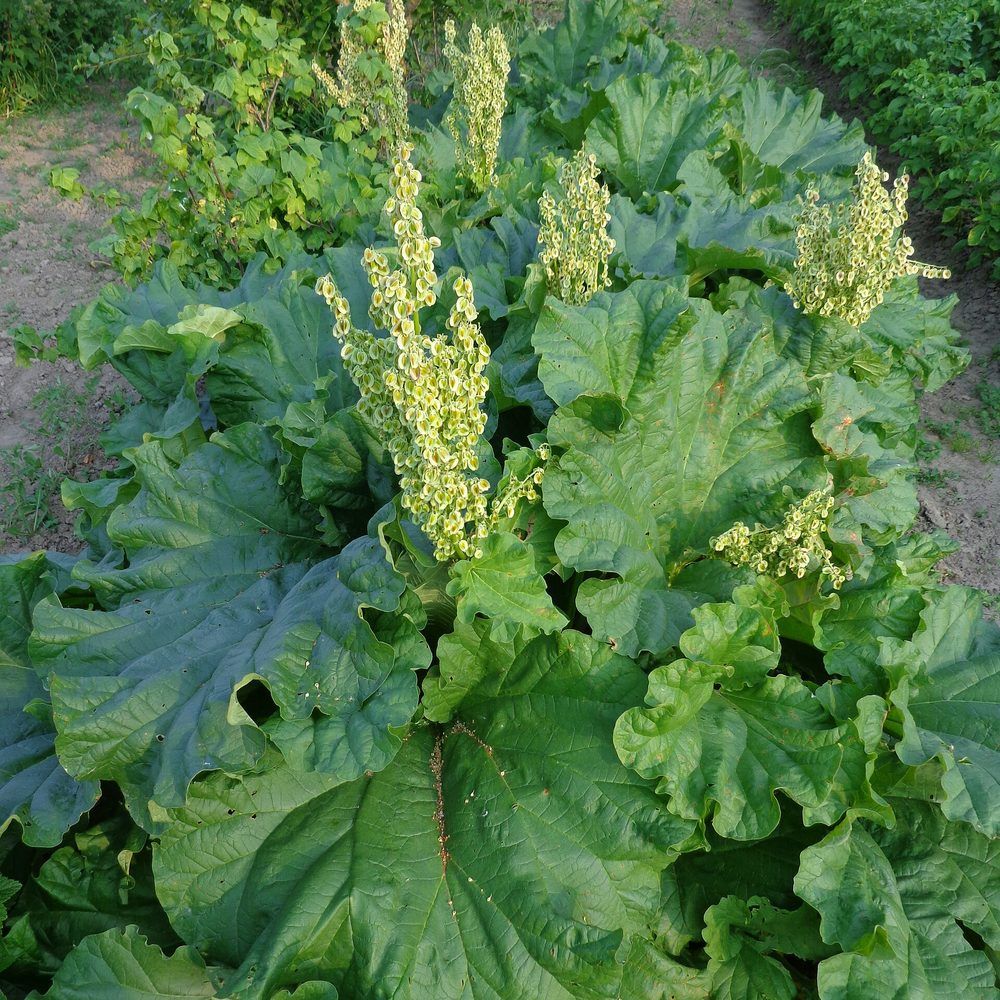
Nectarine

Rosaceae

Zone 5a+
Sun
Full sun
Spacing
15-20 ft
Maturity
2-3 years to bearing (perennial tree)
Companions
Chive, Garlic

When to plant (from your frost dates)

  • Transplant out~2026-05-09

Tip · Thin fruit to one every 4-6 in along the branch in late spring or the tree overbears and branches can snap under the weight.

Pests: Peach twig borer, brown rot, plum curculio; more prone to disease than fuzzy peaches due to the smooth skin.

Avoid near: Black walnut

Fertilizer plan

Ratio · Balanced 5-5-5, avoid fresh manure

Organic options · Compost mulch every spring · Blood meal + bone meal before flowering · Kelp meal after harvest

When · Once in spring, once after fruiting. Renovate strawberry beds every 3 yrs.

Watch for · Runner overload but few berries = too much N.

N = nitrogen (leaves), P = phosphorus (roots & flowers), K = potassium (fruit & disease resistance).
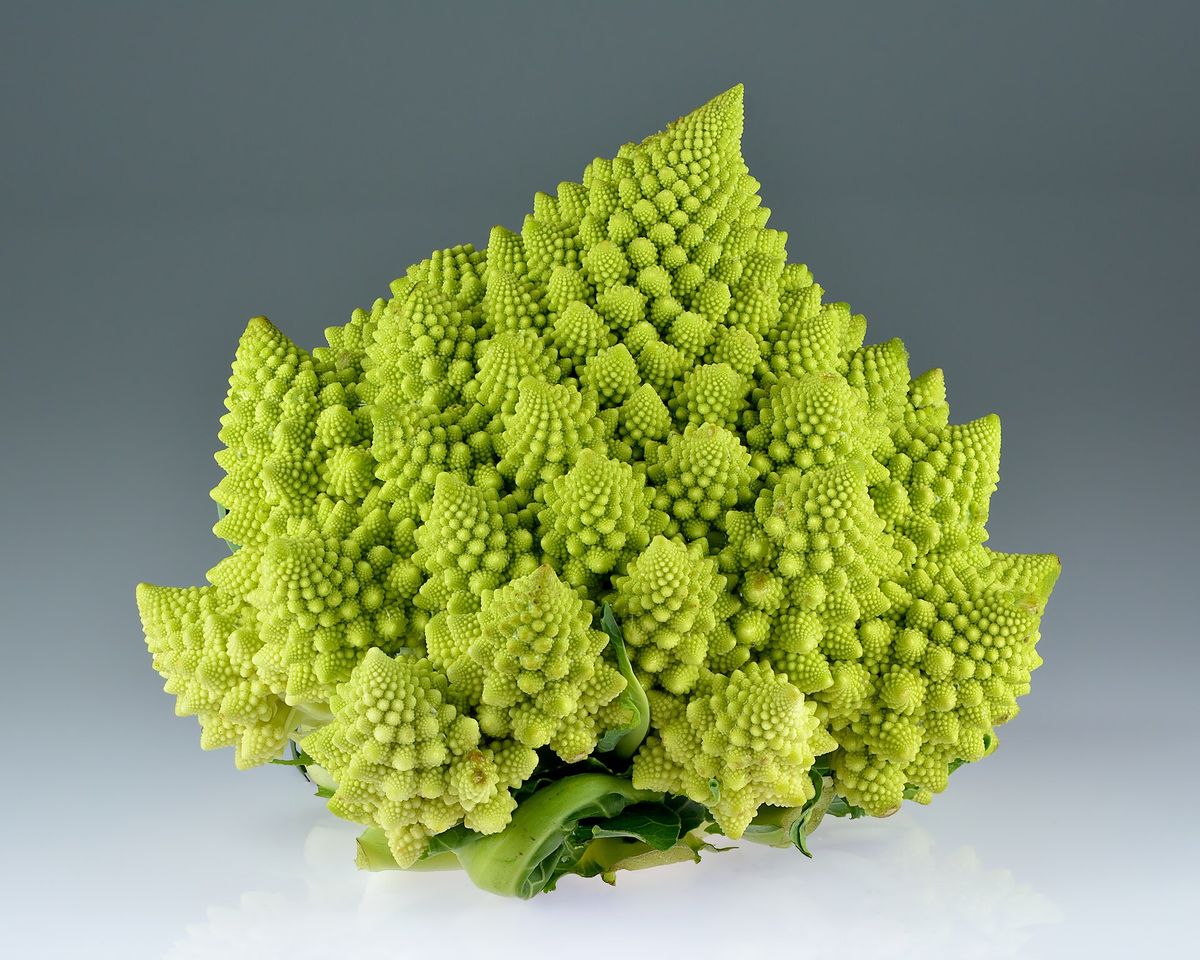
Zone 4a+
Sun
Full sun
Spacing
18-24 in
Maturity
55-70 days
Companions
Tomato, Bean

When to plant (from your frost dates)

  • Start seeds indoors~2026-03-28 (4 wks before last frost)
  • Transplant out~2026-05-09
  • Direct sow~2026-05-09

Tip · Soak seed 24 hours before sowing to soften the hard seed coat; it thrives in summer heat that bolts true spinach.

Pests: Rarely bothered.

Okra plant: Malvaceae crop profile photo

Okra

Malvaceae

Zone 4a+
Sun
Full sun, 8+ hrs
Spacing
12-18 in, rows 36 in
Maturity
50-65 days
Companions
Pepper, Basil, Bush bean, Sweet potato

When to plant (from your frost dates)

  • Start seeds indoors~2026-03-28 (4 wks before last frost)
  • Transplant out~2026-05-16
  • Direct sow~2026-05-16

Tip · Okra wants hot soil, 70F+, or seed rots. Pick pods at 3-4 in every other day: one pod left to toughen tells the plant to stop producing.

Pests: Aphid, stink bug, corn earworm in pods, root-knot nematode.

Avoid near: Squash vine crops (shared borer pressure)

Fertilizer plan

Ratio · Balanced 5-5-5, steady through the heat

Organic options · Compost + aged manure in the row · Fish emulsion every 3 wks while podding · Kelp meal for potassium

When · Feed at planting, then light and regular once pods start: okra produces for months.

Watch for · Pods slowing down usually means missed picking, not missed fertilizer.

N = nitrogen (leaves), P = phosphorus (roots & flowers), K = potassium (fruit & disease resistance).
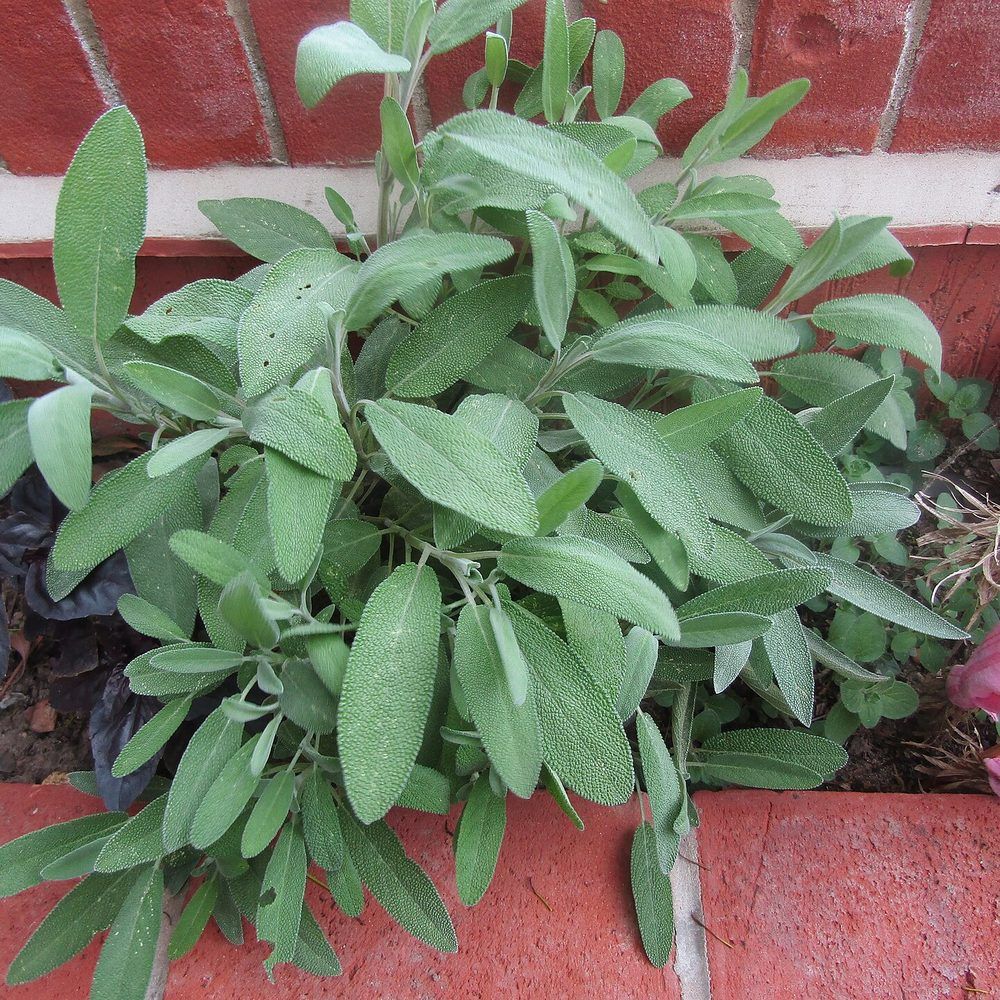
Onion plant: Amaryllidaceae crop profile photo

Onion

Amaryllidaceae

Zone 3a+
Sun
Full sun
Spacing
4-6 in
Maturity
90-120 days
Companions
Carrot, Beet, Lettuce, Tomato

When to plant (from your frost dates)

  • Start seeds indoors~2026-02-14 (10 wks before last frost)
  • Transplant out~2026-04-11
  • Direct sow~2026-04-04

Tip · Match day-length to your latitude. Long-day north of 37°, short-day south.

Pests: Thrips.

Avoid near: Bean, Pea

Fertilizer plan

Ratio · Moderate N + high P (5-10-10)

Organic options · Compost + bone meal at planting · Fish emulsion monthly through spring · Stop feeding as bulbs swell

When · Feed through spring leaf growth, then stop once tops start to yellow so bulbs cure hard.

Watch for · Thick, soft necks = too much late nitrogen; bulbs won't store.

N = nitrogen (leaves), P = phosphorus (roots & flowers), K = potassium (fruit & disease resistance).
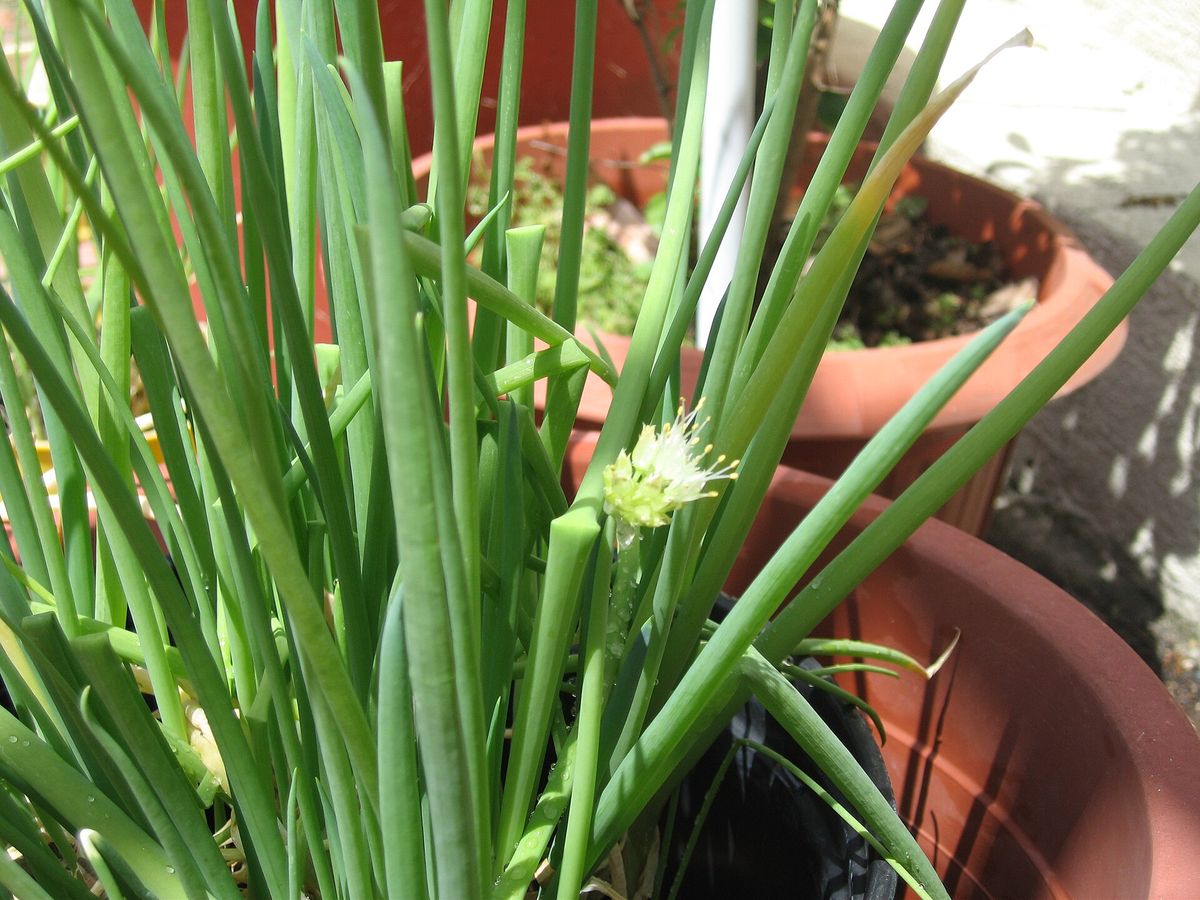
Zone 3a+
Sun
Full sun to part shade
Spacing
10-12 in
Maturity
40-50 days
Companions
Spinach, Lettuce

When to plant (from your frost dates)

  • Direct sow~2026-03-28

Tip · Grows taller than spinach; harvest young leaves continually and it keeps producing through summer heat that would bolt spinach.

Pests: Rarely bothered.

Fertilizer plan

Ratio · Balanced 5-5-5, boron matters for beets

Organic options · Compost + wood ash · Kelp meal for micronutrients · Fish emulsion every 3 wks

When · Bed prep with compost + kelp, one side-dress mid-season.

Watch for · Black spot in beet roots = boron deficit; a pinch of borax per gallon foliar-sprayed fixes it.

N = nitrogen (leaves), P = phosphorus (roots & flowers), K = potassium (fruit & disease resistance).
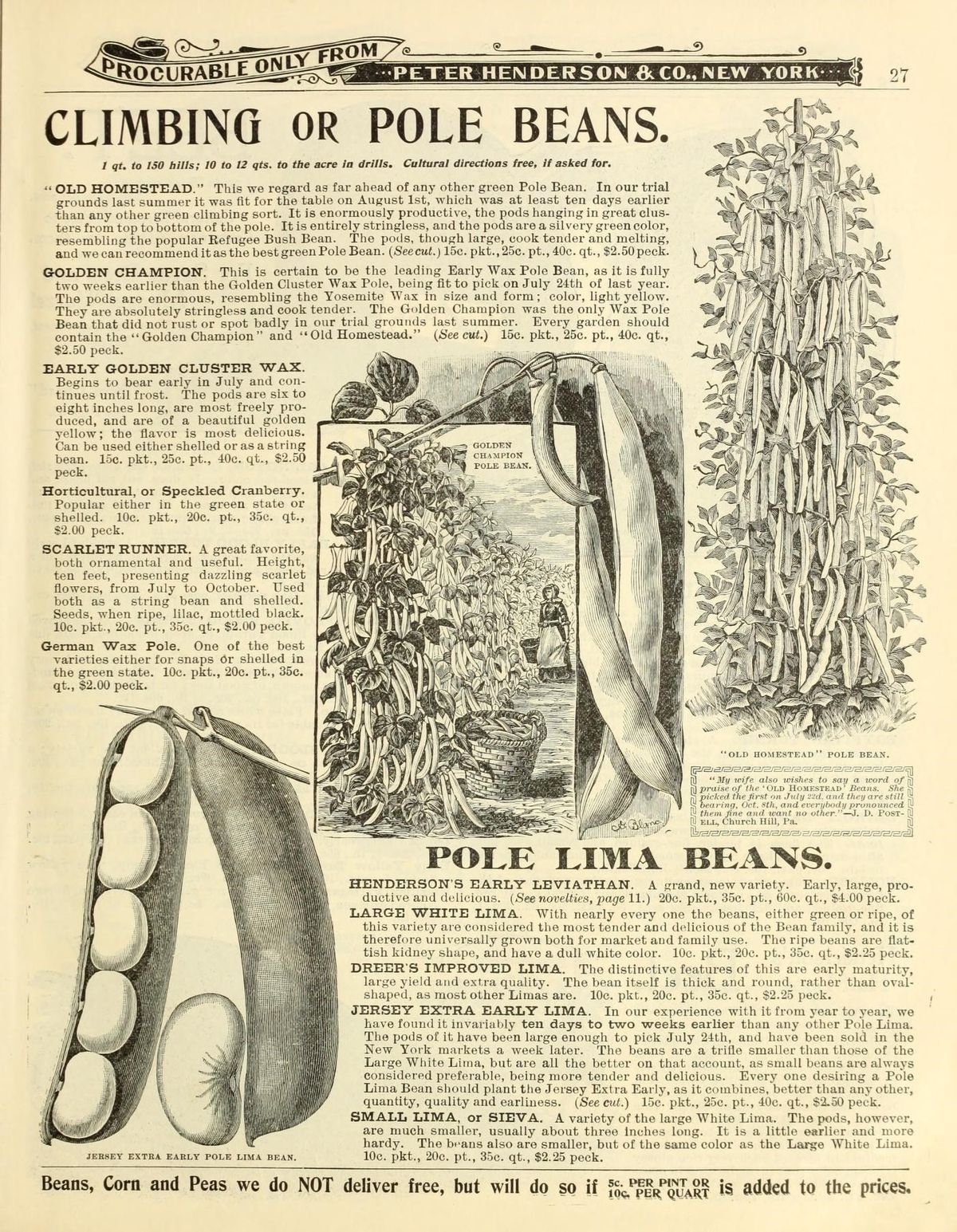
Oregano plant: Lamiaceae crop profile photo

Oregano

Lamiaceae

Zone 5a+
Sun
Full sun
Spacing
12-18 in
Maturity
80-90 days (perennial)
Companions
Pepper, Tomato, Basil

When to plant (from your frost dates)

  • Start seeds indoors~2026-02-28 (8 wks before last frost)
  • Transplant out~2026-05-09

Tip · Harvest just before flowering for the strongest flavor. Dries beautifully.

Pests: Rarely bothered.

Fertilizer plan

Ratio · Low fertilizer: herbs go bland when overfed

Organic options · Compost once at planting · Weak fish emulsion once mid-season if pale · Nothing after that

When · Feed lightly if at all. Mediterranean herbs (rosemary, thyme, oregano) thrive in lean soil.

Watch for · Fast, floppy, weak-flavored growth = too rich.

N = nitrogen (leaves), P = phosphorus (roots & flowers), K = potassium (fruit & disease resistance).
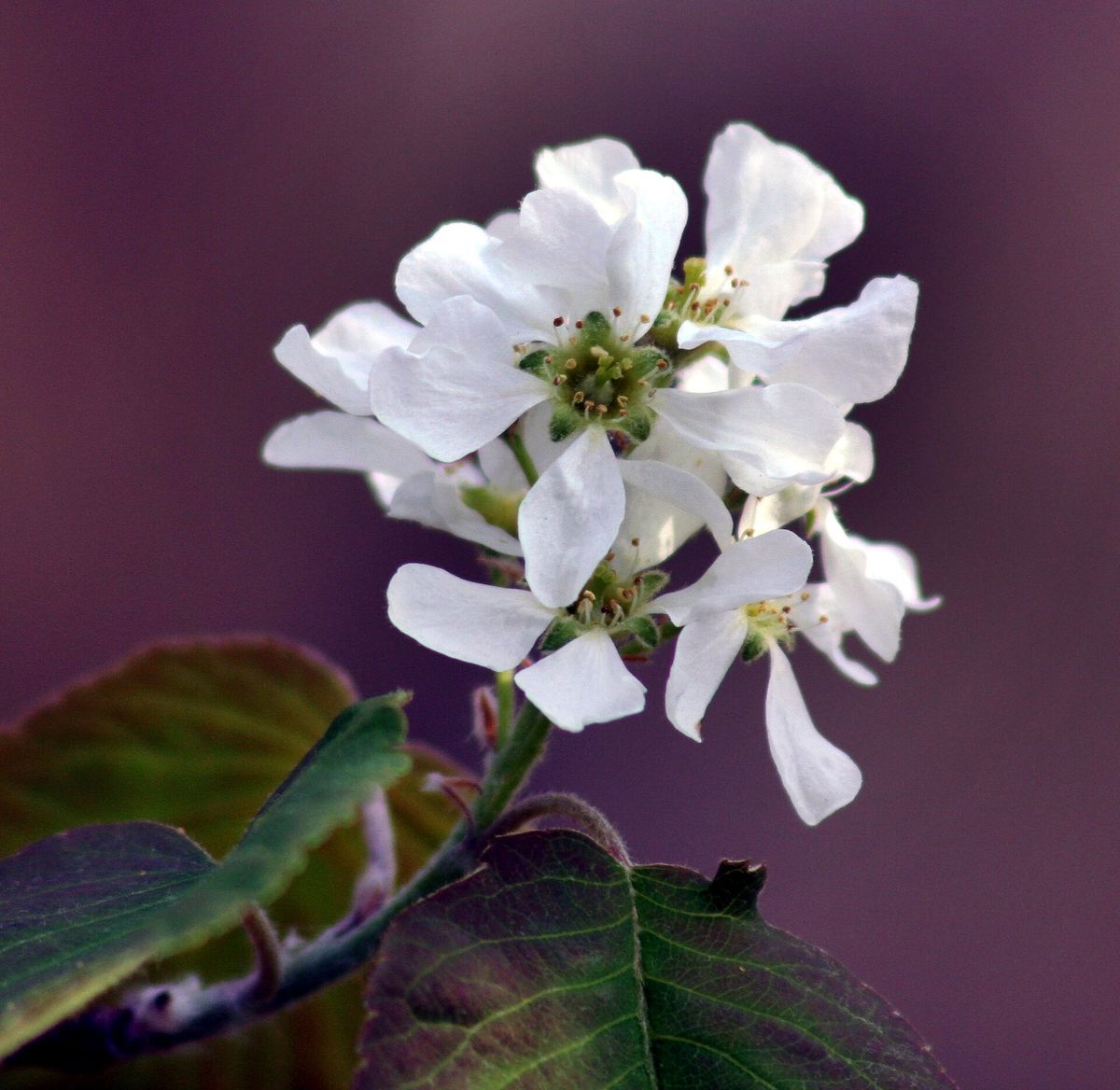
Parsley plant: Apiaceae crop profile photo

Parsley

Apiaceae

Zone 3a+
Sun
Full sun to part shade
Spacing
8-10 in
Maturity
70-90 days
Companions
Tomato, Asparagus, Carrot

When to plant (from your frost dates)

  • Start seeds indoors~2026-02-28 (8 wks before last frost)
  • Transplant out~2026-04-11
  • Direct sow~2026-04-11

Tip · Soak seeds 24 hrs before sowing. Cut outer stems and it comes back for years in mild zones.

Pests: Swallowtail caterpillars (leave them. The butterflies are worth it).

Avoid near: Mint, Lettuce

Fertilizer plan

Ratio · Low N, higher P (3-6-6)

Organic options · Compost only in bed prep · Bone meal at sowing · Skip nitrogen top-dress

When · Feed the bed, not the plant. Carrots/parsnips fork or hair-root with fresh manure.

Watch for · Forked roots = too much N or fresh manure; use only well-aged compost.

N = nitrogen (leaves), P = phosphorus (roots & flowers), K = potassium (fruit & disease resistance).
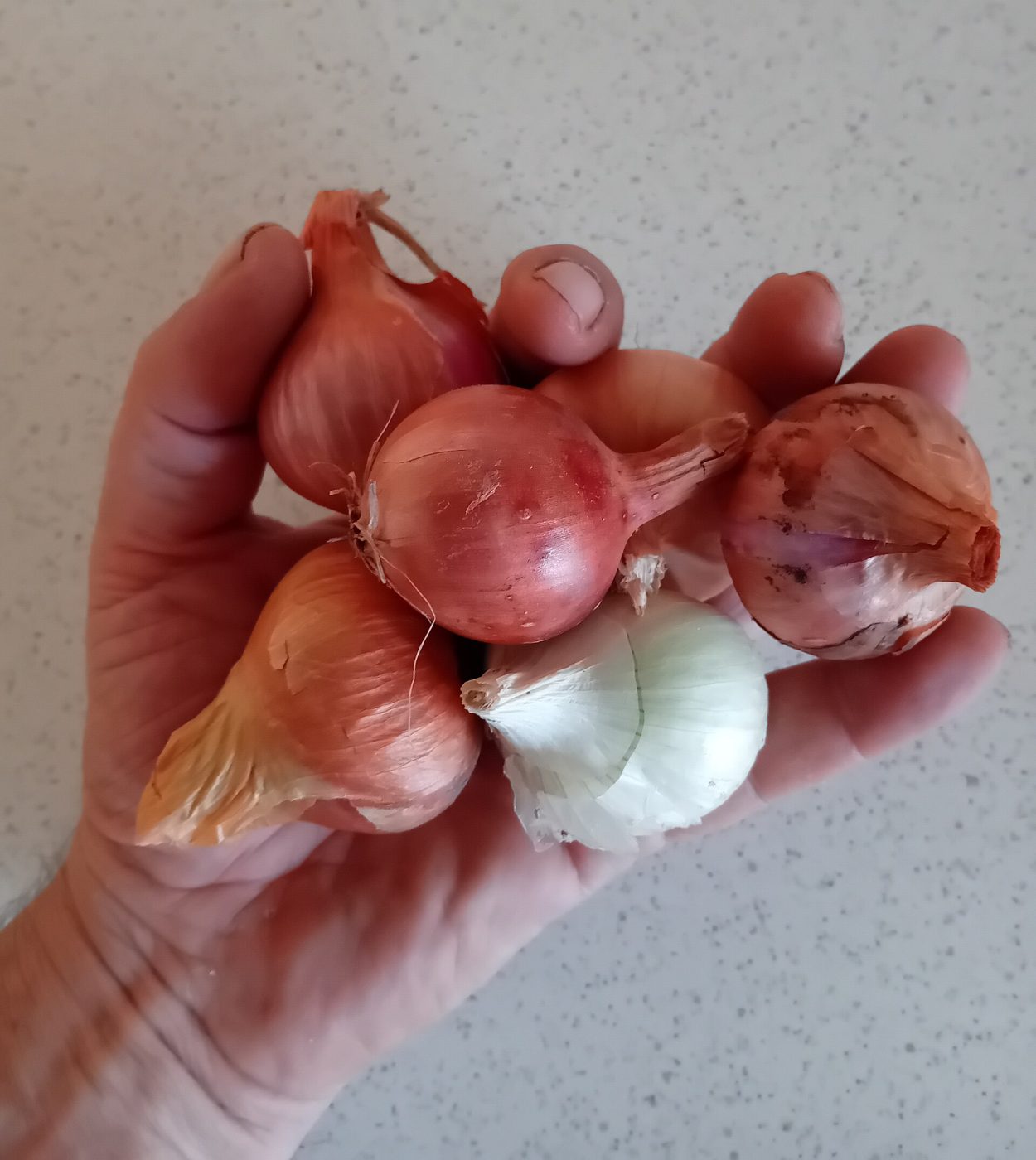
Parsnip plant: Apiaceae crop profile photo

Parsnip

Apiaceae

Zone 3a+
Sun
Full sun
Spacing
3-4 in
Maturity
100-130 days
Companions
Onion, Pea, Radish

When to plant (from your frost dates)

  • Direct sow~2026-04-04

Tip · Seed loses viability fast: buy fresh each year. Leave roots in the ground through a hard frost; the cold converts starch to sugar.

Pests: Carrot rust fly, armyworm.

Avoid near: Carrot (competes for the same root zone and pests)

Fertilizer plan

Ratio · Low N, higher P (3-6-6)

Organic options · Compost only in bed prep · Bone meal at sowing · Skip nitrogen top-dress

When · Feed the bed, not the plant. Carrots/parsnips fork or hair-root with fresh manure.

Watch for · Forked roots = too much N or fresh manure; use only well-aged compost.

N = nitrogen (leaves), P = phosphorus (roots & flowers), K = potassium (fruit & disease resistance).
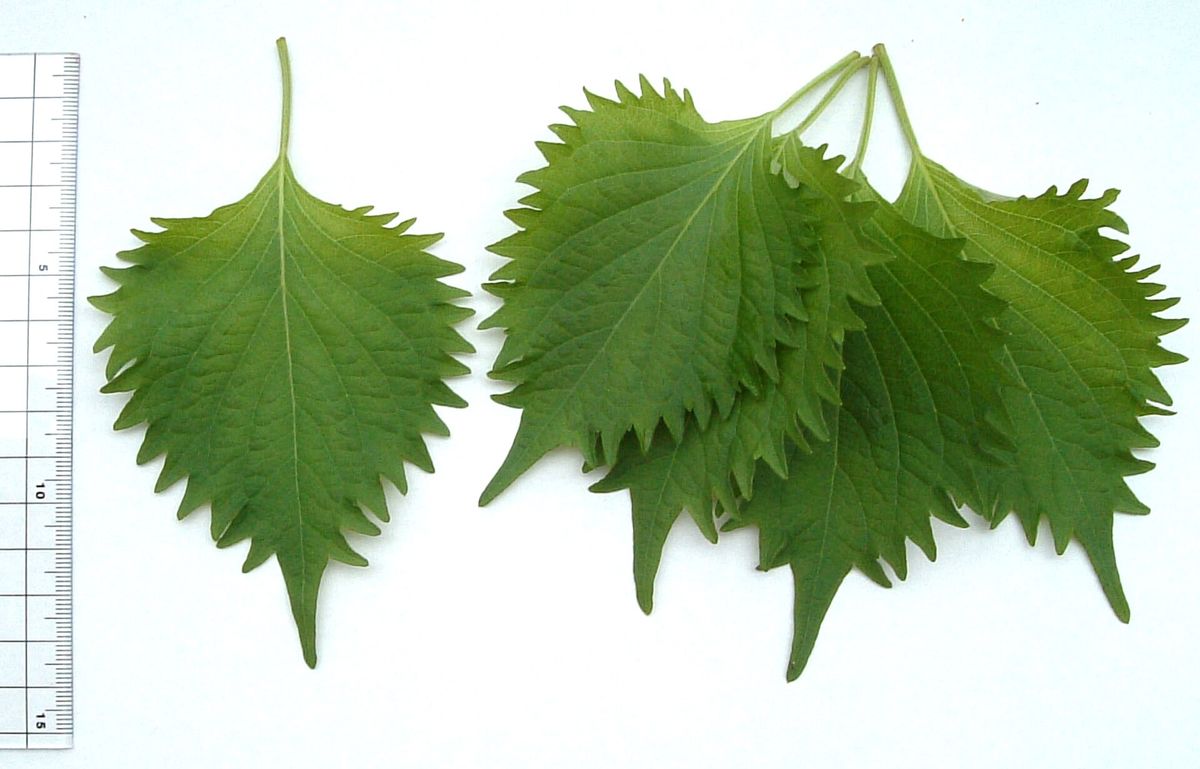
Patty Pan Squash

Cucurbitaceae

Zone 4a+
Sun
Full sun
Spacing
24-36 in
Maturity
45-55 days
Companions
Nasturtium, Corn, Bean

When to plant (from your frost dates)

  • Start seeds indoors~2026-04-04 (3 wks before last frost)
  • Transplant out~2026-05-09
  • Direct sow~2026-05-09

Tip · Pick at 2-3 in across, like a baby zucchini: past golf-ball size the skin toughens fast.

Pests: Squash vine borer, squash bug. Wrap stem base in foil to block borer entry.

Avoid near: Potato

Fertilizer plan

Ratio · Balanced 5-5-5, ease off N at flowering

Organic options · Compost + aged manure in the hill · Fish emulsion until first blossom · Kelp meal + wood ash at flowering

When · Big feed at transplant, side-dress once vines run, potassium boost at flowering.

Watch for · Female flowers dropping = pollination issue, not fertilizer.

N = nitrogen (leaves), P = phosphorus (roots & flowers), K = potassium (fruit & disease resistance).
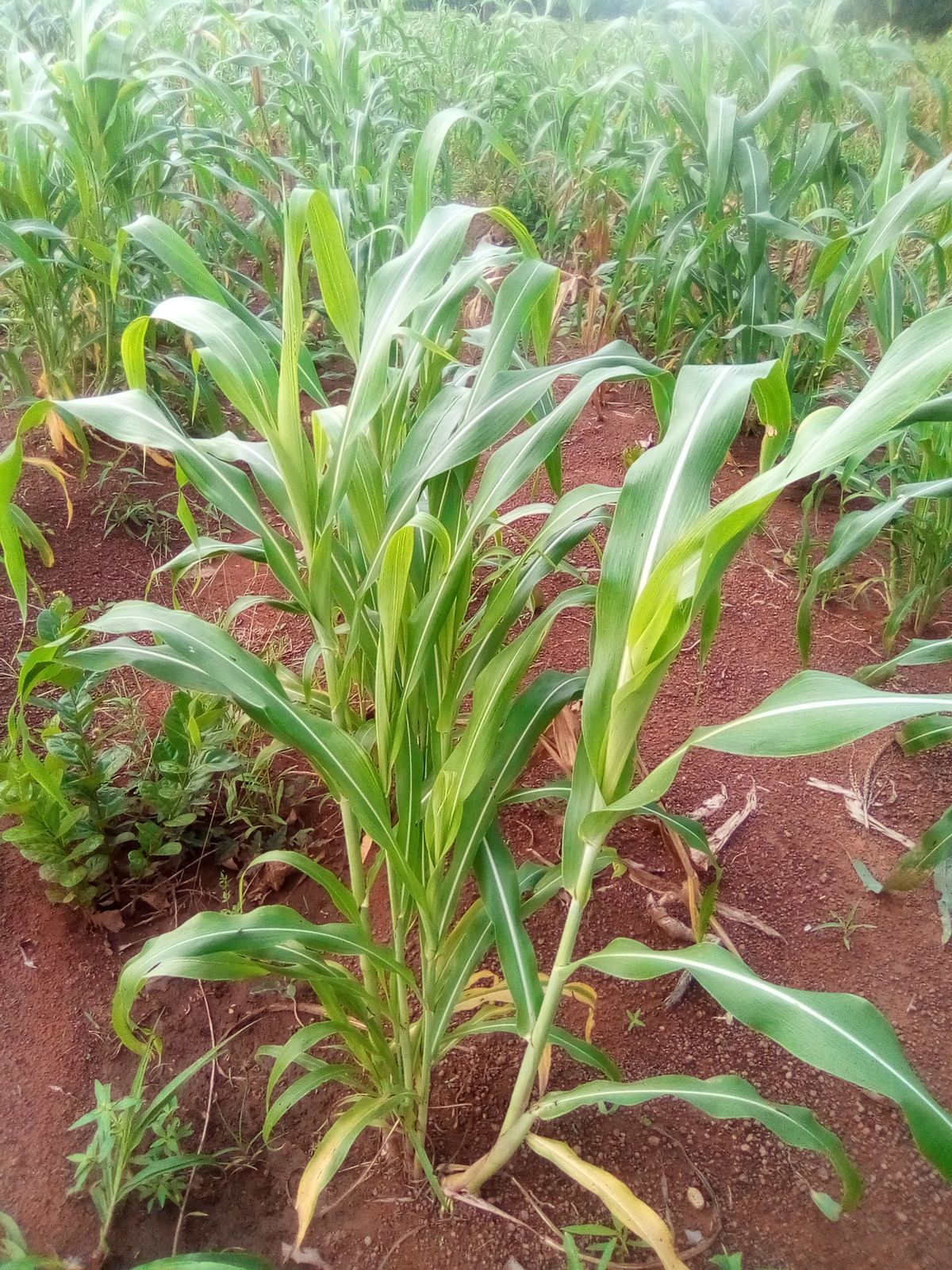
Pawpaw

Annonaceae

Zone 5a+
Sun
Part shade when young, full sun once established
Spacing
8-15 ft
Maturity
4-6 years to bearing (perennial tree)
Companions
Persimmon, Elderberry

When to plant (from your frost dates)

  • Transplant out~2026-05-09

Tip · Plant at least two genetically distinct trees; pawpaw needs cross-pollination and its flowers smell faintly of rotting meat to draw flies, not bees.

Pests: Zebra swallowtail caterpillar (its only host plant, worth tolerating), pawpaw peduncle borer.

Pea plant: Fabaceae crop profile photo

Pea

Fabaceae

Zone 3a+
Sun
Full sun to part shade
Spacing
2-4 in
Maturity
55-70 days
Companions
Carrot, Radish, Cucumber

When to plant (from your frost dates)

  • Direct sow~2026-03-21

Tip · Sow as soon as soil can be worked. A trellis keeps pods clean and doubles yield.

Pests: Aphid, pea moth.

Avoid near: Onion, Garlic

Fertilizer plan

Ratio · LOW N: beans fix their own nitrogen

Organic options · Compost at planting is enough · Rock phosphate for pods · Wood ash for potassium if soil is deficient

When · Do not add nitrogen fertilizer. You'll get leaves, no pods. One compost dose at planting.

Watch for · Inoculate seeds with rhizobia the first time you grow legumes in a bed.

N = nitrogen (leaves), P = phosphorus (roots & flowers), K = potassium (fruit & disease resistance).
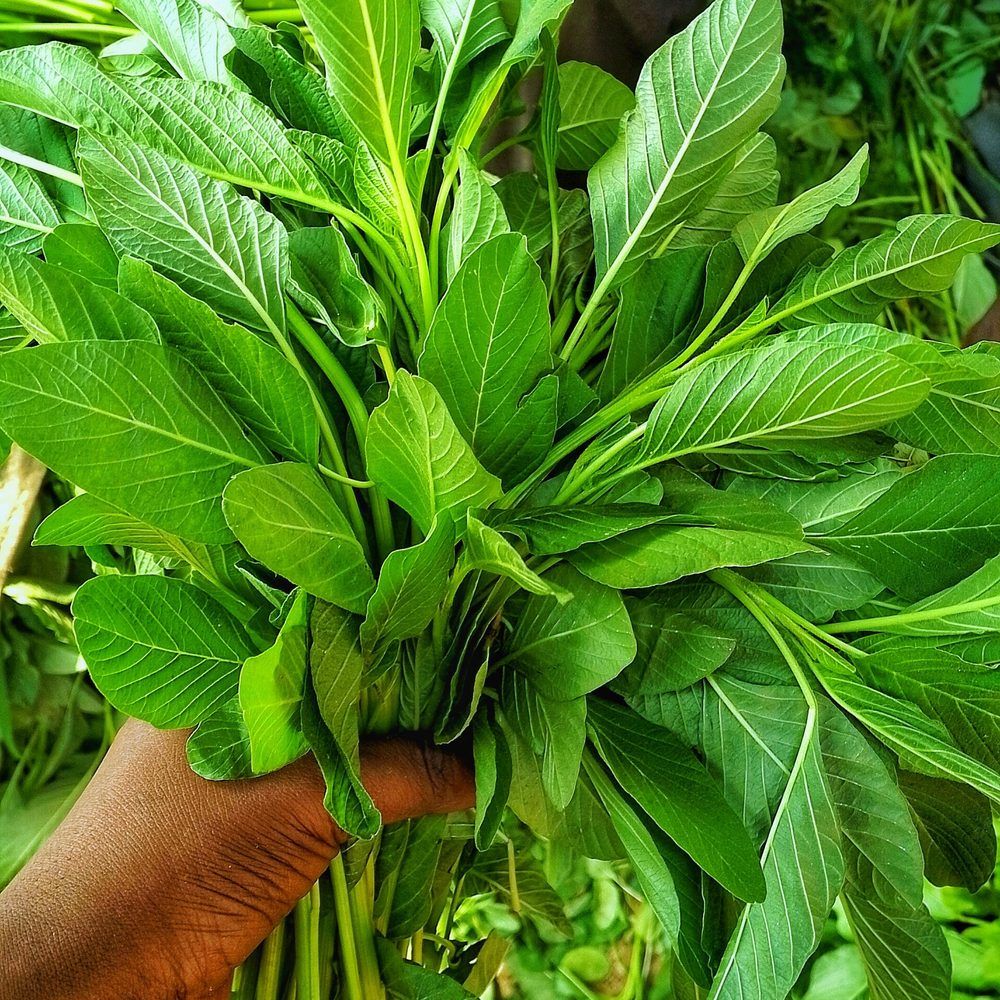
Peach plant: Rosaceae crop profile photo

Peach

Rosaceae

Zone 5a+
Sun
Full sun
Spacing
12-15 ft (semi-dwarf)
Maturity
Yr 2-4 fruiting (perennial tree)
Companions
Basil, Chives, Garlic

When to plant (from your frost dates)

  • Transplant out~2026-03-14

Tip · Thin fruit to 6 in apart in June. You get bigger, sweeter peaches and prevent limb breakage.

Pests: Peach leaf curl (spray dormant oil), oriental fruit moth, borers.

Fertilizer plan

Ratio · Balanced 5-5-5, avoid fresh manure

Organic options · Compost mulch every spring · Blood meal + bone meal before flowering · Kelp meal after harvest

When · Once in spring, once after fruiting. Renovate strawberry beds every 3 yrs.

Watch for · Runner overload but few berries = too much N.

N = nitrogen (leaves), P = phosphorus (roots & flowers), K = potassium (fruit & disease resistance).
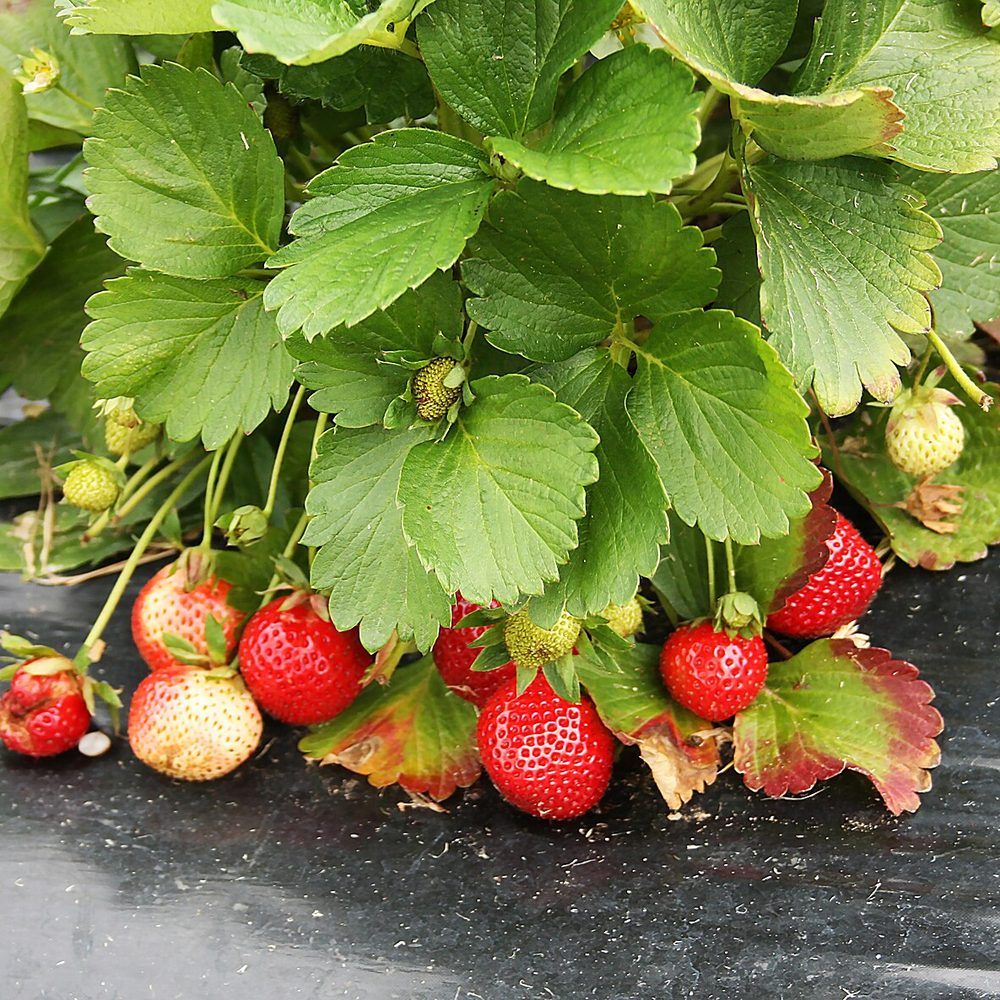
Peanut plant: Fabaceae crop profile photo

Peanut

Fabaceae

Zone 5a+
Sun
Full sun, 8+ hrs
Spacing
8-10 in
Maturity
100-150 days
Companions
Corn, Squash

When to plant (from your frost dates)

  • Start seeds indoors~2026-03-28 (4 wks before last frost)
  • Transplant out~2026-05-09
  • Direct sow~2026-05-09

Tip · Flowers self-pollinate then push a stalk (peg) into the soil to form the pod underground: keep soil loose around the base.

Pests: Wireworm, southern blight in wet clay soil.

Avoid near: Nothing documented; needs loose sandy soil to peg well

Fertilizer plan

Ratio · LOW N: beans fix their own nitrogen

Organic options · Compost at planting is enough · Rock phosphate for pods · Wood ash for potassium if soil is deficient

When · Do not add nitrogen fertilizer. You'll get leaves, no pods. One compost dose at planting.

Watch for · Inoculate seeds with rhizobia the first time you grow legumes in a bed.

N = nitrogen (leaves), P = phosphorus (roots & flowers), K = potassium (fruit & disease resistance).
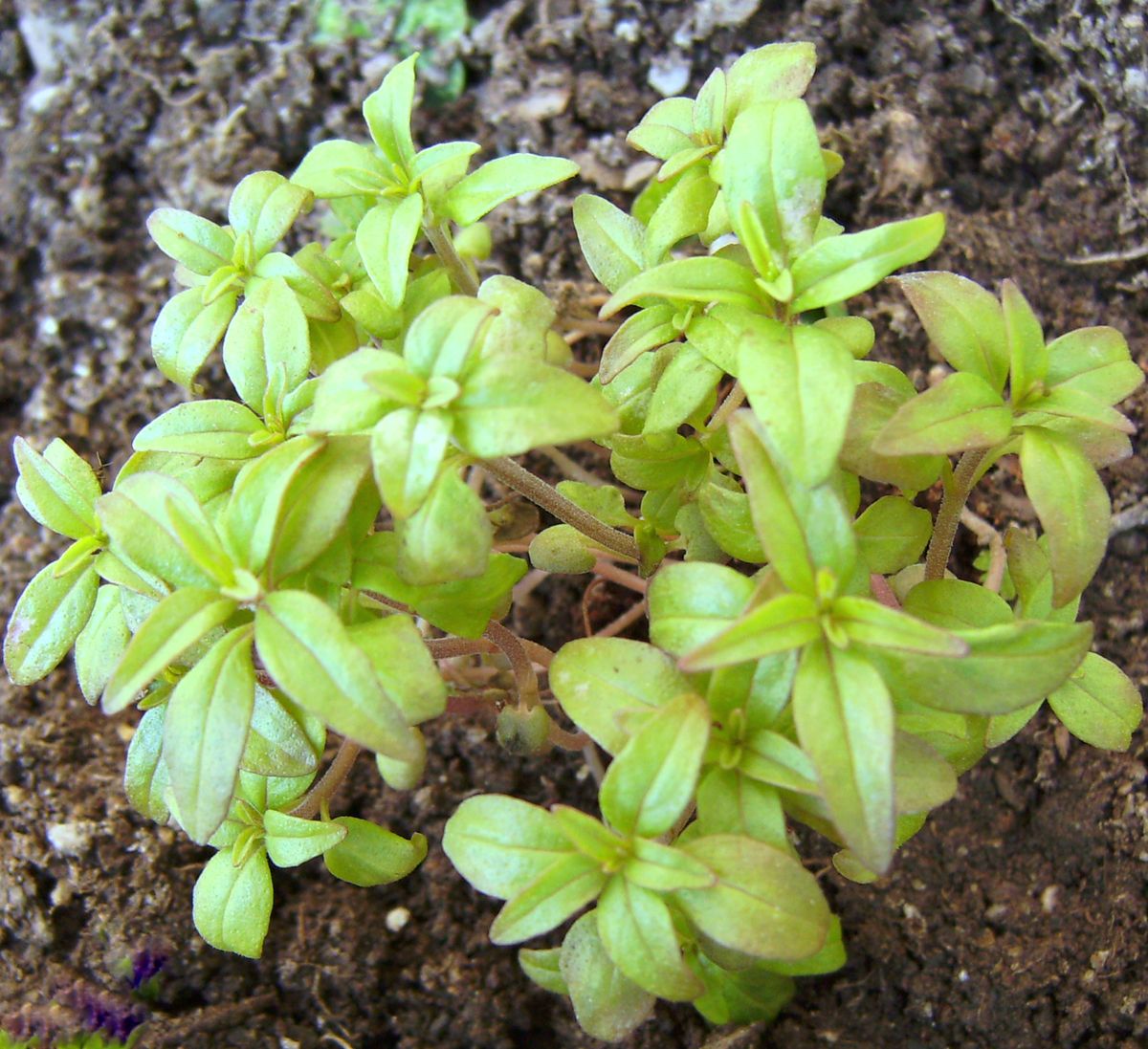
Pear plant: Rosaceae crop profile photo

Pear

Rosaceae

Zone 4a+
Sun
Full sun
Spacing
12-20 ft (standard)
Maturity
Yr 4-6 fruiting (perennial tree)
Companions
Chives, Garlic, Nasturtium

When to plant (from your frost dates)

  • Transplant out~2026-03-14

Tip · Pick pears firm and ripen in the fruit bowl: tree-ripened pears turn gritty.

Pests: Codling moth, pear psylla, fire blight: plant resistant varieties.

Fertilizer plan

Ratio · Balanced 5-5-5, avoid fresh manure

Organic options · Compost mulch every spring · Blood meal + bone meal before flowering · Kelp meal after harvest

When · Once in spring, once after fruiting. Renovate strawberry beds every 3 yrs.

Watch for · Runner overload but few berries = too much N.

N = nitrogen (leaves), P = phosphorus (roots & flowers), K = potassium (fruit & disease resistance).

Pecan plant: Juglandaceae crop profile photo

Pecan

Juglandaceae

Zone 6a+
Sun
Full sun
Spacing
40-70 ft
Maturity
6-10 years to bearing (perennial tree)
Companions

When to plant (from your frost dates)

  • Transplant out~2026-05-09

Tip · Needs two different cultivars nearby for reliable pollination and a very large footprint; plan on it eventually shading a big chunk of the yard.

Pests: Pecan weevil, aphid, scab in humid climates.

Avoid near: Most garden vegetables (roots secrete juglone, similar to black walnut, though less concentrated)

Pepper plant: Solanaceae crop profile photo

Pepper

Solanaceae

Zone 4a+
Sun
Full sun
Spacing
18 in
Maturity
60-90 days
Companions
Basil, Onion, Carrot

When to plant (from your frost dates)

  • Start seeds indoors~2026-02-28 (8 wks before last frost)
  • Transplant out~2026-05-09

Tip · Pinch first flowers on transplants so the plant invests in roots before setting fruit.

Pests: Aphids, flea beetles. Row cover early season.

Avoid near: Beans, Fennel

Fertilizer plan

Ratio · Low N (5-10-10) once fruiting starts

Organic options · Compost 2-3 in. at planting · Fish emulsion every 2 wks while young · Bone meal + kelp at flowering for calcium/potassium

When · Compost at planting → light nitrogen through vegetative → switch to P/K when flowers appear.

Watch for · All leaves, no fruit = too much N. Blossom-end rot = calcium deficit + uneven watering.

N = nitrogen (leaves), P = phosphorus (roots & flowers), K = potassium (fruit & disease resistance).
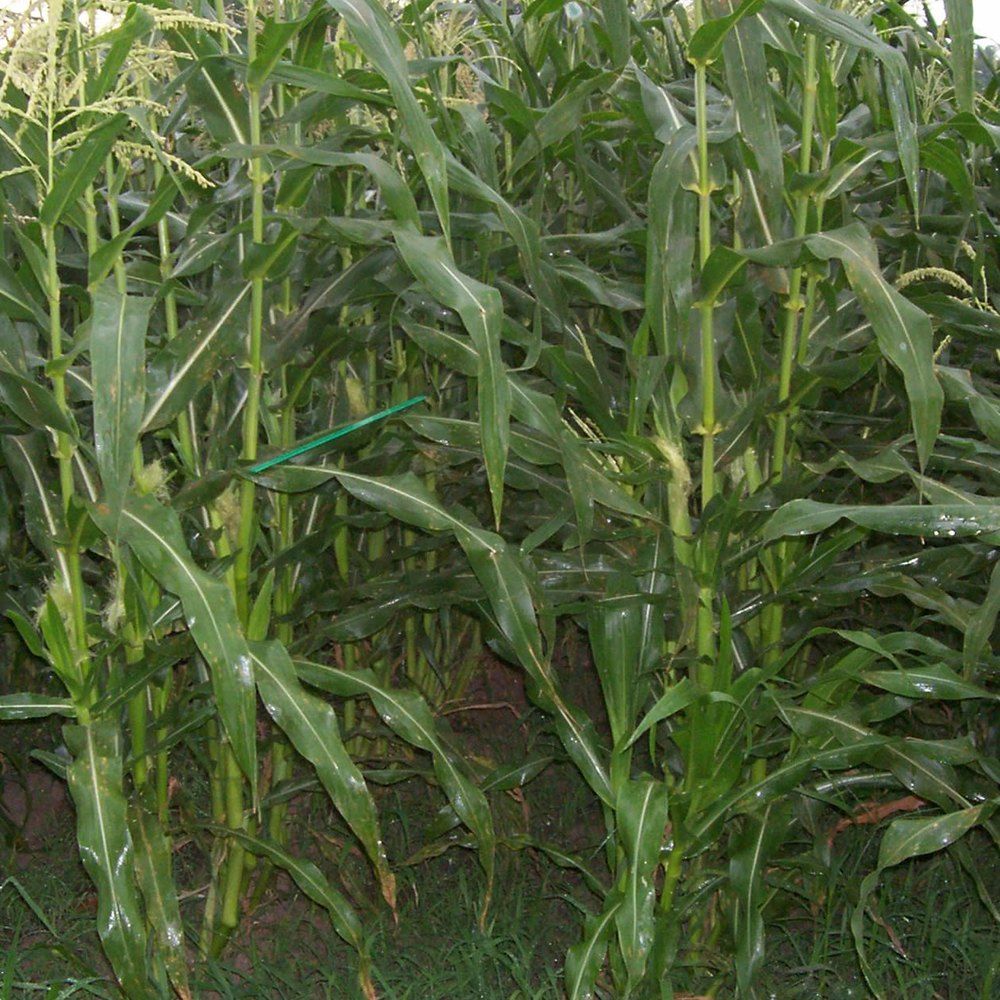
Plum plant: Rosaceae crop profile photo

Plum

Rosaceae

Zone 4a+
Sun
Full sun
Spacing
15-20 ft
Maturity
Yr 3-5 fruiting (tree)
Companions
Garlic, Chives, Daffodil, Comfrey

When to plant (from your frost dates)

  • Transplant out~2026-03-14

Tip · European types self-pollinate; most Japanese types need a second variety nearby. Thin fruit to 4 in apart in spring, or branches break and everything ripens small.
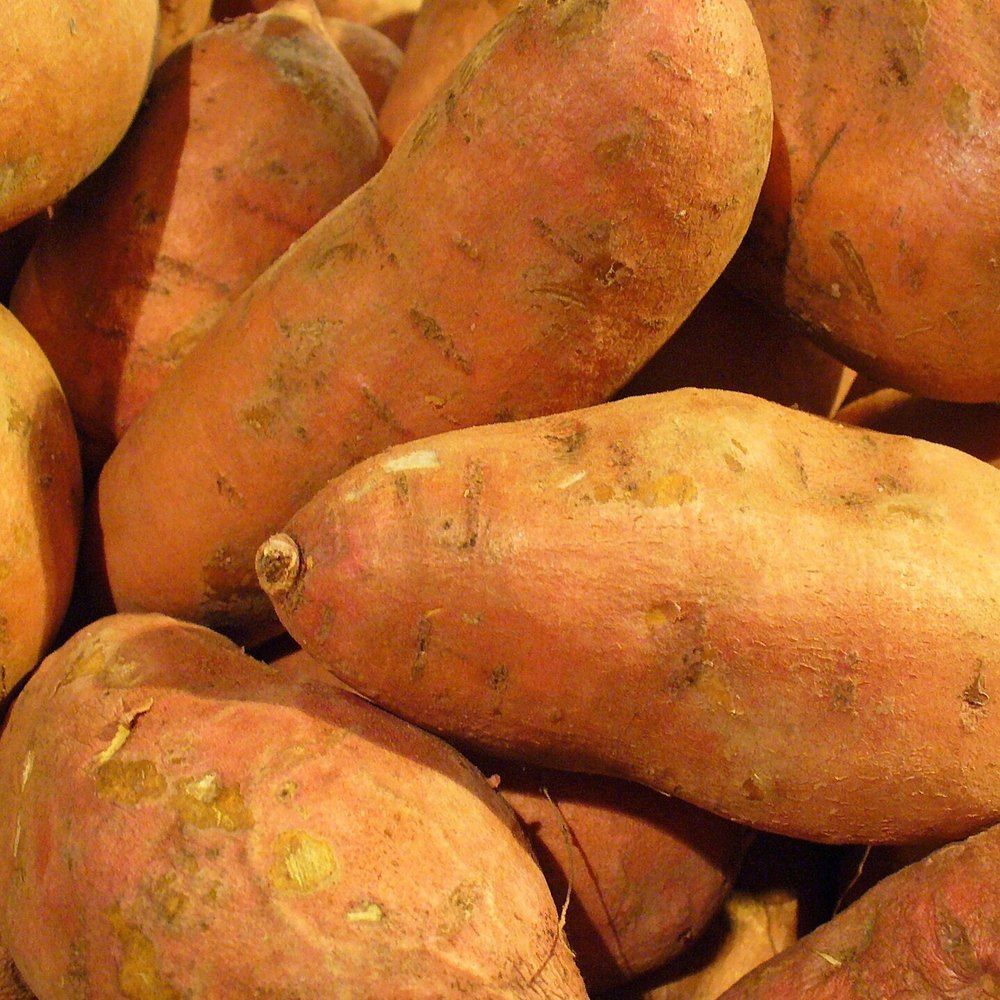
Pests: Plum curculio, aphid, brown rot, black knot on branches.

Avoid near: Grass right up to the trunk

Fertilizer plan

Ratio · Balanced 5-5-5, avoid fresh manure

Organic options · Compost mulch every spring · Blood meal + bone meal before flowering · Kelp meal after harvest

When · Once in spring, once after fruiting. Renovate strawberry beds every 3 yrs.

Watch for · Runner overload but few berries = too much N.

N = nitrogen (leaves), P = phosphorus (roots & flowers), K = potassium (fruit & disease resistance).

Poblano Pepper

Solanaceae

Zone 4a+
Sun
Full sun
Spacing
18 in
Maturity
65-80 days
Companions
Basil, Onion, Carrot

When to plant (from your frost dates)

  • Start seeds indoors~2026-02-28 (8 wks before last frost)
  • Transplant out~2026-05-09

Tip · Picked green it's a poblano; left to ripen red on the plant and dried, it becomes an ancho chile.

Pests: Aphids, flea beetles.

Avoid near: Beans, Fennel

Fertilizer plan

Ratio · Low N (5-10-10) once fruiting starts

Organic options · Compost 2-3 in. at planting · Fish emulsion every 2 wks while young · Bone meal + kelp at flowering for calcium/potassium

When · Compost at planting → light nitrogen through vegetative → switch to P/K when flowers appear.

Watch for · All leaves, no fruit = too much N. Blossom-end rot = calcium deficit + uneven watering.

N = nitrogen (leaves), P = phosphorus (roots & flowers), K = potassium (fruit & disease resistance).

Popcorn plant: Poaceae crop profile photo

Popcorn

Poaceae

Zone 4a+
Sun
Full sun
Spacing
10-12 in (block plant)
Maturity
100-110 days
Companions
Bean, Squash

When to plant (from your frost dates)

  • Direct sow~2026-05-09

Tip · Isolate at least 300 ft or by 2 weeks' planting time from any sweet corn to keep kernels from cross-pollinating starchy.

Pests: Corn earworm, corn borer, raccoons at harvest.

Avoid near: Sweet corn (cross-pollination ruins both crops' flavor and texture)

Fertilizer plan

Ratio · High N (10-5-5): corn is a nitrogen hog

Organic options · Compost + aged manure deep in the row · Blood meal side-dress at knee-high · Fish emulsion at tasseling

When · Feed at planting, knee-high, and tasseling: three big meals.

Watch for · Small ears / missing kernels = under-feeding or poor pollination.

N = nitrogen (leaves), P = phosphorus (roots & flowers), K = potassium (fruit & disease resistance).

Potato plant: Solanaceae crop profile photo

Potato

Solanaceae

Zone 3a+
Sun
Full sun
Spacing
12 in
Maturity
70-120 days
Companions
Bean, Corn, Marigold

When to plant (from your frost dates)

  • Direct sow~2026-04-11

Tip · Hill soil up around stems as plants grow. Every buried inch of stem produces more tubers.

Pests: Colorado potato beetle. Handpick daily.

Avoid near: Tomato, Cucumber

Fertilizer plan

Ratio · Low N (5-10-10) once fruiting starts

Organic options · Compost 2-3 in. at planting · Fish emulsion every 2 wks while young · Bone meal + kelp at flowering for calcium/potassium

When · Compost at planting → light nitrogen through vegetative → switch to P/K when flowers appear.

Watch for · All leaves, no fruit = too much N. Blossom-end rot = calcium deficit + uneven watering.

N = nitrogen (leaves), P = phosphorus (roots & flowers), K = potassium (fruit & disease resistance).

Pumpkin plant: Cucurbitaceae crop profile photo

Pumpkin

Cucurbitaceae

Zone 3a+
Sun
Full sun
Spacing
36-60 in on a mound
Maturity
90-120 days
Companions
Corn, Bean, Nasturtium, Radish

When to plant (from your frost dates)

  • Start seeds indoors~2026-04-04 (3 wks before last frost)
  • Transplant out~2026-05-09
  • Direct sow~2026-05-09

Tip · Count back 100 days from your first frost to time a Halloween harvest. Cure cut pumpkins in the sun for 10 days and leave 3 in of stem so they store for months.

Pests: Squash vine borer, squash bug, cucumber beetle, powdery mildew.

Avoid near: Potato

Fertilizer plan

Ratio · Balanced 5-5-5, ease off N at flowering

Organic options · Compost + aged manure in the hill · Fish emulsion until first blossom · Kelp meal + wood ash at flowering

When · Big feed at transplant, side-dress once vines run, potassium boost at flowering.

Watch for · Female flowers dropping = pollination issue, not fertilizer.

N = nitrogen (leaves), P = phosphorus (roots & flowers), K = potassium (fruit & disease resistance).

Quince plant: Rosaceae crop profile photo

Quince

Rosaceae

Zone 5a+
Sun
Full sun
Spacing
12-18 ft
Maturity
3-5 years to bearing (perennial tree)
Companions
Apple, Pear

When to plant (from your frost dates)

  • Transplant out~2026-05-09

Tip · Fruit is too astringent to eat raw; pick once golden and fragrant and cook it down for jam, paste, or poached quince.

Pests: Fire blight, codling moth, quince rust.

Fertilizer plan

Ratio · Balanced 5-5-5, avoid fresh manure

Organic options · Compost mulch every spring · Blood meal + bone meal before flowering · Kelp meal after harvest

When · Once in spring, once after fruiting. Renovate strawberry beds every 3 yrs.

Watch for · Runner overload but few berries = too much N.

N = nitrogen (leaves), P = phosphorus (roots & flowers), K = potassium (fruit & disease resistance).

Quinoa

Amaranthaceae

Zone 3a+
Sun
Full sun
Spacing
8-12 in
Maturity
90-120 days
Companions
Corn, Bean, Squash

When to plant (from your frost dates)

  • Direct sow~2026-04-18

Tip · Net the seed heads as they ripen: sparrows and finches strip a stand faster than any insect will.

Pests: Leaf miner, aphid; birds are the bigger threat once seed heads form.

Avoid near: Other Amaranthaceae like spinach and beet, which share leaf miner and aphid pressure

Fertilizer plan

Ratio · Balanced 5-5-5, boron matters for beets

Organic options · Compost + wood ash · Kelp meal for micronutrients · Fish emulsion every 3 wks

When · Bed prep with compost + kelp, one side-dress mid-season.

Watch for · Black spot in beet roots = boron deficit; a pinch of borax per gallon foliar-sprayed fixes it.

N = nitrogen (leaves), P = phosphorus (roots & flowers), K = potassium (fruit & disease resistance).

Radicchio

Asteraceae

Zone 3a+
Sun
Full sun to part shade
Spacing
8-10 in
Maturity
65-85 days
Companions
Onion, Carrot

When to plant (from your frost dates)

  • Start seeds indoors~2026-03-14 (6 wks before last frost)
  • Transplant out~2026-04-11
  • Direct sow~2026-03-14

Tip · Cool fall weather brings out its best deep red color and mellows bitterness; grow it as a fall crop where possible.

Pests: Slugs, aphid.

Avoid near: Fennel

Fertilizer plan

Ratio · Balanced 5-5-5 with steady N

Organic options · Compost tea every 2 wks · Fish emulsion between cuttings · Aged manure in bed prep

When · Light and steady. Lettuce wants constant slow N to stay tender and mild.

Watch for · Bitter greens = heat or under-water, not fertilizer.

N = nitrogen (leaves), P = phosphorus (roots & flowers), K = potassium (fruit & disease resistance).

Radish plant: Brassicaceae crop profile photo

Radish

Brassicaceae

Zone 3a+
Sun
Full sun
Spacing
1-2 in
Maturity
22-30 days
Companions
Carrot, Lettuce, Cucumber

When to plant (from your frost dates)

  • Direct sow~2026-03-28

Tip · Interplant with slow crops (carrots, parsnips). Radishes mark rows and are gone before the others crowd.

Pests: Flea beetle.

Avoid near: Hyssop

Fertilizer plan

Ratio · High N (10-5-5): heavy feeders

Organic options · Aged manure or compost worked in deep · Blood meal or feather meal side-dress at 3 wks · Fish emulsion every 2 wks

When · Feed heavily every 2-3 weeks. Brassicas want steady nitrogen for tight heads.

Watch for · Pale/yellow leaves = needs N. Loose heads = feed harder next round.

N = nitrogen (leaves), P = phosphorus (roots & flowers), K = potassium (fruit & disease resistance).

Raspberry plant: Rosaceae crop profile photo

Raspberry

Rosaceae

Zone 3a+
Sun
Full sun
Spacing
24-36 in in rows 6 ft apart
Maturity
Yr 2 fruiting (perennial cane)
Companions
Garlic, Chives, Yarrow

When to plant (from your frost dates)

  • Transplant out~2026-03-14

Tip · Prune old floricanes (fruited canes) to the ground each winter. Everbearers can be mowed for one fall crop.

Pests: Japanese beetle, spotted-wing drosophila, cane borer.

Avoid near: Potato, Tomato, Blackberry (shared disease)

Fertilizer plan

Ratio · Balanced 5-5-5, avoid fresh manure

Organic options · Compost mulch every spring · Blood meal + bone meal before flowering · Kelp meal after harvest

When · Once in spring, once after fruiting. Renovate strawberry beds every 3 yrs.

Watch for · Runner overload but few berries = too much N.

N = nitrogen (leaves), P = phosphorus (roots & flowers), K = potassium (fruit & disease resistance).

Rhubarb plant: Polygonaceae crop profile photo

Rhubarb

Polygonaceae

Zone 3a+
Sun
Full sun to part shade
Spacing
36-48 in
Maturity
Yr 2 harvest (perennial)
Companions
Cabbage, Bean, Broccoli

When to plant (from your frost dates)

  • Transplant out~2026-03-14

Tip · Never eat the leaves (oxalic acid). Don't harvest year 1; take a light crop year 2; full harvest year 3+.

Pests: Rarely bothered.

Fertilizer plan

Ratio · High N (10-5-5): rhubarb is a heavy feeder

Organic options · 4 in aged manure over the crown each spring · Blood meal as leaves push · Compost again after harvest

When · Feed hard in early spring, then once more after the last pull.

Watch for · Thin, short stalks = the crown is hungry or overcrowded; divide every 5 years.

N = nitrogen (leaves), P = phosphorus (roots & flowers), K = potassium (fruit & disease resistance).

Romanesco plant: Brassicaceae crop profile photo

Romanesco

Brassicaceae

Zone 3a+
Sun
Full sun
Spacing
18-24 in
Maturity
75-100 days
Companions
Dill, Onion, Beet

When to plant (from your frost dates)

  • Start seeds indoors~2026-03-14 (6 wks before last frost)
  • Transplant out~2026-04-11

Tip · It's slower and fussier than cauliflower; give it the longest cool-weather window you can, spring or fall, not summer.

Pests: Cabbage worm, aphid, flea beetle, clubroot in acidic soil.

Avoid near: Tomato, Strawberry

Fertilizer plan

Ratio · High N (10-5-5): heavy feeders

Organic options · Aged manure or compost worked in deep · Blood meal or feather meal side-dress at 3 wks · Fish emulsion every 2 wks

When · Feed heavily every 2-3 weeks. Brassicas want steady nitrogen for tight heads.

Watch for · Pale/yellow leaves = needs N. Loose heads = feed harder next round.

N = nitrogen (leaves), P = phosphorus (roots & flowers), K = potassium (fruit & disease resistance).

Rutabaga

Brassicaceae

Zone 3a+
Sun
Full sun
Spacing
6-8 in
Maturity
80-100 days
Companions
Pea, Onion, Thyme

When to plant (from your frost dates)

  • Direct sow~2026-01-31

Tip · Sow in mid-summer for a fall harvest; a light frost sweetens the root before you pull it.

Pests: Root maggot, flea beetle, cabbage worm.

Avoid near: Other brassicas in rotation

Fertilizer plan

Ratio · High N (10-5-5): heavy feeders

Organic options · Aged manure or compost worked in deep · Blood meal or feather meal side-dress at 3 wks · Fish emulsion every 2 wks

When · Feed heavily every 2-3 weeks. Brassicas want steady nitrogen for tight heads.

Watch for · Pale/yellow leaves = needs N. Loose heads = feed harder next round.

N = nitrogen (leaves), P = phosphorus (roots & flowers), K = potassium (fruit & disease resistance).

Sage plant: Lamiaceae crop profile photo

Sage

Lamiaceae

Zone 5a+
Sun
Full sun
Spacing
18-24 in
Maturity
75 days (perennial)
Companions
Rosemary, Cabbage, Carrot

When to plant (from your frost dates)

  • Start seeds indoors~2026-02-28 (8 wks before last frost)
  • Transplant out~2026-05-09

Tip · Prune hard in spring to prevent woody stems and keep the plant productive for 5+ years.

Pests: Deters cabbage moths and carrot fly.

Avoid near: Cucumber, Onion

Fertilizer plan

Ratio · Low fertilizer: herbs go bland when overfed

Organic options · Compost once at planting · Weak fish emulsion once mid-season if pale · Nothing after that

When · Feed lightly if at all. Mediterranean herbs (rosemary, thyme, oregano) thrive in lean soil.

Watch for · Fast, floppy, weak-flavored growth = too rich.

N = nitrogen (leaves), P = phosphorus (roots & flowers), K = potassium (fruit & disease resistance).

Salsify

Asteraceae

Zone 3a+
Sun
Full sun
Spacing
3-4 in
Maturity
100-150 days
Companions
Onion, Lettuce

When to plant (from your frost dates)

  • Direct sow~2026-04-04

Tip · Called the 'oyster plant' for its mild briny flavor. Leave it in the ground until after a frost for the best taste.

Pests: Rarely bothered.

Avoid near: Other tall root crops competing for depth

Fertilizer plan

Ratio · Balanced 5-5-5 with steady N

Organic options · Compost tea every 2 wks · Fish emulsion between cuttings · Aged manure in bed prep

When · Light and steady. Lettuce wants constant slow N to stay tender and mild.

Watch for · Bitter greens = heat or under-water, not fertilizer.

N = nitrogen (leaves), P = phosphorus (roots & flowers), K = potassium (fruit & disease resistance).

Scallion (Green Onion) plant: Amaryllidaceae crop profile photo
Zone 3a+
Sun
Full sun to part shade
Spacing
2-3 in
Maturity
60-80 days
Companions
Carrot, Lettuce, Tomato

When to plant (from your frost dates)

  • Start seeds indoors~2026-02-28 (8 wks before last frost)
  • Transplant out~2026-04-04
  • Direct sow~2026-04-04

Tip · Sow thickly in a band and harvest by pulling every other plant: the rest fill in the gap.

Pests: Thrips, onion maggot.

Avoid near: Bean, Pea

Fertilizer plan

Ratio · Moderate N + high P (5-10-10)

Organic options · Compost + bone meal at planting · Fish emulsion monthly through spring · Stop feeding as bulbs swell

When · Feed through spring leaf growth, then stop once tops start to yellow so bulbs cure hard.

Watch for · Thick, soft necks = too much late nitrogen; bulbs won't store.

N = nitrogen (leaves), P = phosphorus (roots & flowers), K = potassium (fruit & disease resistance).

Scarlet Runner Bean plant: Fabaceae crop profile photo
Zone 4a+
Sun
Full sun
Spacing
6-8 in on a trellis
Maturity
60-75 days
Companions
Corn, Squash, Sunflower

When to plant (from your frost dates)

  • Direct sow~2026-05-02

Tip · Perennial in zone 7+ where the root survives winter; elsewhere grow as an annual on a tall trellis.

Pests: Aphid, bean beetle.

Avoid near: Onion, Garlic

Fertilizer plan

Ratio · LOW N: beans fix their own nitrogen

Organic options · Compost at planting is enough · Rock phosphate for pods · Wood ash for potassium if soil is deficient

When · Do not add nitrogen fertilizer. You'll get leaves, no pods. One compost dose at planting.

Watch for · Inoculate seeds with rhizobia the first time you grow legumes in a bed.

N = nitrogen (leaves), P = phosphorus (roots & flowers), K = potassium (fruit & disease resistance).

Zone 3a+
Sun
Full sun
Spacing
6-12 ft
Maturity
3-4 years to bearing (perennial shrub)
Companions
Any hedgerow shrub needing a nitrogen boost

When to plant (from your frost dates)

  • Transplant out~2026-05-09

Tip · Needs one male plant for every 6-8 females to fruit; the branches are thorny, so many growers cut whole fruited branches to harvest rather than pick berry by berry.

Pests: Rarely bothered; long thorns make harvest the real challenge.

Serviceberry (Juneberry) plant: Rosaceae crop profile photo
Zone 3a+
Sun
Full sun to part shade
Spacing
6-15 ft
Maturity
2-3 years to bearing (perennial shrub/tree)
Companions
Blueberry, Elderberry

When to plant (from your frost dates)

  • Transplant out~2026-05-09

Tip · Netting is close to mandatory: birds often strip a tree bare within a day or two of the berries ripening.

Pests: Rarely serious; birds are the real competition at ripening.

Fertilizer plan

Ratio · Balanced 5-5-5, avoid fresh manure

Organic options · Compost mulch every spring · Blood meal + bone meal before flowering · Kelp meal after harvest

When · Once in spring, once after fruiting. Renovate strawberry beds every 3 yrs.

Watch for · Runner overload but few berries = too much N.

N = nitrogen (leaves), P = phosphorus (roots & flowers), K = potassium (fruit & disease resistance).

Shallot plant: Amaryllidaceae crop profile photo

Shallot

Amaryllidaceae

Zone 3a+
Sun
Full sun
Spacing
4-6 in
Maturity
90-120 days
Companions
Carrot, Beet, Lettuce

When to plant (from your frost dates)

  • Direct sow~2026-03-28

Tip · Plant sets pointed end up, barely covered. Each set multiplies into a cluster of 4-8 bulbs by midsummer.

Pests: Thrips, rarely serious.

Avoid near: Bean, Pea

Fertilizer plan

Ratio · Moderate N + high P (5-10-10)

Organic options · Compost + bone meal at planting · Fish emulsion monthly through spring · Stop feeding as bulbs swell

When · Feed through spring leaf growth, then stop once tops start to yellow so bulbs cure hard.

Watch for · Thick, soft necks = too much late nitrogen; bulbs won't store.

N = nitrogen (leaves), P = phosphorus (roots & flowers), K = potassium (fruit & disease resistance).

Shishito Pepper

Solanaceae

Zone 4a+
Sun
Full sun
Spacing
18 in
Maturity
60-75 days
Companions
Basil, Onion, Carrot

When to plant (from your frost dates)

  • Start seeds indoors~2026-02-28 (8 wks before last frost)
  • Transplant out~2026-05-09

Tip · Pick while still green and wrinkled for the classic blistered appetizer; about 1 in 10 fruits carries real heat.

Pests: Aphids, flea beetles.

Avoid near: Beans, Fennel

Fertilizer plan

Ratio · Low N (5-10-10) once fruiting starts

Organic options · Compost 2-3 in. at planting · Fish emulsion every 2 wks while young · Bone meal + kelp at flowering for calcium/potassium

When · Compost at planting → light nitrogen through vegetative → switch to P/K when flowers appear.

Watch for · All leaves, no fruit = too much N. Blossom-end rot = calcium deficit + uneven watering.

N = nitrogen (leaves), P = phosphorus (roots & flowers), K = potassium (fruit & disease resistance).

Shiso (Perilla) plant: Lamiaceae crop profile photo
Zone 4a+
Sun
Full sun to part shade
Spacing
10-12 in
Maturity
45-50 days
Companions
Cucumber, Tomato

When to plant (from your frost dates)

  • Start seeds indoors~2026-03-14 (6 wks before last frost)
  • Transplant out~2026-05-09
  • Direct sow~2026-05-02

Tip · Self-sows aggressively once established; pinch spent flower spikes if you don't want volunteers taking over next spring.

Pests: Flea beetle, slug on seedlings.

Fertilizer plan

Ratio · Low fertilizer: herbs go bland when overfed

Organic options · Compost once at planting · Weak fish emulsion once mid-season if pale · Nothing after that

When · Feed lightly if at all. Mediterranean herbs (rosemary, thyme, oregano) thrive in lean soil.

Watch for · Fast, floppy, weak-flavored growth = too rich.

N = nitrogen (leaves), P = phosphorus (roots & flowers), K = potassium (fruit & disease resistance).

Sorghum (Grain) plant: Poaceae crop profile photo
Zone 5a+
Sun
Full sun
Spacing
6-8 in
Maturity
90-120 days
Companions
Cowpea, Bean

When to plant (from your frost dates)

  • Direct sow~2026-05-09

Tip · Far more drought-tolerant than corn; where corn stalls in dry heat, sorghum keeps filling its seed head.

Pests: Aphid, sorghum midge, birds at the heading stage.

Fertilizer plan

Ratio · High N (10-5-5): corn is a nitrogen hog

Organic options · Compost + aged manure deep in the row · Blood meal side-dress at knee-high · Fish emulsion at tasseling

When · Feed at planting, knee-high, and tasseling: three big meals.

Watch for · Small ears / missing kernels = under-feeding or poor pollination.

N = nitrogen (leaves), P = phosphorus (roots & flowers), K = potassium (fruit & disease resistance).

Sorrel

Polygonaceae

Zone 3a+
Sun
Full sun to part shade
Spacing
8-12 in
Maturity
60 days (perennial)
Companions
Strawberry, Chervil

When to plant (from your frost dates)

  • Start seeds indoors~2026-03-14 (6 wks before last frost)
  • Transplant out~2026-04-11
  • Direct sow~2026-04-04

Tip · Snip flower stalks as they appear to keep leaves tender; the lemony tang fades if the plant is allowed to bolt.

Pests: Rarely bothered.

Fertilizer plan

Ratio · High N (10-5-5): rhubarb is a heavy feeder

Organic options · 4 in aged manure over the crown each spring · Blood meal as leaves push · Compost again after harvest

When · Feed hard in early spring, then once more after the last pull.

Watch for · Thin, short stalks = the crown is hungry or overcrowded; divide every 5 years.

N = nitrogen (leaves), P = phosphorus (roots & flowers), K = potassium (fruit & disease resistance).

Spaghetti Squash

Cucurbitaceae

Zone 4a+
Sun
Full sun
Spacing
36-48 in
Maturity
85-100 days
Companions
Corn, Bean, Nasturtium

When to plant (from your frost dates)

  • Start seeds indoors~2026-04-04 (3 wks before last frost)
  • Transplant out~2026-05-09
  • Direct sow~2026-05-09

Tip · Rind should be uniformly pale yellow, not white or green, before harvest; underripe fruit shreds mushy instead of stringy.

Pests: Squash vine borer, squash bug, powdery mildew.

Avoid near: Potato

Fertilizer plan

Ratio · Balanced 5-5-5, ease off N at flowering

Organic options · Compost + aged manure in the hill · Fish emulsion until first blossom · Kelp meal + wood ash at flowering

When · Big feed at transplant, side-dress once vines run, potassium boost at flowering.

Watch for · Female flowers dropping = pollination issue, not fertilizer.

N = nitrogen (leaves), P = phosphorus (roots & flowers), K = potassium (fruit & disease resistance).

Spinach plant: Amaranthaceae crop profile photo

Spinach

Amaranthaceae

Zone 3a+
Sun
Part shade in summer
Spacing
4-6 in
Maturity
35-45 days
Companions
Strawberry, Radish

When to plant (from your frost dates)

  • Direct sow~2026-03-28

Tip · Bolts fast in heat. Grow it early spring and again as days shorten in fall.

Pests: Leaf miner. Row cover.

Fertilizer plan

Ratio · Balanced 5-5-5, boron matters for beets

Organic options · Compost + wood ash · Kelp meal for micronutrients · Fish emulsion every 3 wks

When · Bed prep with compost + kelp, one side-dress mid-season.

Watch for · Black spot in beet roots = boron deficit; a pinch of borax per gallon foliar-sprayed fixes it.

N = nitrogen (leaves), P = phosphorus (roots & flowers), K = potassium (fruit & disease resistance).

Strawberry plant: Rosaceae crop profile photo

Strawberry

Rosaceae

Zone 3a+
Sun
Full sun
Spacing
12-18 in
Maturity
60-90 days first year (perennial)
Companions
Bean, Lettuce, Spinach, Borage

When to plant (from your frost dates)

  • Transplant out~2026-04-04

Tip · Pinch runners the first year so the crown builds strength. You'll double yield in year two.

Pests: Slugs, birds, spider mites. Straw mulch keeps berries clean and named the plant.

Avoid near: Brassicas

Fertilizer plan

Ratio · Balanced 5-5-5, avoid fresh manure

Organic options · Compost mulch every spring · Blood meal + bone meal before flowering · Kelp meal after harvest

When · Once in spring, once after fruiting. Renovate strawberry beds every 3 yrs.

Watch for · Runner overload but few berries = too much N.

N = nitrogen (leaves), P = phosphorus (roots & flowers), K = potassium (fruit & disease resistance).

Summer Savory plant: Lamiaceae crop profile photo

Summer Savory

Lamiaceae

Zone 3a+
Sun
Full sun
Spacing
6-10 in
Maturity
60-70 days
Companions
Bean, Onion

When to plant (from your frost dates)

  • Start seeds indoors~2026-03-14 (6 wks before last frost)
  • Transplant out~2026-05-09
  • Direct sow~2026-05-02

Tip · Harvest just before flowering for the best flavor, then shear the whole plant back for a second flush.

Pests: Rarely bothered; long grown to deter bean beetles.

Fertilizer plan

Ratio · Low fertilizer: herbs go bland when overfed

Organic options · Compost once at planting · Weak fish emulsion once mid-season if pale · Nothing after that

When · Feed lightly if at all. Mediterranean herbs (rosemary, thyme, oregano) thrive in lean soil.

Watch for · Fast, floppy, weak-flavored growth = too rich.

N = nitrogen (leaves), P = phosphorus (roots & flowers), K = potassium (fruit & disease resistance).

Sunflower (Seed) plant: Asteraceae crop profile photo
Zone 3a+
Sun
Full sun
Spacing
12-24 in
Maturity
80-120 days
Companions
Cucumber, Corn, Bean

When to plant (from your frost dates)

  • Direct sow~2026-05-02

Tip · Bag the ripening head in cheesecloth or row cover once petals drop, or birds will strip it before you get a single seed.

Pests: Birds and squirrels at the seed head; sunflower moth larvae in the florets.

Avoid near: Potato

Fertilizer plan

Ratio · Balanced 5-5-5 with steady N

Organic options · Compost tea every 2 wks · Fish emulsion between cuttings · Aged manure in bed prep

When · Light and steady. Lettuce wants constant slow N to stay tender and mild.

Watch for · Bitter greens = heat or under-water, not fertilizer.

N = nitrogen (leaves), P = phosphorus (roots & flowers), K = potassium (fruit & disease resistance).

Sweet corn plant: Poaceae crop profile photo

Sweet corn

Poaceae

Zone 4a+
Sun
Full sun
Spacing
12 in (block plant)
Maturity
65-90 days
Companions
Bean, Squash, Cucumber

When to plant (from your frost dates)

  • Direct sow~2026-05-09

Tip · Plant in a block at least 4×4 for wind pollination, not a long row.

Pests: Corn earworm. A drop of mineral oil on the silks after pollination helps.

Avoid near: Tomato

Fertilizer plan

Ratio · High N (10-5-5): corn is a nitrogen hog

Organic options · Compost + aged manure deep in the row · Blood meal side-dress at knee-high · Fish emulsion at tasseling

When · Feed at planting, knee-high, and tasseling: three big meals.

Watch for · Small ears / missing kernels = under-feeding or poor pollination.

N = nitrogen (leaves), P = phosphorus (roots & flowers), K = potassium (fruit & disease resistance).

Sweet Potato plant: Convolvulaceae crop profile photo

Sweet Potato

Convolvulaceae

Zone 3a+
Sun
Full sun, 8+ hrs
Spacing
12-18 in, rows 36 in
Maturity
90-120 days
Companions
Bush bean, Radish, Marigold, Thyme

When to plant (from your frost dates)

  • Transplant out~2026-05-16

Tip · Plant rooted slips, not seed. Wait until soil holds 65F, then let vines sprawl and cure roots at 80F for 10 days before storage: that curing step is what makes them sweet.

Pests: Sweet potato weevil, wireworm, deer browsing on vines.

Avoid near: Squash, Pumpkin

Fertilizer plan

Ratio · Low N, higher K (5-10-10)

Organic options · Compost worked in before planting slips · Wood ash or kelp meal for potassium · Skip nitrogen once vines run

When · One feed at planting, one potassium boost 6 weeks in. Nothing after that.

Watch for · Lush vines and no roots = too much nitrogen. Sweet potatoes want lean soil.

N = nitrogen (leaves), P = phosphorus (roots & flowers), K = potassium (fruit & disease resistance).

Swiss Chard plant: Amaranthaceae crop profile photo

Swiss Chard

Amaranthaceae

Zone 3a+
Sun
Full sun to part shade
Spacing
8-12 in
Maturity
50-60 days
Companions
Bean, Onion, Lettuce, Radish

When to plant (from your frost dates)

  • Start seeds indoors~2026-03-28 (4 wks before last frost)
  • Transplant out~2026-04-11
  • Direct sow~2026-04-11

Tip · Cut outer stalks 2 in above the crown and the plant keeps producing from spring into hard frost. One planting can feed a household all season.

Pests: Leaf miner, slug, aphid, cercospora leaf spot in humidity.

Avoid near: Beet, Spinach

Fertilizer plan

Ratio · Balanced 5-5-5, boron matters for beets

Organic options · Compost + wood ash · Kelp meal for micronutrients · Fish emulsion every 3 wks

When · Bed prep with compost + kelp, one side-dress mid-season.

Watch for · Black spot in beet roots = boron deficit; a pinch of borax per gallon foliar-sprayed fixes it.

N = nitrogen (leaves), P = phosphorus (roots & flowers), K = potassium (fruit & disease resistance).

Tarragon plant: Asteraceae crop profile photo

Tarragon

Asteraceae

Zone 4a+
Sun
Full sun to part shade
Spacing
18-24 in
Maturity
Yr 2 best flavor (perennial)
Companions
Eggplant, Tomato, Pepper, Squash

When to plant (from your frost dates)

  • Transplant out~2026-05-09

Tip · Buy French tarragon as a plant, never seed: true French tarragon rarely sets viable seed, and seed sold as tarragon is usually the near-flavorless Russian type. Divide the crown every 3 years.

Pests: Rarely bothered. Watch for root rot and powdery mildew in crowded shade.

Avoid near: Wet, heavy clay

Fertilizer plan

Ratio · Balanced 5-5-5 with steady N

Organic options · Compost tea every 2 wks · Fish emulsion between cuttings · Aged manure in bed prep

When · Light and steady. Lettuce wants constant slow N to stay tender and mild.

Watch for · Bitter greens = heat or under-water, not fertilizer.

N = nitrogen (leaves), P = phosphorus (roots & flowers), K = potassium (fruit & disease resistance).

Tatsoi plant: Brassicaceae crop profile photo

Tatsoi

Brassicaceae

Zone 3a+
Sun
Full sun to part shade
Spacing
8-10 in
Maturity
40-50 days
Companions
Onion, Lettuce, Radish

When to plant (from your frost dates)

  • Direct sow~2026-03-28

Tip · Cold-hardy to the mid-20s F: a great crop for a low tunnel through early winter.

Pests: Flea beetle, slugs.

Avoid near: Other brassicas in the same bed

Fertilizer plan

Ratio · High N (10-5-5): heavy feeders

Organic options · Aged manure or compost worked in deep · Blood meal or feather meal side-dress at 3 wks · Fish emulsion every 2 wks

When · Feed heavily every 2-3 weeks. Brassicas want steady nitrogen for tight heads.

Watch for · Pale/yellow leaves = needs N. Loose heads = feed harder next round.

N = nitrogen (leaves), P = phosphorus (roots & flowers), K = potassium (fruit & disease resistance).

Thyme plant: Lamiaceae crop profile photo

Thyme

Lamiaceae

Zone 5a+
Sun
Full sun
Spacing
10-12 in
Maturity
75-90 days (perennial)
Companions
Cabbage, Strawberry, Eggplant

When to plant (from your frost dates)

  • Start seeds indoors~2026-02-28 (8 wks before last frost)
  • Transplant out~2026-05-09

Tip · Needs sharp drainage. Plant in gravelly soil or a raised bed edge. Never wet feet.

Pests: Deters cabbage worms.

Fertilizer plan

Ratio · Low fertilizer: herbs go bland when overfed

Organic options · Compost once at planting · Weak fish emulsion once mid-season if pale · Nothing after that

When · Feed lightly if at all. Mediterranean herbs (rosemary, thyme, oregano) thrive in lean soil.

Watch for · Fast, floppy, weak-flavored growth = too rich.

N = nitrogen (leaves), P = phosphorus (roots & flowers), K = potassium (fruit & disease resistance).

Tomatillo plant: Solanaceae crop profile photo

Tomatillo

Solanaceae

Zone 4a+
Sun
Full sun
Spacing
24-36 in
Maturity
65-100 days
Companions
Basil, Pepper, Onion

When to plant (from your frost dates)

  • Start seeds indoors~2026-03-14 (6 wks before last frost)
  • Transplant out~2026-05-09

Tip · Plant at least two for pollination: a single tomatillo rarely sets fruit. Husk turns papery and splits when ripe.

Pests: Flea beetle, hornworm.

Avoid near: Fennel

Fertilizer plan

Ratio · Low N (5-10-10) once fruiting starts

Organic options · Compost 2-3 in. at planting · Fish emulsion every 2 wks while young · Bone meal + kelp at flowering for calcium/potassium

When · Compost at planting → light nitrogen through vegetative → switch to P/K when flowers appear.

Watch for · All leaves, no fruit = too much N. Blossom-end rot = calcium deficit + uneven watering.

N = nitrogen (leaves), P = phosphorus (roots & flowers), K = potassium (fruit & disease resistance).

Tomato plant: Solanaceae crop profile photo

Tomato

Solanaceae

Zone 3a+
Sun
Full sun, 8+ hrs
Spacing
24-36 in
Maturity
60-85 days
Companions
Basil, Marigold, Carrot, Onion

When to plant (from your frost dates)

  • Start seeds indoors~2026-03-14 (6 wks before last frost)
  • Transplant out~2026-05-09

Tip · Bury 2/3 of the transplant stem. Roots form along the buried stem for a stronger plant.

Pests: Hornworm, aphids, blight. Rotate 3-year cycle to break disease.

Avoid near: Brassicas, Fennel, Corn

Fertilizer plan

Ratio · Low N (5-10-10) once fruiting starts

Organic options · Compost 2-3 in. at planting · Fish emulsion every 2 wks while young · Bone meal + kelp at flowering for calcium/potassium

When · Compost at planting → light nitrogen through vegetative → switch to P/K when flowers appear.

Watch for · All leaves, no fruit = too much N. Blossom-end rot = calcium deficit + uneven watering.

N = nitrogen (leaves), P = phosphorus (roots & flowers), K = potassium (fruit & disease resistance).

Turnip plant: Brassicaceae crop profile photo

Turnip

Brassicaceae

Zone 3a+
Sun
Full sun
Spacing
4-6 in
Maturity
40-60 days
Companions
Pea, Onion, Lettuce, Thyme

When to plant (from your frost dates)

  • Direct sow~2026-03-28

Tip · Two crops in one: harvest greens as you thin, then pull roots at 2-3 in across. Larger than 3 in and they turn woody and hot.

Pests: Flea beetle on young greens, root maggot, aphid.

Avoid near: Potato, Other brassicas in the same bed

Fertilizer plan

Ratio · High N (10-5-5): heavy feeders

Organic options · Aged manure or compost worked in deep · Blood meal or feather meal side-dress at 3 wks · Fish emulsion every 2 wks

When · Feed heavily every 2-3 weeks. Brassicas want steady nitrogen for tight heads.

Watch for · Pale/yellow leaves = needs N. Loose heads = feed harder next round.

N = nitrogen (leaves), P = phosphorus (roots & flowers), K = potassium (fruit & disease resistance).

Watercress plant: Brassicaceae crop profile photo

Watercress

Brassicaceae

Zone 5a+
Sun
Full sun to part shade
Spacing
4-6 in
Maturity
50-60 days
Companions

When to plant (from your frost dates)

  • Direct sow~2026-04-11

Tip · Needs constantly wet or slow-flowing water to grow safely; from stagnant water it can carry liver flukes, so use clean, food-safe water only.

Pests: Slugs; watch for contaminated water sources, since it's often grown in standing water.

Fertilizer plan

Ratio · High N (10-5-5): heavy feeders

Organic options · Aged manure or compost worked in deep · Blood meal or feather meal side-dress at 3 wks · Fish emulsion every 2 wks

When · Feed heavily every 2-3 weeks. Brassicas want steady nitrogen for tight heads.

Watch for · Pale/yellow leaves = needs N. Loose heads = feed harder next round.

N = nitrogen (leaves), P = phosphorus (roots & flowers), K = potassium (fruit & disease resistance).

Watermelon plant: Cucurbitaceae crop profile photo

Watermelon

Cucurbitaceae

Zone 4a+
Sun
Full sun, 8+ hrs
Spacing
36-72 in on a mound
Maturity
70-100 days
Companions
Corn, Radish, Nasturtium

When to plant (from your frost dates)

  • Start seeds indoors~2026-04-04 (3 wks before last frost)
  • Transplant out~2026-05-09
  • Direct sow~2026-05-09

Tip · Ripe = tendril nearest the fruit is brown and the ground spot has turned buttery yellow.

Pests: Cucumber beetle, squash bug.

Avoid near: Cucumber, Potato

Fertilizer plan

Ratio · Balanced 5-5-5, ease off N at flowering

Organic options · Compost + aged manure in the hill · Fish emulsion until first blossom · Kelp meal + wood ash at flowering

When · Big feed at transplant, side-dress once vines run, potassium boost at flowering.

Watch for · Female flowers dropping = pollination issue, not fertilizer.

N = nitrogen (leaves), P = phosphorus (roots & flowers), K = potassium (fruit & disease resistance).

Winter squash plant: Cucurbitaceae crop profile photo

Winter squash

Cucurbitaceae

Zone 4a+
Sun
Full sun
Spacing
36-48 in
Maturity
80-110 days
Companions
Corn, Bean, Nasturtium

When to plant (from your frost dates)

  • Start seeds indoors~2026-04-04 (3 wks before last frost)
  • Transplant out~2026-05-09
  • Direct sow~2026-05-09

Tip · Cure 10 days in a warm dry spot after harvest. The skin toughens and storage doubles.

Pests: Squash bug, vine borer.

Avoid near: Potato

Fertilizer plan

Ratio · Balanced 5-5-5, ease off N at flowering

Organic options · Compost + aged manure in the hill · Fish emulsion until first blossom · Kelp meal + wood ash at flowering

When · Big feed at transplant, side-dress once vines run, potassium boost at flowering.

Watch for · Female flowers dropping = pollination issue, not fertilizer.

N = nitrogen (leaves), P = phosphorus (roots & flowers), K = potassium (fruit & disease resistance).

Zucchini plant: Cucurbitaceae crop profile photo

Zucchini

Cucurbitaceae

Zone 4a+
Sun
Full sun
Spacing
24-36 in
Maturity
45-55 days
Companions
Nasturtium, Corn, Bean

When to plant (from your frost dates)

  • Start seeds indoors~2026-04-04 (3 wks before last frost)
  • Transplant out~2026-05-09
  • Direct sow~2026-05-09

Tip · One plant feeds a family. Pick at 6-8 in for the sweetest fruit.

Pests: Squash vine borer. Wrap stem base in foil early.

Avoid near: Potato

Fertilizer plan

Ratio · Balanced 5-5-5, ease off N at flowering

Organic options · Compost + aged manure in the hill · Fish emulsion until first blossom · Kelp meal + wood ash at flowering

When · Big feed at transplant, side-dress once vines run, potassium boost at flowering.

Watch for · Female flowers dropping = pollination issue, not fertilizer.

N = nitrogen (leaves), P = phosphorus (roots & flowers), K = potassium (fruit & disease resistance).

What to plant right now, by zone

Free month-by-month sowing and transplanting lists, built from frost dates for your USDA (United States Department of Agriculture) hardiness zone.

Browse every zone and month →