
How to grow french tarragon
Family Asteraceae. Hardy to USDA hardiness zone 4a+ (U.S. Department of Agriculture). Full sun to part shade. Ready in 60-90 days (perennial).
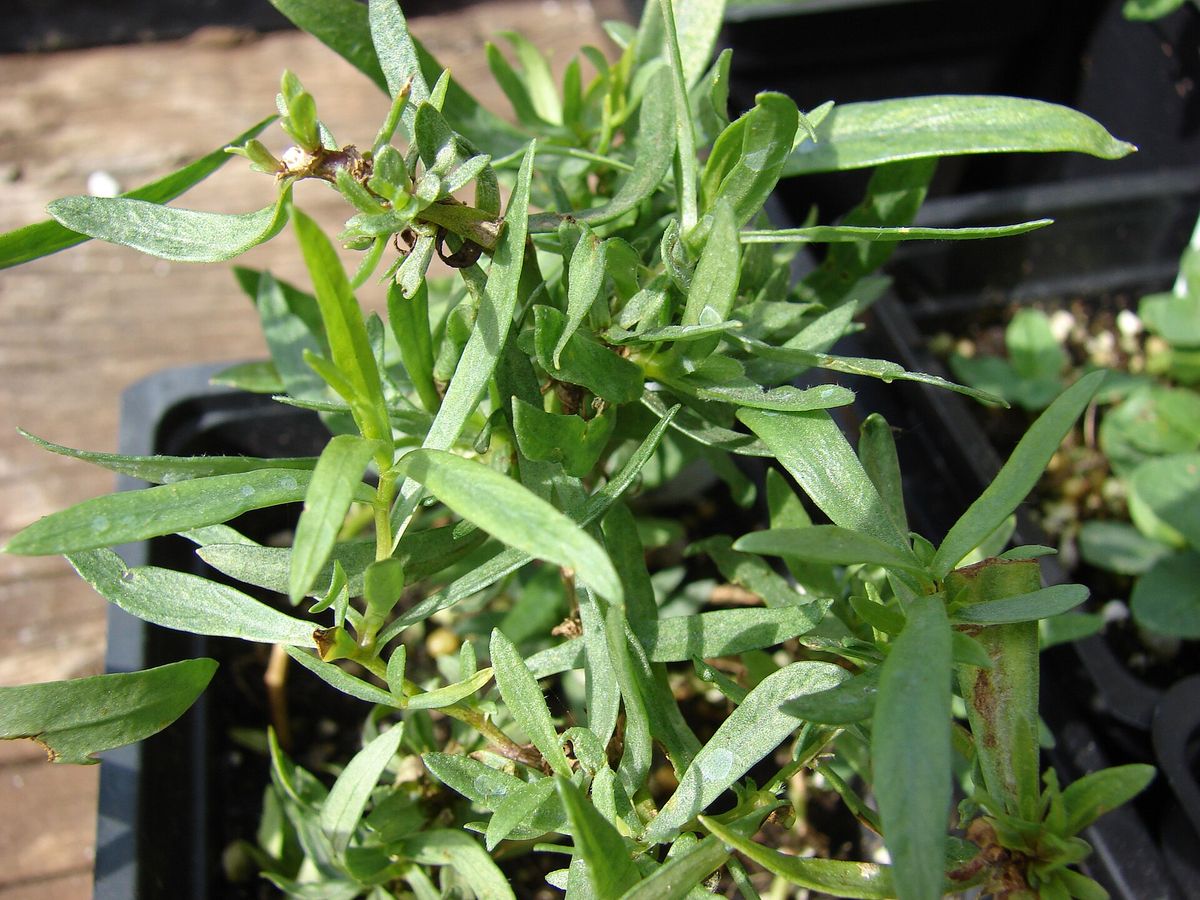
Sun
Full sun to part shade
Spacing
18-24 in
Days to harvest
60-90 days (perennial)
Hardiness
Zone 4a+
What growers actually recorded
Loading zone 7b results…
When to plant french tarragon
- Transplant out: ~2 weeks after last frost.
Companion plants for french tarragon
Plant with: Eggplant, Tomato.
Common pests & problems
Rarely bothered.
Feeding & fertilizer
N-P-K ratio: Balanced 5-5-5 with steady N
Organic options: Compost tea every 2 wks · Fish emulsion between cuttings · Aged manure in bed prep
When to feed: Light and steady. Lettuce wants constant slow N to stay tender and mild.
Watch for: Bitter greens = heat or under-water, not fertilizer.
N = nitrogen (leaves), P = phosphorus (roots and flowers), K = potassium (fruit and disease resistance). How to read a fertilizer label →
Grower's tip
Doesn't come true from seed; buy or divide root cuttings, and divide the clump every 3 years to keep it vigorous.
When to plant french tarragon in your zone
Free month-by-month sowing and transplanting lists, built from frost dates for your USDA (United States Department of Agriculture) hardiness zone.
Soil & water for french tarragon
Soil & pH
6.0-7.5
Well-drained, moderately fertile soil; avoid heavy, wet clay which encourages root rot in the crown.
Light compost at planting. Because French tarragon is propagated vegetatively, start from a nursery division or rooted cutting rather than seed.
Watering
1-1.5 in / week; more in heat
Morning overhead is fine; keep foliage dry by nightfall to prevent bottom rot.
Taste-test a leaf mid-morning. If it's bitter and the weather is hot, harvest before 7 AM and provide shade. If it's bitter and the weather is cool, the soil is too dry or too old for the plant.
Knowing when to harvest
- Snip leaves and stem tips through the growing season once established; flavor (a true anise-like sweetness) is strongest in the first flush of summer growth.
- Cut back after the first hard flush to encourage a tender second growth; avoid harvesting hard late in fall so the plant can store energy for winter dormancy.
Storing & keeping
Best preserved by freezing whole sprigs or infusing into vinegar or oil, since drying dulls French tarragon's delicate anise flavor more than it does with heartier herbs. Dried leaf keeps in a sealed jar for a few months but loses potency notably faster than rosemary or oregano.
What to expect
Per plant: Modest but steady cuttings through the season from an established, well-divided clump
Troubleshooting french tarragon
Cannot find seed to start French tarragon
Likely cause: French tarragon does not set viable seed; any 'tarragon seed' sold is Russian tarragon, a different, milder-flavored species
What to do: Buy a live plant, or start from a division or stem cutting from an existing French tarragon plant.
Clump weakens and flowers poorly or dies out after several years
Likely cause: Overcrowded roots is typical for this perennial after 3-4 years in the same spot
What to do: Divide the clump every 3 years in spring, replanting vigorous outer sections and discarding the woody center.
Plant fails to survive a wet winter
Likely cause: Waterlogged soil rotting the crown over winter dormancy
What to do: Ensure sharp drainage, and in heavy soils, grow in a raised bed or large container that can be kept drier over winter.
Varieties worth growing
French tarragon (Artemisia dracunculus var. sativa)
The culinary standard with true, strong anise-licorice flavor. Always propagated by division or cuttings, never grown true from seed.
Growing french tarragon in containers
Grows well in a 12+ in container with sharp drainage; containers also make it easier to control winter moisture, a common failure point for this species.
Nutrition
Vitamin K, folate, lutein. Most calories in the leaves come from water.
Common questions
Why can't I buy French tarragon seed anywhere?
French tarragon does not produce viable seed. Anything sold as tarragon seed is Russian tarragon, a related but distinctly milder-flavored species. Genuine French tarragon must be bought or propagated as a live plant, division, or cutting.
How do I make more plants from the one I have?
Divide an established clump in spring, or take stem cuttings and root them in a moist potting mix; both methods preserve the true French tarragon flavor, unlike seed.
Where these numbers come from
- USDA Plant Hardiness Zone Map (2023 revision). Zone assignment and the 30-year normals behind every cold-hardiness figure.
- NOAA NCEI 1991-2020 Climate Normals. Frost dates, growing-season length, and the probability bands on both.
- Cornell, UMN, and UC Davis Cooperative Extension crop guides. Spacing, days to maturity, soil pH targets, and per-plant yield ranges.
- USDA FSIS / FDA Produce Safety guidance. Wash, cure, and cold-storage handling numbers.
Ranges are regional guidance, not a promise for your yard. Your own logged results always override the published range.