
How to grow serviceberry (juneberry)
Family Rosaceae. Hardy to USDA hardiness zone 3a+ (U.S. Department of Agriculture). Full sun to part shade. Ready in 2-3 years to bearing (perennial shrub/tree).
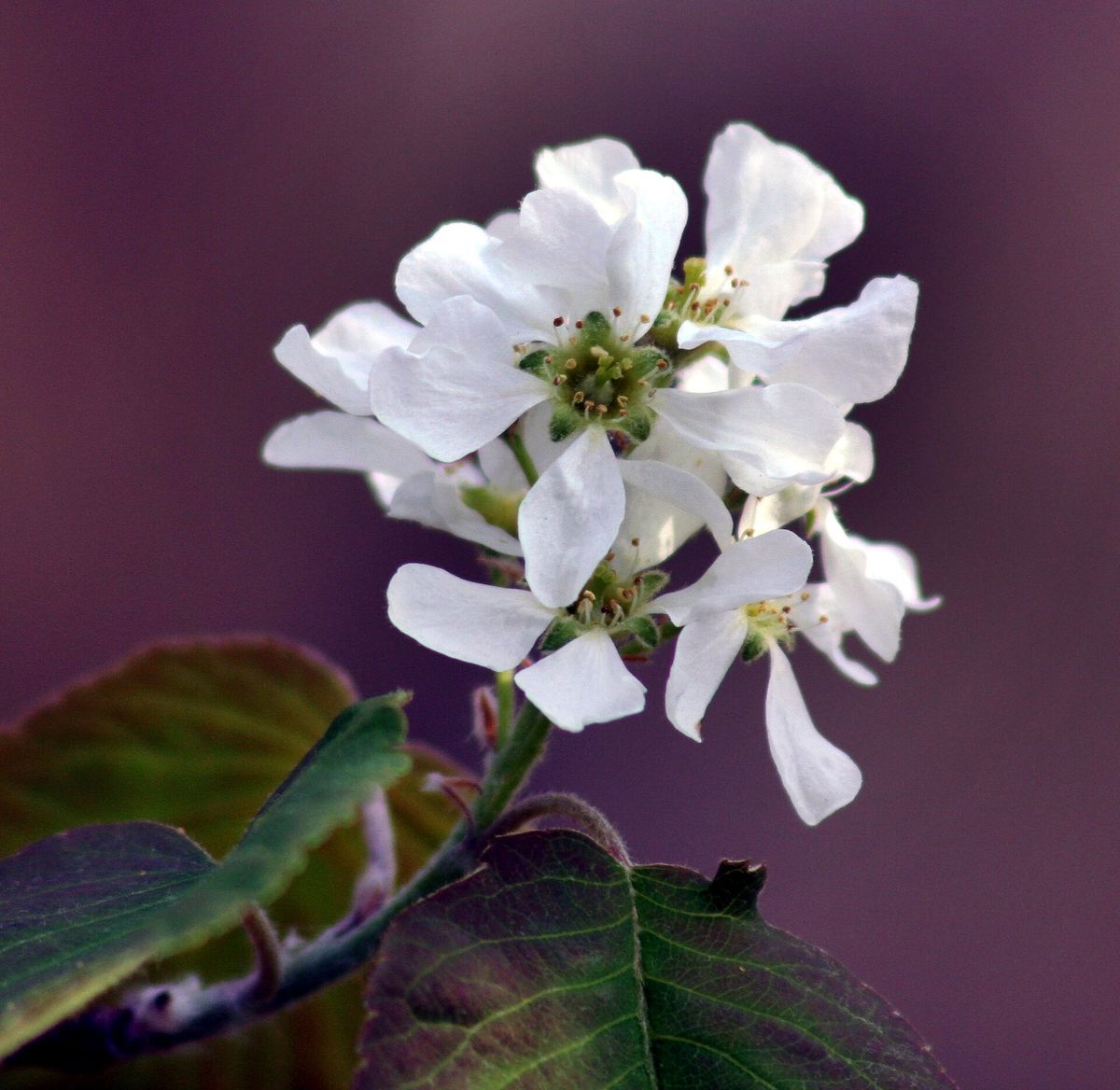
Sun
Full sun to part shade
Spacing
6-15 ft
Days to harvest
2-3 years to bearing (perennial shrub/tree)
Hardiness
Zone 3a+
What growers actually recorded
Loading zone 7b results…
When to plant serviceberry (juneberry)
- Transplant out: ~2 weeks after last frost.
Companion plants for serviceberry (juneberry)
Plant with: Blueberry, Elderberry.
Common pests & problems
Rarely serious; birds are the real competition at ripening.
Feeding & fertilizer
N-P-K ratio: Balanced 5-5-5, avoid fresh manure
Organic options: Compost mulch every spring · Blood meal + bone meal before flowering · Kelp meal after harvest
When to feed: Once in spring, once after fruiting. Renovate strawberry beds every 3 yrs.
Watch for: Runner overload but few berries = too much N.
N = nitrogen (leaves), P = phosphorus (roots and flowers), K = potassium (fruit and disease resistance). How to read a fertilizer label →
Grower's tip
Netting is close to mandatory: birds often strip a tree bare within a day or two of the berries ripening.
When to plant serviceberry (juneberry) in your zone
Free month-by-month sowing and transplanting lists, built from frost dates for your USDA (United States Department of Agriculture) hardiness zone.
Soil & water for serviceberry (juneberry)
Soil & pH
5.8-6.5 (berries lower; apples/pears 6.0-7.0)
Deep loam with sharp drainage. Berries dislike heavy clay and wet feet.
Compost mulch each spring. For strawberries, renovate the bed every 3 years to keep yields up.
Watering
1-1.5 in / week; 2 in during fruit swell
Drip. Overhead watering causes berry rot and apple scab.
Small, seedy fruit = drought during ripening. Steady water two weeks before harvest fixes it.
Knowing when to harvest
- Berries shift from red to deep purple-blue and taste sweet, not tart, when fully ripe.
- Ripens over several weeks; pick in successive passes rather than all at once.
- Birds compete heavily for this fruit; netting or early daily checks help secure a harvest.
Storing & keeping
Fridge 32-35°F for about a week. Freezes very well and holds flavor for a year; dries similarly to a blueberry-raisin hybrid.
What to expect
Per plant: 5-15 lb from a mature multi-stem shrub or small tree, bearing by year 2-3
Troubleshooting serviceberry (juneberry)
Orange gelatinous growths on twigs in spring, rust on leaves
Likely cause: Cedar-apple rust family disease shared with nearby juniper
What to do: Avoid planting near junipers, remove infected twigs promptly.
Fruit disappears before it can be picked
Likely cause: Birds strip the crop as soon as it colors
What to do: Net the plant or accept it as a dual-purpose wildlife and harvest shrub.
Varieties worth growing
Regent
Compact habit, heavy fruiting, popular for smaller yards.
Smoky
Vigorous, large sweet fruit, reliable across cold climates.
Growing serviceberry (juneberry) in containers
Viable in a 15-gallon pot for several years given its naturally modest size, though best long-term in-ground.
Nutrition
Vitamin C, anthocyanins, ellagic acid (berries); pectin and quercetin (pome fruit).
Common questions
Is serviceberry self-fertile?
Yes, a single plant produces fruit, though most named cultivars are grown for fruit quality and ornamental spring bloom together.
Where these numbers come from
- USDA Plant Hardiness Zone Map (2023 revision). Zone assignment and the 30-year normals behind every cold-hardiness figure.
- NOAA NCEI 1991-2020 Climate Normals. Frost dates, growing-season length, and the probability bands on both.
- Cornell, UMN, and UC Davis Cooperative Extension crop guides. Spacing, days to maturity, soil pH targets, and per-plant yield ranges.
- USDA FSIS / FDA Produce Safety guidance. Wash, cure, and cold-storage handling numbers.
Ranges are regional guidance, not a promise for your yard. Your own logged results always override the published range.