How to grow dill
Family Apiaceae. Hardy to USDA hardiness zone 3a+ (U.S. Department of Agriculture). Full sun. Ready in 40-60 days.
Sun
Full sun
Spacing
10-12 in
Days to harvest
40-60 days
Hardiness
Zone 3a+
What growers actually recorded
Loading zone 7b results…
When to plant dill
- Direct sow: ~0 weeks after last frost.
Companion plants for dill
Plant with: Cabbage, Cucumber, Lettuce, Onion.
Avoid near: Carrot, Tomato.
Common pests & problems
Attracts beneficial wasps: a garden ally.
Feeding & fertilizer
N-P-K ratio: Low N, higher P (3-6-6)
Organic options: Compost only in bed prep · Bone meal at sowing · Skip nitrogen top-dress
When to feed: Feed the bed, not the plant. Carrots/parsnips fork or hair-root with fresh manure.
Watch for: Forked roots = too much N or fresh manure; use only well-aged compost.
N = nitrogen (leaves), P = phosphorus (roots and flowers), K = potassium (fruit and disease resistance). How to read a fertilizer label →
Grower's tip
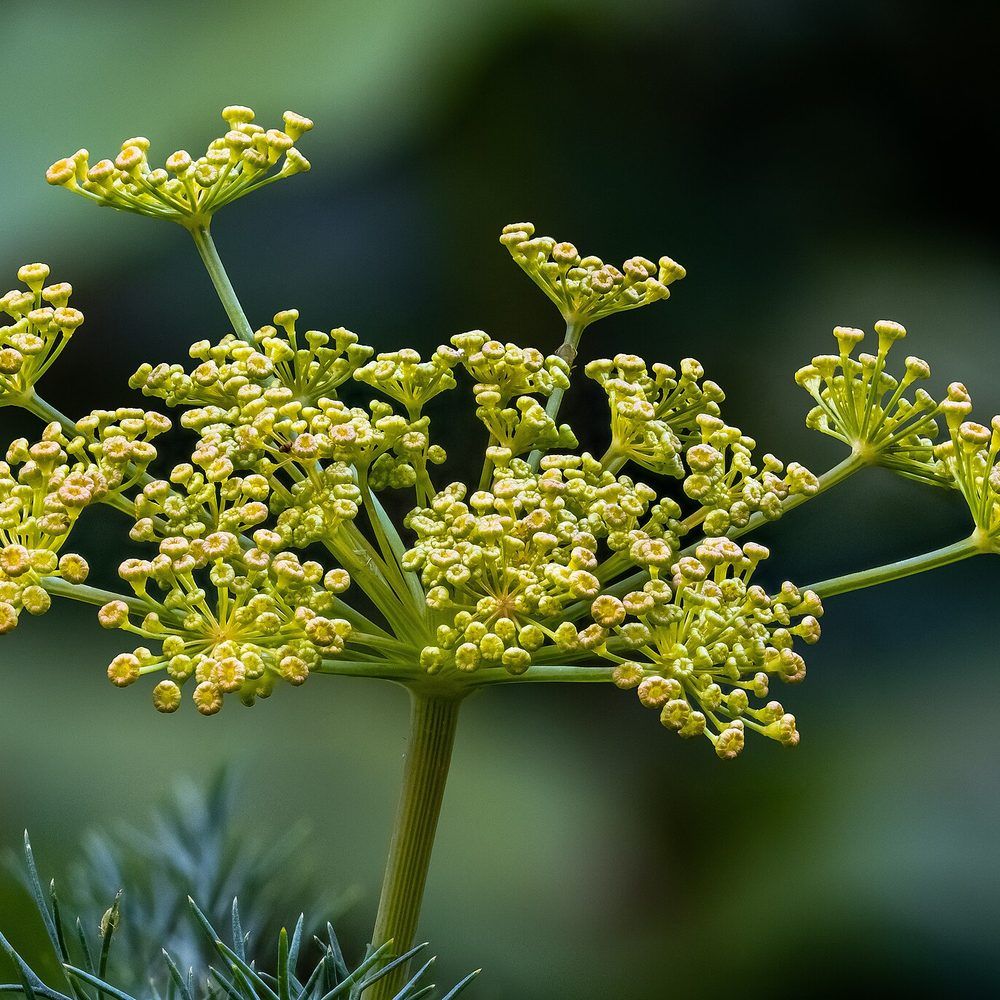
Let a few plants flower. Dill flowers are pollinator magnets and self-sow reliably.
When to plant dill in your zone
Free month-by-month sowing and transplanting lists, built from frost dates for your USDA (United States Department of Agriculture) hardiness zone.
Soil & water for dill
Soil & pH
6.0-6.8
Deep, stone-free, sandy loam. One rock or fresh manure lump = one forked carrot.
Fork the bed 12 in deep. Only well-finished compost, never fresh manure or high N (causes hairy roots).
Watering
1 in / week; keep the top 1 in moist for the first 14 days
Fine sprinkle until germination, then deep drip. A burlap or board cover for the first 10 days keeps seed from drying out.
Carrots and parsnips crack when a dry spell is followed by a big soak. Keep the top 2 inches of soil just slightly damp for the whole season, not bone-dry then flooded.
Knowing when to harvest
- Cut fronds anytime; the plant compensates.
- For pickling: harvest full flower heads just as seeds form (green umbels).
- For coriander/dill seed: let heads dry brown on the plant.
Storing & keeping
Fronds in water on the counter. 1 week. Freeze chopped; the dried herb loses flavor fast.
What to expect
Per plant: 0.25 lb fronds + a seed head
Troubleshooting dill
Falls over in wind
Likely cause: Weak stem, high growth
What to do: Stake early; plant in a block for mutual support.
Plants flower and set seed after only a few weeks of leaf
Likely cause: Heat and long days push dill into flower quickly
What to do: Sow every 2-3 weeks for a steady leaf supply, and grow leaf-type cultivars rather than seed types when foliage is the goal.
Striped caterpillars stripping the foliage
Likely cause: Black swallowtail larvae, which feed on Apiaceae
What to do: This is normally worth tolerating: the larvae become pollinators. Plant an extra row as a host and move larvae there rather than spraying.
Varieties worth growing
Bouquet
Standard pickling dill.
Fernleaf (dwarf)
18 in tall; container-friendly.
Mammoth
Big seed heads for canning.
Growing dill in containers
12 in deep pot for dwarf varieties.
Nutrition
Beta-carotene, vitamin K, luteolin (parsley). A nutrient bargain per square foot.
Common questions
Dill and carrots don't mix. Why?
They cross-pollinate (both Apiaceae) and stress each other. Also share carrot rust fly. Grow apart.
Where these numbers come from
- USDA Plant Hardiness Zone Map (2023 revision). Zone assignment and the 30-year normals behind every cold-hardiness figure.
- NOAA NCEI 1991-2020 Climate Normals. Frost dates, growing-season length, and the probability bands on both.
- Cornell, UMN, and UC Davis Cooperative Extension crop guides. Spacing, days to maturity, soil pH targets, and per-plant yield ranges.
- USDA FSIS / FDA Produce Safety guidance. Wash, cure, and cold-storage handling numbers.
Ranges are regional guidance, not a promise for your yard. Your own logged results always override the published range.