
How to grow leek
Family Alliaceae. Hardy to USDA hardiness zone 3a+ (U.S. Department of Agriculture). Full sun. Ready in 100-120 days.
Sun
Full sun
Spacing
6 in, rows 12 in
Days to harvest
100-120 days
Hardiness
Zone 3a+
What growers actually recorded
Loading zone 7b results…
When to plant leek
- Start indoors: ~10 weeks before last frost.
- Transplant out: ~-2 weeks after last frost.
Companion plants for leek
Plant with: Carrot, Beet, Celery, Cabbage.
Avoid near: Bean, Pea.
Common pests & problems
Leek moth, onion thrips, allium leaf miner.
Feeding & fertilizer
N-P-K ratio: Moderate N + high P (5-10-10)
Organic options: Compost + bone meal at planting · Fish emulsion monthly through spring · Stop feeding once bulbs start swelling
When to feed: Feed spring, stop feeding when tops start to fall over: feeding late = rot in storage.
Watch for: Thick necks = too much N; onions won't cure properly.
N = nitrogen (leaves), P = phosphorus (roots and flowers), K = potassium (fruit and disease resistance). How to read a fertilizer label →
Grower's tip
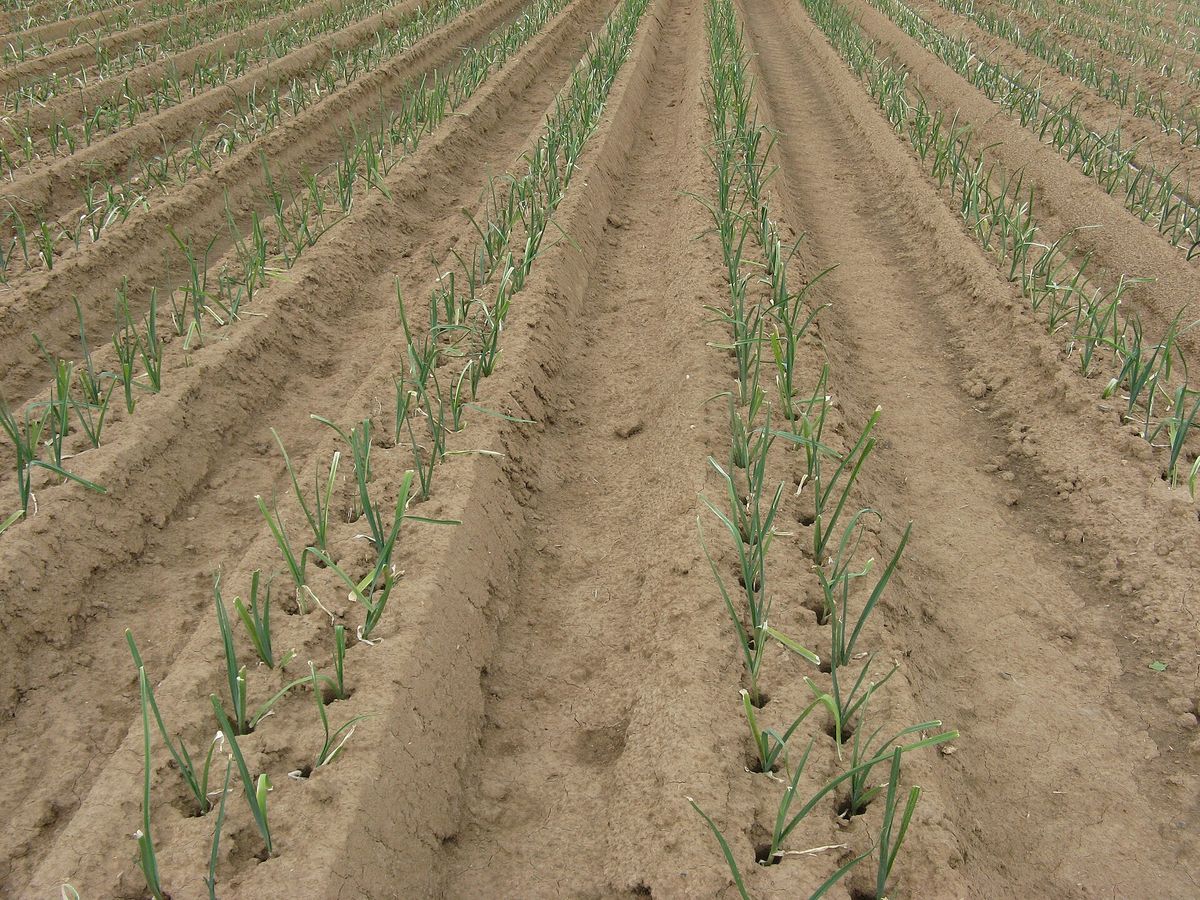
Plant seedlings deep in a 6 in trench and hill soil up the stem twice during the season. That buried length is the tender white shaft you're growing for.
When to plant leek in your zone
Free month-by-month sowing and transplanting lists, built from frost dates for your USDA (United States Department of Agriculture) hardiness zone.
Soil & water for leek
Soil & pH
6.0-6.8
Deep, loose, fertile loam. Leeks are heavy feeders and need loose soil to allow the long white shank to develop straight.
Trench planting works best: dig a 6-8 in trench, set transplants at the bottom, and backfill gradually as they grow rather than burying them fully at transplant.
Watering
1-1.5 in / week, steady all season
Drip along the trench or row. Leeks have a shallow root system despite their size and dry out faster than the plant's bulk suggests.
Check soil 2-3 in down; leeks show stress (thin, papery shanks) well after the drought has already done the damage, so water proactively rather than reactively.
Knowing when to harvest
- Shank reaches at least 1 in diameter, typically 90-120 days from transplant depending on variety.
- White portion (the blanched shank) should be several inches long if hilling was done through the season.
- Loosen with a fork before pulling; leeks resist a straight pull more than they look like they should.
- Cold-hardy varieties can be left in the ground and harvested through winter in many climates, improving in sweetness after frost.
Storing & keeping
Trim roots and most of the green top, refrigerate at 32-35°F wrapped loosely for 1-3 months, or leave in the garden under mulch through winter where hardy. Freeze sliced and blanched for cooked dishes.
What to expect
Per plant: 1 leek, typically 0.5-1 lb
Per sq ft: 4-6 plants per sq ft
Troubleshooting leek
Short white shank, mostly green
Likely cause: Not enough soil hilled up around the stem through the season
What to do: Hill soil or mulch 1-2 in up the stem every few weeks starting when plants are pencil-thick; blanching comes from progressive hilling, not from deep planting alone.
Thin, pencil-sized leeks at harvest
Likely cause: Started too late for the variety's long season, or crowded spacing
What to do: Start seed indoors 8-10 weeks before transplant and space at least 6 in apart in rows.
Rust-colored spots on leaves
Likely cause: Leek rust, a fungal disease favored by humid weather and dense planting
What to do: Improve air circulation with wider spacing, avoid overhead watering, and remove badly affected leaves.
Varieties worth growing
King Richard
Fast-maturing summer leek with a long, thin shank; good for gardeners who want an early crop.
American Flag
A reliable, widely adapted standard for main-season harvest.
Bandit
Very cold-hardy; bred to overwinter in the ground for late fall through spring harvest.
Growing leek in containers
12-15 in deep container, one plant per gallon of soil at minimum; hilling is harder in a pot, so wrapping the base in cardboard collars is a practical substitute for soil hilling.
Nutrition
Allicin, quercetin, sulfur compounds. Cardiovascular and antimicrobial benefits.
Common questions
Do I need to bury leeks deep at planting to get a long white shank?
Not primarily. Trench planting gives a head start, but most of the blanched length comes from hilling soil up around the stem gradually as it grows, not from initial planting depth alone.
Can leeks survive winter in the ground?
Many cold-hardy varieties can, especially under mulch, in zones 5-6 and warmer; they are one of the more frost-tolerant alliums and often taste better after cold exposure.
Where these numbers come from
- USDA Plant Hardiness Zone Map (2023 revision). Zone assignment and the 30-year normals behind every cold-hardiness figure.
- NOAA NCEI 1991-2020 Climate Normals. Frost dates, growing-season length, and the probability bands on both.
- Cornell, UMN, and UC Davis Cooperative Extension crop guides. Spacing, days to maturity, soil pH targets, and per-plant yield ranges.
- USDA FSIS / FDA Produce Safety guidance. Wash, cure, and cold-storage handling numbers.
Ranges are regional guidance, not a promise for your yard. Your own logged results always override the published range.