How to grow anise hyssop
Family Lamiaceae. Hardy to USDA hardiness zone 4a+ (U.S. Department of Agriculture). Full sun to part shade. Ready in 90 days (perennial).
Sun
Full sun to part shade
Spacing
12-18 in
Days to harvest
90 days (perennial)
Hardiness
Zone 4a+
What growers actually recorded
Loading zone 7b results…
When to plant anise hyssop
- Start indoors: ~8 weeks before last frost.
- Transplant out: ~2 weeks after last frost.
Companion plants for anise hyssop
Plant with: Squash, Bean.
Common pests & problems
Rarely bothered.
Feeding & fertilizer
N-P-K ratio: Low fertilizer: herbs go bland when overfed
Organic options: Compost once at planting · Weak fish emulsion once mid-season if pale · Nothing after that
When to feed: Feed lightly if at all. Mediterranean herbs (rosemary, thyme, oregano) thrive in lean soil.
Watch for: Fast, floppy, weak-flavored growth = too rich.
N = nitrogen (leaves), P = phosphorus (roots and flowers), K = potassium (fruit and disease resistance). How to read a fertilizer label →
Grower's tip
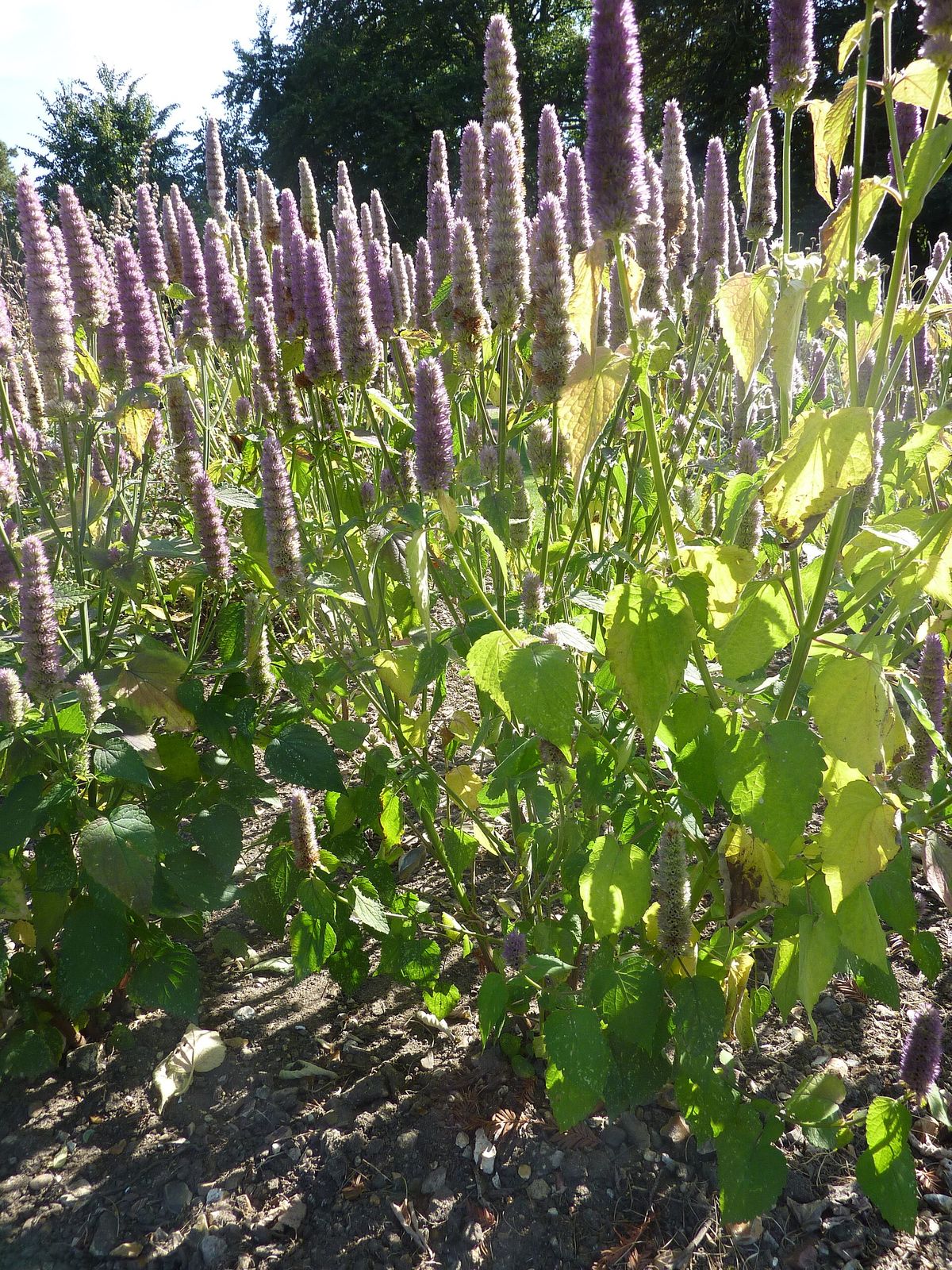
Deadhead spent spikes to extend bloom all summer; bees and hummingbirds favor it over almost anything else nearby.
When to plant anise hyssop in your zone
Free month-by-month sowing and transplanting lists, built from frost dates for your USDA (United States Department of Agriculture) hardiness zone.
Soil & water for anise hyssop
Soil & pH
6.0-7.5
Well-drained, on the lean side. Mediterranean herbs rot in rich wet soil.
Compost once at planting, then leave the bed alone. Add grit or perlite for rosemary and thyme.
Watering
0.5-1 in / week
Base watering; anise hyssop is drought-tolerant once established and prefers not to sit in wet soil.
Let the topsoil dry between waterings; overly wet soil is more likely to cause problems than dry spells.
Knowing when to harvest
- Harvest leaves any time after the plant is established; flavor is best before flowering.
- Cut flower spikes for tea or garnish once most florets on the spike are open; spikes also dry well for arrangements.
Storing & keeping
Air-dry bundled stems (leaf and flower) in a dark, airy spot; store dried material in a sealed jar out of light for up to a year for tea use.
What to expect
Per plant: Multiple cuttings of leaf and flower spikes over a season from an established clump
Troubleshooting anise hyssop
Volunteer seedlings spread through nearby beds
Likely cause: Anise hyssop self-sows readily once flowers go to seed and is a strong pollinator attractant, which increases seed set
What to do: Deadhead spent flower spikes before seed drops if self-seeding is unwanted, or let it naturalize in an area where volunteers are welcome.
Powdery mildew on leaves late in the season
Likely cause: Humid weather and crowded planting
What to do: Space for airflow and water at the base rather than overhead.
Varieties worth growing
Common anise hyssop (Agastache foeniculum, seed-grown standard)
The species most often grown for culinary anise-licorice flavored leaf and tea, and strongly attractive to pollinators.
Growing anise hyssop in containers
Grows well in a container, though it reaches 2-4 ft and benefits from a larger (12+ in) pot for stability.
Nutrition
Volatile oils that hold up after drying: rosmarinic acid in rosemary, thymol in thyme, menthol in mint, eugenol in basil and oregano. That's why a pinch of dried herb often tastes stronger than a handful of fresh. The oils are concentrated once the water leaves.
Common questions
Will anise hyssop take over my garden?
It self-sows generously, especially since its flowers are highly attractive to bees and other pollinators that help set abundant seed. Deadhead before seed drops if that spread isn't wanted.
Is anise hyssop related to true hyssop?
No, despite the name. Anise hyssop is in the genus Agastache, a mint-family relative valued for its anise-scented foliage, while true hyssop (Hyssopus) is a different, more bitter-flavored herb.
Where these numbers come from
- USDA Plant Hardiness Zone Map (2023 revision). Zone assignment and the 30-year normals behind every cold-hardiness figure.
- NOAA NCEI 1991-2020 Climate Normals. Frost dates, growing-season length, and the probability bands on both.
- Cornell, UMN, and UC Davis Cooperative Extension crop guides. Spacing, days to maturity, soil pH targets, and per-plant yield ranges.
- USDA FSIS / FDA Produce Safety guidance. Wash, cure, and cold-storage handling numbers.
Ranges are regional guidance, not a promise for your yard. Your own logged results always override the published range.