
How to grow cucamelon
Family Cucurbitaceae. Hardy to USDA hardiness zone 4a+ (U.S. Department of Agriculture). Full sun. Ready in 60-75 days.
Sun
Full sun
Spacing
12 in on a trellis
Days to harvest
60-75 days
Hardiness
Zone 4a+
What growers actually recorded
Loading zone 7b results…
When to plant cucamelon
- Start indoors: ~6 weeks before last frost.
- Transplant out: ~2 weeks after last frost.
Companion plants for cucamelon
Plant with: Bean, Radish.
Avoid near: Potato.
Common pests & problems
Rarely bothered; notably pest-resistant compared to cucumber.
Feeding & fertilizer
N-P-K ratio: Balanced 5-5-5, ease off N at flowering
Organic options: Compost + aged manure in the hill · Fish emulsion until first blossom · Kelp meal + wood ash at flowering
When to feed: Big feed at transplant, side-dress once vines run, potassium boost at flowering.
Watch for: Female flowers dropping = pollination issue, not fertilizer.
N = nitrogen (leaves), P = phosphorus (roots and flowers), K = potassium (fruit and disease resistance). How to read a fertilizer label →
Grower's tip
Grows from a small tuberous root that overwinters indoors in pots north of zone 7; pick fruit at grape size for the best crunch.
When to plant cucamelon in your zone
Free month-by-month sowing and transplanting lists, built from frost dates for your USDA (United States Department of Agriculture) hardiness zone.
Soil & water for cucamelon
Soil & pH
6.0-6.8
Warm, well-drained soil enriched with compost. Cool wet soil = damping-off in seedlings.
Build a low mound (hill) 12-18 in wide, mix in a shovel of compost per hill. Wait until soil hits 65°F to plant.
Watering
1-1.5 in / week
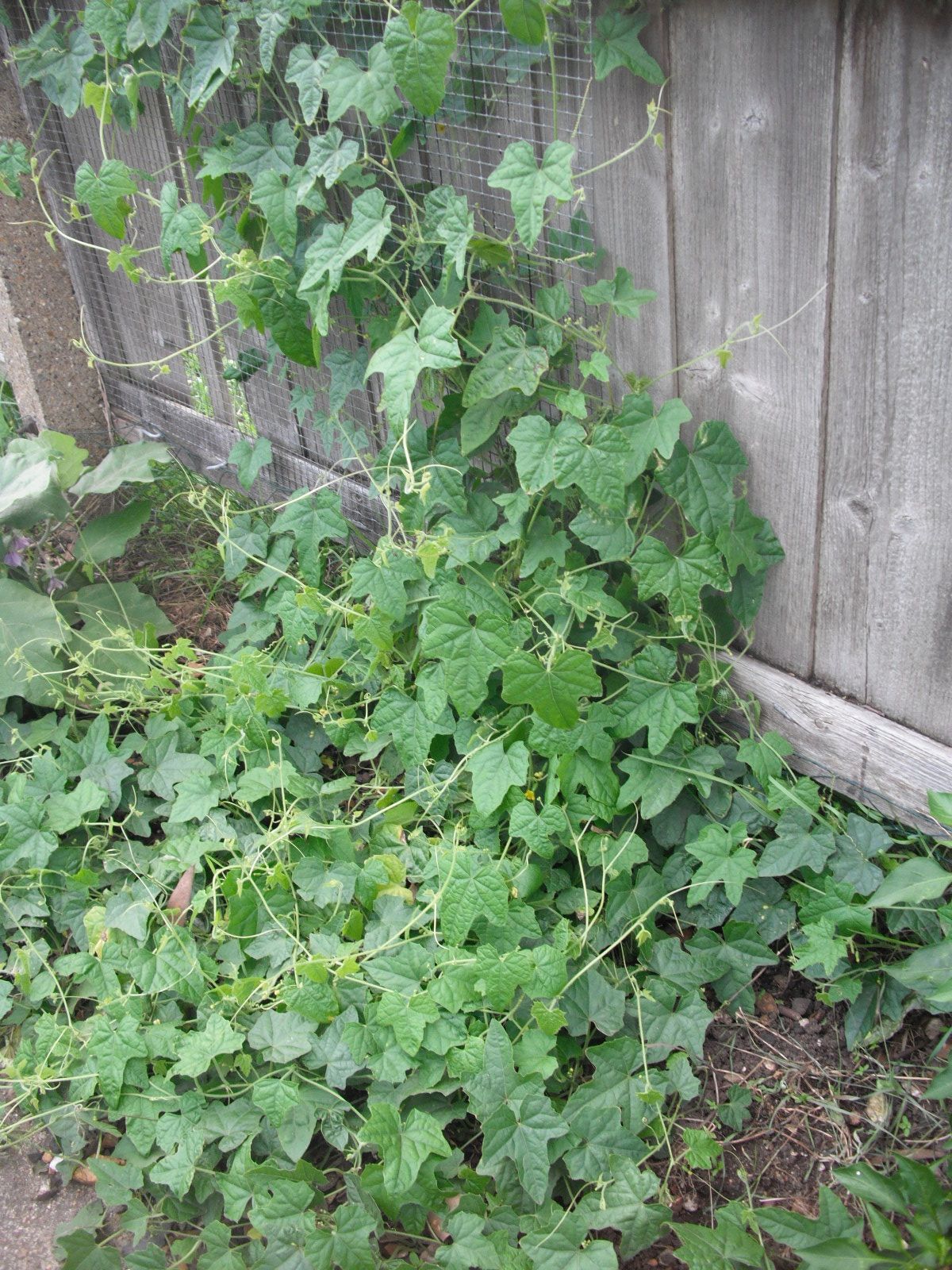
Deep soak at the base on a small trellis; cucamelon vines are thin but benefit from support to keep fruit clean.
The tuberous roots store some water, giving cucamelon more drought tolerance than true cucumbers, but consistent moisture still produces the best crop.
Knowing when to harvest
- Pick at grape size, about 1 in long, while still firm; oversized fruit turns mushy and overly sour.
- Fruit should be a uniform light green with faint watermelon-like striping.
- Fruit that has softened or yellowed has passed peak eating quality.
Storing & keeping
Fridge crisper in a perforated bag, 45-50°F, up to 1 week. Pickle in vinegar brine for months of shelf-stable storage; a traditional use given the crop's Mexican origin.
What to expect
Per plant: 60-100+ small fruit per vine over a long season
Troubleshooting cucamelon
Fruit tastes very sour or bitter
Likely cause: Left on the vine too long past grape size
What to do: Harvest small and often; sourness increases sharply as the fruit enlarges.
Vine dies back in fall but returns next year
Likely cause: Cucamelon forms an edible tuberous root that can overwinter in mild climates
What to do: In zone 7 and warmer, mulch heavily and the tuber may resprout; elsewhere, dig and store the tuber like a dahlia, or simply replant from seed.
Varieties worth growing
Mexican Sour Gherkin (the common trade name)
The only widely available seed strain; there is little named-cultivar differentiation in this crop.
Growing cucamelon in containers
10-gallon pot with a small trellis works well; the vine is compact compared to cucumbers and suits patio growing.
Nutrition
Beta-carotene (winter squash), silica, vitamin K, hydration mineral profile.
Common questions
Is this a cucumber or a melon?
Neither, exactly: it's a distinct species (Melothria scabra) that tastes like a sour cucumber, despite the watermelon-like appearance.
Can I save the tuber over winter?
Yes in mild climates it can overwinter in the ground with mulch; in cold zones, dig it up before frost and store like a dahlia tuber in barely damp peat at 45-50°F.
Where these numbers come from
- USDA Plant Hardiness Zone Map (2023 revision). Zone assignment and the 30-year normals behind every cold-hardiness figure.
- NOAA NCEI 1991-2020 Climate Normals. Frost dates, growing-season length, and the probability bands on both.
- Cornell, UMN, and UC Davis Cooperative Extension crop guides. Spacing, days to maturity, soil pH targets, and per-plant yield ranges.
- USDA FSIS / FDA Produce Safety guidance. Wash, cure, and cold-storage handling numbers.
Ranges are regional guidance, not a promise for your yard. Your own logged results always override the published range.