
How to grow mustard greens
Family Brassicaceae. Hardy to USDA hardiness zone 3a+ (U.S. Department of Agriculture). Full sun to part shade. Ready in 30-50 days.
Sun
Full sun to part shade
Spacing
6-10 in
Days to harvest
30-50 days
Hardiness
Zone 3a+
What growers actually recorded
Loading zone 7b results…
When to plant mustard greens
- Direct sow: ~-4 weeks after last frost.
Companion plants for mustard greens
Plant with: Onion, Radish, Dill.
Avoid near: Other brassicas crowded together.
Common pests & problems
Flea beetle, cabbage worm, aphid.
Feeding & fertilizer
N-P-K ratio: High N (10-5-5): heavy feeders
Organic options: Aged manure or compost worked in deep · Blood meal or feather meal side-dress at 3 wks · Fish emulsion every 2 wks
When to feed: Feed heavily every 2-3 weeks. Brassicas want steady nitrogen for tight heads.
Watch for: Pale/yellow leaves = needs N. Loose heads = feed harder next round.
N = nitrogen (leaves), P = phosphorus (roots and flowers), K = potassium (fruit and disease resistance). How to read a fertilizer label →
Grower's tip
Baby leaves at 3 in are mild; let them go to 8 in and the flavor turns sharply peppery.
When to plant mustard greens in your zone
Free month-by-month sowing and transplanting lists, built from frost dates for your USDA (United States Department of Agriculture) hardiness zone.
Soil & water for mustard greens
Soil & pH
6.5-7.5: near neutral (raises club-root resistance)
Fertile loam with strong drainage. Firm soil beats fluffy for heading brassicas.
Compost 2 in + 1 cup of alfalfa or feather meal per 10 sq ft. Lime if pH is under 6.5. It also blocks club-root.
Watering
1-1.5 in / week, consistent
Ground-level drip. Uneven water during heading = split heads or bolting.
Lift an edge of the row and check soil at 3 inches. If it clings in a damp ball, hold off. If it crumbles, water until the top 6 inches are evenly moist.
Knowing when to harvest
- Outer leaves 6-8 in long, still tender; older leaves turn tough and sharply pungent.
- Cut-and-come-again from the outside in, leaving the crown to keep producing.
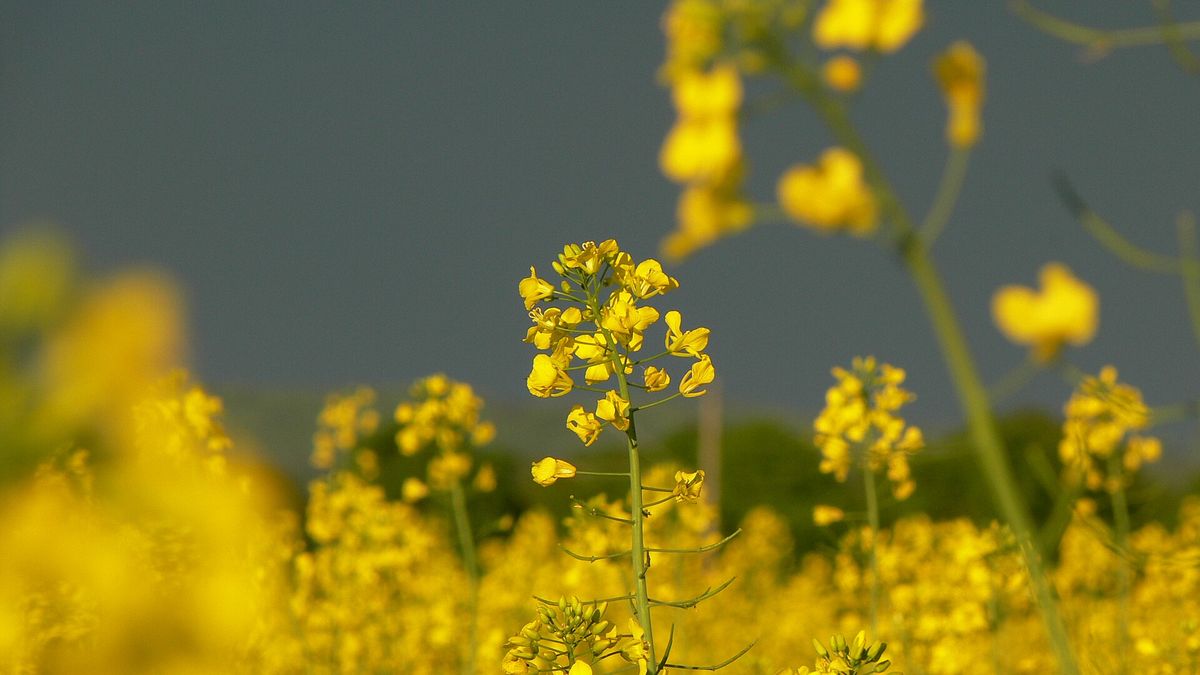
- Harvest before flowering for the mildest flavor; flower buds are edible too but signal leaves toughening.
Storing & keeping
Refrigerate unwashed in a perforated bag at 32-40°F for about a week. Blanch and freeze for longer storage, common in Southern cooking traditions.
What to expect
Per plant: 0.5-1 lb over repeated cutting
Per sq ft: 0.5 lb per sq ft per cutting
Troubleshooting mustard greens
Leaves too hot and pungent to enjoy raw
Likely cause: Maturity or heat stress concentrating mustard oils
What to do: Harvest young leaves for salad use and reserve older, spicier leaves for cooking, which mellows the heat.
Shot-holes from flea beetles
Likely cause: Flea beetles, especially on seedlings
What to do: Row cover from sowing.
Varieties worth growing
Southern Giant Curled
Classic frilly-leaf variety for cooking greens, slow to bolt.
Red Giant
Purple-red leaves with a sharper bite, popular in mesclun mixes.
Tendergreen (mustard spinach)
Milder-flavored, faster-growing type good for salads.
Growing mustard greens in containers
8 in deep pot; grows well in containers with regular harvesting to keep leaves tender.
Nutrition
Sulforaphane, glucosinolates, vitamin K, calcium. Brassicas are the vegetable powerhouse.
Common questions
Why do my mustard greens taste bitter after cooking?
Older, larger leaves and heat-stressed plants concentrate more pungent compounds; younger leaves and a quick blanch before sauteing reduce the bitterness.
Can mustard greens cross-pollinate with other brassicas?
Yes, if allowed to flower and set seed near other Brassica juncea or related crops, so isolate plantings if saving seed.
Where these numbers come from
- USDA Plant Hardiness Zone Map (2023 revision). Zone assignment and the 30-year normals behind every cold-hardiness figure.
- NOAA NCEI 1991-2020 Climate Normals. Frost dates, growing-season length, and the probability bands on both.
- Cornell, UMN, and UC Davis Cooperative Extension crop guides. Spacing, days to maturity, soil pH targets, and per-plant yield ranges.
- USDA FSIS / FDA Produce Safety guidance. Wash, cure, and cold-storage handling numbers.
Ranges are regional guidance, not a promise for your yard. Your own logged results always override the published range.