
How to grow sunflower (seed)
Family Asteraceae. Hardy to USDA hardiness zone 3a+ (U.S. Department of Agriculture). Full sun. Ready in 80-120 days.
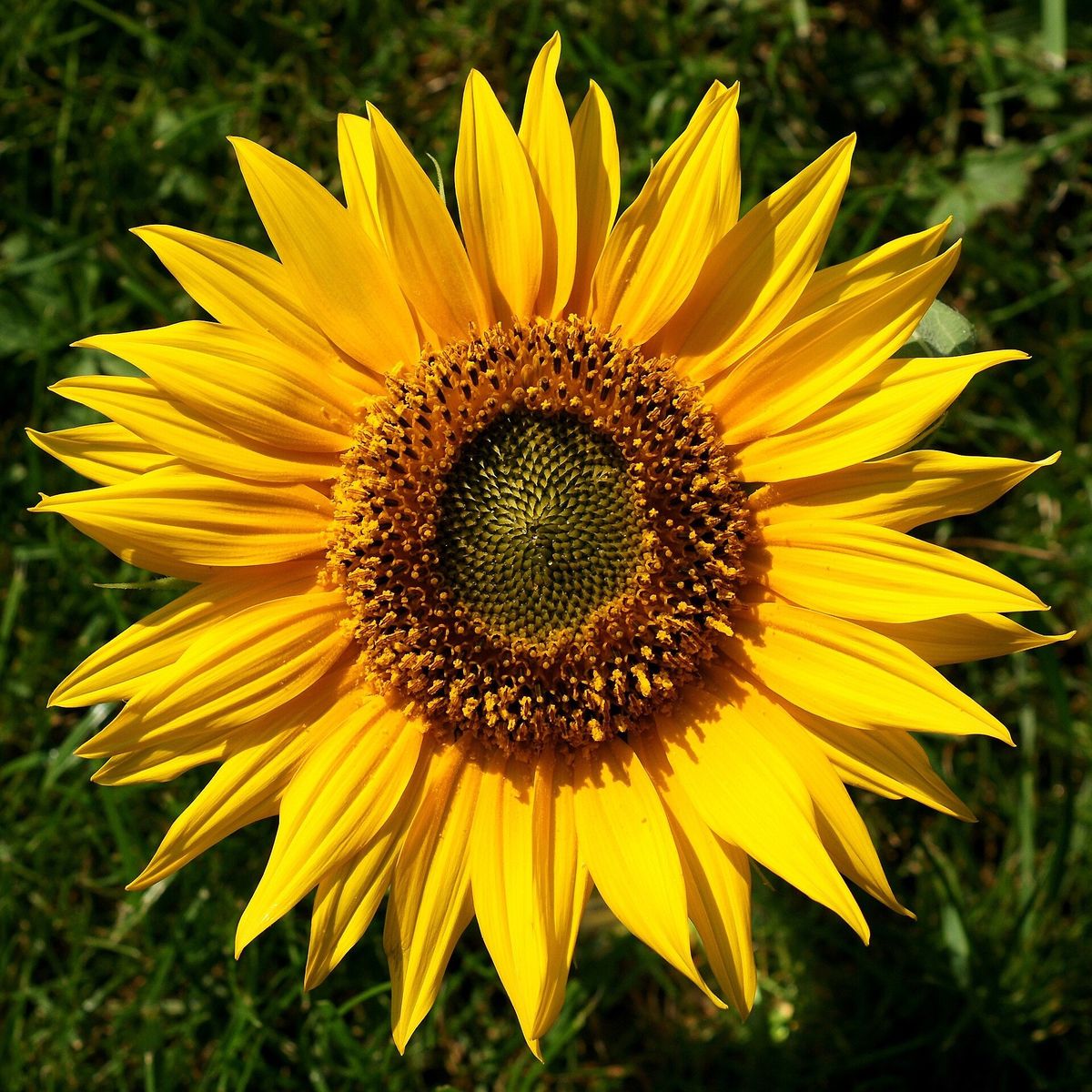
Sun
Full sun
Spacing
12-24 in
Days to harvest
80-120 days
Hardiness
Zone 3a+
What growers actually recorded
Loading zone 7b results…
When to plant sunflower (seed)
- Direct sow: ~1 weeks after last frost.
Companion plants for sunflower (seed)
Plant with: Cucumber, Corn, Bean.
Avoid near: Potato.
Common pests & problems
Birds and squirrels at the seed head; sunflower moth larvae in the florets.
Feeding & fertilizer
N-P-K ratio: Balanced 5-5-5 with steady N
Organic options: Compost tea every 2 wks · Fish emulsion between cuttings · Aged manure in bed prep
When to feed: Light and steady. Lettuce wants constant slow N to stay tender and mild.
Watch for: Bitter greens = heat or under-water, not fertilizer.
N = nitrogen (leaves), P = phosphorus (roots and flowers), K = potassium (fruit and disease resistance). How to read a fertilizer label →
Grower's tip
Bag the ripening head in cheesecloth or row cover once petals drop, or birds will strip it before you get a single seed.
When to plant sunflower (seed) in your zone
Free month-by-month sowing and transplanting lists, built from frost dates for your USDA (United States Department of Agriculture) hardiness zone.
Soil & water for sunflower (seed)
Soil & pH
6.0-7.5
Tolerant of a wide range of soils but performs best in fertile, well-drained loam. A deep taproot makes established plants fairly drought-tolerant.
Compost lightly at planting; avoid excess nitrogen, which produces lush foliage at the expense of seed head size.
Watering
1-1.5 in / week; more in heat
Morning overhead is fine; keep foliage dry by nightfall to prevent bottom rot.
Taste-test a leaf mid-morning. If it's bitter and the weather is hot, harvest before 7 AM and provide shade. If it's bitter and the weather is cool, the soil is too dry or too old for the plant.
Knowing when to harvest
- Back of the flower head turns from green to yellow-brown and petals dry and fall.
- Seeds are plump and striped (for striped varieties) with the head beginning to droop under its own weight.
- Cover heads with cheesecloth or a paper bag before full ripeness if birds are a problem; they often strip seed before the gardener gets to it.
Storing & keeping
Cut heads with 12 in of stem, hang or lay flat to finish drying in a warm, airy, rodent-proof spot for 2-3 weeks, then rub seeds free and store dry, airtight, for up to a year.
What to expect
Per plant: 0.5-1.5 lb of seed per large single-head variety
Troubleshooting sunflower (seed)
Head droops and rots before seed matures
Likely cause: Excess moisture on a maturing head, especially in humid climates
What to do: Ensure good airflow and consider bagging the head loosely once it begins to dry to keep rain off while still allowing air circulation.
Birds strip seed before harvest
Likely cause: Ripening seed heads are highly attractive to birds
What to do: Cover the head with cheesecloth or a paper bag once petals begin dropping, secured loosely enough to allow airflow.
Weak, spindly stalks that fall over
Likely cause: Overcrowding or excess nitrogen producing rapid, weak growth
What to do: Thin to proper spacing per variety (often 1-2 ft for large varieties) and avoid heavy nitrogen feeding.
Varieties worth growing
Mammoth Grey Stripe
The classic tall, large-headed variety grown specifically for a heavy seed harvest.
Hopi Black Dye
Multi-branching with smaller heads, traditionally used for dye as well as seed.
Autumn Beauty
Multi-branching ornamental type with a lighter but still usable seed set.
Growing sunflower (seed) in containers
Large half-barrel or 15-gallon pot minimum for tall single-head varieties, given a mature height of 6-10 ft and a substantial taproot; branching, shorter varieties do better in containers overall.
Nutrition
Vitamin K, folate, lutein. Most calories in the leaves come from water.
Common questions
Why did my sunflower produce a huge head but almost no filled seeds?
Often poor pollination; sunflowers benefit from pollinator activity, and isolated single plants or heavy pesticide use nearby can leave many florets unfertilized, producing hollow seed hulls.
Where these numbers come from
- USDA Plant Hardiness Zone Map (2023 revision). Zone assignment and the 30-year normals behind every cold-hardiness figure.
- NOAA NCEI 1991-2020 Climate Normals. Frost dates, growing-season length, and the probability bands on both.
- Cornell, UMN, and UC Davis Cooperative Extension crop guides. Spacing, days to maturity, soil pH targets, and per-plant yield ranges.
- USDA FSIS / FDA Produce Safety guidance. Wash, cure, and cold-storage handling numbers.
Ranges are regional guidance, not a promise for your yard. Your own logged results always override the published range.