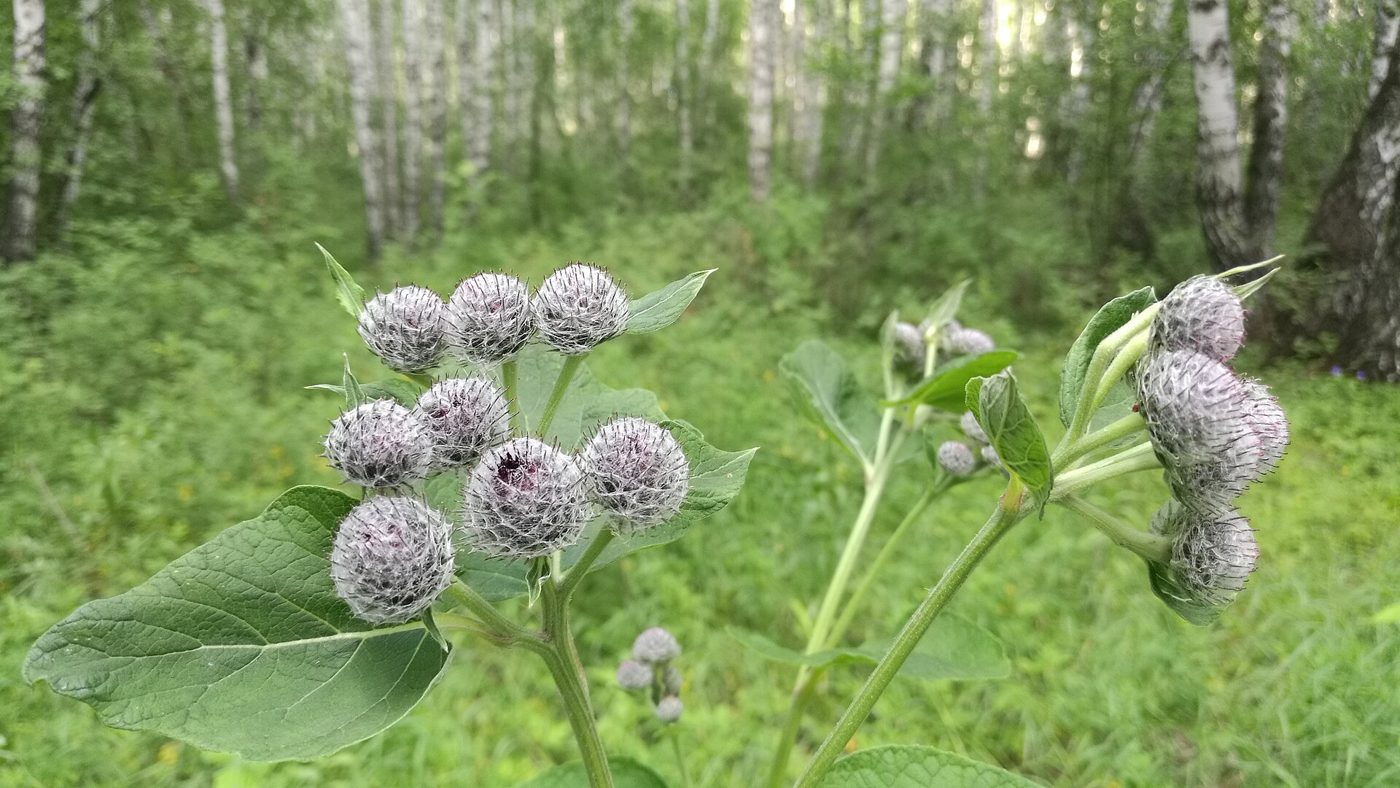
How to grow burdock (gobo)
Family Asteraceae. Hardy to USDA hardiness zone 3a+ (U.S. Department of Agriculture). Full sun to part shade. Ready in 100-120 days.
Sun
Full sun to part shade
Spacing
8-12 in
Days to harvest
100-120 days
Hardiness
Zone 3a+
What growers actually recorded
Loading zone 7b results…
When to plant burdock (gobo)
- Direct sow: ~-2 weeks after last frost.
Companion plants for burdock (gobo)
Plant with: Lettuce, Radish.
Avoid near: Shallow beds: the taproot needs real depth.
Common pests & problems
Rarely bothered.
Feeding & fertilizer
N-P-K ratio: Balanced 5-5-5 with steady N
Organic options: Compost tea every 2 wks · Fish emulsion between cuttings · Aged manure in bed prep
When to feed: Light and steady. Lettuce wants constant slow N to stay tender and mild.
Watch for: Bitter greens = heat or under-water, not fertilizer.
N = nitrogen (leaves), P = phosphorus (roots and flowers), K = potassium (fruit and disease resistance). How to read a fertilizer label →
Grower's tip
Needs 18-24 in of loose, stone-free soil for the taproot to run straight; raised beds or deeply dug trenches work best.
When to plant burdock (gobo) in your zone
Free month-by-month sowing and transplanting lists, built from frost dates for your USDA (United States Department of Agriculture) hardiness zone.
Soil & water for burdock (gobo)
Soil & pH
6.0-6.8
Very deep, loose, stone-free soil; burdock roots can grow 2-3 ft long, deeper than nearly any other root vegetable grown in home gardens.
Double-dig or use a broadfork to loosen soil at least 24 in down; raised, loose beds or sandy soil are far easier to harvest from than clay.
Watering
1-1.5 in / week; more in heat
Morning overhead is fine; keep foliage dry by nightfall to prevent bottom rot.
Taste-test a leaf mid-morning. If it's bitter and the weather is hot, harvest before 7 AM and provide shade. If it's bitter and the weather is cool, the soil is too dry or too old for the plant.
Knowing when to harvest
- Roots are typically dug at 90-120 days when 12-24 in long and about 1 in in diameter; older roots turn woody and fibrous.
- Dig carefully with a spade well away from the root to avoid snapping it partway down, which leaves the lower portion in the ground.
- First-year roots are the ones harvested for eating; if left a second year the plant bolts to a thistle-like flower and the root becomes inedible.
Storing & keeping
Wrap unwashed roots loosely in a damp cloth or perforated bag and refrigerate at 32-38°F for 2-4 months; keeps notably longer than most root vegetables.
What to expect
Per plant: 1 root, 0.5-1 lb
Per sq ft: 4-6 plants per sq ft given the space needed for full root development
Troubleshooting burdock (gobo)
Root snaps off partway during harvest
Likely cause: Digging too close to the root or soil that is too compacted or rocky
What to do: Dig a trench a foot or more away from the plant and work inward, or grow in raised, loose beds specifically to ease harvest.
Woody, unpalatable roots
Likely cause: Left too long into a second season or harvested very late
What to do: Harvest first-year roots at 90-120 days rather than letting the plant overwinter.
Varieties worth growing
Takinogawa Long
The standard long-rooted variety used for gobo in Japanese cooking.
Watanabe Early
Slightly shorter, easier-to-harvest root for gardeners without very deep, loose soil.
Growing burdock (gobo) in containers
Poor container crop given root lengths of 2 ft or more; only practical in a very deep raised bed or specialty root-crop container of 24+ in depth.
Nutrition
Vitamin K, folate, lutein. Most calories in the leaves come from water.
Common questions
Is burdock the same weed that produces burrs on clothing and pet fur?
It is the same genus (Arctium); the edible cultivated varieties are selected for a long, straight, tender root rather than for the seed burrs, but the plant is closely related to the wild weed.
Where these numbers come from
- USDA Plant Hardiness Zone Map (2023 revision). Zone assignment and the 30-year normals behind every cold-hardiness figure.
- NOAA NCEI 1991-2020 Climate Normals. Frost dates, growing-season length, and the probability bands on both.
- Cornell, UMN, and UC Davis Cooperative Extension crop guides. Spacing, days to maturity, soil pH targets, and per-plant yield ranges.
- USDA FSIS / FDA Produce Safety guidance. Wash, cure, and cold-storage handling numbers.
Ranges are regional guidance, not a promise for your yard. Your own logged results always override the published range.