
How to grow ground cherry
Family Solanaceae. Hardy to USDA hardiness zone 4a+ (U.S. Department of Agriculture). Full sun. Ready in 70-90 days.
Sun
Full sun
Spacing
18-24 in
Days to harvest
70-90 days
Hardiness
Zone 4a+
What growers actually recorded
Loading zone 7b results…
When to plant ground cherry
- Start indoors: ~6 weeks before last frost.
- Transplant out: ~2 weeks after last frost.
Companion plants for ground cherry
Plant with: Basil, Pepper.
Avoid near: Fennel.
Common pests & problems
Flea beetle, cutworm on young transplants.
Feeding & fertilizer
N-P-K ratio: Low N (5-10-10) once fruiting starts
Organic options: Compost 2-3 in. at planting · Fish emulsion every 2 wks while young · Bone meal + kelp at flowering for calcium/potassium
When to feed: Compost at planting → light nitrogen through vegetative → switch to P/K when flowers appear.
Watch for: All leaves, no fruit = too much N. Blossom-end rot = calcium deficit + uneven watering.
N = nitrogen (leaves), P = phosphorus (roots and flowers), K = potassium (fruit and disease resistance). How to read a fertilizer label →
Grower's tip
Fruit drops when ripe, husk and all: rake or hand-pick off the ground every few days rather than picking from the plant.
When to plant ground cherry in your zone
Free month-by-month sowing and transplanting lists, built from frost dates for your USDA (United States Department of Agriculture) hardiness zone.
Soil & water for ground cherry
Soil & pH
6.2-6.8: slightly acidic
Loose, deep loam. Break up compaction 12 in down; tomatoes and peppers root deeply when given the room.
Work 2-3 in of compost + a handful of bone meal per plant into the hole. Warm soil to 60°F+ before transplanting; black plastic mulch 2 weeks ahead helps in the North.
Watering
1-1.5 in / week, more in fruit set
Deep soak at the base twice a week. Drip or soaker hose beats overhead watering: wet leaves invite early blight.
Stick your finger 4 inches in near the stem. If it's dry at the second knuckle, water. If it's still damp, wait. Flipping from bone-dry to soaked is what cracks fruit and brings on blossom-end rot.
Knowing when to harvest
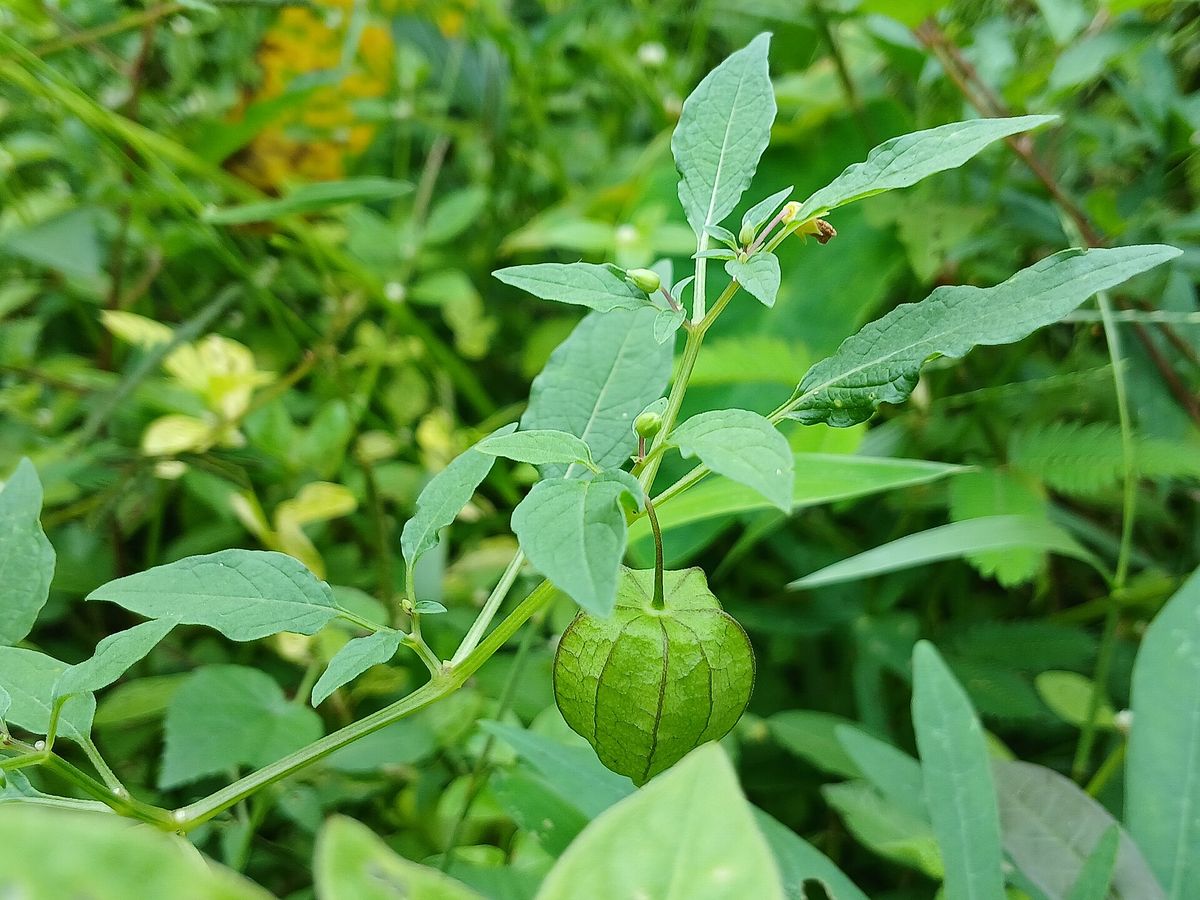
- Ripe fruit drops to the ground on its own inside the husk: this is the primary and most reliable harvest cue for this crop.
- Husk has turned tan and papery and the fruit inside has colored fully (golden-orange for most types).
- Gently shaken plants will drop ripe fruit; unripe fruit clings tightly to the stem.
Storing & keeping
Leave the husk on; counter or fridge crisper at 45-55°F for 2-3 weeks, among the better-keeping fruiting crops when husked. Dehydrate for a raisin-like long-term storage option.
What to expect
Per plant: 100-300 small fruit per plant over the season
Troubleshooting ground cherry
Gardener keeps missing ripe fruit
Likely cause: Ground cherries don't stay on the plant when ripe; they drop and hide under foliage
What to do: Check the ground under and around each plant every few days rather than scanning the branches for color.
Fruit tastes sour or bland
Likely cause: Picked from the branch before natural drop, while underripe
What to do: Only collect dropped fruit; branch-picked fruit is reliably underripe and less sweet.
Sprawling, floppy plant
Likely cause: Ground cherries have a lax, spreading habit
What to do: Light staking or a tomato cage helps keep fruit off wet soil, though some sprawl is normal.
Varieties worth growing
Aunt Molly's
A well-known heirloom prized for sweet-tart flavor and reliable dropping habit.
Goldie
Slightly larger fruit and vigorous, high-yielding plants.
Growing ground cherry in containers
10-gallon pot works; a saucer or mulch layer under the plant makes collecting dropped fruit cleaner.
Nutrition
High in lycopene (tomato), capsaicin (hot pepper), vitamin C, and potassium.
Common questions
How do I know when to pick ground cherries?
Don't pick them at all: let them fall, and gather the dropped, husk-covered fruit from the ground every few days.
Are ground cherries related to tomatillos?
Yes, both are husk-covered Physalis relatives, but ground cherry fruit is smaller, sweeter, and eaten raw, while tomatillo is larger, tart, and cooked.
Where these numbers come from
- USDA Plant Hardiness Zone Map (2023 revision). Zone assignment and the 30-year normals behind every cold-hardiness figure.
- NOAA NCEI 1991-2020 Climate Normals. Frost dates, growing-season length, and the probability bands on both.
- Cornell, UMN, and UC Davis Cooperative Extension crop guides. Spacing, days to maturity, soil pH targets, and per-plant yield ranges.
- USDA FSIS / FDA Produce Safety guidance. Wash, cure, and cold-storage handling numbers.
Ranges are regional guidance, not a promise for your yard. Your own logged results always override the published range.