
How to grow lavender
Family Lamiaceae. Hardy to USDA hardiness zone 5a+ (U.S. Department of Agriculture). Full sun, 8+ hrs. Ready in Yr 2 full bloom (perennial).
Sun
Full sun, 8+ hrs
Spacing
18-24 in
Days to harvest
Yr 2 full bloom (perennial)
Hardiness
Zone 5a+
What growers actually recorded
Loading zone 7b results…
When to plant lavender
- Start indoors: ~10 weeks before last frost.
- Transplant out: ~2 weeks after last frost.
Companion plants for lavender
Plant with: Rosemary, Thyme, Sage, Roses.
Avoid near: Mint, Water-hungry vegetables.
Common pests & problems
Almost none. Root rot from wet feet is the real killer.
Feeding & fertilizer
N-P-K ratio: Low fertilizer: herbs go bland when overfed
Organic options: Compost once at planting · Weak fish emulsion once mid-season if pale · Nothing after that
When to feed: Feed lightly if at all. Mediterranean herbs (rosemary, thyme, oregano) thrive in lean soil.
Watch for: Fast, floppy, weak-flavored growth = too rich.
N = nitrogen (leaves), P = phosphorus (roots and flowers), K = potassium (fruit and disease resistance). How to read a fertilizer label →
Grower's tip
Lean, gritty, well-drained soil and no coddling. Plant on a slight mound, skip the fertilizer, and prune a third of the plant after bloom to stop it going woody.
When to plant lavender in your zone
Free month-by-month sowing and transplanting lists, built from frost dates for your USDA (United States Department of Agriculture) hardiness zone.
Soil & water for lavender
Soil & pH
6.5-8.0: tolerates and often prefers slightly alkaline soil
Sharply drained, lean, gritty or sandy soil. Lavender is far less tolerant of wet, rich soil than most garden herbs and its most common cause of death is winter-wet, poorly drained ground.
Amend heavy soil generously with coarse sand or grit, or plant in a raised bed or mound. Skip compost-rich beds; lavender performs best in low-fertility soil. Add lime if soil is acidic.
Watering
Little to none once established: deep, very infrequent watering; established plants often need no supplemental water beyond rainfall in temperate climates
Water deeply but rarely, letting soil dry out completely between waterings; never irrigate on a fixed schedule.
The single biggest lavender-killer is winter-wet soil, not summer drought. In climates with wet winters, drainage and raised planting matter more than any watering routine during the growing season.
Knowing when to harvest
- Cut flower spikes when roughly half the buds on the spike have opened; this stage holds essential oil content best for drying.
- Harvest on a dry morning after dew has evaporated but before the heat of the day, when oil concentration is highest.
- Cut stems long, bundle, and hang upside down in a dark, airy, dry spot.
Storing & keeping
Fully air-dried lavender (stems snap cleanly, buds papery) keeps its color and fragrance for a year or more stored in a sealed jar out of light. Strip dried buds for sachets or culinary use; whole dried stems keep longer than stripped buds.
What to expect
Per plant: A mature plant produces dozens of usable flower spikes per cutting, harvested once or twice a season
Yield depends heavily on species and climate; English lavender types are the most productive for culinary and craft use.
Troubleshooting lavender
Plant collapses or turns black at the base, especially after a wet winter
Likely cause: Root and crown rot from poorly drained, waterlogged soil
What to do: Replant in a raised mound or bed with sharp drainage; there is no fix once crown rot sets in, only prevention next time.
Woody, leggy growth with flowering only at the tips
Likely cause: Lack of regular pruning
What to do: Prune after flowering each year, cutting back into the green growth (not into bare wood) to keep the plant compact.
Weak growth, floppy stems, few flowers
Likely cause: Soil too rich or too much nitrogen
What to do: Stop feeding; lavender flowers best in lean, low-fertility soil.
Varieties worth growing
Munstead (English)
Compact, cold-hardy to roughly zone 5, reliable for culinary use.
Hidcote (English)
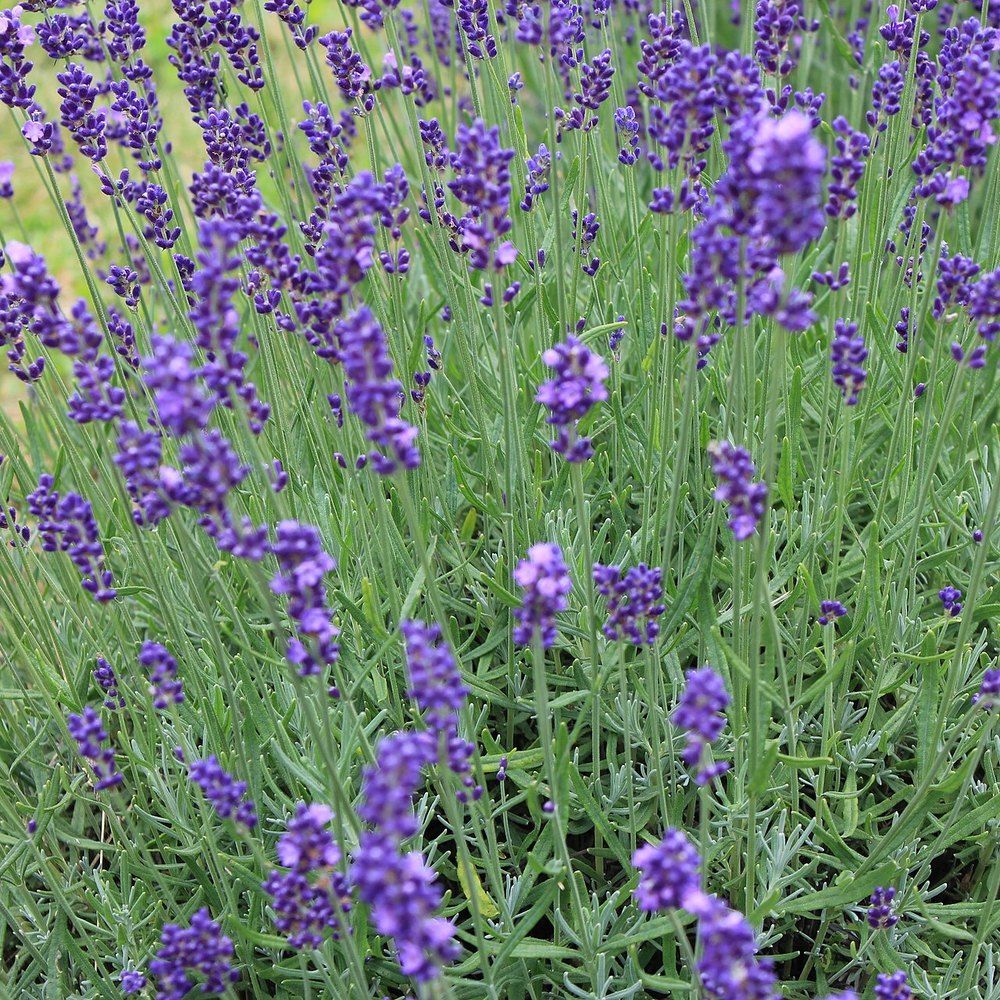
Deep purple flowers, compact habit, a standard for hedging and culinary use.
Provence (lavandin)
Long stems and strong fragrance, favored for sachets and crafts, less cold-hardy.
Phenomenal
Bred for improved cold hardiness and disease resistance in humid climates.
Growing lavender in containers
Works well in a container, which is often the better choice in climates with wet winters: an unglazed terracotta pot with a gritty, fast-draining mix and a spot protected from winter rain lets the grower control the drainage lavender needs.
Nutrition
Volatile oils that hold up after drying: rosmarinic acid in rosemary, thymol in thyme, menthol in mint, eugenol in basil and oregano. That's why a pinch of dried herb often tastes stronger than a handful of fresh. The oils are concentrated once the water leaves.
Common questions
Why did my lavender die over the winter even though it's supposedly cold-hardy?
Cold-hardiness ratings assume good drainage. Most winter lavender deaths are from wet, waterlogged soil rotting the roots and crown, not from cold temperatures themselves.
Can I grow lavender in my regular garden bed with everything else?
Only if that bed drains sharply and isn't regularly watered or fed. Lavender planted alongside water-loving vegetables or in amended, moisture-retentive soil usually declines within a season or two.
Where these numbers come from
- USDA Plant Hardiness Zone Map (2023 revision). Zone assignment and the 30-year normals behind every cold-hardiness figure.
- NOAA NCEI 1991-2020 Climate Normals. Frost dates, growing-season length, and the probability bands on both.
- Cornell, UMN, and UC Davis Cooperative Extension crop guides. Spacing, days to maturity, soil pH targets, and per-plant yield ranges.
- USDA FSIS / FDA Produce Safety guidance. Wash, cure, and cold-storage handling numbers.
Ranges are regional guidance, not a promise for your yard. Your own logged results always override the published range.