
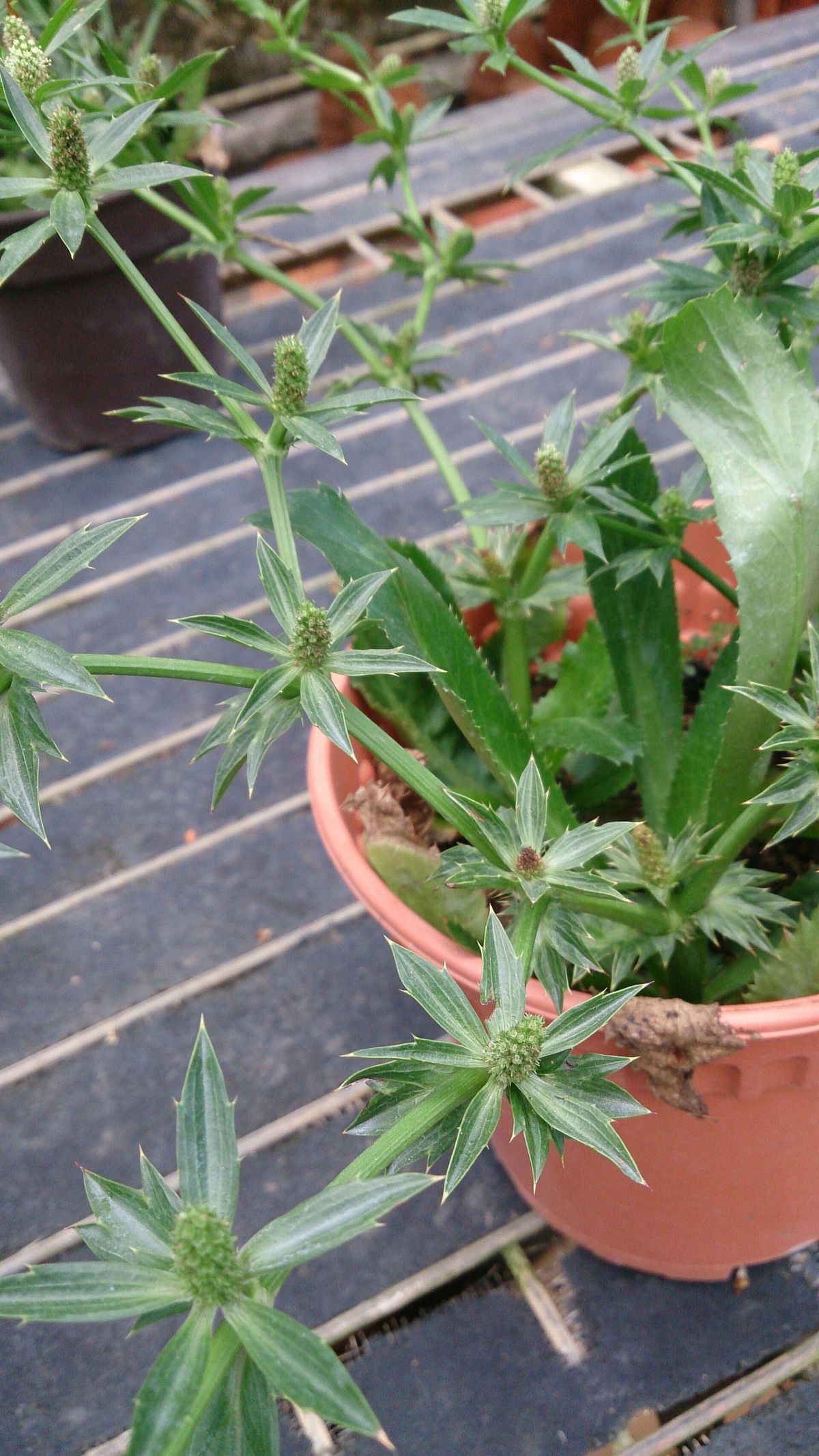
How to grow culantro (recao)
Family Apiaceae. Hardy to USDA hardiness zone 9a+ (U.S. Department of Agriculture). Part shade to full sun. Ready in 80-100 days.
Sun
Part shade to full sun
Spacing
8-10 in
Days to harvest
80-100 days
Hardiness
Zone 9a+
What growers actually recorded
Loading zone 7b results…
When to plant culantro (recao)
- Start indoors: ~8 weeks before last frost.
- Transplant out: ~2 weeks after last frost.
Companion plants for culantro (recao)
Plant with: Pepper, Tomato.
Common pests & problems
Rarely bothered.
Feeding & fertilizer
N-P-K ratio: Low N, higher P (3-6-6)
Organic options: Compost only in bed prep · Bone meal at sowing · Skip nitrogen top-dress
When to feed: Feed the bed, not the plant. Carrots/parsnips fork or hair-root with fresh manure.
Watch for: Forked roots = too much N or fresh manure; use only well-aged compost.
N = nitrogen (leaves), P = phosphorus (roots and flowers), K = potassium (fruit and disease resistance). How to read a fertilizer label →
Grower's tip
Slower to bolt than cilantro and holds flavor in heat; harvest outer leaves and the rosette keeps producing for months.
When to plant culantro (recao) in your zone
Free month-by-month sowing and transplanting lists, built from frost dates for your USDA (United States Department of Agriculture) hardiness zone.
Soil & water for culantro (recao)
Soil & pH
6.0-6.8
Rich, moisture-retentive loam. A tropical biennial (grown as an annual in most of the US) that prefers more shade and moisture than cilantro.
Compost generously; culantro is a heavier feeder than cilantro and rewards consistent fertility.
Watering
1.5 in / week
Consistent moisture; culantro tolerates and even prefers partial shade and humid conditions, unlike most Apiaceae relatives.
Keep soil evenly moist; culantro wilts and stalls quickly in dry soil and does not recover well once badly stressed.
Knowing when to harvest
- Outer leaves reach 4-6 in and can be cut individually, leaving the center to keep producing.
- Unlike cilantro, culantro is heat-tolerant and slow to bolt, giving a much longer harvest window through summer.
- Flavor is far more concentrated than cilantro leaf; harvest only a few leaves per recipe.
Storing & keeping
Wrap loosely in a damp paper towel and refrigerate for 1-2 weeks; leaves do not dry well and lose most flavor, so freezing chopped leaves in oil or water is the better preservation route.
What to expect
Per plant: Repeated cuttings of a handful of leaves every 1-2 weeks through the season
Troubleshooting culantro (recao)
Leaves scorch or bleach in full sun
Likely cause: Culantro is naturally an understory plant in its native range and is less sun-tolerant than most kitchen herbs
What to do: Grow in partial shade, especially in hot-summer climates.
Slow to establish from seed
Likely cause: Culantro germinates slowly, often 2-3 weeks, and is frequently given up on too early
What to do: Keep soil consistently moist and be patient; consider starting indoors for a head start.
Varieties worth growing
Common culantro (species type)
Sold generically; regional strains exist but named cultivars are rare in US seed trade.
Growing culantro (recao) in containers
5-gallon pot in partial shade works well; culantro's shade and moisture tolerance actually suit container culture better than many herbs.
Nutrition
Beta-carotene, vitamin K, luteolin (parsley). A nutrient bargain per square foot.
Common questions
Is culantro just a substitute for cilantro?
It has a similar but stronger, more resinous flavor and is used in smaller amounts. In much of Latin America and Southeast Asia it is a distinct, preferred herb, not merely a substitute.
Where these numbers come from
- USDA Plant Hardiness Zone Map (2023 revision). Zone assignment and the 30-year normals behind every cold-hardiness figure.
- NOAA NCEI 1991-2020 Climate Normals. Frost dates, growing-season length, and the probability bands on both.
- Cornell, UMN, and UC Davis Cooperative Extension crop guides. Spacing, days to maturity, soil pH targets, and per-plant yield ranges.
- USDA FSIS / FDA Produce Safety guidance. Wash, cure, and cold-storage handling numbers.
Ranges are regional guidance, not a promise for your yard. Your own logged results always override the published range.