
Beet armyworm identification & organic control
Spodoptera exigua
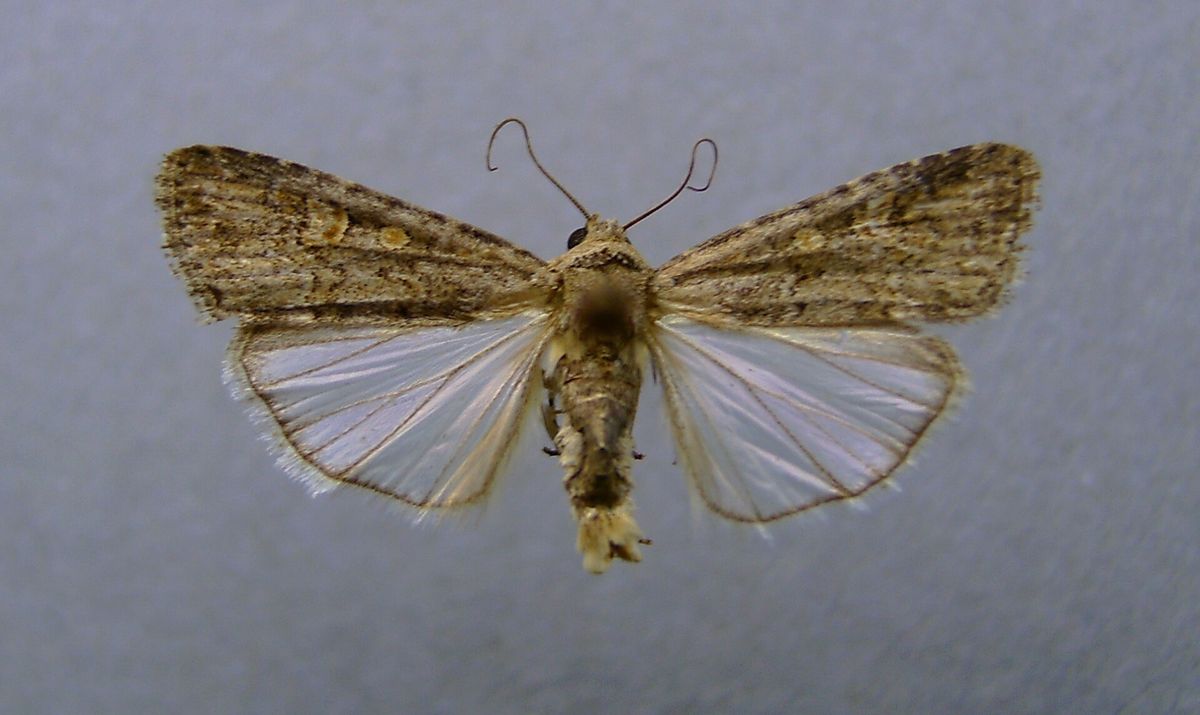
How to identify beet armyworm
A smaller cousin of fall armyworm, pale green to dark with a faint side stripe, that feeds in clusters when young and scatters as it matures. Common in home gardens across the South and West.
Crops attacked by beet armyworm
Beet, Swiss Chard, Spinach, Bush bean, Pepper.
Young larvae skeletonize leaves in groups near the egg mass; older larvae disperse and chew large, irregular holes through leaves and can bore into fruit.
Life cycle
- Egg mass (Spring–fall) — Fuzzy white egg cluster on leaf underside.
- Young larvae (clustered) (First week) — Group skeletonizing near the egg site: easy to spot and remove.
- Older larvae (dispersed) (2-3 weeks) — Solitary heavy feeding across the bed.
- Pupa in soil (1-2 weeks) — None.
Natural, organic beet armyworm control
- 1. Remove egg-mass leaves early · low effort
Cut off and destroy the leaf carrying the fuzzy egg cluster before larvae disperse.
When: As soon as spotted
- 2. Bt or spinosad on young clusters · medium effort
Most effective while larvae are still grouped together.
When: First week after hatch
Fastest-fix products
- Monterey Bt — Targets caterpillars only; ideal while larvae are clustered. · Garden centers, Amazon
Prevention
- Scout leaf undersides on beets and chard weekly through summer.
- Keep beds weeded; pigweed and lambsquarters host early generations.