
Black bear identification & organic control
Ursus americanus
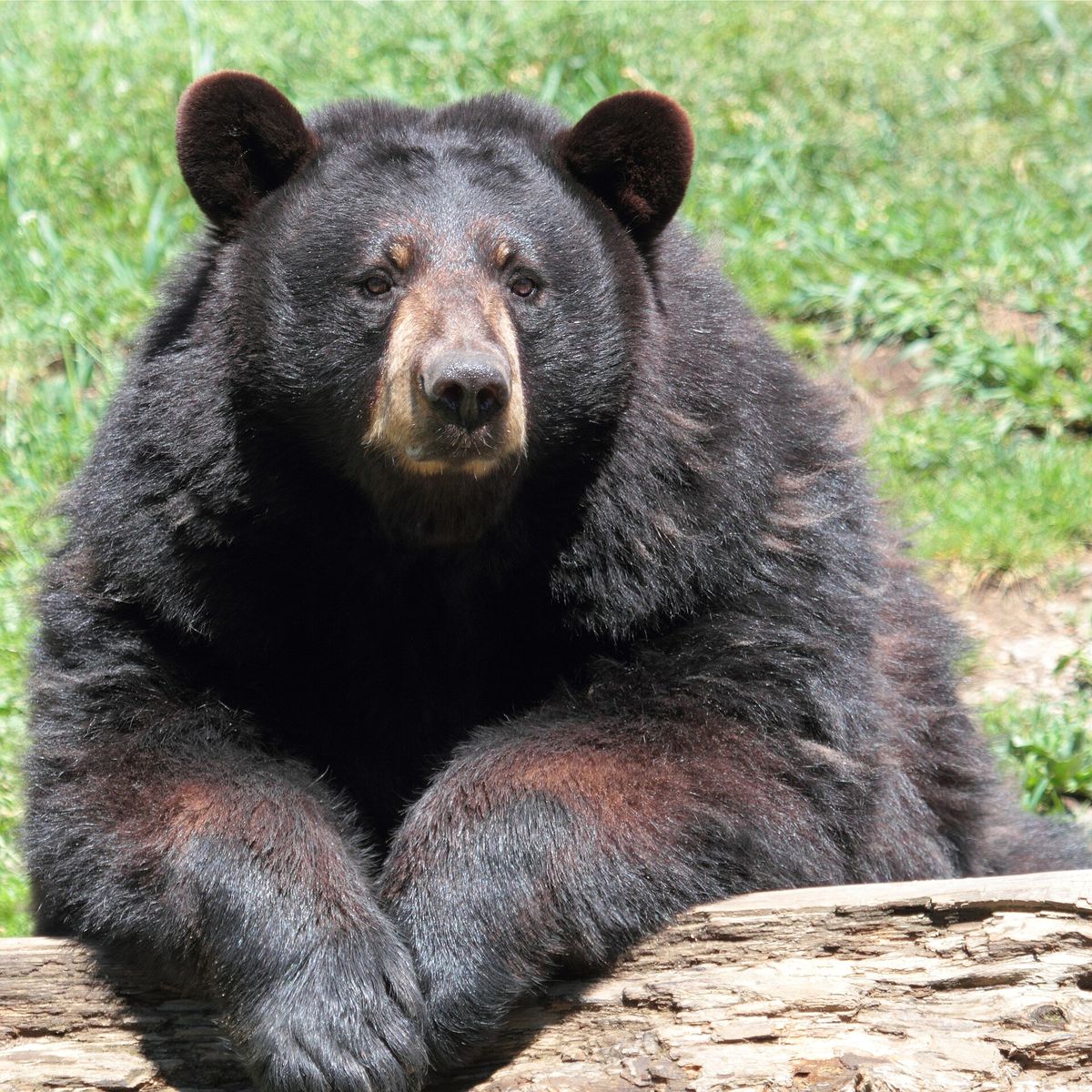
How to identify black bear
A large, powerful omnivore drawn to gardens, compost, coops, and beehives mainly by smell. A fed bear that loses its fear of people is often ultimately killed by wildlife agencies, which is why removing attractants immediately and consistently is a safety issue as much as a garden one.
Crops attacked by black bear
Sweet corn, Fruit trees, Beehives, Compost, Chicken coop.
Flattens corn patches feeding on ears, strips fruit trees of ripening fruit, tears apart hives for honey and larvae, and raids unsecured coops, compost, and trash.
Life cycle
- Den emergence (Early-mid spring) — Hungry bears forage widely; low garden damage yet as natural food is scarce.
- Spring/summer foraging (Spring–summer) — Coop, hive, and compost raids as bears search for easy calories.
- Hyperphagia (pre-den fattening) (Late summer–fall) — Peak damage: bears eat up to 20,000 calories a day and will hit orchards and corn hard.
- Denning (Late fall–winter) — Dormant; no foraging.
Natural, organic black bear control
- 1. Electric fencing around hives, coops, and orchards · high effort
A single- or double-strand electric fence around beehives and coops is the most effective bear deterrent that exists; bears learn fast and rarely test it twice.
When: Before any bear activity, ideally at setup
- 2. Certified bear-resistant containers for trash and feed · medium effort
Store trash, pet food, and livestock feed in certified bear-resistant containers or a secured shed/garage between uses.
When: Ongoing
- 3. Never let a bear associate a person with food · low effort
If a bear approaches, make noise and back away; never run. Report repeated visits to your state wildlife agency rather than attempting to trap or confront the animal yourself.
When: Any encounter
Fastest-fix products
- Solar electric fence kit — The single most effective, humane deterrent for hives, coops, and orchards. · Farm stores, Premier1Supplies
- Certified bear-resistant trash/feed containers — Removes the easiest and most common attractant. · Hardware stores, wildlife agency-approved vendors
Prevention
- Never leave trash, pet food, or livestock feed accessible overnight in bear country.
- Electric-fence beehives and coops before a bear ever finds them; it's far easier than stopping a habituated one.
- Contact your state wildlife agency about repeated visits: relocation and lethal removal decisions are theirs to make, never a homeowner's.