
Codling moth identification & organic control
Cydia pomonella
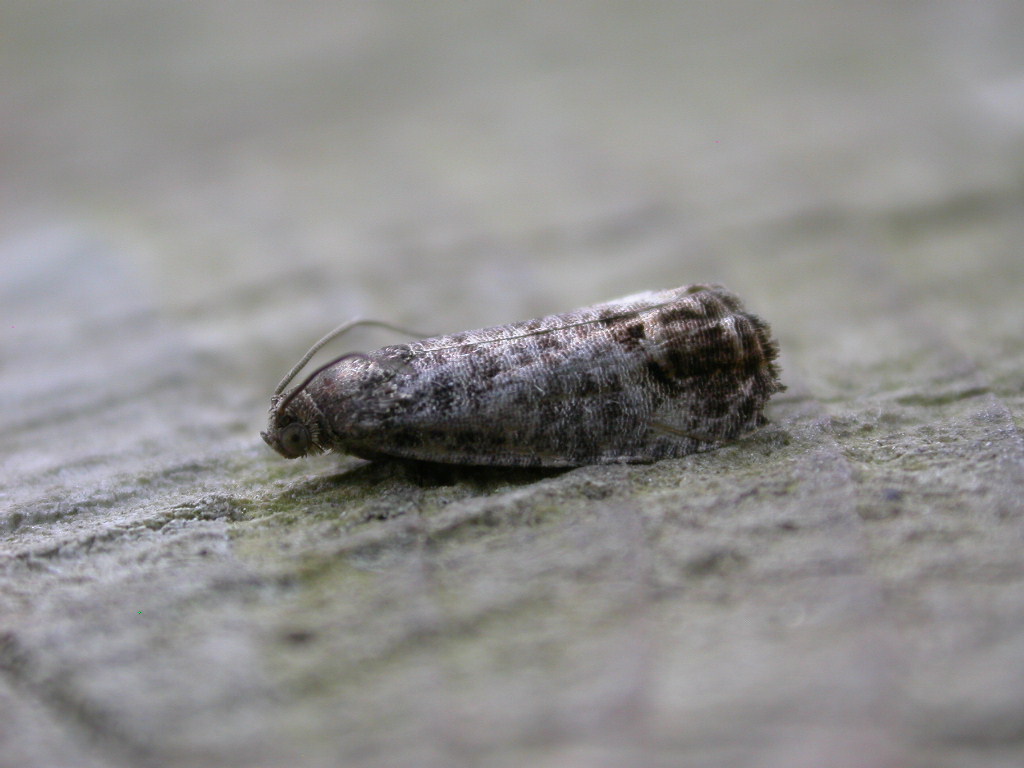
How to identify codling moth
The classic 'worm in the apple.' A small caterpillar tunnels straight to the core, leaving a frass-plugged entry hole, usually at the calyx (blossom) end.
Crops attacked by codling moth
Apple, Pear.
Larvae tunnel directly to the fruit core to feed on seeds, ruining the fruit and causing early drop.
Life cycle
- Overwintering cocoon (Winter (under bark, in debris)) — None.
- Adult moth flight (Spring, at bloom) — Lays eggs on leaves and developing fruit.
- Larva (3-5 weeks) — Tunnels into fruit toward the core; the destructive stage.
- Second generation (Mid-late summer) — A second, often larger, generation in most regions.
Natural, organic codling moth control
- 1. Bag individual fruit · medium effort
Slip a small paper or nylon-footie bag over young fruit after thinning; physically blocks egg-laying moths.
When: After fruit set
- 2. Codling moth traps · low effort
Pheromone traps catch males and help time sprays or bagging to actual flight activity.
When: From bloom onward
- 3. Clean up fallen fruit daily · low effort
Drops often contain larvae ready to pupate; removing them breaks the cycle.
When: Throughout summer
Fastest-fix products
- Codling moth pheromone trap — Times treatments to actual moth activity instead of guessing. · Arbico Organics, Amazon
- Fruit bagging footies — A chemical-free, highly effective physical barrier. · Amazon, orchard suppliers
Prevention
- Rake and dispose of fallen fruit through the whole season, not just at harvest.
- Scrape loose bark in winter to remove overwintering cocoons.