
Diamondback moth identification & organic control
Plutella xylostella
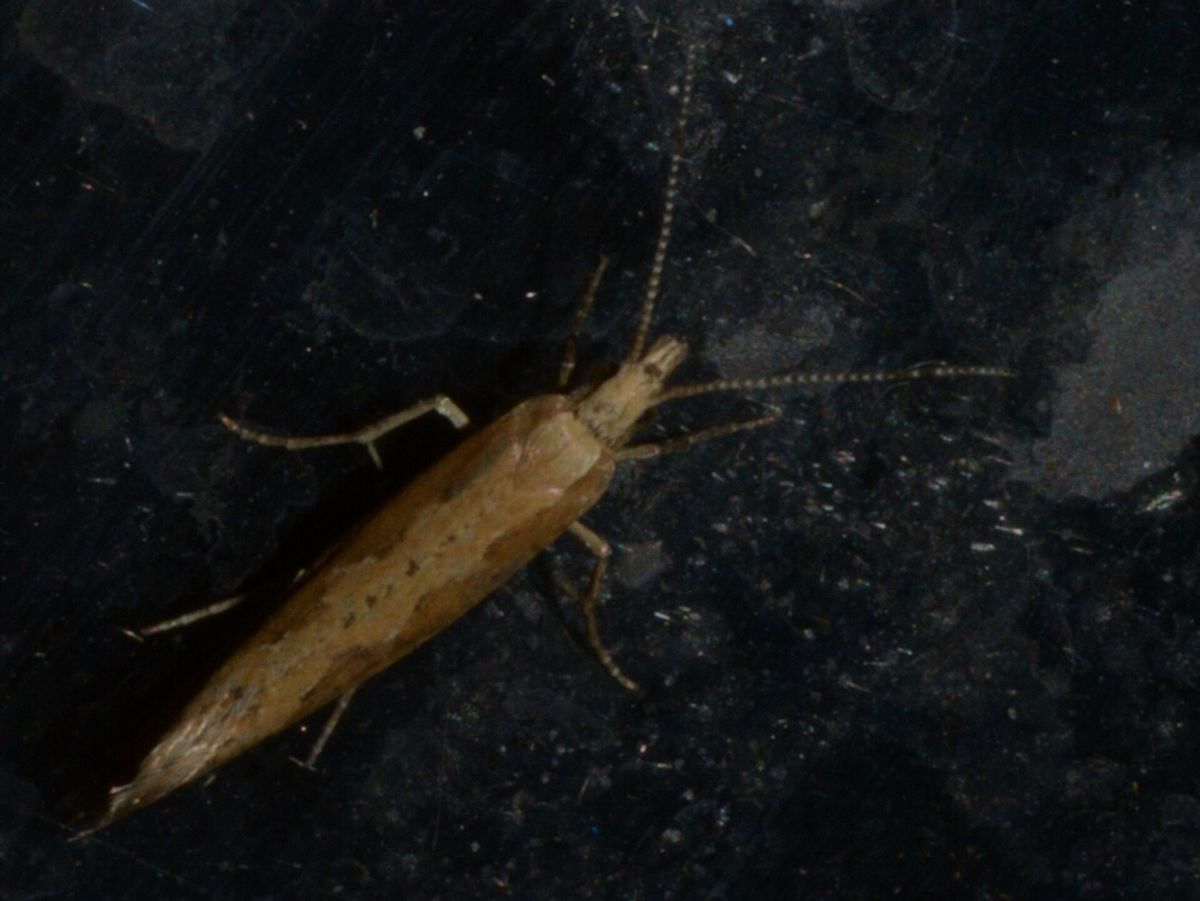
How to identify diamondback moth
A small, slender green caterpillar that wriggles violently and drops on a silk thread when disturbed. It is one of the most pesticide-resistant caterpillar pests in the world, so rotating tactics matters more than usual here.
Crops attacked by diamondback moth
Cabbage, Broccoli, Kale, Cauliflower, Brussels sprout.
Young larvae mine leaf tissue; older larvae chew small, translucent 'window pane' holes without eating through the top surface, then move into growing points and heads.
Life cycle
- Egg (Spring–fall) — Tiny yellow eggs laid singly on leaves.
- Larva (4 instars) (1-3 weeks) — Window-pane feeding, then growing-point damage.
- Pupa (About a week) — Loose silk cocoon on the leaf.
- Adult moth (Continuous in warm climates) — Multiple overlapping generations per season.
Natural, organic diamondback moth control
- 1. Row cover from transplant · medium effort
Physical exclusion is the most reliable tactic against a resistance-prone pest.
When: At transplant
- 2. Scout growing points · low effort
Check the center of young plants weekly; larvae hide there and are easy to miss.
When: Weekly
- 3. Rotate Bt with spinosad · medium effort
Alternate Bacillus thuringiensis and OMRI-listed spinosad sprays to slow resistance buildup.
When: When populations are heavy
Fastest-fix products
- Row cover — Prevents the moth from laying eggs in the first place. · Garden centers, Amazon
- Spinosad (OMRI-listed) — Effective against Bt-tolerant diamondback populations. · Garden centers, Amazon
Prevention
- Never rely on a single spray product season after season; rotate modes of action.
- Destroy crop residue right after harvest.
- Watch closely in late summer, when populations peak in most of the US.