
Fungus gnat identification & organic control
Bradysia spp.
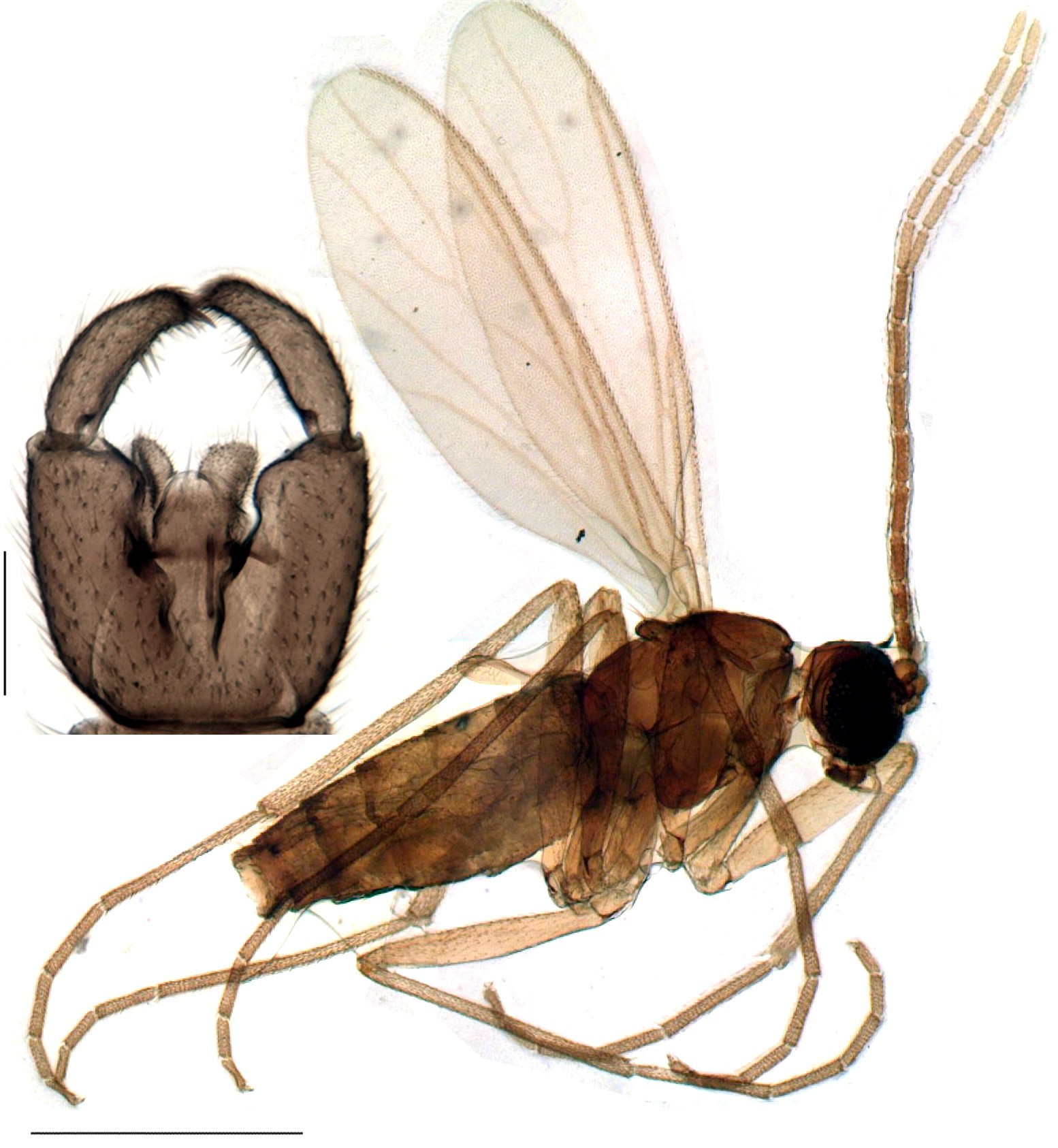
How to identify fungus gnat
Small, mosquito-like flies that hover around seed-starting trays and houseplants. Adults are mostly a nuisance; larvae in the soil feed on fungi and organic matter but can nibble root hairs of seedlings in consistently wet mix.
Crops attacked by fungus gnat
Lettuce, Basil, Tomato.
Larvae live in the top inch of soggy potting mix, feeding on fungi, algae, and occasionally tender root hairs, which can stunt seedlings in overly wet trays.
Life cycle
- Egg (Year-round indoors, warm season outdoors) — Laid in moist soil surface.
- Larva (1-2 weeks) — Feeds in the soil; can nick root hairs of small seedlings.
- Pupa (About a week) — None.
- Adult gnat (Ongoing in moist conditions) — Nuisance only; short-lived, quick to reproduce.
Natural, organic fungus gnat control
- 1. Let the soil surface dry between waterings · low effort
Fungus gnat booms are almost always a symptom of overwatering; this alone usually solves it.
When: Immediately
- 2. Yellow sticky cards at soil level · low effort
Traps adults and reduces the breeding population quickly.
When: At first sighting
- 3. Top-dress with sand or diatomaceous earth · low effort
A dry top layer discourages egg-laying on the moist mix below.
When: Ongoing seedling care
Fastest-fix products
- Yellow sticky cards (small, for trays) — Cheap and effective for indoor seedling setups. · Amazon, garden centers
Prevention
- Bottom-water seed trays or let the surface dry between top-waterings.
- Use fresh, well-draining seed-starting mix rather than old, waterlogged soil.