
Leatherjacket (crane fly larva) identification & organic control
Tipula spp.
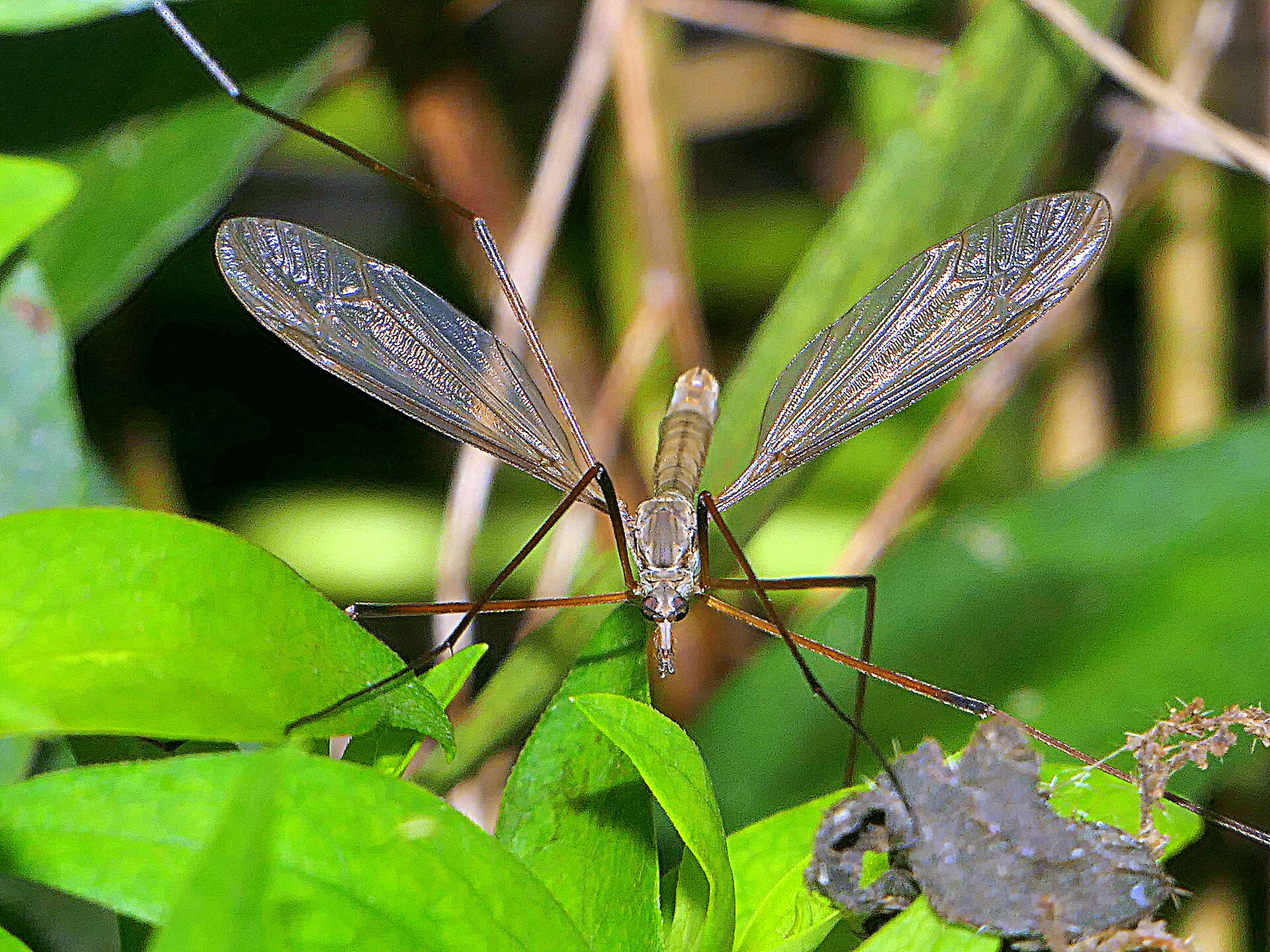
How to identify leatherjacket (crane fly larva)
The gray-brown, tough-skinned larva of the crane fly (often mistaken for a giant mosquito, though adults don't bite), living in turf and feeding on grass and seedling roots, most damaging after wet falls and winters.
Crops attacked by leatherjacket (crane fly larva)
Lawn/turf.
Larvae feed on grass roots and crowns at night, causing thin, brown patches in turf that peel back easily; can also nip tender seedlings at the soil line in beds bordering lawn.
Life cycle
- Egg (Late summer–fall) — Laid in moist turf.
- Larva (overwintering) (Fall–spring) — Feeds on roots through cool, wet weather; most damage seen in early spring.
- Pupa (Late spring) — None.
- Adult crane fly (Late summer) — Harmless, does not bite or feed on plants; lays next year's eggs.
Natural, organic leatherjacket (crane fly larva) control
- 1. Improve drainage in low, soggy turf areas · medium effort
Leatherjackets thrive in waterlogged soil; aerating and improving drainage reduces survival.
When: Fall
- 2. Encourage birds · low effort
Birds actively probe turf for leatherjackets, especially after rain; leaving some open lawn helps natural control.
When: Ongoing
- 3. Beneficial nematodes · medium effort
Applied to moist soil in late summer/fall, nematodes target young larvae.
When: Late summer–early fall
Fastest-fix products
- Beneficial nematodes (Steinernema feltiae) — Effective biological control for crane fly larvae. · Arbico Organics, Amazon
Prevention
- Avoid overwatering turf in fall, which favors egg-laying and larval survival.
- Aerate compacted, poorly drained lawn areas.