
Millipede identification & organic control
Diplopoda
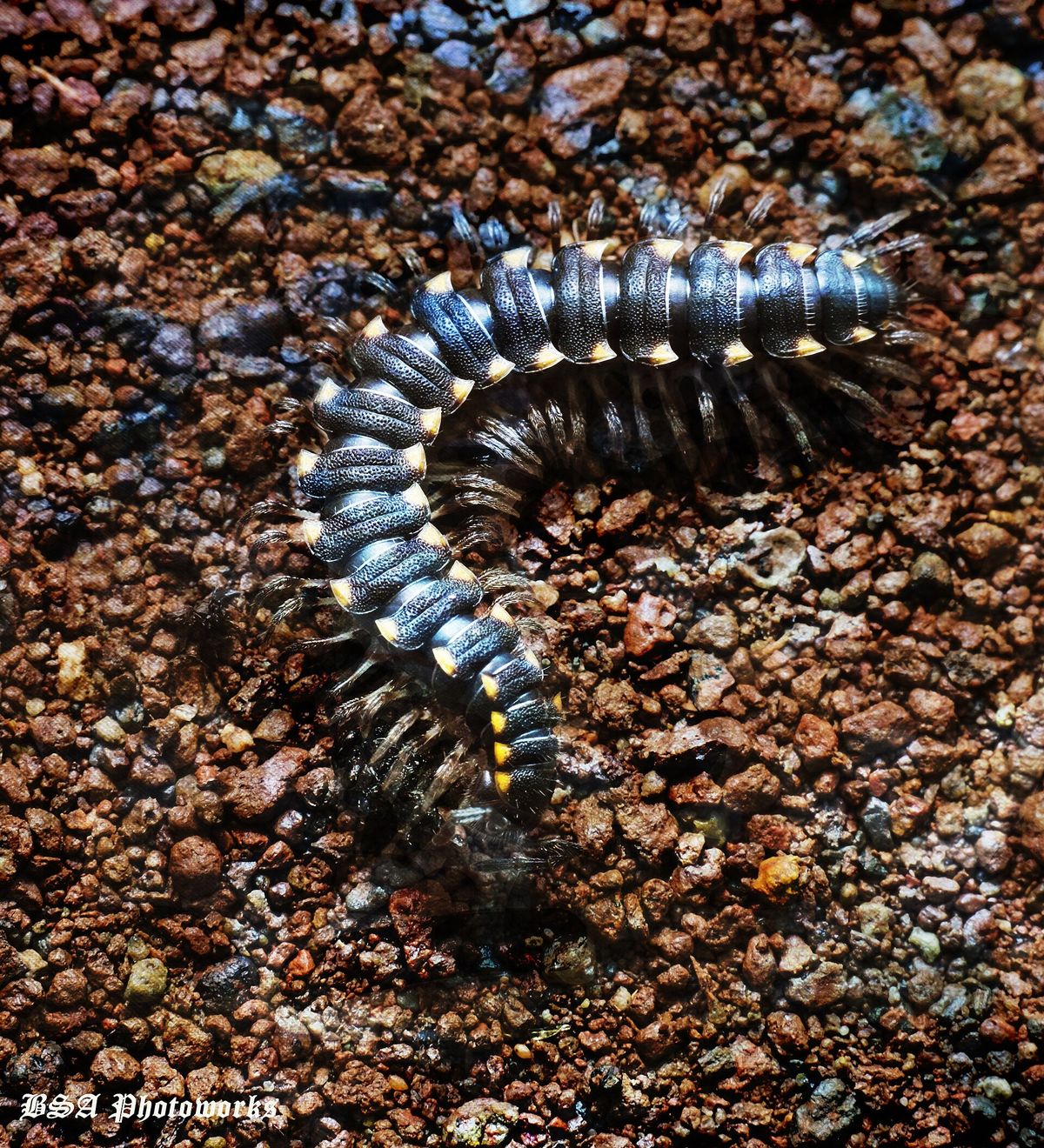
How to identify millipede
Slow-moving, many-legged decomposers that curl into a tight coil when disturbed. Mostly beneficial in the garden, breaking down decaying matter, but can nibble seedlings and ripening fruit touching the soil during large population booms.
Crops attacked by millipede
Strawberry, Lettuce.
Primarily feeds on decaying plant matter; occasionally chews tender seedling stems and soft fruit in contact with damp soil during high-moisture population spikes.
Life cycle
- Egg (Warm, moist season) — Laid in soil or mulch.
- Juvenile (Weeks to months) — Feeds on decaying matter, adding segments as it molts.
- Adult (Can live several years) — Long-lived decomposer, usually not a plant threat.
Natural, organic millipede control
- 1. Reduce excess mulch and moisture · low effort
Thin thick, wet mulch layers where large millipede populations build up near seedlings.
When: At seedling stage
- 2. Elevate ripening fruit off the soil · low effort
Straw or a berry mat keeps strawberries away from soil-dwelling decomposers.
When: At fruiting
Prevention
- Treat as mostly beneficial; only intervene if clear feeding damage appears on seedlings or fruit.
- Avoid overwatering beds and leaving thick, soggy mulch against stems.