
Mosquito identification & organic control
Culicidae
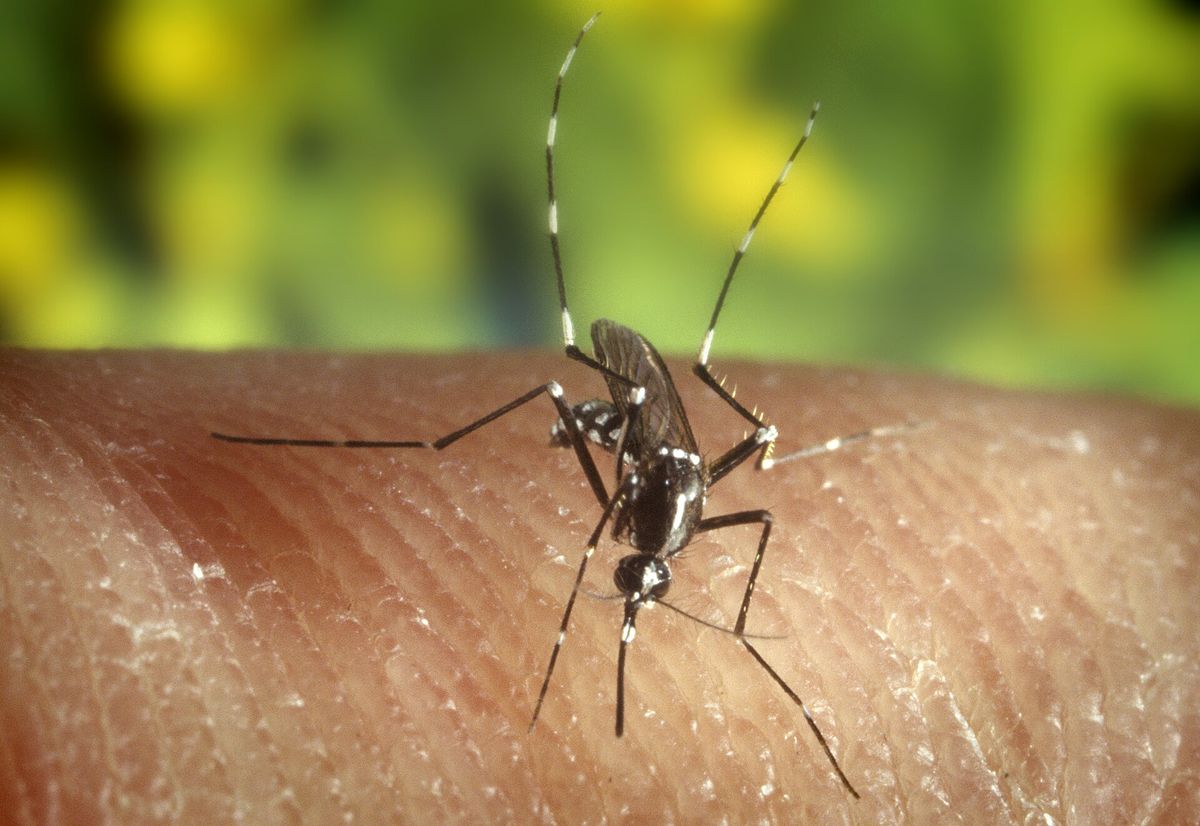
How to identify mosquito
A blood-feeding fly that breeds in any standing water it can find, from a forgotten saucer under a pot to a rain barrel. Not a plant pest, but a human and pet health risk since it can transmit West Nile virus and other diseases.
Crops attacked by mosquito
.
Larvae feed on organic matter in standing water; adult females bite humans and animals for a blood meal needed to lay eggs, posing a disease-transmission risk rather than crop damage.
Life cycle
- Egg (Warm season) — Laid on or near standing water.
- Larva ('wiggler') (About a week) — Lives in standing water; none to plants.
- Pupa (1-2 days) — None.
- Adult (2-4 weeks lifespan) — Females bite for blood meals; can breed continuously all summer near standing water.
Natural, organic mosquito control
- 1. Dump standing water weekly · low effort
Empty saucers, buckets, tarps, and any container holding water at least once a week, before larvae can mature.
When: Weekly, all summer
- 2. Mosquito dunks (Bti) in rain barrels and ponds · low effort
A biological larvicide (Bacillus thuringiensis israelensis) kills larvae in standing water features without harming fish, pets, or people.
When: Standing water that can't be emptied
- 3. Encourage natural predators · low effort
Dragonflies, birds, and fish (in ponds) eat large numbers of mosquitoes and larvae.
When: Ongoing
Fastest-fix products
- Mosquito dunks / bits (Bti) — OMRI-listed biological larvicide, safe around pets, kids, and food gardens. · Garden centers, Amazon
Prevention
- Eliminate any standing water on the property that isn't actively treated or stocked with fish.
- This is a health-safety issue: repeated bites and disease risk affect people and pets, not the garden itself.