
Oriental fruit moth identification & organic control
Grapholita molesta
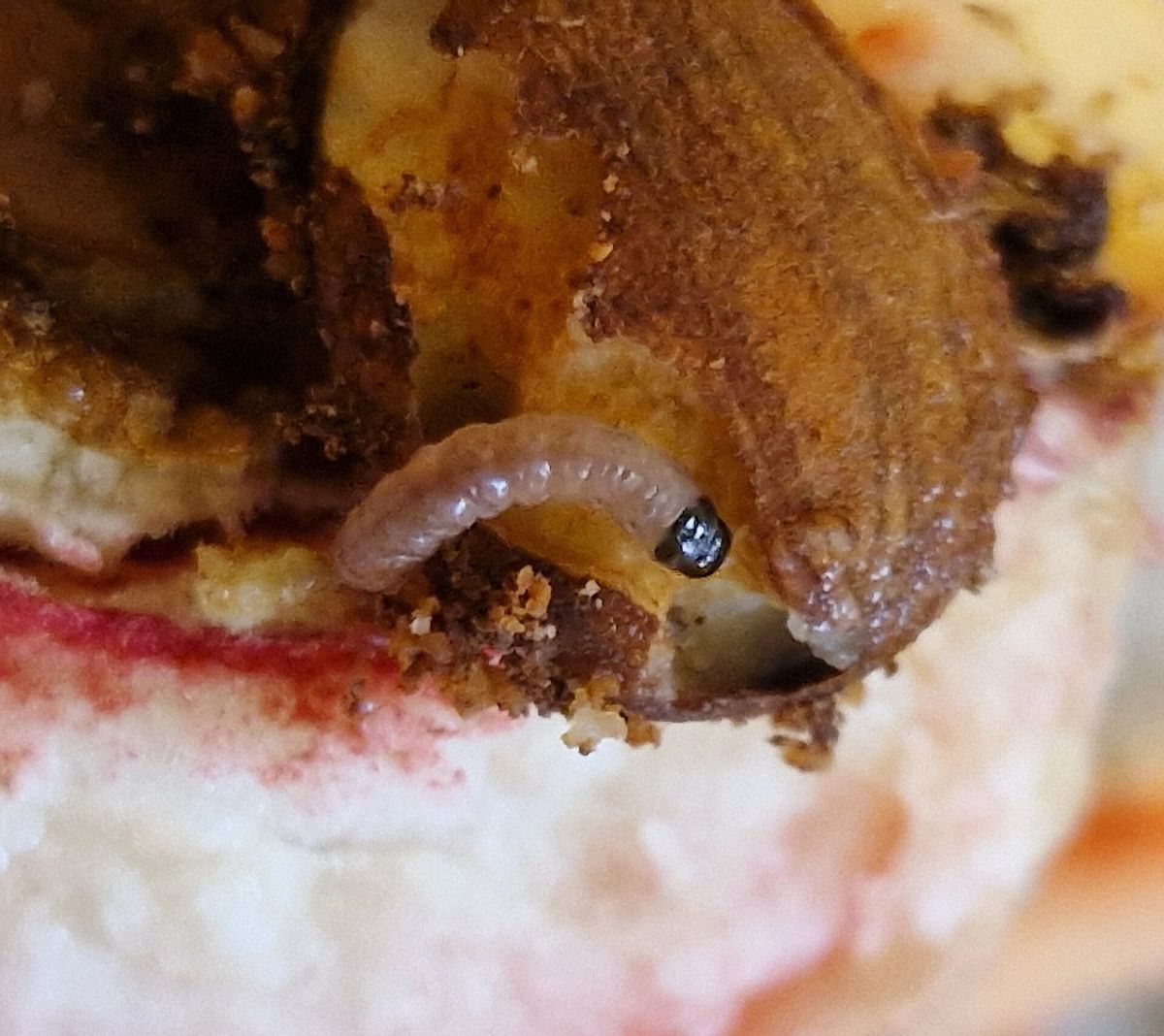
How to identify oriental fruit moth
A small caterpillar closely related to codling moth that tunnels into new shoot tips early in the season, then moves into fruit as it ripens, leaving a similar frass-plugged hole.
Crops attacked by oriental fruit moth
Peach, Plum, Apple, Pear.
Early-season larvae wilt and kill new shoot tips ('flagging'); later generations tunnel into fruit, often entering at the stem end and leaving little external sign.
Life cycle
- Overwintering cocoon (Winter (bark, debris)) — None.
- First generation (shoot feeders) (Spring) — Wilted, flagged shoot tips.
- Later generations (fruit feeders) (Summer) — Tunnel into ripening fruit.
- Final generation (Late summer–fall) — Heaviest fruit damage of the season.
Natural, organic oriental fruit moth control
- 1. Prune out wilted shoot tips · low effort
Removing flagged shoots in spring removes the first generation before it can move to fruit.
When: Spring
- 2. Pheromone traps for timing · low effort
Monitor adult flights to time any needed sprays or netting to actual activity.
When: Spring through harvest
- 3. Clean up dropped fruit · low effort
Removes larvae before they can complete development in the soil.
When: Throughout fruiting
Fastest-fix products
- Oriental fruit moth pheromone trap — Species-specific timing tool to avoid unnecessary treatments. · Arbico Organics, orchard suppliers
Prevention
- Prune to remove overwintering sites in loose bark.
- Keep the area under trees clear of fallen fruit.