Pillbug / sowbug identification & organic control
Armadillidiidae / Oniscidae
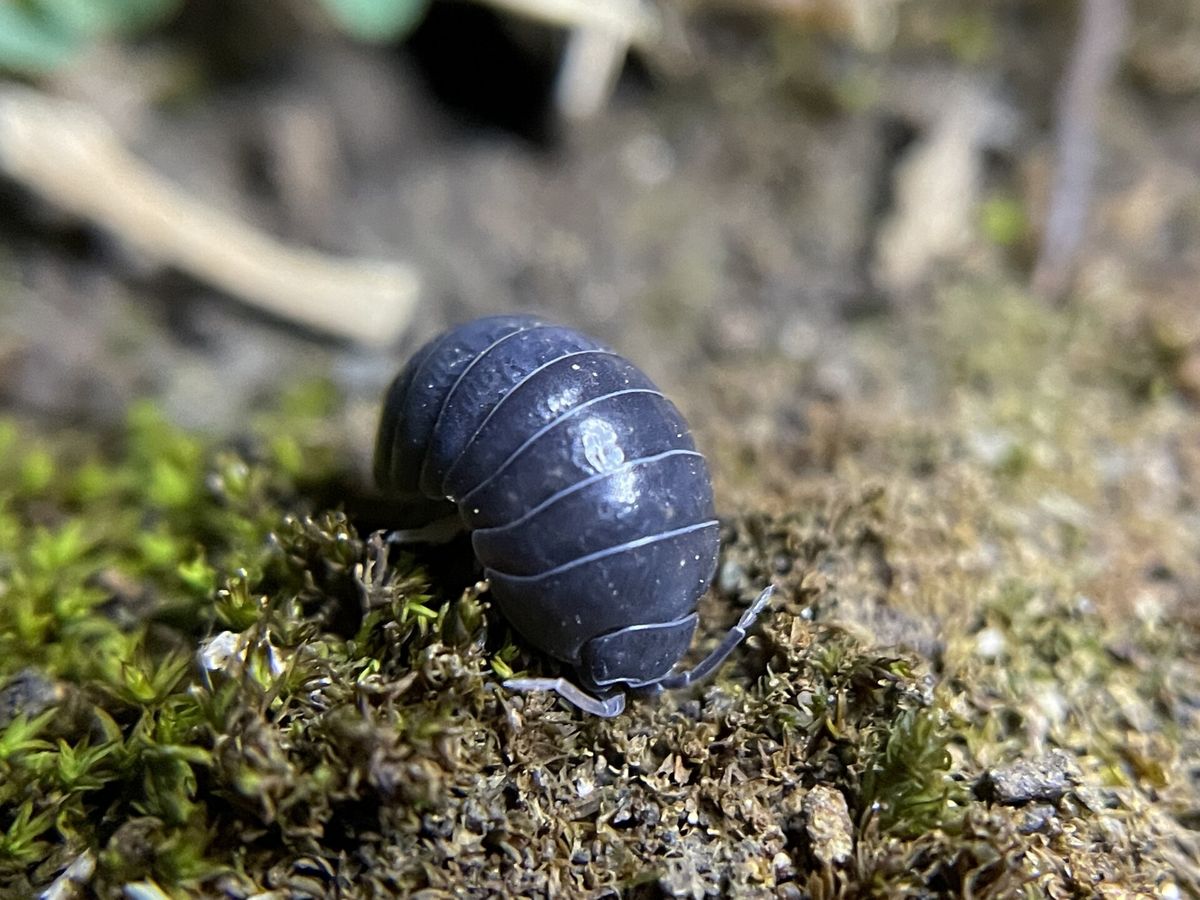
How to identify pillbug / sowbug
Not insects but land-dwelling crustaceans, these gray, segmented decomposers mostly eat rotting plant matter in mulch and compost. They become a nuisance only when they turn to seedlings and strawberries in very moist, mulch-heavy beds.
Crops attacked by pillbug / sowbug
Strawberry, Lettuce, Radish.
Normally feeds on decaying organic matter; in damp, crowded conditions it will also chew tender seedling stems, strawberry fruit touching the soil, and soft leaves.
Life cycle
- Egg (in brood pouch) (Warm season) — Carried by the female; none.
- Juvenile (Weeks after hatch) — Feeds on decaying matter, occasionally tender seedlings.
- Adult (Lives up to 2 years) — Long-lived decomposer; damage is usually minor and localized.
Natural, organic pillbug / sowbug control
- 1. Reduce excess mulch and moisture around seedlings · low effort
Pull thick mulch back a couple inches from stems and let the soil surface dry slightly between waterings.
When: At seedling stage
- 2. Elevate ripening strawberries · low effort
Straw or a berry mat keeps fruit off damp soil where pillbugs congregate.
When: At fruiting
- 3. Trap and remove · low effort
A damp, overturned melon rind or board draws them in overnight for easy collection.
When: As needed
Fastest-fix products
- Straw mulch or berry mats — Keeps fruit out of contact with soil-dwelling decomposers. · Garden centers
Prevention
- Most pillbug activity is beneficial decomposition; only intervene if seedlings or fruit show clear feeding damage.
- Avoid overwatering beds, which keeps populations artificially high.