
Norway rat / roof rat identification & organic control
Rattus norvegicus / Rattus rattus
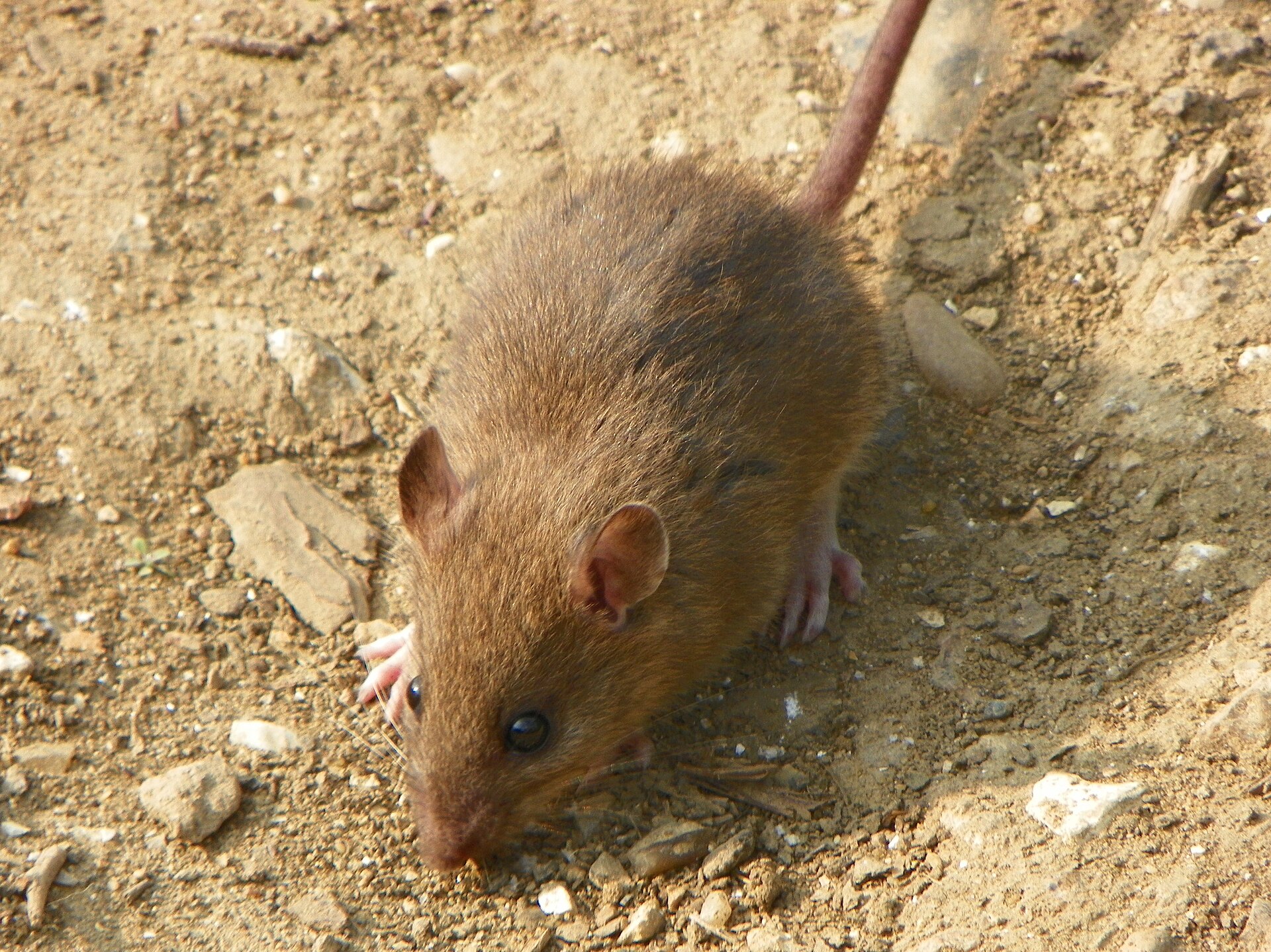
How to identify norway rat / roof rat
A highly adaptable rodent that burrows around compost piles, sheds, and coops, and climbs into fruit trees and vine crops. Rats are prolific breeders and can carry disease, so exclusion and sanitation are worth taking seriously rather than tolerating.
Crops attacked by norway rat / roof rat
Sweet corn, Melon, Squash, Fruit trees, Chicken feed/eggs.
Gnaws into ripening melons, squash, and corn ears, raids stored feed and compost, and will take eggs and chicks from unsecured coops.
Life cycle
- Year-round breeding (All year, peaks in warm months) — A single pair can produce dozens of offspring annually.
- Burrow/nest establishment (Ongoing) — Burrows under sheds, woodpiles, and dense vegetation.
- Foraging (Nightly, year-round) — Nightly raids on gardens, compost, coops, and stored feed.
Natural, organic norway rat / roof rat control
- 1. Remove food and shelter first · medium effort
Store feed and pet food in metal cans, use a closed compost bin (not an open pile), clear woodpiles and dense brush away from structures.
When: Immediately, ongoing
- 2. Snap traps in bait stations · medium effort
Place traps inside tamper-resistant covered stations along walls and runways; check and reset daily.
When: Once activity is confirmed
- 3. Secure the coop and compost with hardware cloth · medium effort
1/4-1/2 in hardware cloth on coop vents and compost bin bottoms blocks rats from digging in for eggs, feed, or scraps.
When: Before populations establish
- 4. Encourage natural predators · low effort
Barn owl boxes, resident hawks, and outdoor cats can meaningfully suppress rat numbers over a season.
When: Long-term
Fastest-fix products
- Covered/tamper-resistant snap trap stations — Kills quickly and keeps pets and children away from the trap. · Hardware stores, Amazon
- Galvanized metal feed cans — Rats can't chew through metal; removes the biggest food draw. · Farm/hardware stores
- 1/4-1/2 in hardware cloth — Rat-proofs coop floors, vents, and compost bins. · Hardware stores
Prevention
- Never leave pet food or feed out overnight.
- Keep compost in a closed, rodent-resistant bin.
- Clear brush and woodpiles at least a foot off the ground and away from structures.
- Avoid anticoagulant rodenticides where possible: they poison owls, hawks, and pets that eat affected rodents.