
Tomato russet mite identification & organic control
Aculops lycopersici
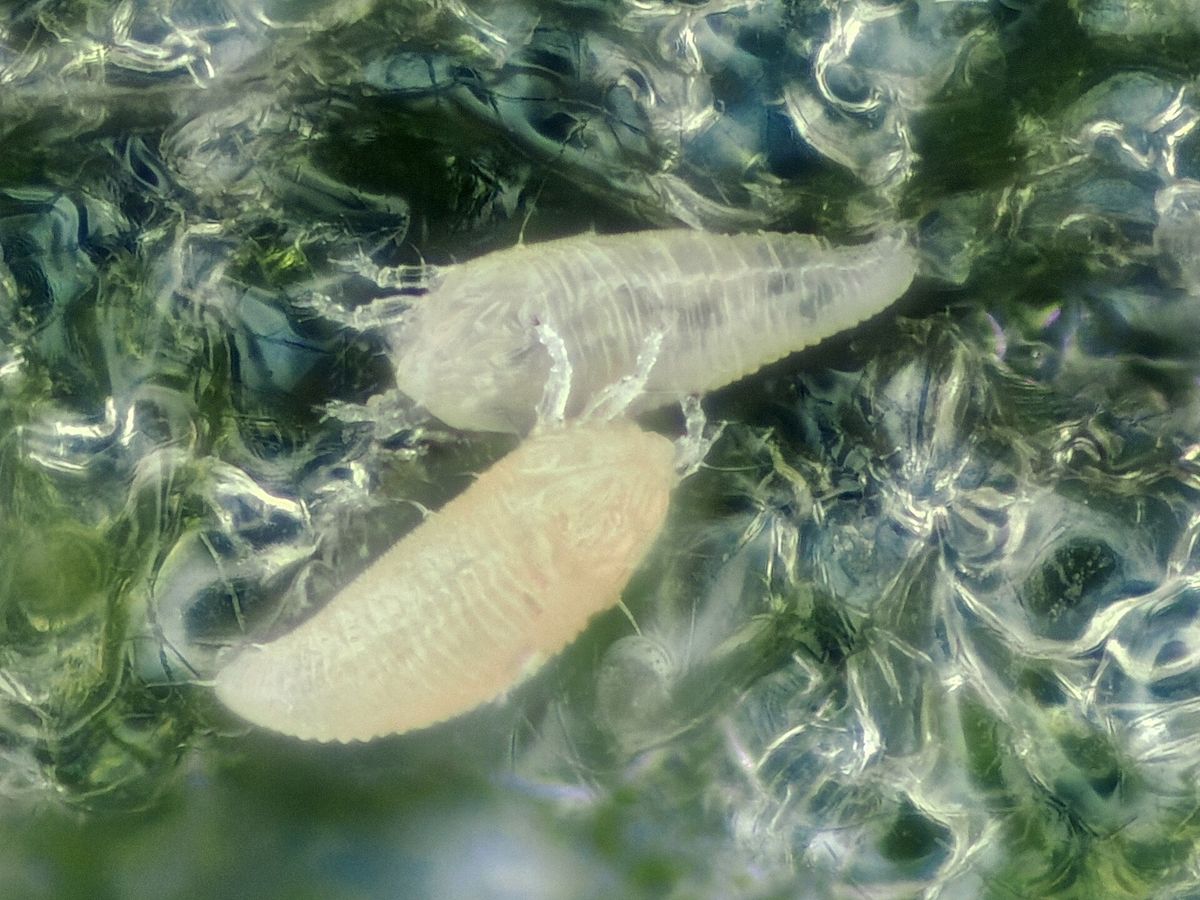
How to identify tomato russet mite
An even smaller relative of the broad mite, invisible without a strong hand lens, that causes lower stems and leaves to bronze, dry, and curl upward starting from the base of the plant.
Crops attacked by tomato russet mite
Tomato, Potato, Pepper.
Feeds on stems and leaf surfaces, causing a distinctive bronze, russeted, greasy-looking texture that spreads upward from the base of the plant as populations explode in hot, dry weather.
Life cycle
- Egg (Warm season) — Laid on stems and leaves.
- Nymph (A few days) — Feeds alongside adults.
- Adult (Ongoing in heat) — Extremely fast reproduction in hot, dry weather; can defoliate a plant in weeks.
Natural, organic tomato russet mite control
- 1. Prune and remove affected lower growth early · low effort
Cutting out bronzed stems and leaves as soon as spotted slows the mite's upward spread.
When: At first bronzing
- 2. Sulfur dust or spray · medium effort
One of the few reliably effective organic options against this mite; apply to stems and leaf undersides.
When: At first sign
Fastest-fix products
- Wettable sulfur — The standard organic control for russet mite outbreaks. · Garden centers, Amazon
Prevention
- Keep tomato plants well-watered during hot spells; drought-stressed plants are hit hardest.
- Remove and destroy infested plants at season's end rather than composting.