
Silverfish identification & organic control
Lepisma saccharinum
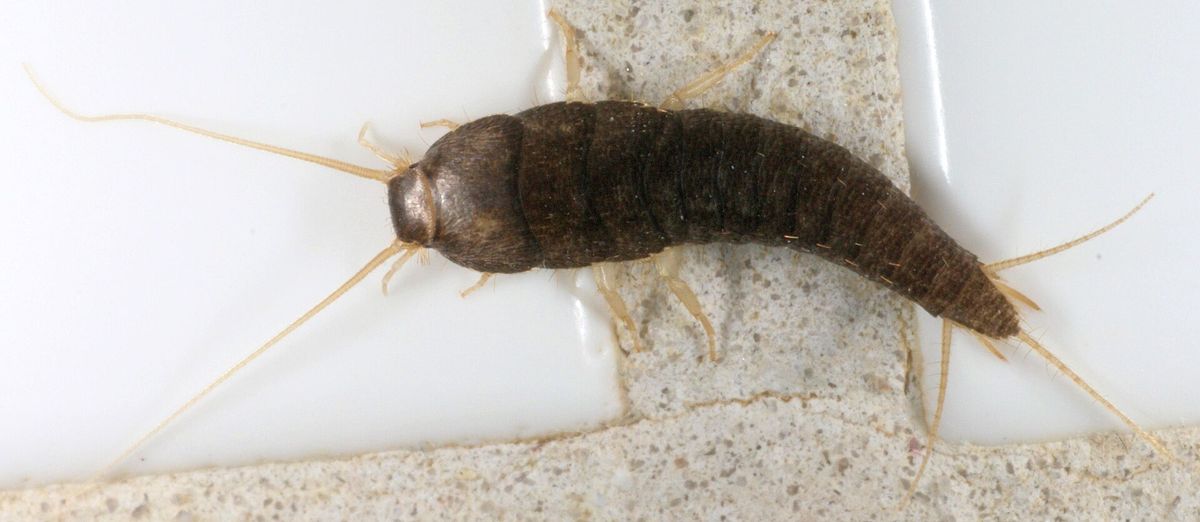
How to identify silverfish
A wingless, silvery, fish-shaped insect found in damp sheds, greenhouses, and mulch piles, feeding on starches, paper, and decaying plant matter. Almost never a direct threat to living garden plants.
Crops attacked by silverfish
.
Feeds on decaying organic matter, starchy seed coatings, and paper labels or seed packets stored in damp sheds; rarely damages living plants.
Life cycle
- Egg (Warm, humid conditions) — Laid in cracks and crevices.
- Nymph (Weeks to months) — Resembles a small adult; feeds on organic debris.
- Adult (Can live over a year) — Continues feeding on starches and decaying matter in storage areas.
Natural, organic silverfish control
- 1. Reduce humidity and clutter in storage areas · medium effort
Silverfish need damp conditions; a dehumidifier or better ventilation in a shed or garage removes the habitat.
When: Ongoing
- 2. Store seed and paper products in sealed containers · low effort
Prevents silverfish from reaching starchy seed packets and labels.
When: At storage
Fastest-fix products
- Sealed plastic storage bins — Keeps seeds, labels, and paper goods out of reach. · Any hardware store
Prevention
- Keep garden sheds and storage areas dry and well-ventilated.
- Rarely worth targeting directly since it poses no real threat to living plants.