
Spittlebug identification & organic control
Philaenus spumarius
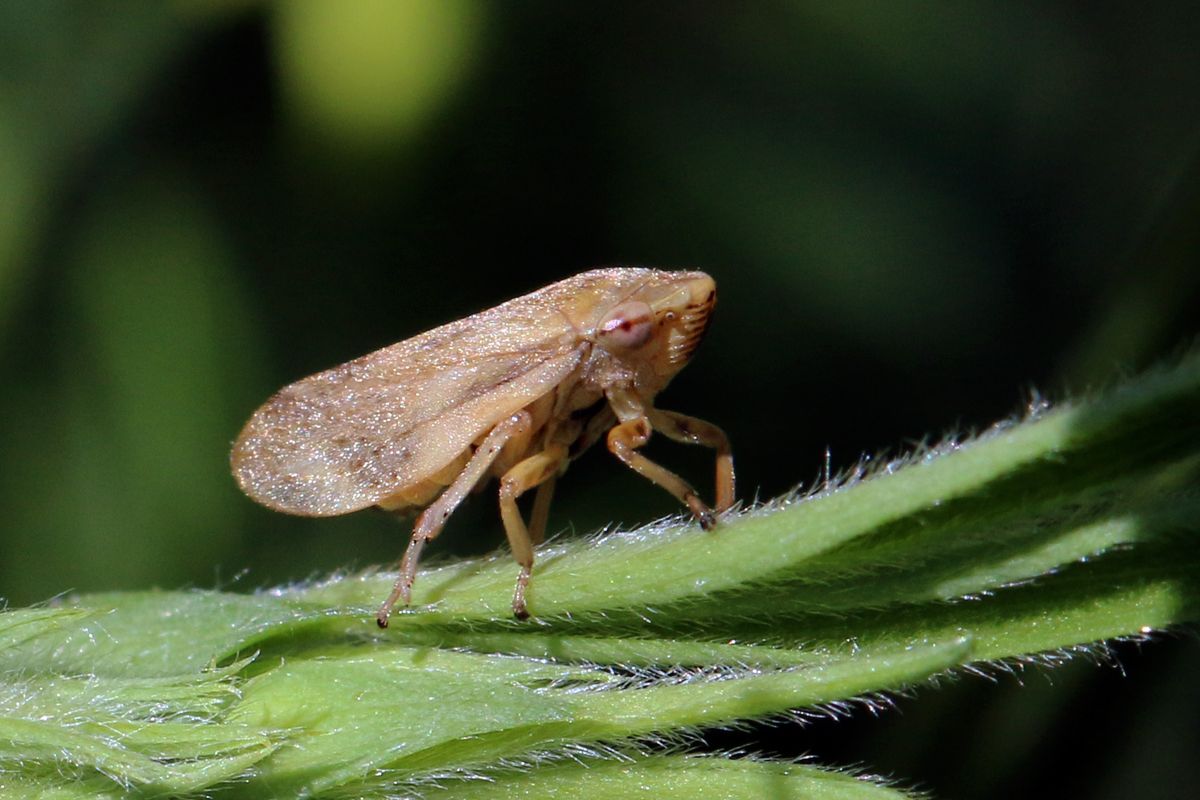
How to identify spittlebug
Best known for the foamy white 'spit' masses nymphs create on stems to hide and stay moist while they feed. Damage is usually cosmetic in home gardens, though heavy infestations can stunt tender growth.
Crops attacked by spittlebug
Strawberry, Rosemary, Lavender, Thyme.
Nymphs hide inside foam and pierce stems to feed on sap; light feeding rarely harms established plants, but heavy nymph numbers can weaken young transplants.
Life cycle
- Overwintering egg (Winter (in plant debris)) — None.
- Nymph (in foam) (Spring) — Feeds inside the protective foam mass.
- Adult (froghopper) (Summer) — Mobile; feeding is generally minor.
Natural, organic spittlebug control
- 1. Hose off the foam · low effort
A hard water spray dislodges the nymph and its protective foam, exposing it to predators.
When: When spotted
- 2. Tolerate light infestations · low effort
In most home gardens, spittlebugs cause little real damage and rarely need treatment.
When: Ongoing
Fastest-fix products
- Garden hose with spray nozzle — The simplest effective control; no chemicals needed. · Any hardware store
Prevention
- Keep beds weeded, since spittlebugs often build up in tall grass and weeds before moving to garden plants.