
Vole identification & organic control
Microtus spp.
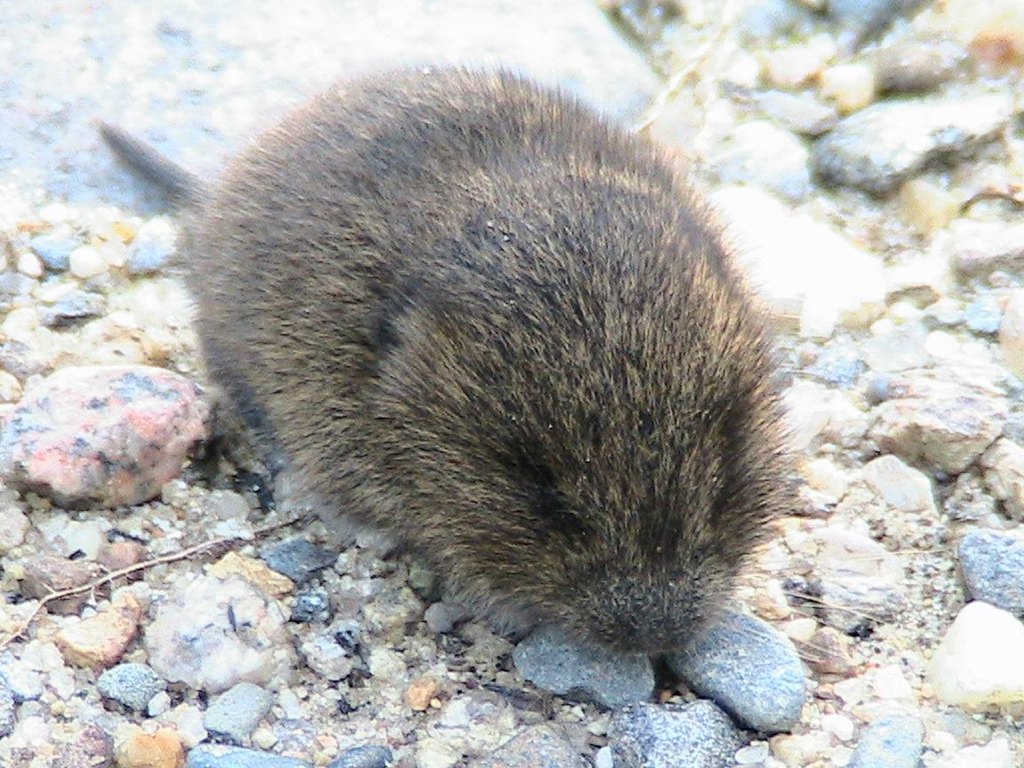
How to identify vole
The vole, or meadow mouse, is a small, stocky rodent with a short tail, tiny ears, and a blunt snout. It is not a mole: it tunnels at the surface, not deep underground, and it eats plants, not insects. Voles leave 1-2 inch runways through grass and mulch, and in winter they tunnel under snow to girdle the bark of young fruit trees and shrubs. Their populations can double in a month when cover and food are plentiful.
Crops attacked by vole
Potato, Sweet potato, Carrot, Beet, Young fruit trees (bark), Hosta.
1/8-inch tooth grooves on tuber surfaces, gnawed bark at soil line on trees (visible when snow melts), surface runways in lawn or mulch.
Life cycle
- Breeding season (March-Oct) — 5-10 litters a year, 3 weeks each. Populations double in a month under cover.
- Summer runways (May-Aug) — Surface runways through mulch and groundcover; roots and tubers chewed from below.
- Fall population peak (Sept-Nov) — Highest numbers of the year; they move into mulched beds and compost for winter.
- Winter under snow (Dec-March) — Most fruit-tree girdling happens under snow cover, invisible until spring thaw.
Natural, organic vole control
- 1. 1/4-inch hardware cloth trunk guards · medium effort
Cylinder of hardware cloth 24 in tall around fruit-tree trunks, pressed 2 in into the soil. The only reliable stop for winter girdling.
When: Fall, before snow
- 2. Snap traps in runways · medium effort
Set peanut-butter-baited mouse snap traps perpendicular to active surface runways under an inverted box or bucket.
When: Fall population spike
- 3. Bare 3 ft mulch-free ring around trees · low effort
Voles will not cross open ground. Pull mulch back a full 3 ft from tree trunks in fall.
When: Every fall
- 4. Encourage raptors and cats · low effort
Install owl or kestrel nest boxes; barn cats crush vole populations. Single most effective long-term control.
When: Anytime
Fastest-fix products
- Victor easy-set snap traps — The classic. Cheap, effective, humane if checked twice daily. · Any hardware store
- 1/4-inch galvanized hardware cloth — Only trunk protection that survives winter under snow. · Home Depot
- MoleMax castor-oil repellent — Also deters voles; apply in fall and after snowmelt. · Amazon
Prevention
- Keep grass mowed within 15 ft of the garden; voles avoid open turf.
- Never mulch fruit trees to the trunk: voles nest and gnaw under it.
- Skip deep winter mulch on strawberry beds until after ground freezes hard.