
Garden pest & animal profiles
Showing 13 of 116 profiles: real photos, life cycles, the crops each one hits, and organic fixes that actually hold.
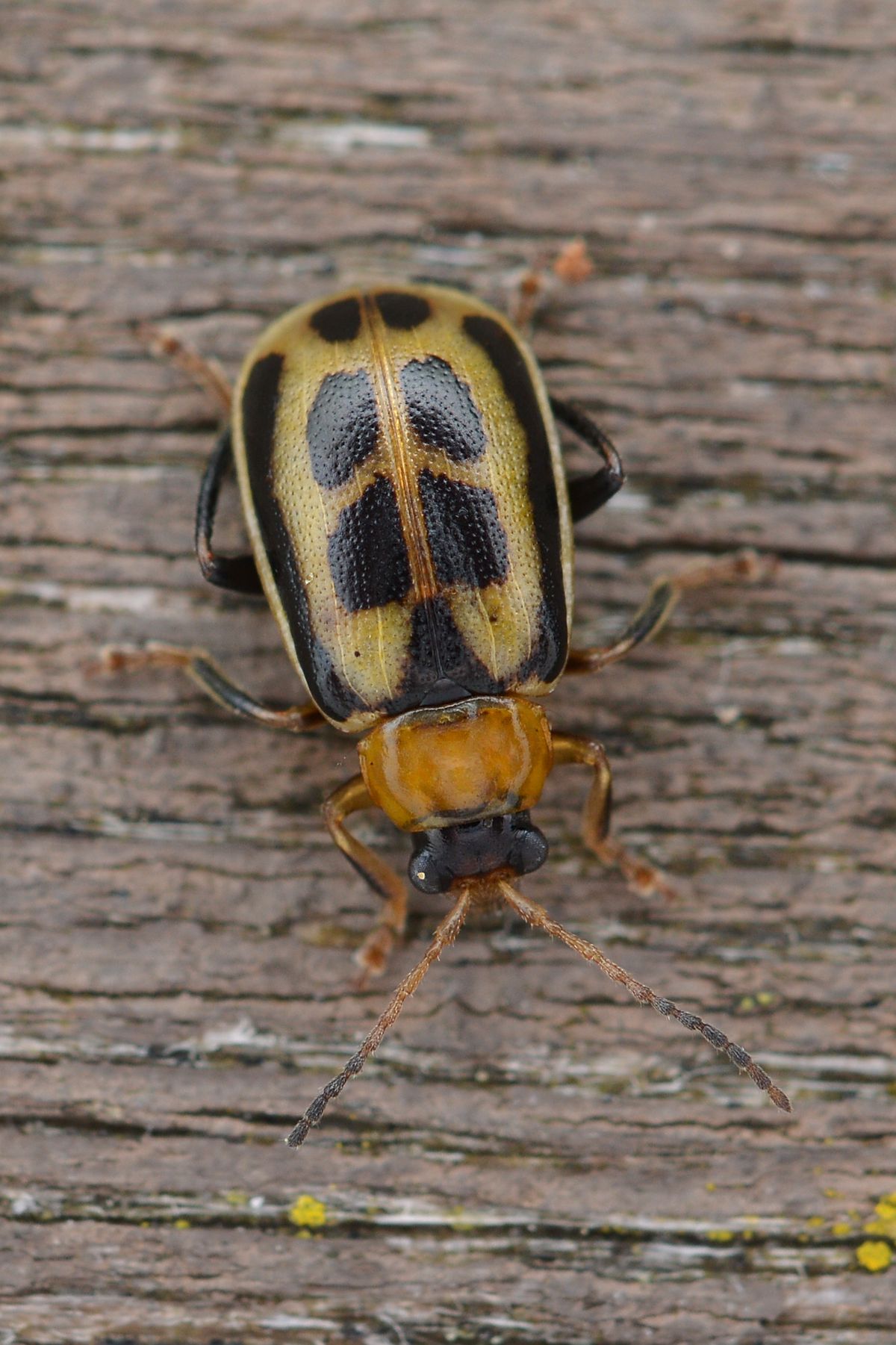
Bean leaf beetle
insectCerotoma trifurcata
A small, variably colored beetle (red, yellow, or tan, usually with black spots and a black triangle behind the head) that chews round holes in bean leaves and can scar pods.
- Hits
- Bush bean, Pea
- First fix
- Row cover young seedlings
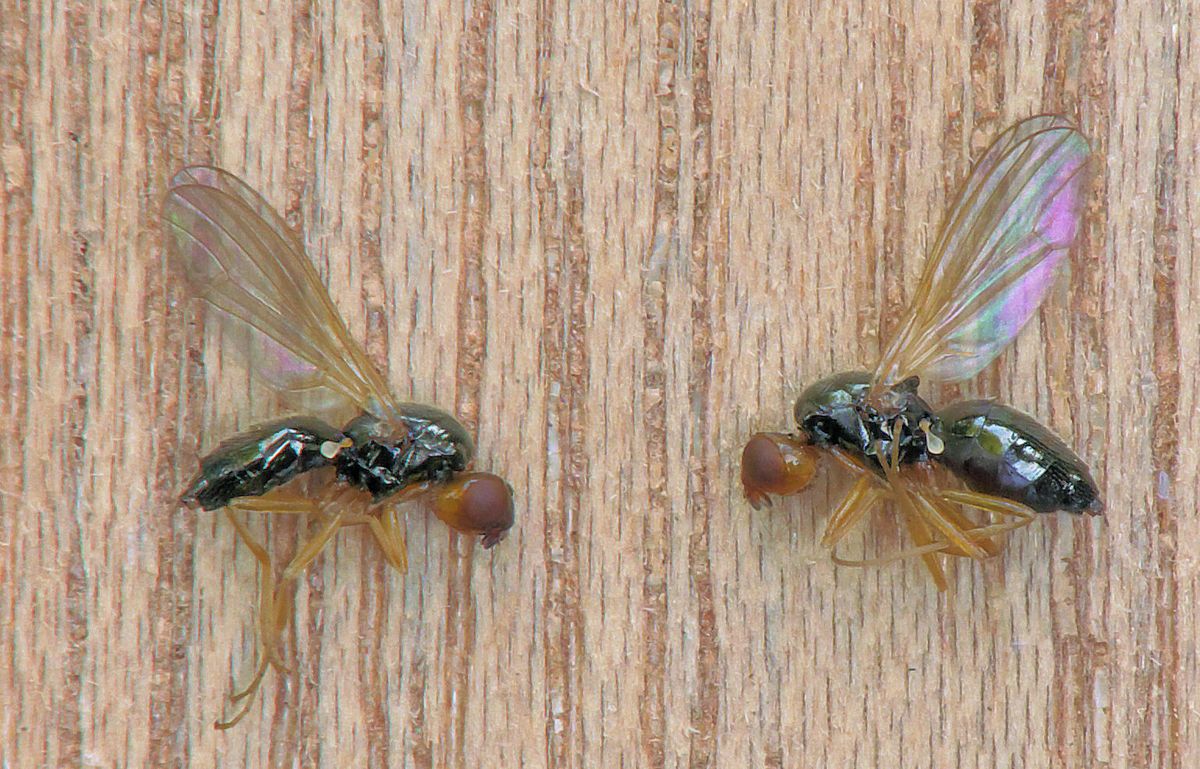
Carrot rust fly
insectPsila rosae
A small shiny black fly whose larvae tunnel into carrot roots, leaving rusty-brown scars and tunnels that ruin the harvest even when the tops look fine. Most common in cool, humid regions of the Pacific Northwest and Northeast.
- Hits
- Carrot, Celery, Parsley
- First fix
- Row cover the whole season
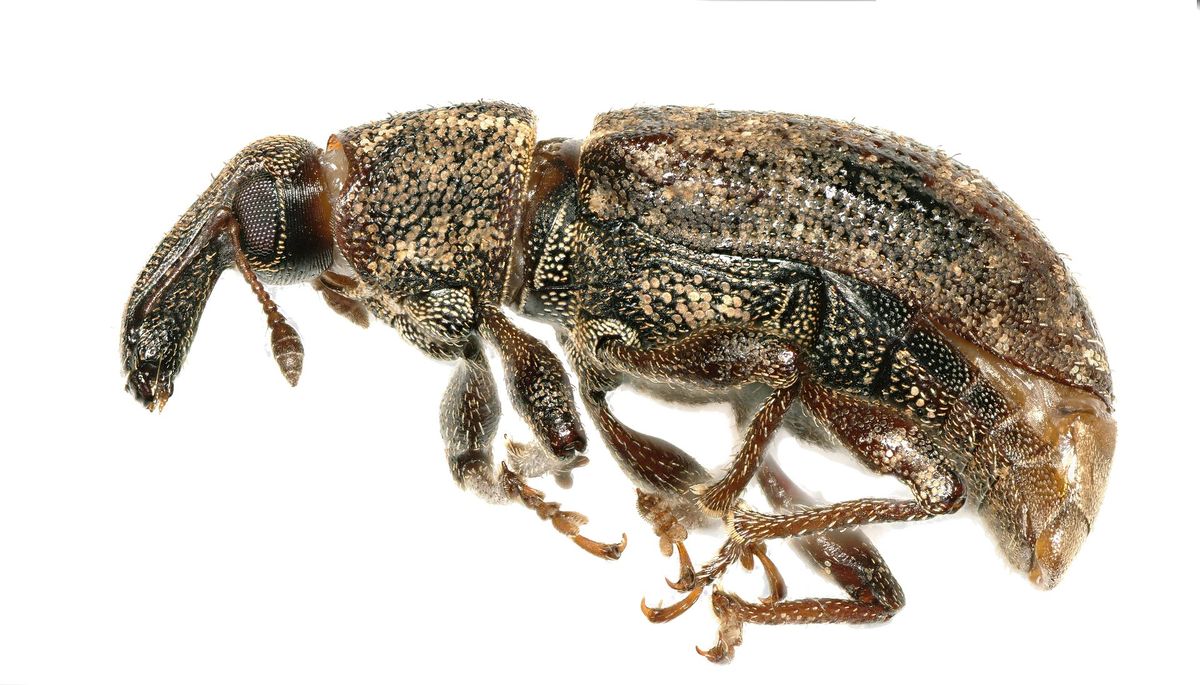
Carrot weevil
insectListronotus oregonensis
A small, dark snout beetle whose legless larvae tunnel through carrot crowns and roots, most damaging in the Northeast and Midwest.
- Hits
- Carrot, Celery, Parsley
- First fix
- Rotate carrots away from prior beds
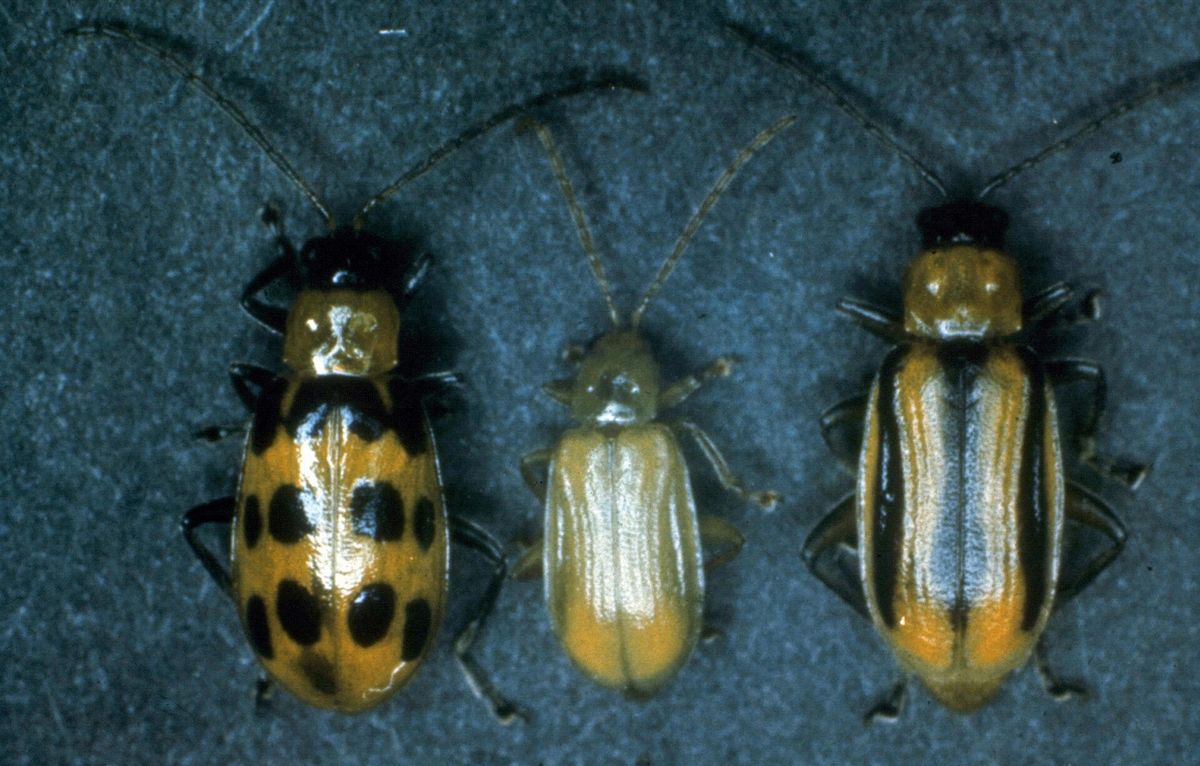
Corn rootworm
insectDiabrotica virgifera / D. barberi
Small yellow-green beetles whose larvae feed underground on corn roots, causing plants to lodge (fall over) in a distinctive 'goosenecking' pattern. Adults later feed on silks and can interfere with pollination.
- Hits
- Sweet corn
- First fix
- Rotate corn out of the bed
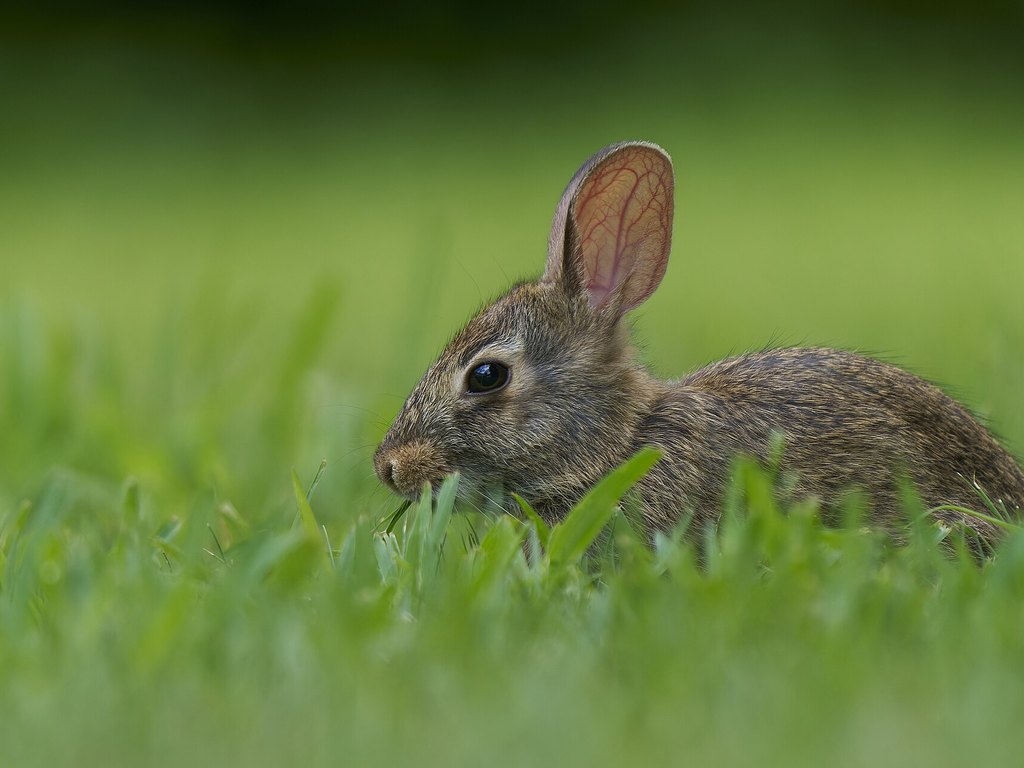
Cottontail rabbit
animalSylvilagus floridanus
The eastern cottontail is a compact, big-eyed grazer that moves through gardens at dawn and dusk, clipping tender plants at ground level with clean, scissor-like bites. A single doe can raise three to six litters per year, and once a young rabbit finds your lettuce row it will return until the row is gone. They rarely stray far from dense brush or a fence line, which is where they hide during the day.
- Hits
- Lettuce, Bean seedling, Pea, Broccoli seedling
- First fix
- 2 ft hardware cloth fence
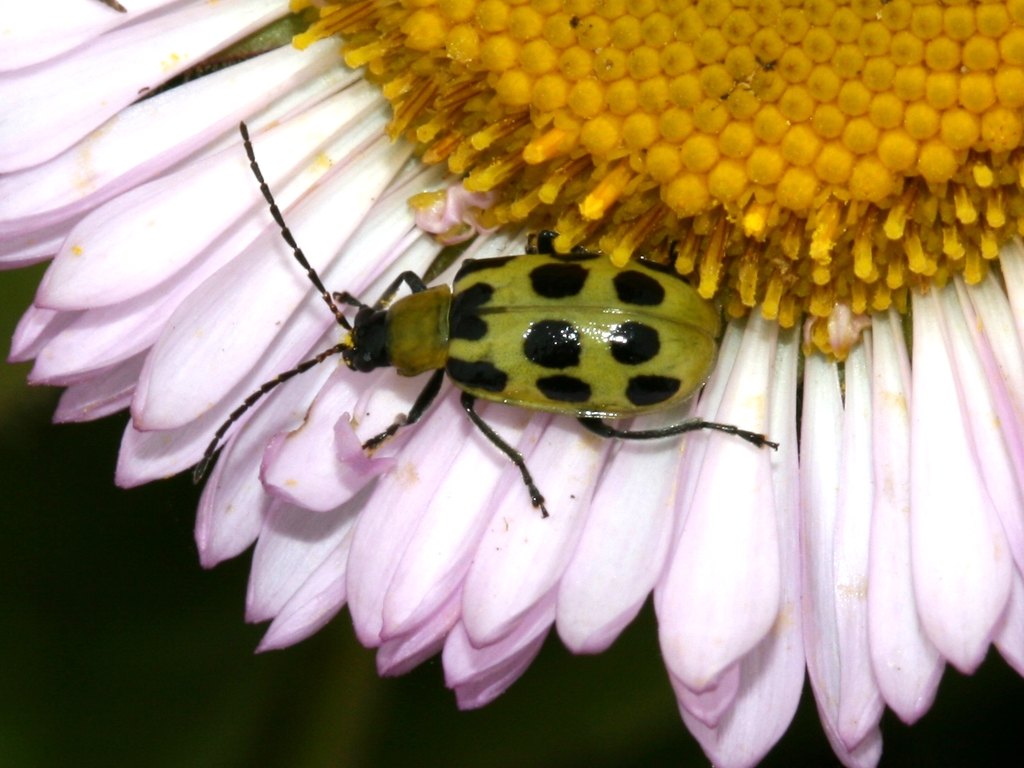
Cucumber beetle
insectAcalymma vittatum / Diabrotica undecimpunctata
A quarter-inch yellow beetle with black stripes (striped) or black spots (spotted) that swarms cucurbits. Worse than its feeding is the bacterial wilt it carries. A single infected beetle can doom a plant.
- Hits
- Cucumber, Zucchini, Squash, Pumpkin
- First fix
- Row cover until female flowers
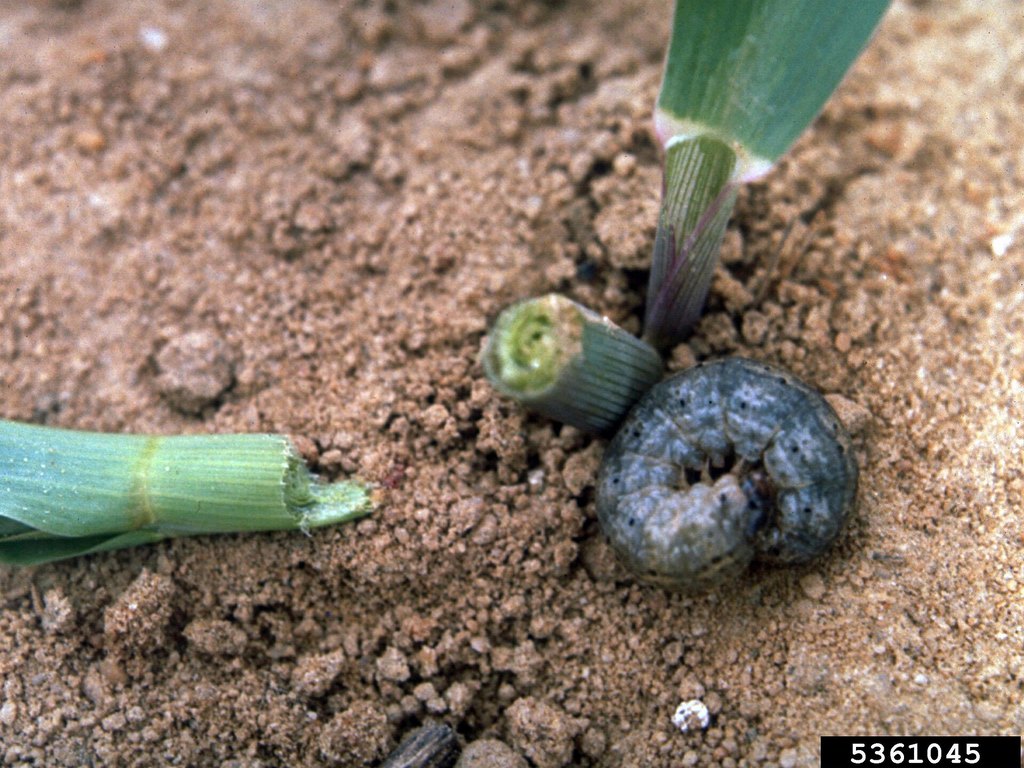
Cutworm
insectAgrotis spp. / Noctuidae
Cutworms are fat, greasy-looking gray-to-brown caterpillars that curl into a tight C when disturbed. They hide just under the soil surface by day and mow down seedlings at the stem line after dark. The classic 'my transplants were fine yesterday' pest.
- Hits
- Tomato, Pepper, Cabbage, Broccoli
- First fix
- Collars around every transplant
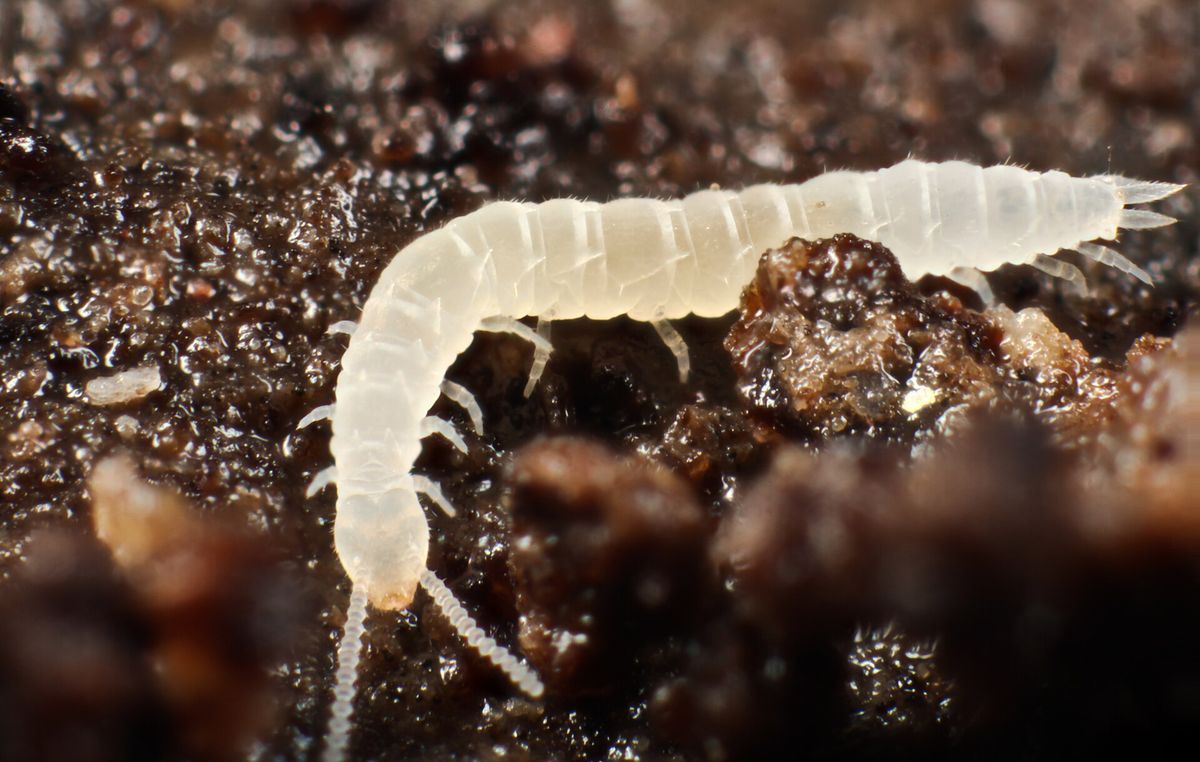
Garden symphylan
arachnidScutigerella immaculata
A small, fast-moving, white, many-legged soil dweller resembling a tiny centipede. It lives deep in the soil and feeds on fine root hairs, causing patchy stunting that's easy to mistake for a nutrient problem.
- Hits
- Lettuce, Spinach, Carrot, Bush bean
- First fix
- Dig and inspect roots of stunted patches
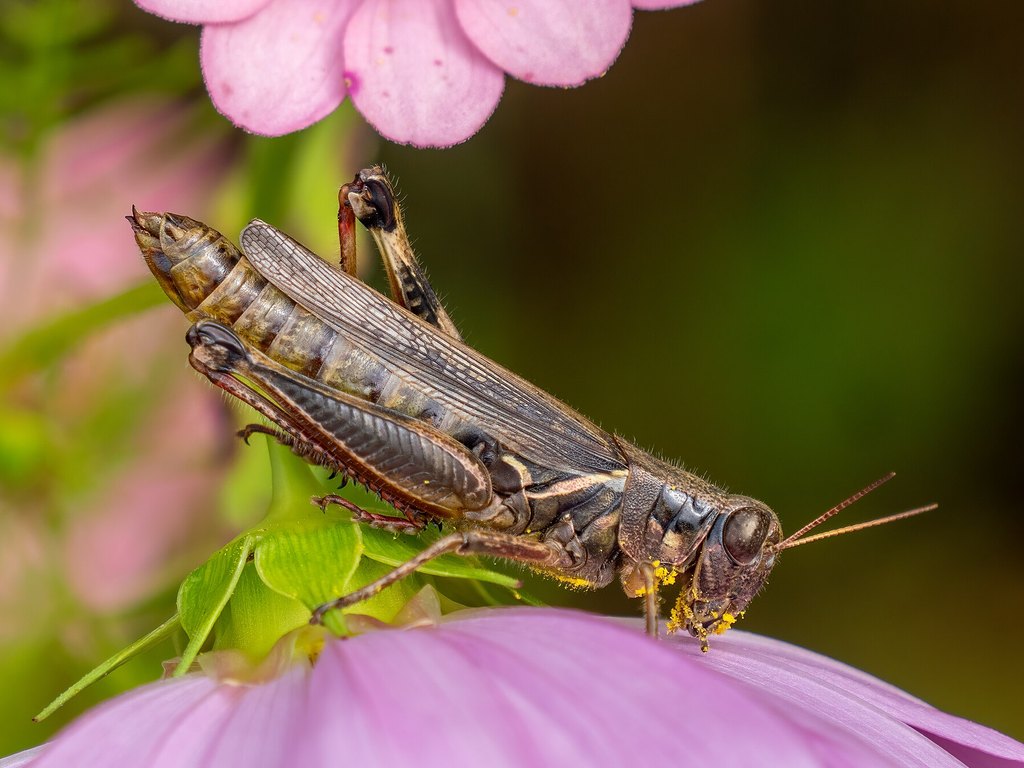
Grasshopper
insectMelanoplus spp.
Strong-jawed jumping insects that hatch in weedy field margins and move into gardens as those margins dry out. In hot, dry years populations boom and a garden can be stripped in a week. They are hardest to fight once adults are flying.
- Hits
- Bean, Lettuce, Corn, Carrot tops
- First fix
- Target the nymph stage in field margins
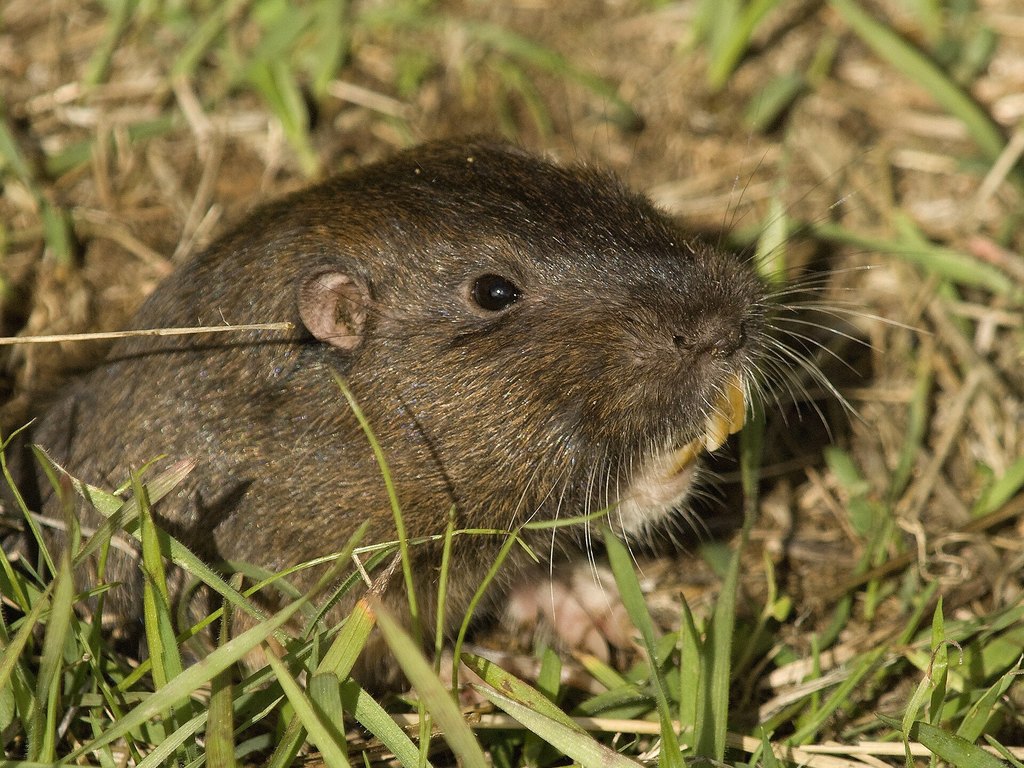
Pocket gopher
animalGeomyidae (Thomomys spp.)
The pocket gopher is a solitary, underground engineer that spends nearly its whole life in a dark tunnel system. It has huge front teeth, small eyes, and fur-lined cheek pouches that give it its name. A gopher can pull a healthy carrot, potato, or young fruit tree straight down into its burrow. Plant and all. Leaving a fan-shaped mound of soil with a plugged hole to one side. Its damage is sudden and absolute, and it defends its tunnel aggressively from intruders.
- Hits
- Carrot, Potato, Onion, Any bulb
- First fix
- Gopher wire baskets around root balls
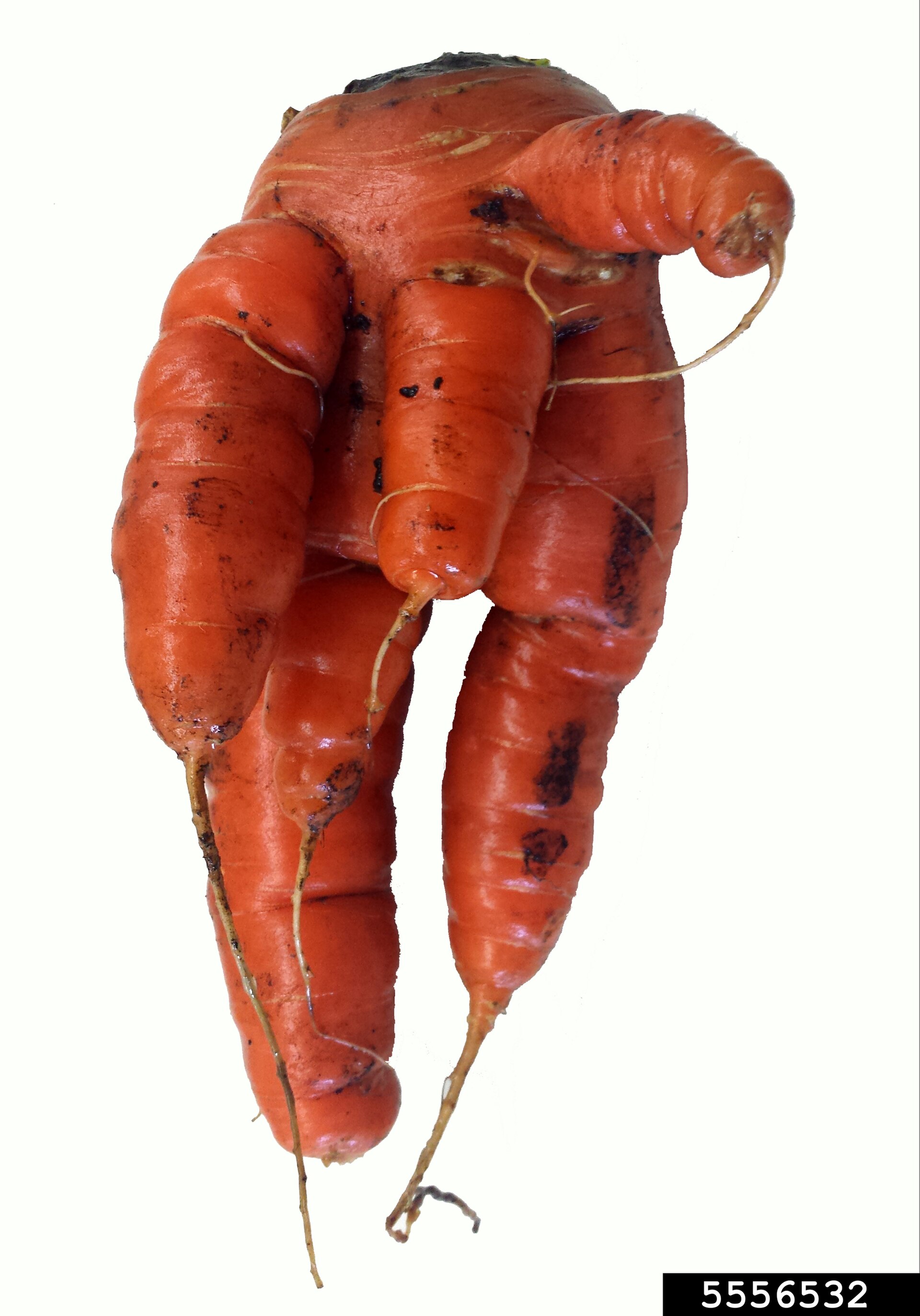
Root-knot nematode
arachnidMeloidogyne spp.
Microscopic roundworms that invade roots and trigger galls (knots) that block water and nutrient uptake. Damage is invisible above ground until plants wilt in the heat of the day despite moist soil, or when roots are dug up and show beaded swellings.
- Hits
- Tomato, Carrot, Okra, Cucumber
- First fix
- Solarize the bed
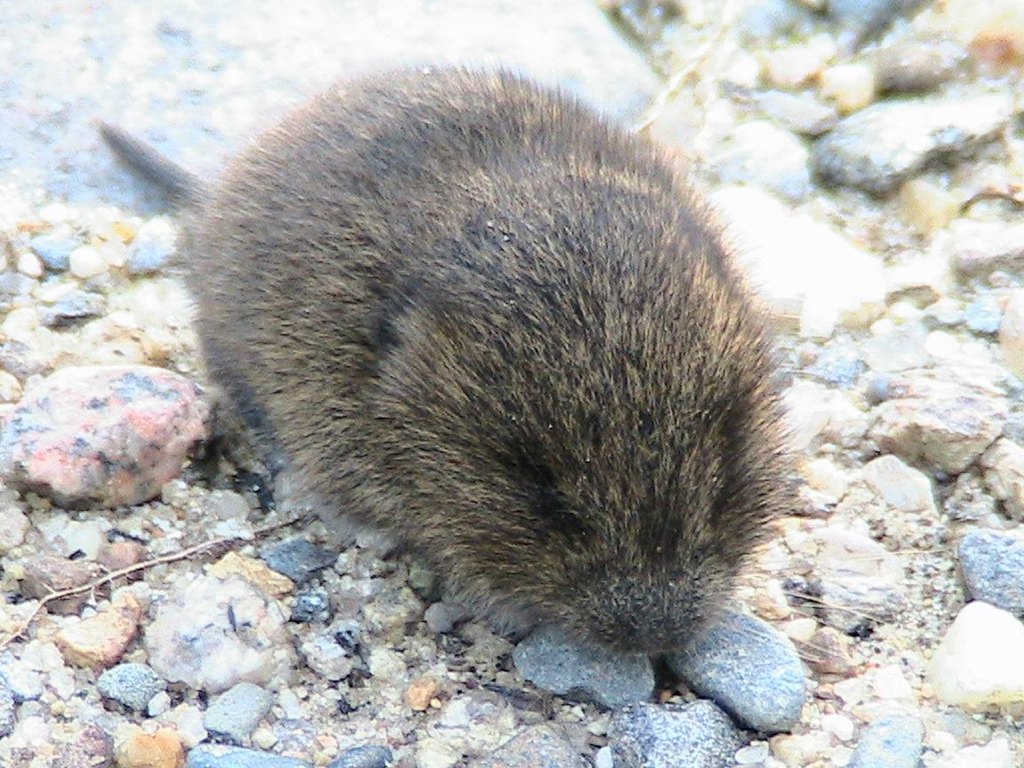
Vole
animalMicrotus spp.
The vole, or meadow mouse, is a small, stocky rodent with a short tail, tiny ears, and a blunt snout. It is not a mole: it tunnels at the surface, not deep underground, and it eats plants, not insects. Voles leave 1-2 inch runways through grass and mulch, and in winter they tunnel under snow to girdle the bark of young fruit trees and shrubs. Their populations can double in a month when cover and food are plentiful.
- Hits
- Potato, Sweet potato, Carrot, Beet
- First fix
- 1/4-inch hardware cloth trunk guards
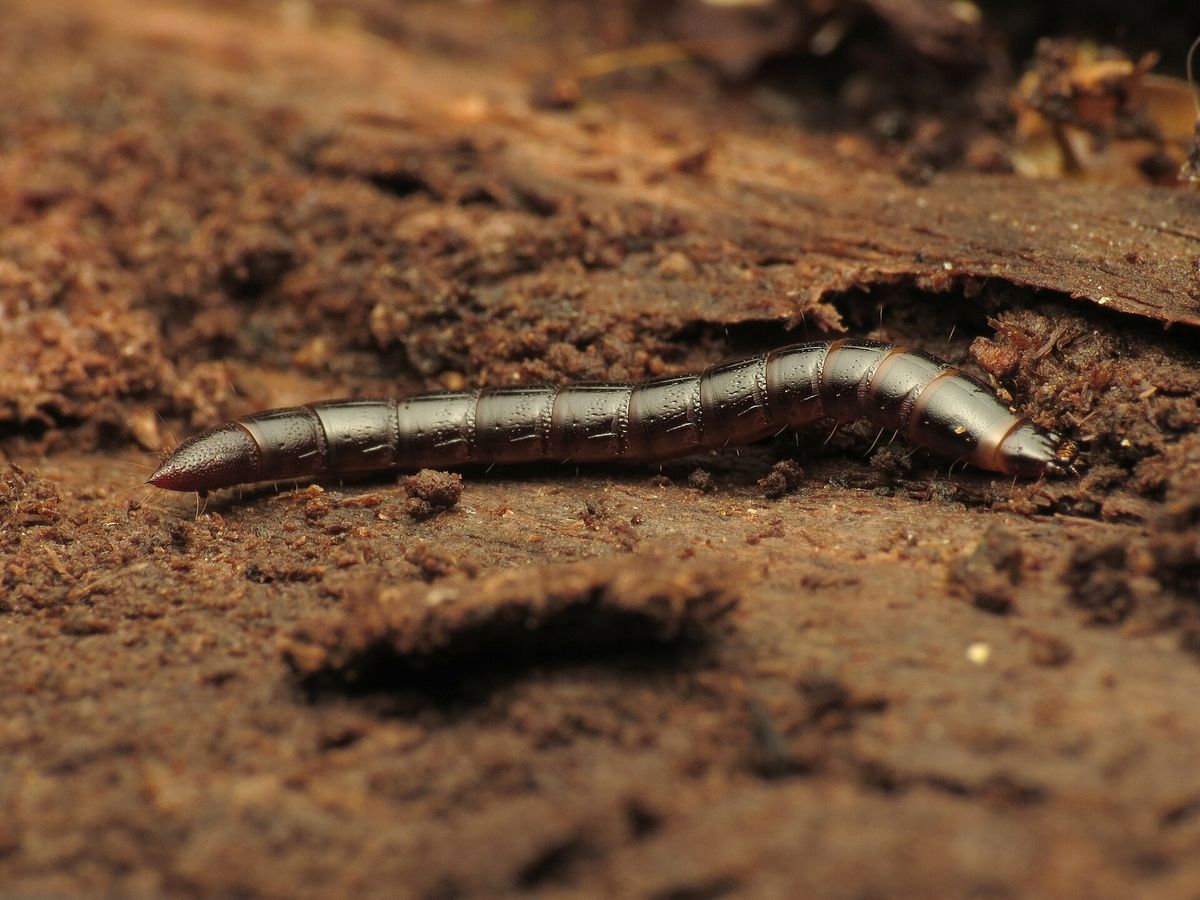
Wireworm
insectElateridae (Melanotus, Limonius spp.)
The slender, hard, shiny yellow-brown larva of the click beetle, living in soil for up to five years before pupating. It bores into planted seed and root crops, doing its worst damage in beds recently converted from lawn.
- Hits
- Potato, Carrot, Sweet Potato, Sweet corn
- First fix
- Potato-trap monitoring
Not sure what you're looking at? Snap a photo and let pest detection identify it.